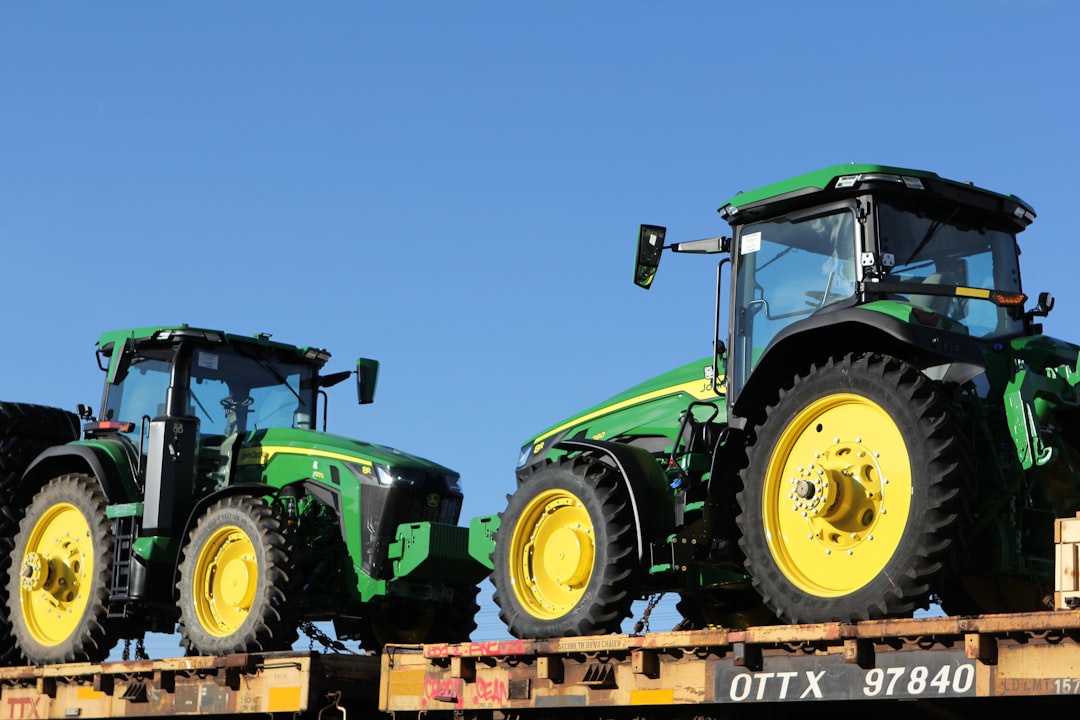
The digital age has transformed agriculture, with modern tractors evolving into sophisticated machines bristling with sensors, processors, and intricate software. At the forefront of this technological revolution stands John Deere, a company whose iconic green and yellow machines have long been a staple of American farms. However, a growing controversy surrounding John Deere’s tractor software, often referred to as its “software lock,” has ignited a firestorm of debate, pitting farmers against the agricultural giant and raising fundamental questions about ownership, repair rights, and the future of farming in a digitally controlled world.
This article delves into the multifaceted controversy, dissecting the technical underpinnings, the arguments presented by both John Deere and its detractors, and the broader implications for the agricultural landscape. We will explore the legal battles, the legislative efforts, and the evolving conversation around digital rights in the context of heavy machinery.
At its core, the controversy revolves around access to and control over the software that operates John Deere tractors. Modern agricultural machinery is no longer just a collection of gears and engines. Today’s tractors are essentially sophisticated computers on wheels, equipped with advanced systems that manage everything from engine performance and fuel efficiency to steering, planting, and harvesting. This software dictates how the tractor functions, analyzes data collected from the field, and even communicates with other precision agriculture equipment.
The Role of Software in Modern Tractors
The software within a John Deere tractor is akin to the central nervous system of a living organism. It processes vast amounts of data generated by sensors scattered throughout the machine and its agricultural environment. This data can include ground speed, soil conditions, crop health indicators, GPS coordinates, and even adjustments for optimal seed placement or pesticide application. The software then translates this information into specific commands, ensuring the tractor performs its tasks with precision and efficiency. Without this intricate digital architecture, a modern tractor would be little more than a powerful, but largely unintelligent, engine. Imagine a sports car without its engine control unit – it’s all powerful chassis and wheels, but incapable of true performance. Similarly, a modern tractor relies on its software to unlock its full potential.
Defining the “Software Lock”
The “software lock,” in this context, does not refer to a physical padlock. Instead, it’s a digital barrier. John Deere, like many other manufacturers of complex machinery, employs proprietary software that requires specific authorization codes and diagnostic tools to access, modify, or repair. This means that if a tractor experiences a software-related issue, or if a farmer desires to make modifications for increased functionality or alternative uses, they often cannot do so without the assistance of an authorized John Deere dealership or technician. This proprietary nature creates a dependency, as farmers are essentially renting the full functionality of their expensive equipment, rather than owning it outright in every sense of the word.
Diagnostic Tools and Authorized Access
John Deere’s authorized dealers are equipped with specialized diagnostic tools and software licenses that allow them to interface with the tractor’s internal systems. These tools can read error codes, reprogram modules, and even update or calibrate the software. The company argues that this controlled access is necessary for several reasons, primarily related to safety, performance, and intellectual property protection. Without proper training and authorization, they contend, individuals attempting repairs or modifications could inadvertently damage the tractor, void warranties, or compromise its intended operational parameters.
The recent controversy surrounding John Deere’s tractor software lock has sparked significant debate among farmers and tech enthusiasts alike. Many are concerned about the implications of restricted access to repair and modify their equipment, which has led to discussions about the right to repair movement. For more insights into this ongoing issue and its impact on the agricultural industry, you can read a related article at this link.
The Farmer’s Perspective: The Right to Repair and Ownership
For many farmers, the software lock represents a significant impediment to their ability to operate and maintain their machinery efficiently and affordably. The core of their argument centers on the fundamental principle of the “right to repair” and the concept of true ownership.
The Burden of Repair Costs and Downtime
When a John Deere tractor malfunctions, particularly if the issue involves software, the farmer is often faced with a limited set of options, all of which can be costly. Taking the tractor to an authorized dealership can incur substantial labor charges and parts markups. Furthermore, the time spent waiting for a technician, transporting the tractor, and awaiting repairs translates into critical downtime. In the agricultural world, time is often measured in the ticking clock of planting or harvesting seasons. A few days of downtime can mean the difference between a bountiful harvest and significant financial losses. Farmers feel that the software lock exacerbates this problem by creating a bottleneck, preventing them from seeking quicker or more localized repair solutions. It’s like owning a house but needing a specific, expensive contractor for every leaky faucet or loose tile – a constant drain on resources and a source of frustration.
The “Right to Repair” Movement
The “right to repair” movement has gained significant traction across various industries, from consumer electronics to automobiles. Proponents argue that consumers should have the right to repair the products they own without being forced to rely on manufacturer-authorized service providers. This movement asserts that restrictions on repair access stifle competition, increase costs for consumers, and contribute to a culture of planned obsolescence. Farmers have become a vocal segment of this movement, arguing that tractors are essential tools for their livelihood, and the inability to perform basic repairs or modifications on their own terms undermines their autonomy and profitability.
Intellectual Property Versus Usability
John Deere, like other manufacturers, claims that its proprietary software is intellectual property protected by copyright and trade secret laws. They argue that allowing unrestricted access to this software would enable competitors to reverse-engineer their technology, dilute their competitive advantage, and potentially lead to the proliferation of substandard or unsafe equipment. However, farmers counter that while protecting intellectual property is important, it should not come at the expense of making the purchased product unusable or excessively difficult to maintain. They believe that ownership of a physical asset, like a tractor, should extend to the ability to understand and manage its operational software. The debate often boils down to whether the software is an inseparable component of the product being sold, or a service that is being perpetually licensed.
John Deere’s Defense: Safety, Security, and Innovation
John Deere has consistently defended its software lock, citing a range of reasons that they argue are in the best interest of their customers and the agricultural industry as a whole. Their arguments often focus on the complex nature of modern agricultural machinery and the potential risks associated with unauthorized access.
Ensuring Safety and Preventing Tampering
A primary concern for John Deere is the potential for safety hazards. Modern tractors are powerful and complex machines, capable of causing serious injury if operated improperly or if their safety systems are compromised. The company asserts that its controlled software access ensures that only trained technicians, familiar with the specific safety protocols of John Deere equipment, can make modifications or perform repairs that could affect these critical systems. They draw a parallel to the automotive industry, where tampering with safety features like airbags or anti-lock braking systems is strictly regulated. A miscalibrated sensor or an improperly overridden safety feature on a multi-ton tractor could have catastrophic consequences.
Maintaining Performance and Preventing “Masculine” Modifications
John Deere also argues that its software is designed to optimize the performance of its tractors for specific agricultural tasks. Allowing unauthorized individuals to alter the software could lead to improper tuning, reduced efficiency, increased wear and tear, or even catastrophic system failures. They express concerns that some modifications, often termed “masculine” modifications by some farmers in an effort to gain extra power or bypass emissions controls, could void warranties and lead to environmental compliance issues. The company believes that by maintaining control over the software, they can ensure that their equipment operates as designed, providing farmers with the reliability and performance they expect.
Protecting Investment in Research and Development
The development of sophisticated agricultural technology requires significant investment in research and development. John Deere spends hundreds of millions of dollars annually on innovation, creating the advanced software and hardware that differentiate their products. The company argues that without the ability to protect its intellectual property and maintain control over its technology, this investment would be jeopardized. Allowing unrestricted access to their proprietary software would essentially be giving away the fruits of their labor to competitors, diminishing their incentive to innovate in the future. This is a classic “tragedy of the commons” argument applied to digital innovation – if everyone can freely take, there’s no incentive to produce.
The Legal and Legislative Landscape: Battles and Bills
The controversy over John Deere’s software lock is not confined to the farm gate. It has spilled over into courtrooms and legislative halls, as farmers and advocacy groups push for greater access and lawmakers grapple with the complexities of digital rights.
Court Cases and Legal Challenges
Several legal challenges have been initiated by farmers and organizations seeking to force John Deere to provide greater access to its diagnostic software. These cases often hinge on interpretations of copyright law, the Magnuson-Moss Warranty Act (which prevents manufacturers from voiding warranties solely due to the use of independent repair services), and principles of fair use. However, the proprietary nature of software and the evolving legal definitions of “ownership” in the digital age have made these battles complex and often protracted. The legal arguments are intricate, touching upon the very definition of what it means to possess an object in the 21st century.
The “Right to Repair” Legislation: A Growing Movement
Across the United States and in other countries, legislative bodies are considering and passing “right to repair” laws. These laws aim to mandate that manufacturers provide consumers and independent repair shops with access to diagnostic tools, repair manuals, and necessary parts at fair and reasonable prices. While some of these laws have been narrowly tailored, others are more sweeping. Advocates are actively lobbying for legislation that specifically addresses agricultural equipment, recognizing the unique needs of the farming community. The success of these legislative efforts remains a key battleground for the future of agricultural equipment repair. This legislative push is akin to a growing tide, seeking to erode the dams of proprietary control.
International Efforts and Global Implications
The controversy is not limited to the United States. Similar debates are unfolding in other agricultural powerhouses, such as Europe and Australia. International organizations and farmer advocacy groups are collaborating to share information and strategize, recognizing that the issues surrounding software locks and repair rights are global in nature. The digital threads of this controversy weave across borders, impacting farmers worldwide.
The ongoing controversy surrounding John Deere’s tractor software lock has sparked significant debate among farmers and tech enthusiasts alike. Many are concerned about the implications of restricted access to repair and modification of agricultural equipment, which has led to discussions about the right to repair movement. For those interested in exploring this topic further, a related article can be found at Hey Did You Know This, where you can read about the broader impact of such software restrictions on the farming community.
The Future of Farming: Interoperability and Open Standards
| Aspect | Details |
|---|---|
| Issue | John Deere’s software lock restricts farmers from repairing their own tractors. |
| Year of Controversy | 2019 – 2023 |
| Key Concern | Farmers unable to access or modify tractor software without authorized dealer intervention. |
| Legal Actions | Multiple lawsuits and legislative proposals advocating for “Right to Repair” laws. |
| Impact on Farmers | Increased repair costs and downtime due to dependency on John Deere authorized services. |
| John Deere’s Position | Claims software locks protect intellectual property and ensure safety and compliance. |
| Legislative Response | Several US states introduced bills to require manufacturers to provide repair access. |
| Public Reaction | Widespread criticism from farming communities and advocacy groups supporting repair rights. |
The ongoing debate over John Deere’s software lock has illuminated a broader conversation about the future of farming in an increasingly digitized world. Many believe that the path forward lies in greater interoperability between different brands of equipment and the adoption of open standards.
The Need for Interoperability
Modern farming often involves a complex ecosystem of machinery, sensors, and software from various manufacturers. The current proprietary nature of some systems, including John Deere’s, can create significant integration challenges. Farmers often find themselves locked into a single brand, unable to seamlessly integrate equipment or data from other companies, even if it might be more cost-effective or technologically advanced. The concept of interoperability suggests that different brands of tractors, planters, and harvesters should be able to “talk to each other” and share data, much like different brands of smartphones can connect to the same Wi-Fi network. This would foster competition and give farmers more choices. Imagine a symphony orchestra where each musician can only play their own unique instrument, and no other musicians’ instruments can be heard – interoperability aims to create harmonious collaboration.
The Role of Open Standards and Data Ownership
Advocates for greater agricultural transparency and farmer autonomy are pushing for the adoption of open standards for data management and equipment operation. This would mean that data collected by tractors, regardless of brand, would be owned by the farmer and accessible in a standardized format. Similarly, open standards for software could allow for third-party developers to create innovative solutions and repair tools, fostering a more competitive and dynamic agricultural technology market. The ownership of farm data, the very lifeblood of precision agriculture, is becoming a central point of contention.
The Evolving Relationship Between Farmers and Manufacturers
Ultimately, the controversy over John Deere’s software lock is forcing a re-evaluation of the relationship between farmers and the manufacturers of their essential tools. It raises questions about the definition of ownership, the balance between intellectual property rights and the functional use of purchased goods, and the importance of farmer autonomy in a technologically advanced agricultural landscape. The resolution of this debate will likely shape the future of farming for generations to come, determining whether farmers remain in the driver’s seat of their operations, or become increasingly beholden to the proprietary digital controls of agricultural giants. The harvest of this particular controversy will be long-lasting, impacting not just the bottom line of individual farms, but the very structure of the agricultural industry.
FAQs
What is the John Deere tractor software lock controversy?
The controversy revolves around John Deere’s use of software locks in their tractors, which restricts farmers from repairing or modifying their own equipment without authorized access or tools provided by John Deere.
Why does John Deere use software locks on their tractors?
John Deere implements software locks to protect their intellectual property, ensure safety and compliance with regulations, and maintain control over the quality and performance of repairs and modifications.
How do software locks affect farmers and tractor owners?
Software locks can limit farmers’ ability to perform self-repairs or use third-party repair services, potentially leading to higher repair costs, longer downtime, and reduced equipment flexibility.
What legal or regulatory actions have been taken regarding this issue?
There have been various legal challenges and legislative efforts aimed at promoting the “right to repair,” which would require manufacturers like John Deere to provide access to software and repair information to equipment owners and independent repair shops.
Has John Deere responded to the controversy?
John Deere has stated that their software locks are intended to protect customers and ensure equipment safety, but they have also faced pressure to provide more repair options and transparency to farmers and independent repair providers.