
Materials Recovery Facilities (MRFs) play a crucial role in the recycling ecosystem, serving as the backbone for the processing and sorting of recyclable materials. These facilities are designed to accept a wide variety of waste, including paper, plastics, metals, and glass, which are then sorted and prepared for recycling. The primary objective of MRFs is to divert waste from landfills and promote the circular economy by ensuring that valuable materials are reused and repurposed.
As urbanization and consumerism continue to rise, the importance of MRFs in managing waste effectively has never been more pronounced. The operation of MRFs involves a complex interplay of technology, human labor, and environmental considerations.
The efficiency of MRFs directly impacts the overall success of recycling programs, making it essential to understand the challenges they face, particularly concerning contamination. Contaminants can significantly hinder the recycling process, leading to increased costs and reduced quality of recycled materials. Therefore, a comprehensive understanding of MRFs and their operational challenges is vital for improving recycling outcomes.
Key Takeaways
- Contaminants in Materials Recovery Facilities (MRFs) significantly hinder recycling efficiency and pose health risks to workers.
- Proper sorting, education, and community collaboration are essential to reduce contamination levels.
- Advanced technologies and equipment improve detection and management of contaminants in recycling streams.
- Adhering to regulatory and compliance measures ensures effective contamination control and facility safety.
- Future innovations focus on enhancing contamination prevention and streamlining recycling processes.
Types of Contaminants Found in Materials Recovery Facilities
Contaminants in MRFs can be broadly categorized into two types: physical contaminants and chemical contaminants. Physical contaminants include items that do not belong in the recycling stream, such as food waste, non-recyclable plastics, and hazardous materials. These items can disrupt the sorting process and lead to contamination of recyclable materials.
For instance, food waste can spoil paper products, rendering them unsuitable for recycling. Similarly, non-recyclable plastics can contaminate batches of recyclable plastics, making it difficult to produce high-quality recycled products. Chemical contaminants, on the other hand, refer to substances that can leach into recyclable materials or pose health risks to workers.
These may include batteries, electronic waste, and other hazardous materials that contain toxic substances. The presence of such contaminants not only complicates the recycling process but also raises significant health and safety concerns for workers who may be exposed to harmful chemicals during sorting and processing. Understanding the types of contaminants present in MRFs is essential for developing effective strategies to mitigate their impact on recycling operations.
Impact of Contaminants on the Recycling Process
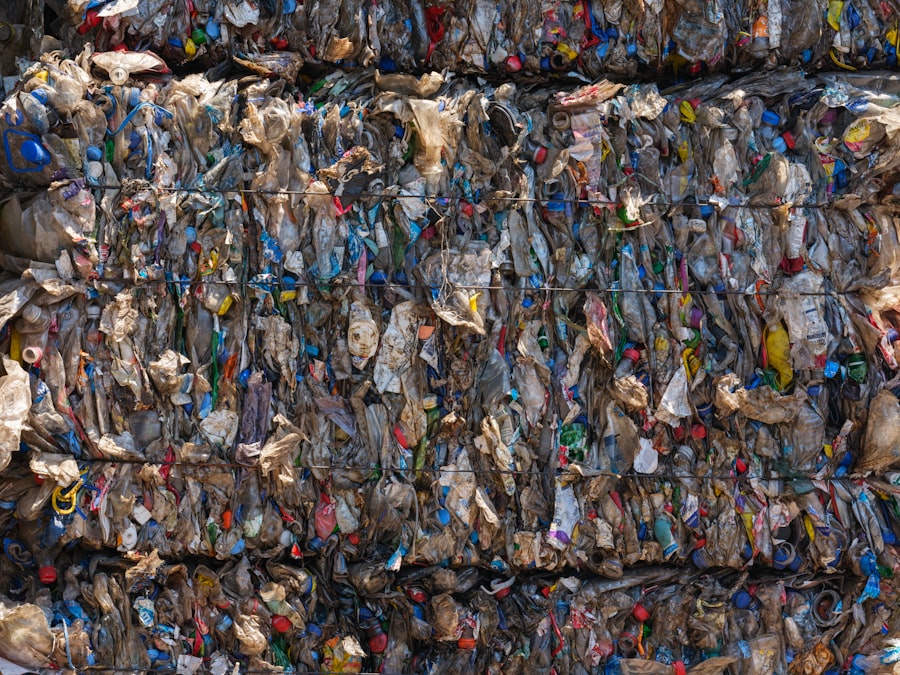
The presence of contaminants in MRFs can have far-reaching consequences on the recycling process. One of the most immediate effects is the degradation of material quality. When non-recyclable items are mixed with recyclable materials, they can compromise the integrity of the entire batch.
For example, if a load of paper is contaminated with plastic or food waste, it may be deemed unsuitable for recycling, leading to increased landfill disposal. This not only wastes valuable resources but also undermines the environmental benefits associated with recycling. Moreover, contaminants can lead to increased operational costs for MRFs.
The need for additional sorting and cleaning processes to remove contaminants can strain resources and labor. Facilities may find themselves investing in more advanced technology or hiring additional staff to manage contamination issues effectively. This can ultimately result in higher processing fees for municipalities and consumers, which may discourage participation in recycling programs.
Therefore, addressing contamination is not just an operational challenge; it is also a financial concern that impacts the sustainability of recycling initiatives.
Health and Safety Concerns for Workers
The health and safety of workers in MRFs is a paramount concern, particularly in relation to contamination. Workers are often exposed to hazardous materials that can pose serious health risks. For instance, improper handling of electronic waste can lead to exposure to toxic substances such as lead and mercury.
Additionally, physical contaminants like sharp objects or heavy items can cause injuries if not handled properly. The risk of accidents increases when workers are required to sort through contaminated materials without adequate protective equipment or training. To mitigate these risks, MRFs must prioritize worker safety by implementing comprehensive training programs and providing appropriate personal protective equipment (PPE).
Regular safety audits and assessments can help identify potential hazards associated with contamination and ensure that workers are equipped to handle them safely. Furthermore, fostering a culture of safety within the facility can empower workers to report unsafe conditions or practices without fear of reprisal. By addressing health and safety concerns proactively, MRFs can create a safer working environment while enhancing overall operational efficiency.
Strategies for Contamination Prevention
| Metric | Description | Typical Range | Impact on Facility |
|---|---|---|---|
| Contamination Rate (%) | Percentage of non-recyclable materials in the input stream | 10% – 25% | Increases sorting difficulty and processing costs |
| Reject Rate (%) | Percentage of materials rejected after sorting due to contamination | 5% – 15% | Reduces overall recovery efficiency |
| Residue Rate (%) | Portion of waste sent to landfill after processing | 10% – 20% | Indicates level of contamination and sorting effectiveness |
| Glass Contamination (%) | Proportion of broken or mixed glass in recyclable glass stream | 5% – 12% | Decreases quality of recovered glass |
| Plastic Film Contamination (%) | Amount of plastic film mixed with rigid plastics | 8% – 18% | Causes equipment jams and lowers material value |
| Metal Contamination (%) | Non-ferrous metals mixed with ferrous metals or other materials | 2% – 7% | Reduces purity and marketability of metal bales |
| Organic Contamination (%) | Food waste or other organics mixed with recyclables | 3% – 10% | Leads to odor issues and material degradation |
Preventing contamination in MRFs requires a multifaceted approach that involves collaboration among various stakeholders. One effective strategy is to enhance public education and awareness regarding proper recycling practices. Many individuals are unaware of what materials are recyclable and often mistakenly place non-recyclable items in their recycling bins.
By providing clear guidelines and educational resources, municipalities can empower residents to make informed decisions about their waste disposal. Another strategy involves improving the design of recycling programs themselves. Implementing single-stream recycling systems can simplify the process for consumers but may also increase contamination rates if not managed properly.
To counter this, MRFs can invest in advanced sorting technologies that utilize artificial intelligence and machine learning to identify and separate contaminants more effectively. By combining public education with technological advancements, MRFs can significantly reduce contamination rates and improve overall recycling outcomes.
Importance of Proper Sorting and Education

Proper sorting is fundamental to the success of recycling programs, as it directly influences the quality of recycled materials produced by MRFs. When materials are sorted correctly at the source, it minimizes the risk of contamination during processing. This underscores the importance of educating consumers about proper recycling practices and encouraging them to take responsibility for their waste disposal habits.
Educational initiatives can take various forms, including community workshops, informational campaigns, and school programs that teach children about recycling from a young age. By fostering a culture of environmental responsibility within communities, individuals are more likely to engage in proper sorting practices. Additionally, providing clear labeling on recycling bins can help guide consumers in making appropriate choices about what materials to recycle.
Ultimately, effective education and proper sorting practices are essential components in reducing contamination rates and enhancing the overall efficiency of MRFs.
Technologies and Equipment for Contamination Detection
Advancements in technology have revolutionized the way MRFs detect and manage contamination within recyclable materials. Modern facilities are increasingly utilizing sophisticated equipment such as optical sorters, infrared scanners, and robotic systems that can identify contaminants with remarkable accuracy. These technologies enable MRFs to sort materials more efficiently while minimizing human error.
Optical sorters use cameras and sensors to analyze materials as they move along conveyor belts, allowing for real-time identification of contaminants based on size, shape, and color. Similarly, infrared scanners can detect specific types of plastics that may not be easily visible to the naked eye. The integration of robotics into sorting processes further enhances efficiency by automating repetitive tasks while reducing worker exposure to hazardous materials.
By leveraging these advanced technologies, MRFs can significantly improve their contamination detection capabilities and streamline their operations.
Best Practices for Contamination Management
Implementing best practices for contamination management is essential for optimizing the performance of MRFs. One key practice is conducting regular audits of incoming materials to identify trends in contamination sources. By analyzing data on common contaminants, facilities can tailor their educational efforts and outreach programs accordingly.
This proactive approach allows MRFs to address specific issues before they escalate into larger problems. Another best practice involves fostering collaboration among stakeholders within the recycling supply chain. This includes engaging with local businesses, waste haulers, and community organizations to promote responsible waste management practices.
By working together, stakeholders can develop comprehensive strategies that address contamination at multiple levels—from consumer education to operational improvements within MRFs themselves. Ultimately, adopting best practices for contamination management not only enhances operational efficiency but also contributes to a more sustainable recycling ecosystem.
Collaboration with Local Communities and Businesses
Collaboration between MRFs and local communities is vital for effective contamination management. Engaging residents in discussions about recycling practices fosters a sense of ownership over local waste management efforts. Community events such as clean-up days or recycling drives can serve as platforms for educating residents about proper sorting techniques while also promoting community pride.
Partnerships with local businesses can also play a significant role in reducing contamination rates. Businesses that generate substantial amounts of recyclable waste can be encouraged to implement internal recycling programs that align with local MRF guidelines. By providing resources and support to these businesses, MRFs can help ensure that recyclable materials are properly sorted before they even reach the facility.
This collaborative approach not only enhances recycling outcomes but also strengthens community ties around shared environmental goals.
Regulatory and Compliance Measures for Contamination Control
Regulatory frameworks play a crucial role in establishing standards for contamination control within MRFs. Governments at various levels often implement regulations that dictate acceptable levels of contamination in recyclable materials. Compliance with these regulations is essential for maintaining operational licenses and ensuring public trust in recycling programs.
In addition to regulatory measures, industry standards set by organizations such as the Institute of Scrap Recycling Industries (ISRI) provide guidelines for best practices in material handling and processing. Adhering to these standards helps MRFs maintain high-quality output while minimizing contamination risks. Regular inspections by regulatory bodies further ensure that facilities comply with established guidelines, promoting accountability within the industry.
Future Trends and Innovations in Contamination Management
As the field of waste management continues to evolve, future trends indicate a growing emphasis on innovation in contamination management within MRFs. One promising trend is the increased adoption of artificial intelligence (AI) technologies that enhance sorting accuracy and efficiency.
Additionally, advancements in material science may lead to the development of new recyclable materials that are less prone to contamination or easier to sort effectively. Innovations such as biodegradable plastics or improved labeling systems could further streamline recycling processes while reducing environmental impact. In conclusion, addressing contamination within Materials Recovery Facilities is essential for optimizing recycling efforts and promoting sustainability within communities.
By understanding the types of contaminants present, implementing effective strategies for prevention, fostering collaboration among stakeholders, adhering to regulatory measures, and embracing technological advancements, MRFs can significantly enhance their operations while contributing positively to environmental conservation efforts.
Contamination in materials recovery facilities (MRFs) is a significant issue that can hinder recycling efforts and increase operational costs. For a deeper understanding of this topic, you can read the article on the challenges faced by MRFs in managing contamination levels. This article provides insights into the various types of contaminants and their impact on recycling processes. For more information, visit this article.
WATCH THIS! 🚨 THE RECYCLING LIE: How Big Oil Fooled the World for 50 Years 🚨
FAQs
What is a materials recovery facility (MRF)?
A materials recovery facility (MRF) is a specialized plant that receives, separates, and prepares recyclable materials for marketing to end-user manufacturers. MRFs sort mixed recyclables into distinct categories such as paper, plastics, metals, and glass.
What does contamination mean in the context of a materials recovery facility?
Contamination refers to non-recyclable or inappropriate materials mixed in with recyclables. This can include food waste, plastic bags, hazardous materials, or items that are not accepted by the facility, which can disrupt processing and reduce the quality of recovered materials.
Why is contamination a problem at materials recovery facilities?
Contamination can cause equipment damage, increase processing costs, reduce the value of recyclable materials, and lead to more waste being sent to landfills. It also complicates sorting processes and can pose safety risks to workers.
What are common sources of contamination in MRFs?
Common sources include improperly sorted household recyclables, plastic bags and films, food residue, hazardous waste, electronics, and non-recyclable plastics. Contamination often results from lack of public awareness or improper disposal habits.
How can contamination be reduced at materials recovery facilities?
Contamination can be reduced through public education on proper recycling practices, clear labeling of recyclable materials, improved sorting technology at MRFs, and policies that encourage or enforce correct waste separation.
What impact does contamination have on the recycling industry?
Contamination lowers the quality and marketability of recycled materials, leading to increased costs and reduced profitability for recycling programs. It can also cause recyclable materials to be diverted to landfills, undermining environmental goals.
Are there technologies used to detect or manage contamination in MRFs?
Yes, MRFs use various technologies such as optical sorters, magnets, air classifiers, and manual quality control to detect and remove contaminants. Advances in artificial intelligence and robotics are also being explored to improve sorting accuracy.
What can individuals do to help reduce contamination in recycling?
Individuals can help by following local recycling guidelines, rinsing containers, avoiding placing plastic bags or non-recyclable items in recycling bins, and staying informed about what materials are accepted in their community’s recycling program.