
Materials Recovery Facilities (MRFs) play a crucial role in the recycling and waste management ecosystem. These facilities are designed to process recyclable materials collected from households, businesses, and other sources, sorting them into various categories for further processing and reuse. The primary objective of MRFs is to divert waste from landfills, thereby promoting sustainability and reducing environmental impact.
As the global emphasis on recycling intensifies, MRFs have become increasingly vital in managing the flow of materials through the economy, ensuring that valuable resources are recovered and reintroduced into production cycles. The operation of MRFs involves a complex interplay of technology, human labor, and logistics. Upon arrival at the facility, mixed recyclables are unloaded and subjected to a series of sorting processes.
These processes can be manual or automated, depending on the facility’s design and technological capabilities. The efficiency of MRFs is paramount, as they must handle large volumes of materials while maintaining high standards of quality in the sorted outputs. However, the presence of contaminants—unwanted materials that can compromise the recycling process—poses significant challenges to MRF operations.
Key Takeaways
- Contamination in Materials Recovery Facilities (MRFs) disrupts operations and poses health risks to workers.
- Common contaminants include non-recyclable materials that reduce sorting efficiency and product quality.
- Prevention strategies involve public education, advanced technology, and collaboration with waste generators.
- Regulatory compliance is critical to managing contamination and ensuring safe, effective MRF operations.
- Innovations and case studies highlight successful contamination reduction and future trends in MRF management.
Common Contaminants Found in MRFs
Contaminants in MRFs can take many forms, ranging from non-recyclable plastics to food waste and hazardous materials. One of the most prevalent contaminants is plastic film, such as grocery bags and bubble wrap, which can easily entangle machinery and disrupt sorting processes. Additionally, items like pizza boxes, which are often contaminated with grease and food residues, can render entire batches of paper recycling unusable.
Other common contaminants include textiles, electronics, and hazardous waste items like batteries or chemicals that should never enter the recycling stream. The presence of these contaminants not only complicates the sorting process but also increases operational costs for MRFs. When non-recyclable materials are mixed with recyclables, they can lead to increased contamination rates in the final product, making it less marketable.
This situation creates a ripple effect throughout the recycling supply chain, as end-users may reject contaminated materials or demand lower prices for them. Consequently, understanding the types of contaminants that frequently enter MRFs is essential for developing effective strategies to mitigate their impact.
Impact of Contamination on MRF Operations
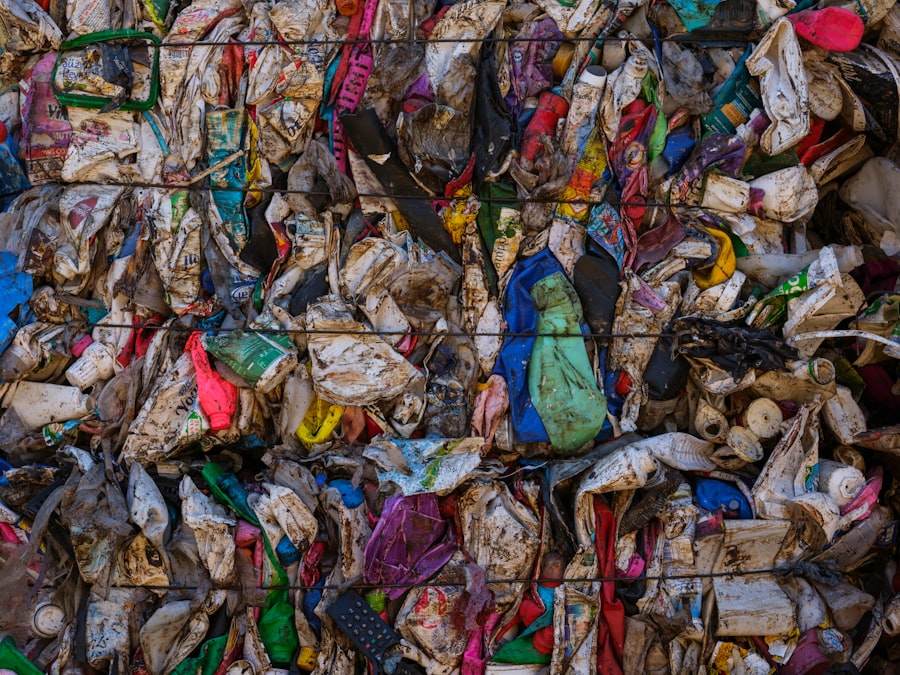
Contamination has far-reaching implications for the efficiency and effectiveness of MRF operations. When recyclables are tainted with non-recyclable materials, it can lead to increased processing times and higher operational costs. For instance, workers may need to spend additional time manually sorting through contaminated loads to extract valuable recyclables, which can slow down overall throughput.
Moreover, equipment may suffer damage or require more frequent maintenance due to the presence of foreign materials that were not intended for processing. The economic ramifications of contamination extend beyond immediate operational challenges. MRFs often rely on selling sorted materials to manufacturers who use them as feedstock for new products.
If the quality of these materials is compromised due to contamination, it can result in lower prices or even rejection by buyers. This situation not only affects the financial viability of MRFs but also undermines broader recycling efforts by reducing the overall supply of high-quality recycled materials available in the market.
Health and Safety Risks for MRF Workers
The presence of contaminants in MRFs poses significant health and safety risks for workers. Employees who handle mixed recyclables are often exposed to hazardous materials that can cause injuries or long-term health issues. For example, sharp objects like broken glass or metal can lead to cuts and lacerations, while hazardous waste items such as batteries may leak toxic substances that pose chemical risks.
Furthermore, the physical demands of sorting through contaminated materials can lead to musculoskeletal injuries over time. In addition to physical hazards, there are also psychological stressors associated with working in environments where contamination is prevalent. Workers may experience anxiety about potential exposure to harmful substances or injuries from sharp objects.
Ensuring a safe working environment is paramount for MRF operators, who must implement rigorous safety protocols and provide adequate training to employees on how to handle contaminants safely.
Strategies for Contamination Prevention at MRFs
| Metric | Description | Typical Range | Impact on Facility |
|---|---|---|---|
| Contamination Rate (%) | Percentage of non-recyclable materials in the input stream | 5% – 25% | Increases sorting difficulty and processing costs |
| Reject Rate (%) | Percentage of materials rejected after sorting due to contamination | 2% – 15% | Reduces overall recovery efficiency |
| Residue Rate (%) | Portion of waste sent to landfill after processing | 10% – 30% | Indicates contamination and sorting inefficiencies |
| Glass Contamination (%) | Proportion of broken glass mixed with other recyclables | 1% – 10% | Damages equipment and lowers material quality |
| Plastic Film Contamination (%) | Amount of plastic film mistakenly included in rigid plastic streams | 3% – 12% | Causes processing issues and reduces material value |
| Metal Contamination (%) | Non-ferrous metals found in non-metal streams | 0.5% – 5% | Complicates sorting and reduces purity |
| Organic Contamination (%) | Food waste and other organics mixed with recyclables | 2% – 8% | Leads to odor, equipment fouling, and material degradation |
To mitigate the impact of contamination on operations and worker safety, MRFs must adopt proactive strategies aimed at prevention. One effective approach is enhancing public education about proper recycling practices. By informing residents and businesses about what can and cannot be recycled, MRFs can reduce the volume of contaminants entering their facilities.
Outreach campaigns that utilize social media, community workshops, and informational materials can help raise awareness and encourage responsible recycling behaviors. Another strategy involves improving the design of recycling collection systems. Implementing dual-stream recycling—where residents separate recyclables into two distinct categories—can significantly reduce contamination rates compared to single-stream systems.
Additionally, investing in advanced sorting technologies such as optical sorters and AI-driven systems can enhance the ability of MRFs to identify and remove contaminants more efficiently during processing.
Importance of Public Education and Outreach
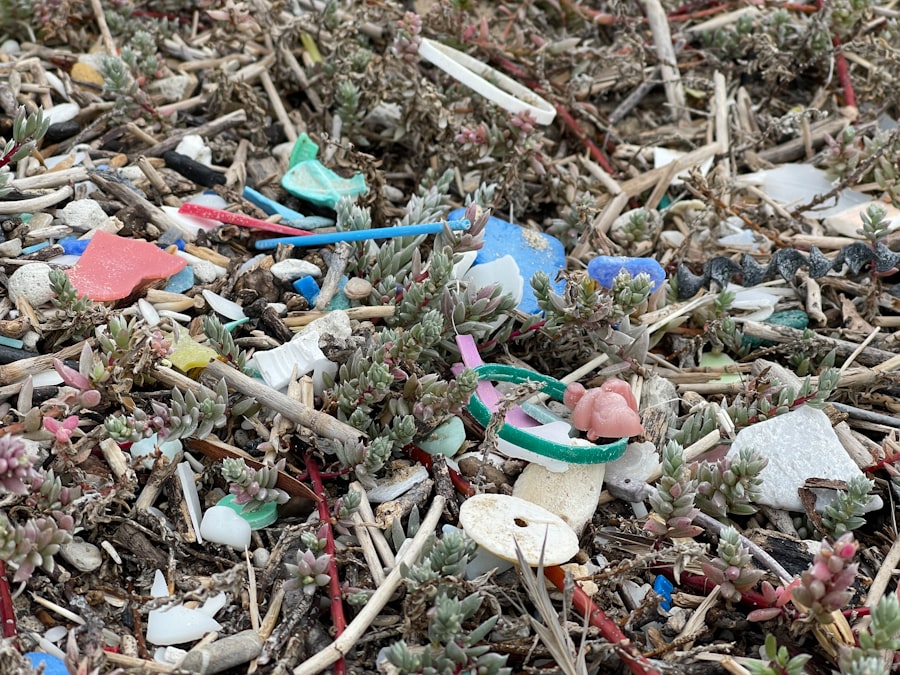
Public education plays a pivotal role in reducing contamination at MRFs. Many individuals remain unaware of proper recycling practices or may hold misconceptions about what materials are recyclable. By providing clear guidelines and resources, MRFs can empower communities to make informed decisions about their waste disposal habits.
Educational initiatives can take various forms, including school programs, community events, and digital campaigns that engage residents in discussions about sustainability. Moreover, outreach efforts can foster a sense of community responsibility towards recycling efforts.
Engaging local leaders and influencers in these educational campaigns can amplify their reach and effectiveness, ultimately leading to a more informed public that supports sustainable waste management practices.
Role of Technology in Contamination Detection and Sorting
Advancements in technology have revolutionized the way MRFs detect and sort contaminants within recyclable materials. Automated sorting systems equipped with sensors and artificial intelligence can identify various materials with remarkable accuracy. For instance, optical sorters use cameras to analyze the composition of materials on conveyor belts, allowing them to separate recyclables from contaminants swiftly.
This technology not only enhances efficiency but also reduces the reliance on manual labor for sorting tasks.
By identifying patterns in contamination types and sources, MRFs can adapt their strategies accordingly.
The integration of technology into contamination detection not only streamlines operations but also contributes to higher-quality outputs that meet market demands for recycled materials.
Collaboration with Waste Generators and Haulers
Collaboration between MRFs, waste generators, and haulers is essential for effective contamination management. Waste generators—including households, businesses, and institutions—play a critical role in ensuring that only appropriate materials enter the recycling stream. By fostering partnerships with these stakeholders, MRFs can develop tailored solutions that address specific contamination challenges within their communities.
Haulers also play a vital role in this collaboration by ensuring that collection practices align with best recycling standards. By working together to establish clear guidelines for acceptable materials and implementing effective communication strategies during collection processes, MRFs can significantly reduce contamination rates at the source. This collaborative approach not only enhances operational efficiency but also strengthens community engagement in sustainable waste management practices.
Regulatory and Compliance Issues Related to Contamination
Regulatory frameworks surrounding waste management and recycling often address contamination issues directly or indirectly. Compliance with local, state, and federal regulations is essential for MRFs to operate effectively while minimizing environmental impact. Regulations may dictate acceptable contamination levels in recycled materials or establish penalties for non-compliance that could affect an MRF’s operational license.
Moreover, regulatory bodies may require MRFs to implement specific measures aimed at reducing contamination rates as part of their operational permits. This oversight encourages facilities to adopt best practices in contamination management while holding them accountable for their environmental responsibilities. As regulations evolve in response to changing societal expectations regarding sustainability, MRFs must remain vigilant in adapting their operations to meet compliance requirements.
Case Studies of Successful Contamination Mitigation at MRFs
Examining case studies of successful contamination mitigation efforts provides valuable insights into effective strategies employed by various MRFs across the country. For instance, one facility implemented a comprehensive public education campaign that included workshops on proper recycling practices and distribution of informative brochures. As a result, they reported a significant decrease in contamination rates over a two-year period.
Another case study highlights an MRF that invested in advanced sorting technology capable of detecting specific contaminants with high precision. By integrating this technology into their operations, they were able to streamline their sorting processes while improving the quality of their output materials. These examples demonstrate that targeted interventions—whether through education or technological investment—can yield substantial benefits in reducing contamination levels at MRFs.
Future Trends and Innovations in Contamination Management at MRFs
As the recycling landscape continues to evolve, future trends in contamination management at MRFs will likely focus on innovation and sustainability. Emerging technologies such as blockchain may offer new ways to track materials throughout the recycling process, enhancing transparency and accountability among stakeholders involved in waste management. Additionally, there is a growing emphasis on circular economy principles that prioritize resource recovery and reuse over disposal.
This shift will necessitate ongoing collaboration between MRFs, manufacturers, consumers, and policymakers to create systems that minimize contamination while maximizing resource recovery potential. As society becomes increasingly aware of environmental challenges related to waste management, MRFs will play an essential role in shaping sustainable practices for future generations. In conclusion, Materials Recovery Facilities are integral components of modern waste management systems tasked with recovering valuable resources from discarded materials.
However, they face significant challenges related to contamination that impact their operations and worker safety. By implementing effective strategies for prevention, fostering public education initiatives, leveraging technology for detection and sorting, collaborating with stakeholders, adhering to regulatory frameworks, learning from successful case studies, and embracing future innovations, MRFs can enhance their efficiency while contributing positively to environmental sustainability efforts.
Contamination in materials recovery facilities (MRFs) is a significant issue that can hinder recycling efforts and increase operational costs. For a deeper understanding of the challenges faced by MRFs, you can read the article on this topic at this link. This article provides insights into the types of contaminants commonly found in recycling streams and discusses strategies for improving material recovery processes.
WATCH THIS! 🚨 THE RECYCLING LIE: How Big Oil Fooled the World for 50 Years 🚨
FAQs
What is a materials recovery facility (MRF)?
A materials recovery facility (MRF) is a specialized plant that receives, separates, and prepares recyclable materials for marketing to end-user manufacturers. MRFs sort mixed recyclables into distinct categories such as paper, plastics, metals, and glass.
What does contamination mean in the context of a materials recovery facility?
Contamination refers to non-recyclable or inappropriate materials mixed in with recyclables. This can include food waste, plastic bags, hazardous materials, or items that are not accepted by the facility, which can disrupt sorting processes and reduce the quality of recovered materials.
Why is contamination a problem at materials recovery facilities?
Contamination can cause operational challenges, increase processing costs, damage equipment, reduce the value of recyclable materials, and sometimes lead to entire batches being sent to landfill instead of being recycled.
What are common sources of contamination in MRFs?
Common sources include food residue on recyclables, plastic bags and films, non-recyclable plastics, hazardous waste, electronics, textiles, and improperly sorted materials from households or businesses.
How can contamination be reduced at materials recovery facilities?
Contamination can be reduced through public education on proper recycling practices, clear labeling of recyclable materials, improved sorting technology at MRFs, and policies that encourage or enforce correct waste separation.
What impact does contamination have on the environment?
Contamination can lead to increased landfill use, higher greenhouse gas emissions, and wasted resources because recyclable materials are not properly recovered and reused.
Are there any regulations addressing contamination in recycling streams?
Many regions have regulations and guidelines that set contamination limits for recyclable materials and require proper sorting and handling to minimize contamination in recycling streams.
How do materials recovery facilities handle contaminated materials?
MRFs may manually or mechanically remove contaminants during sorting, reject heavily contaminated loads, or send contaminated materials to landfill or incineration if they cannot be properly processed.
Can contamination affect the marketability of recycled materials?
Yes, contamination lowers the quality and purity of recycled materials, making them less attractive to manufacturers and reducing their market value.
What role do consumers play in preventing contamination at MRFs?
Consumers play a critical role by following local recycling guidelines, rinsing containers, avoiding placing non-recyclable items in recycling bins, and properly disposing of hazardous or special waste.