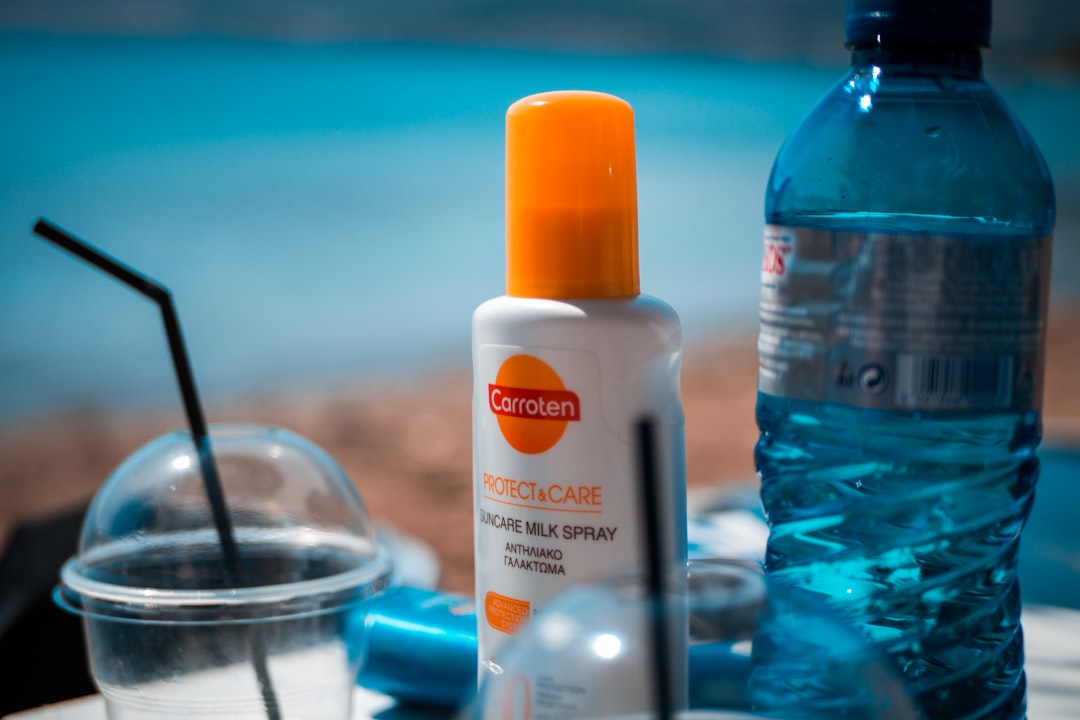
The Sunscreen Innovation Act was enacted in 2014 to address regulatory challenges in the approval of new sunscreen ingredients in the United States. Prior to this legislation, the approval process for new sunscreen active ingredients had created significant delays, preventing innovative formulations from reaching consumers despite scientific advances in UV protection technology. The act established a streamlined regulatory framework that provides manufacturers with clearer guidelines for introducing new active ingredients to the market.
This legislative change was prompted by the recognition that existing approval processes were insufficient to keep pace with scientific developments in sunscreen technology and growing consumer demand for improved sun protection products. The legislation responds to increasing public health concerns regarding UV radiation exposure and rising skin cancer rates. By facilitating the introduction of new sunscreen ingredients, the act aims to expand the range of available sun protection options and improve the overall effectiveness of sunscreen products accessible to consumers.
Key Takeaways
- The Sunscreen Innovation Act 2014 aims to accelerate the approval process for new sunscreen ingredients in the U.S.
- Historically, sunscreen regulation has been slow, limiting the availability of advanced sun protection products.
- The Act introduces specific timelines and requirements to encourage innovation and improve product safety.
- It impacts manufacturers by streamlining ingredient review but faces challenges related to regulatory complexity.
- The legislation holds potential benefits for public health by promoting more effective sunscreens and fostering industry growth.
History of sunscreen regulation in the United States
The regulation of sunscreen in the United States has a complex history that dates back several decades. Initially, sunscreens were classified as cosmetics, which meant they were subject to less stringent regulations than drugs. This classification allowed for a wide variety of products to enter the market without rigorous testing for safety and efficacy.
As you explore different sunscreens, it’s important to recognize that this lack of oversight led to inconsistencies in product quality and effectiveness. In 1978, the FDA began to take steps toward regulating sunscreens more rigorously, proposing a set of monographs that would define acceptable ingredients and labeling requirements. However, progress was slow, and many new ingredients remained unapproved for years.
As a consumer, you may have noticed that while some countries embraced innovative formulations, the U.S. market lagged behind. This disparity highlighted the urgent need for reform, ultimately paving the way for the Sunscreen Innovation Act.
The need for innovation in sunscreen products

As you consider your sun protection options, it’s clear that innovation in sunscreen products is not just desirable but necessary. The traditional formulations often contain limited active ingredients, which may not provide adequate protection against the full spectrum of UV radiation. With increasing research revealing the harmful effects of UV exposure, including skin cancer and premature aging, there is a pressing demand for more effective and diverse sunscreen options.
Moreover, consumer preferences have evolved over time. You may be seeking sunscreens that are not only effective but also environmentally friendly and suitable for sensitive skin. The need for innovation extends beyond just efficacy; it encompasses factors such as texture, scent, and ease of application.
As consumers become more educated about skincare ingredients and their potential impacts on health and the environment, manufacturers must respond with innovative solutions that meet these expectations.
Overview of the Sunscreen Innovation Act 2014
The Sunscreen Innovation Act was introduced as a response to the stagnation in sunscreen ingredient approvals. It aimed to create a more efficient regulatory framework that would encourage innovation while ensuring consumer safety. Under this act, manufacturers are provided with a clear pathway to submit new active ingredients for review by the FDThis streamlined process is designed to reduce the time it takes for new formulations to reach the market, ultimately benefiting you as a consumer.
The act also emphasizes collaboration between the FDA and manufacturers, fostering an environment where scientific research can inform regulatory decisions. By facilitating communication and transparency, the Sunscreen Innovation Act aims to create a more responsive regulatory landscape that can adapt to emerging scientific evidence and consumer needs. As you explore new sunscreen options, this act plays a crucial role in ensuring that innovative products are available to you in a timely manner.
Key provisions and requirements of the Sunscreen Innovation Act 2014
| Metric | Details |
|---|---|
| Bill Name | Sunscreen Innovation Act |
| Year Introduced | 2014 |
| Congress Session | 113th United States Congress |
| Purpose | To expedite the review process for new sunscreen ingredients by the FDA |
| Key Provisions | Establishes deadlines for FDA review, creates a process for ingredient approval |
| Impact on FDA Review Time | Intended to reduce review time from years to months |
| Number of New Ingredients Approved Post-Act | Limited; only a few new ingredients approved since 2014 |
| Stakeholders Involved | FDA, sunscreen manufacturers, dermatologists, consumer safety groups |
| Status | Signed into law on November 26, 2014 |
The Sunscreen Innovation Act includes several key provisions designed to enhance the regulatory process for sunscreen ingredients. One of the most significant aspects is the establishment of a new review process for active ingredients that have not yet been approved by the FDThis process allows manufacturers to submit data on safety and efficacy more efficiently, which can lead to quicker approvals. Additionally, the act mandates that the FDA must prioritize reviews based on specific criteria, such as public health impact and potential benefits to consumers.
This prioritization ensures that ingredients with the most promise for improving sun protection are evaluated first. As you consider your options for sun protection, knowing that there is a structured process in place for evaluating new ingredients can provide peace of mind regarding their safety and effectiveness.
Impact of the Sunscreen Innovation Act on sunscreen manufacturers

The Sunscreen Innovation Act has had a profound impact on sunscreen manufacturers by encouraging them to invest in research and development for new active ingredients. With a clearer pathway for approval, companies are more likely to explore innovative formulations that can offer enhanced protection against UV radiation. This shift not only benefits manufacturers by expanding their product lines but also enhances competition within the industry.
As a consumer, you may notice an increase in the variety of sunscreen products available on store shelves as manufacturers respond to this legislative change.
Whether you prefer mineral-based sunscreens or chemical formulations, the act has paved the way for more choices that align with your individual needs.
Implications for consumers and public health
The implications of the Sunscreen Innovation Act extend beyond just product availability; they also have significant ramifications for public health. With improved access to innovative sunscreen products, consumers like you can better protect yourself from harmful UV radiation. This is particularly important given the rising rates of skin cancer and other UV-related health issues.
Moreover, as manufacturers develop new formulations that are more effective and user-friendly, you may find it easier to incorporate sun protection into your daily routine. The act encourages products that are not only effective but also appealing in terms of texture and application methods. This can lead to higher compliance rates among consumers who may have previously avoided using sunscreen due to concerns about greasiness or residue.
Potential benefits of the Sunscreen Innovation Act for the sunscreen industry
The Sunscreen Innovation Act presents numerous potential benefits for the sunscreen industry as a whole. By streamlining the approval process for new ingredients, manufacturers can bring innovative products to market more quickly, allowing them to stay competitive in an ever-evolving landscape. This agility can lead to increased sales and market share as consumers seek out cutting-edge formulations.
Additionally, as public awareness of sun safety continues to grow, there is an opportunity for manufacturers to position themselves as leaders in innovation and safety. By investing in research and development aligned with the provisions of the act, companies can enhance their reputations and build trust with consumers like you who prioritize effective sun protection.
Challenges and criticisms of the Sunscreen Innovation Act
Despite its many benefits, the Sunscreen Innovation Act has faced challenges and criticisms since its inception. Some critics argue that while the act streamlines approval processes, it may not adequately address concerns about ingredient safety or long-term health effects. As a consumer, it’s essential to remain informed about these discussions and consider how they might impact your choices.
Furthermore, there are concerns about whether all manufacturers will have equal access to resources needed for research and development under this act. Smaller companies may struggle to compete with larger corporations that have more substantial financial backing. This disparity could limit innovation in certain segments of the market, potentially affecting your access to diverse product options.
Future outlook for sunscreen innovation and regulation
Looking ahead, the future of sunscreen innovation and regulation appears promising yet complex. As scientific research continues to evolve, there will likely be ongoing discussions about ingredient safety and efficacy standards. The Sunscreen Innovation Act has laid a foundation for progress; however, it will require continuous collaboration between regulators, manufacturers, and consumers like you to ensure that advancements align with public health needs.
The future landscape will likely see a convergence of innovation focused not only on efficacy but also on sustainability—a trend that aligns with your growing awareness of environmental issues.
Conclusion and implications for the future of sunscreen products
In conclusion, the Sunscreen Innovation Act represents a pivotal moment in the evolution of sunscreen regulation in the United States. By facilitating innovation and streamlining approval processes, this legislation has opened doors for manufacturers while enhancing consumer access to effective sun protection products. As you navigate your choices in sun care, understanding this act empowers you to make informed decisions about your health and well-being.
The implications of this act extend far beyond regulatory frameworks; they touch upon public health outcomes and environmental considerations as well. As we look toward the future, it is essential for all stakeholders—regulators, manufacturers, and consumers—to engage in ongoing dialogue about safety standards and innovative practices. By doing so, we can collectively ensure that sunscreen products continue to evolve in ways that prioritize both efficacy and sustainability for generations to come.
The Sunscreen Innovation Act of 2014 was a significant step towards modernizing the regulatory framework for sunscreen products in the United States, aiming to expedite the approval process for new ingredients. For more insights into the impact of such legislative measures on consumer safety and product innovation, you can read a related article on this topic at Hey Did You Know This.
FAQs
What is the Sunscreen Innovation Act of 2014?
The Sunscreen Innovation Act of 2014 is a law passed by the United States Congress aimed at expediting the review and approval process for new sunscreen ingredients by the Food and Drug Administration (FDA).
Why was the Sunscreen Innovation Act of 2014 enacted?
The Act was enacted to address delays in the FDA’s approval of new sunscreen ingredients, which had not been updated for decades, thereby encouraging innovation and improving public access to advanced sun protection products.
How does the Sunscreen Innovation Act affect the FDA’s review process?
The Act establishes specific timelines for the FDA to review and respond to applications for new sunscreen ingredients, promoting faster decision-making and reducing regulatory backlog.
Does the Sunscreen Innovation Act of 2014 introduce new sunscreen ingredients?
No, the Act itself does not introduce new ingredients but facilitates the FDA’s ability to review and approve new ingredients submitted by manufacturers more efficiently.
Who benefits from the Sunscreen Innovation Act?
Consumers benefit from improved access to innovative and potentially more effective sunscreen products, while manufacturers benefit from a clearer and faster regulatory pathway for new ingredients.
Has the Sunscreen Innovation Act of 2014 been effective?
The Act has helped streamline the FDA’s review process, but some stakeholders argue that challenges remain in bringing new sunscreen ingredients to market promptly.
Is the Sunscreen Innovation Act applicable outside the United States?
No, the Act is a U.S. federal law and applies only to the regulatory processes within the United States.
Where can I find more information about the Sunscreen Innovation Act of 2014?
More information can be found on official government websites such as the U.S. Food and Drug Administration (FDA) and the U.S. Congress legislative archives.