Mass timber and concrete represent two significant approaches to modern construction, each with its own set of material properties, construction methodologies, and implications for the built environment. While concrete has been a dominant force in construction for decades, mass timber has emerged as a compelling alternative, particularly in recent years, driven by a confluence of environmental concerns, technological advancements, and evolving aesthetic preferences. This article will delve into a comparative analysis of these two materials, examining their performance characteristics, sustainability profiles, economic considerations, and practical applications.
Concrete: A Composite Material
Concrete is a robust composite material fundamentally composed of cement, aggregate (typically sand and gravel), and water. When mixed, these ingredients undergo a chemical reaction known as hydration, which causes the cement to harden and bind the aggregate together into a solid mass. The exact performance characteristics of concrete can be significantly influenced by its mix design, including the type of cement used, the size and grading of aggregates, the water-to-cement ratio, and the inclusion of admixtures. Admixtures, for instance, can be employed to alter properties such as workability, setting time, strength, durability, and resistance to chemical attack. The resulting material is dense, strong in compression, and remarkably durable, making it a foundational element in a vast array of structural applications. Its inherent fire resistance is also a notable attribute, contributing to its widespread use in buildings where occupant safety is paramount.
Mass Timber: Engineered Wood Products
Mass timber refers to a family of engineered wood products that are glued or mechanically fastened together to form solid wood structural elements. Unlike traditional lumber, mass timber components are manufactured to precise specifications, allowing for the creation of large-scale structural members such as cross-laminated timber (CLT), glued-laminated timber (glulam), and nail-laminated timber (NLT).
Cross-Laminated Timber (CLT)
CLT is a panel product made by layering lumber in alternating directions and bonding them together with adhesives. This cross-laminated structure imparts exceptional strength and stability to the panels, allowing them to function effectively as load-bearing walls, floors, and roofs. The directional lamination maximizes the material’s potential, providing good performance in both tension and compression, and contributing to its dimensional stability.
Glued-Laminated Timber (Glulam)
Glulam is produced by bonding together kiln-dried lumber lamellas into precisely sized structural members. These members can be manufactured in a variety of shapes and sizes, including straight beams, curved beams, and columns. Glulam’s strength and stiffness are achieved through the careful selection and arrangement of individual lumber pieces, allowing for efficient load transfer and the creation of long-span structures.
Nail-Laminated Timber (NLT)
NLT consists of layers of dimensional lumber laid on edge and fastened together with nails. This method is generally simpler and more cost-effective than CLT or glulam, and it is often used for floor and roof decks. While NLT may not possess the same level of engineered precision as other mass timber products, it still offers a solid wood structural solution.
The inherent properties of wood, such as its relatively low density compared to concrete, influence its performance in structural and thermal applications. While wood is combustible, mass timber products, due to their large cross-sections, exhibit predictable charring behavior during fires, which can act as an insulator, protecting the unburned core for a significant period.
In the ongoing debate between mass timber and concrete construction, a fascinating article explores the environmental benefits and challenges of using sustainable materials in building design. For those interested in understanding the implications of these construction methods, you can read more about it in this insightful piece at Hey Did You Know This. This article delves into the lifecycle assessments of both materials, highlighting how mass timber can significantly reduce carbon footprints compared to traditional concrete structures.
Structural Performance and Load-Bearing Capacity
Concrete’s Compressive Strength and Versatility
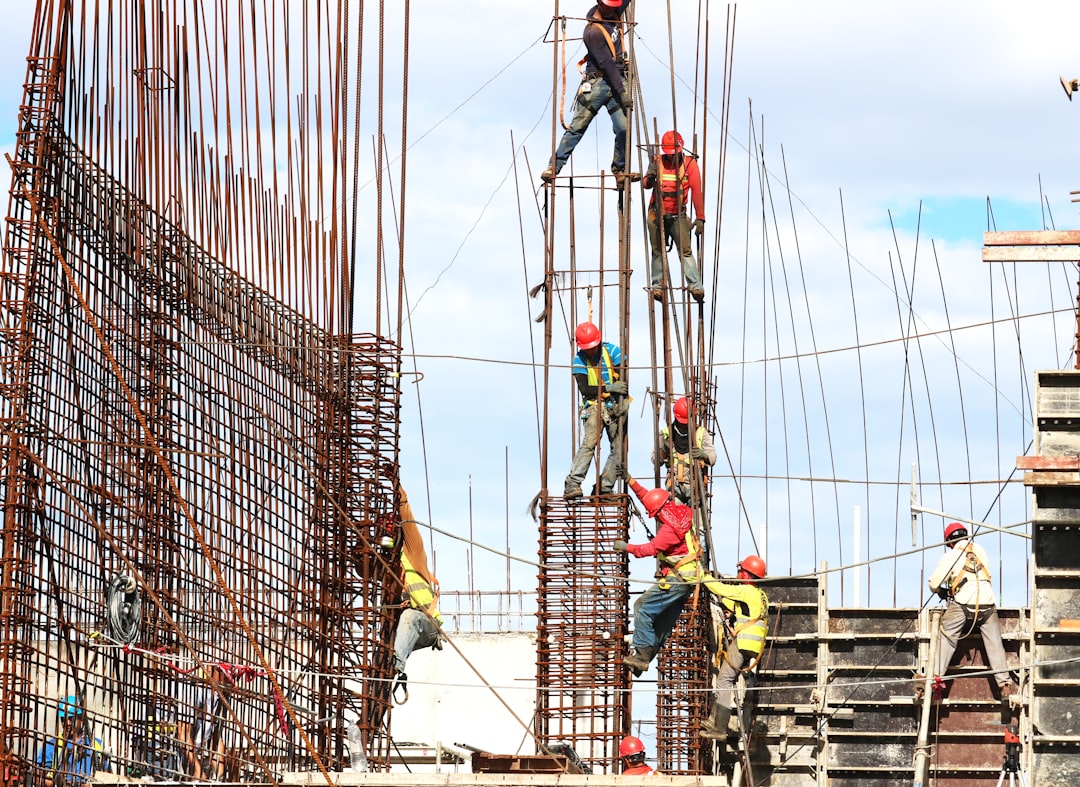
Concrete’s primary strength lies in its exceptional compressive strength. This makes it ideal for foundations, columns, and load-bearing walls where significant vertical forces are exerted. Its ability to be cast into virtually any shape provides architects and engineers with immense design flexibility, enabling the creation of complex forms and intricate structural elements. The homogeneous nature of properly mixed concrete ensures consistent performance throughout the material. Reinforcement, typically steel rebar, is incorporated into concrete to enhance its tensile strength, allowing it to resist bending and shear forces. This composite action between concrete and steel is fundamental to modern reinforced concrete construction, enabling the construction of tall buildings, bridges, and other large-scale infrastructure.
The durability and longevity of concrete are well-established. When properly designed and maintained, concrete structures can withstand harsh environmental conditions, including exposure to moisture, freeze-thaw cycles, and chemical attack, for many decades. This inherent resilience contributes to its reputation as a reliable and long-lasting construction material.
Mass Timber’s Strength-to-Weight Ratio and Span Capabilities
Mass timber, in comparison to concrete, offers a superior strength-to-weight ratio. This means that for a given load-bearing capacity, mass timber elements are significantly lighter than their concrete counterparts. This lighter weight can translate into several advantages, including reduced foundation requirements, lower transportation costs, and a shallower structural depth, which can increase usable interior space.
The engineered nature of mass timber products allows for the creation of long-span structural elements. Glulam beams, for example, can be manufactured to span considerable distances without the need for intermediate supports, opening up possibilities for open-plan interiors and flexible space planning. CLT panels can also span significant distances, providing efficient floor and roof structures. The predictability of mass timber’s structural performance, due to its manufacturing processes, is a key advantage for engineers designing complex structures.
While concrete excels in compression, mass timber exhibits good performance in both tension and compression. This is particularly evident in the design of CLT panels, where the cross-laminated layers distribute stresses effectively, providing robust structural integrity. The connection details between mass timber elements are crucial for ensuring efficient load transfer and overall structural stability. These connections often involve specialized hardware such as steel plates, bolts, and dowels, which are carefully designed to meet engineering requirements.
Sustainability and Environmental Impact
Concrete’s Embodied Carbon and Manufacturing Footprint
The production of concrete is associated with a significant carbon footprint. The manufacturing of cement, the key binder in concrete, is an energy-intensive process that releases substantial amounts of carbon dioxide (CO2) into the atmosphere. This embodied carbon, the CO2 emitted during the extraction of raw materials, manufacturing, transportation, and construction, is a primary environmental concern for concrete. While advancements in cement technology are continually being made to reduce these emissions, it remains a substantial challenge.
The extraction of raw materials for concrete, such as limestone and clay for cement, and sand and gravel for aggregate, can also lead to habitat disruption and landscape alteration. Water consumption during the mixing and curing processes also contributes to the overall environmental impact. However, the long lifespan of concrete structures can offset some of these initial environmental burdens. Furthermore, the recyclability of concrete, broken down and reused as aggregate in new concrete mixes, offers a pathway towards a more circular economy in construction.
Mass Timber’s Carbon Sequestration and Renewable Nature
Mass timber presents a compelling case for its environmental benefits, primarily due to its ability to sequester carbon. Trees absorb CO2 from the atmosphere during their growth, and this carbon is stored within the wood. When responsibly harvested from sustainably managed forests, mass timber products effectively lock away this carbon for the life of the building. This process can result in buildings that are carbon-neutral or even carbon-negative in terms of their embodied carbon.
Wood is a renewable resource, provided that forestry practices are sustainable. This means that for every tree harvested, new trees are planted to ensure the long-term availability of timber for construction. The energy required for the processing and manufacturing of mass timber products is generally lower than that for concrete production, further contributing to its favorable environmental profile. Transportation of mass timber can also be less energy-intensive due to its lighter weight compared to concrete.
However, it is crucial to acknowledge that not all timber harvesting is sustainable. Deforestation and unsustainable forestry practices can lead to significant environmental degradation, including biodiversity loss and soil erosion. Therefore, the sourcing of mass timber from certified sustainable forests is paramount to realizing its environmental potential.
Fire Performance and Durability Considerations

Concrete’s Inherent Fire Resistance and Durability
Concrete’s inherent fire resistance is one of its most significant advantages. It is a non-combustible material that can withstand high temperatures for extended periods without significant loss of structural integrity. This property contributes to the fire safety of buildings constructed with concrete, providing a crucial barrier against the spread of flames and smoke. The dense nature of concrete also makes it resistant to the ingress of moisture, which can contribute to long-term durability and prevent issues such as mold growth and material degradation.
Over time, concrete can be susceptible to degradation from various sources, including chemical attack (e.g., sulfates, acids), freeze-thaw cycles in colder climates, and carbonation, which can reduce its alkalinity and make steel reinforcement more prone to corrosion. However, with proper design, mix proportions, and protective measures, concrete structures can achieve remarkable durability and longevity, often extending for a century or more. Regular inspection and maintenance are essential to address any signs of degradation and ensure the continued performance of concrete structures.
Mass Timber’s Charring Mechanism and Durability Challenges
Mass timber’s fire performance is fundamentally different from concrete. While wood is combustible, mass timber products are designed to char in a controlled manner. When exposed to fire, the outer layers of the wood char, forming a protective layer that insulates the unburned core of the timber element. This charring rate is predictable and slow, allowing the structural integrity of the timber to be maintained for a specified period, typically determined by building codes and the size of the timber element. This inherent fire resistance of mass timber has been a significant factor in its broader acceptance for multi-story buildings.
The durability of mass timber against moisture and biological agents (e.g., insects, fungi) is another important consideration. Untreated wood can be susceptible to decay and insect infestation if exposed to prolonged moisture. However, modern mass timber products often incorporate measures to enhance their durability. This can include kiln-drying the wood to reduce moisture content, using adhesives that offer some protection, and designing buildings to effectively manage moisture ingress. Protective coatings and treatments can also be applied to enhance resistance to fire, insects, and rot. Proper detailing and building envelope design are critical to protecting mass timber structures from environmental damage.
In the ongoing debate between mass timber and concrete construction, many experts highlight the environmental benefits of using sustainable materials. A recent article explores how mass timber not only reduces carbon emissions but also offers aesthetic advantages over traditional concrete structures. For more insights on this topic, you can read the full discussion in this related article. As the construction industry evolves, understanding the implications of these materials becomes increasingly important for architects and builders alike.
Economic Factors: Cost, Labor, and Lifecycle Considerations
| Metrics | Mass Timber Construction | Concrete Construction |
|---|---|---|
| Construction Time | Shorter construction time due to prefabrication | Longer construction time due to curing of concrete |
| Environmental Impact | Lower carbon footprint and use of renewable materials | Higher carbon footprint and energy-intensive production |
| Cost | Can be cost competitive, especially for mid-rise buildings | Higher initial cost but lower maintenance cost over time |
| Fire Resistance | Good fire resistance due to charring of wood | High fire resistance due to non-combustible materials |
| Structural Performance | Lightweight but strong, suitable for seismic areas | Heavy and strong, suitable for high-rise buildings |
Concrete: Established Supply Chains and Skilled Labor
Concrete has a well-established and mature supply chain. The raw materials – cement, aggregate, and water – are widely available, and there is a vast network of suppliers and manufacturers globally. This widespread availability and the long history of its use have led to competitive pricing for concrete and its components. The labor force for concrete construction is also generally plentiful and well-trained, with a long tradition of experience in casting, finishing, and structural work. This familiarity with concrete construction can lead to predictable construction schedules and potentially lower labor costs in many regions.
However, the cost of concrete can be influenced by factors such as transportation distances for raw materials, regional labor rates, and the complexity of the formwork required for specific designs. The energy-intensive nature of cement production also contributes to its cost. While concrete structures can have a long lifespan, the maintenance and repair costs associated with concrete, particularly if it experiences degradation, can become significant over the lifecycle of the building.
Mass Timber: Growing Market and Potential Cost Efficiencies
The mass timber market is experiencing significant growth, leading to an expansion of manufacturing capacity and increasing competition among producers. While in some regions mass timber can still be more expensive upfront than traditional concrete construction, particularly for smaller projects where economies of scale have not yet been fully realized, its cost is becoming increasingly competitive. Several factors contribute to this trend, including advancements in manufacturing technology, improved logistics, and a growing demand for sustainable building materials.
The prefabrication of mass timber components in controlled factory environments can lead to faster on-site assembly, potentially reducing overall construction time and labor costs. The lighter weight of mass timber can also translate into savings on foundation and transportation expenses. Furthermore, the potential for carbon sequestration can offer economic advantages through carbon credits or a reduced environmental impact valuation.
The lifecycle cost of mass timber buildings is also an important consideration. While initial material and labor costs are being favorably compared to concrete, the long-term durability and maintenance requirements are being further understood and optimized through ongoing research and construction experience. The recyclability of wood at the end of a building’s life also contributes to its lifecycle economic profile.
Applications and Architectural Potential
Concrete: Ubiquitous in Infrastructure and Tall Buildings
Concrete’s versatility and proven performance have made it the material of choice for a vast array of applications. It is the backbone of modern infrastructure, forming the foundations, columns, and decks of bridges, highways, and dams. In the building sector, concrete is extensively used for foundations, structural frames of high-rise buildings, residential foundations, and commercial structures. Its ability to be cast into complex shapes allows for the realization of daring architectural visions, from sweeping curves to cantilevered structures. Reinforced concrete is particularly well-suited for high-rise construction, where its compressive strength and durability are essential for stability and occupant safety. The fire resistance of concrete also makes it a preferred material for buildings with stringent fire safety regulations.
The ubiquity of concrete means that its use is ingrained in building codes and construction practices worldwide, making it a familiar and readily specified material for architects and engineers. Its ability to provide a robust and durable shell for any building type ensures its continued dominance in many sectors of the construction industry.
Mass Timber: Emerging as a Viable Alternative for Mid-Rise and Beyond
Mass timber is increasingly being recognized for its potential to move beyond traditional applications and compete with concrete in a wider range of building typologies. It has proven highly effective for mid-rise residential and commercial buildings, where its strength, lighter weight, and faster construction times offer significant advantages. The aesthetic appeal of exposed mass timber elements is also driving its adoption, contributing to warm, inviting interior spaces.
As manufacturing processes and structural engineering techniques continue to advance, the height limitations for mass timber buildings are being pushed. Innovative connection designs and hybrid structures that combine mass timber with other materials are enabling the construction of taller and more complex mass timber buildings. The growing interest in biophilic design, which seeks to connect building occupants with nature, is also favoring the use of wood, and mass timber provides a way to incorporate this material at a structural level. Mass timber’s potential for prefabrication makes it suitable for modular construction approaches, offering further efficiencies in design and build timelines. The architectural freedom offered by mass timber, while presenting new design opportunities, also requires a nuanced understanding of its structural and material properties to achieve successful and innovative outcomes.
FAQs
What is mass timber construction?
Mass timber construction refers to a type of building construction that uses large solid wood panels for wall, floor, and roof construction. It includes various types of engineered wood products such as cross-laminated timber (CLT), glue-laminated timber (glulam), and laminated veneer lumber (LVL).
What is concrete construction?
Concrete construction involves the use of concrete as the primary building material for walls, floors, and other structural elements. It typically involves pouring concrete into formwork and allowing it to cure and harden to create a solid and durable structure.
What are the benefits of mass timber construction?
Mass timber construction offers several benefits, including faster construction times, reduced carbon emissions, improved thermal performance, and a lighter environmental footprint compared to traditional construction materials. It also provides a natural and aesthetically pleasing interior environment.
What are the benefits of concrete construction?
Concrete construction offers benefits such as durability, fire resistance, and the ability to withstand extreme weather conditions. It also provides excellent sound insulation and can be used for a wide range of building types, from residential to commercial and industrial structures.
What are the differences between mass timber and concrete construction?
The main differences between mass timber and concrete construction lie in their materials, construction methods, environmental impact, and aesthetic qualities. Mass timber construction is known for its sustainability and natural warmth, while concrete construction is valued for its strength, durability, and versatility. Both methods have their own unique advantages and considerations for different types of building projects.