Comparing Construction Sand and Desert Sand: What You Need to Know
The ubiquitous presence of sand in both industrial and natural settings often leads to a simplistic view of this granular material. However, a closer examination reveals fundamental differences between construction sand and desert sand, impacting their suitability for various applications and understanding their ecological significance. While both consist primarily of finely divided rock and mineral particles, their origins, composition, physical properties, and intended uses diverge significantly. This article will delve into these distinctions, providing a comprehensive overview for anyone requiring a nuanced understanding of these two distinct types of sand.
The fundamental differences between construction sand and desert sand stem from their formation processes and geological environments. Understanding these origins is crucial for appreciating their inherent characteristics.
The Genesis of Construction Sand
Construction sand, often referred to as manufactured sand or aggregate sand, is not a naturally occurring deposit readily available for extraction in the same manner as its desert counterpart. Instead, it is a product of deliberate processing.
Quarrying and Crushing Processes
The primary source of construction sand is the quarrying of larger rock formations, such as granite, basalt, limestone, or sandstone. These rocks are then subjected to rigorous crushing and screening processes. This mechanical breakdown transforms the coarse rock into sand-sized particles. The specific type of rock quarried dictates the mineral composition and, consequently, the color and durability of the resulting sand. For example, crushing granite will yield a sand with a higher quartz content compared to crushing limestone.
Riverbed and Seafloor Dredging
In some regions, construction sand can also be sourced from riverbeds and the seafloor. These deposits, while naturally occurring, often require dredging and subsequent processing to remove impurities and achieve the desired particle size distribution. Environmental regulations play a significant role in governing these extraction methods, as unchecked dredging can lead to habitat destruction and erosion. The composition of riverbed and seafloor sand can vary greatly depending on the surrounding geology and the erosive forces at play.
The Formation of Desert Sand
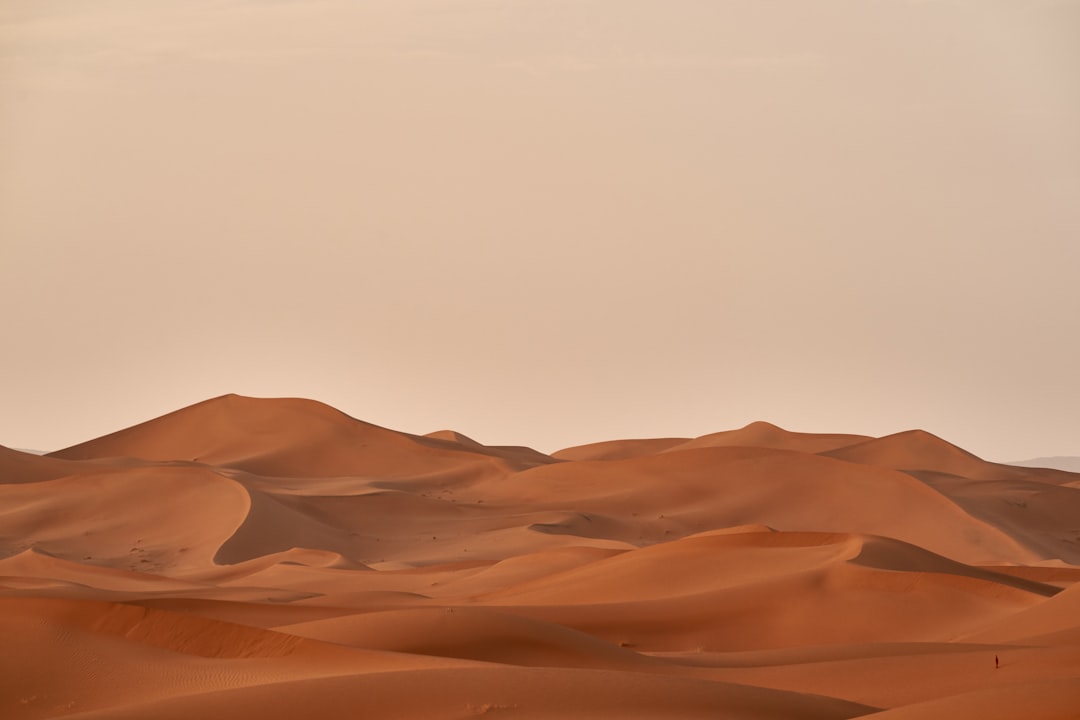
Desert sand, in contrast, is a product of vast geological timescales and the relentless forces of weathering and erosion operating in arid environments. Its formation is a slower, more passive process.
The Role of Weathering and Erosion
The breakdown of rocks into desert sand is primarily driven by physical weathering processes. Temperature fluctuations cause rocks to expand and contract, leading to the formation of cracks and fissures. Wind abrasion, a significant factor in desert environments, bombards rock surfaces with sand particles, gradually wearing them down. This sandblasting effect is a hallmark of desert landscapes. Chemical weathering, while less prominent than in humid climates, also contributes to the dissolution and alteration of mineral components over extended periods.
The Influence of Climate and Geology
Arid climates are characterized by low rainfall and extreme temperature variations, conditions that favor physical weathering over chemical weathering. The prevalent geology of a desert region also dictates the primary mineral composition of its sands. Regions with abundant quartz-rich rocks will naturally produce quartz-dominated desert sands, which are known for their hardness and resistance to further erosion. Conversely, deserts formed from younger, less weathered rock formations might exhibit a wider range of mineral compositions.
In the ongoing debate about the suitability of construction sand versus desert sand, an insightful article can be found that delves into the properties and applications of these two types of sand. The article highlights how construction sand, with its angular grains, provides better compaction and stability for building projects, while desert sand, being rounded and smooth, poses challenges in construction. For more detailed information on this topic, you can read the related article [here](https://www.heydidyouknowthis.com/sample-page/).
Compositional Differences
The distinct origins of construction and desert sand result in significant differences in their mineralogical and chemical composition, which directly affects their properties and suitability for specific applications.
Mineralogical Makeup of Construction Sand
The mineralogy of construction sand is largely determined by the parent rock from which it is derived through crushing.
Quartz Dominance and Other Silicates
Quarried rocks like granite and basalt are rich in silicate minerals. Consequently, construction sand often contains a significant proportion of quartz (SiO₂), feldspar, and mica. Quartz, due to its hardness and inertness, is a highly desirable component for its durability and resistance to chemical attack. The presence of feldspar can contribute to the sand’s overall strength, while mica, depending on its type and abundance, can affect workability and bonding characteristics.
Variability Based on Source Material
The precise mineralogical makeup of construction sand can vary considerably. Sand derived from limestone quarries will be predominantly calcium carbonate (CaCO₃), offering different properties compared to silicate-based sands. Aggregates from volcanic rocks might introduce unique mineral phases. This variability is managed through careful sourcing and quality control to ensure consistency for construction projects.
Mineralogical Makeup of Desert Sand
Desert sand, having undergone prolonged weathering, often exhibits a higher degree of mineralogical homogeneity, with certain minerals being more resistant to the erosive forces.
The Prevalence of Quartz
Quartz grains are exceptionally durable and resistant to physical and chemical weathering. As a result, desert sands, particularly those found in older, more established deserts, are often dominated by quartz. This high quartz content contributes to the characteristic fine, rounded grains of typical desert sand. Other silicate minerals may be present, but they are usually in smaller proportions, having been preferentially broken down or altered.
Presence of Other Weathered Minerals
While quartz is dominant, desert sands can also contain other weathered mineral fragments. These may include feldspar that has undergone some degree of alteration, or even small fragments of more readily weathered minerals that have not been completely removed by aeolian processes. The color of desert sand is often an indicator of its mineral composition and the presence of trace elements or iron oxides formed during weathering. For instance, the reddish hues of some desert sands are attributed to the oxidation of iron.
Physical Properties and Characteristics

The contrasting origins and compositions of construction and desert sand lead to distinct physical properties, influencing their behavior in handling, mixing, and structural applications.
Particle Shape and Texture (Construction Sand)
The mechanical processes involved in producing construction sand result in specific particle shapes and textures.
Angularity and Sharpness
Crushed rock particles, by their very nature, tend to be angular and have sharp edges. This angularity is a critical characteristic for construction sand. The interlocking nature of these sharp particles provides excellent frictional resistance, leading to increased strength and stability in concrete and mortar mixes. This interlocking is fundamental to the load-bearing capacity of construction materials.
Graded Particle Sizes
Through screening, construction sand is produced with a well-defined and graded particle size distribution. This grading ensures optimal packing density, minimizing voids within the material. A well-graded sand allows for efficient mixing with cement and water, creating a cohesive and workable mixture. The absence of excessive fine particles (fines) is often desired to prevent issues like segregation and to ensure better hydration of cement.
Particle Shape and Texture (Desert Sand)
Desert sand, shaped by prolonged natural processes, exhibits different physical attributes.
Roundness and Smoothness
The relentless action of wind abrasion and transport, coupled with the inherent durability of quartz, leads to the formation of smooth, rounded sand grains. These rounded particles lack the interlocking ability of their angular construction counterparts. Consequently, when used in construction, desert sand tends to produce weaker and less stable materials due to the increased void spaces between the grains.
Natural Sorting and Variability
Desert sand formations are often the result of natural sorting processes carried out by wind over vast periods. This can lead to a more uniform particle size within a particular dune or deposit, but the overall particle size distribution can vary significantly from one desert location to another. The presence of very fine dust particles or larger, unweathered pebbles can also be present, depending on the specific erosion and transport history of the area.
Applications and Suitability

The distinct properties of construction sand and desert sand dictate their respective uses, with little overlap in effective application.
Construction Sand in the Built Environment
Construction sand is an indispensable material in the modern construction industry due to its engineered properties.
Concrete and Mortar Production
The primary application of construction sand is as an aggregate in concrete and mortar. Its angularity and graded particle size ensure optimal strength, durability, and workability of these essential building materials. The interlocking of the sand particles contributes significantly to the compressive strength of concrete, enabling it to bear substantial loads.
Asphalt Paving and Road Construction
Construction sand is also a vital component in asphalt mixes used for paving roads and other surfaces. Its properties contribute to the stability, load-bearing capacity, and resistance to deformation of asphalt pavements. The sand acts as a binder, filling voids and providing a smooth, durable surface.
Other Construction Uses
Beyond concrete and asphalt, construction sand finds applications in backfilling, drainage layers, pipe bedding, and as a component in plaster and stucco mixtures. Its consistent quality and predictable performance make it a reliable material across a wide spectrum of construction tasks.
Desert Sand and Environmental Considerations
Desert sand, while abundant in certain regions, is generally unsuitable for direct use in most construction applications.
Unsuitability for Structural Applications
Due to its rounded particles and lack of interlocking properties, desert sand, when used as a primary aggregate in concrete or mortar, results in significantly weaker and less durable materials. The increased void spaces lead to reduced compressive strength and a higher susceptibility to degradation.
Ecological and Conservation Concerns
The extraction of desert sand for any purpose raises significant ecological and conservation concerns. Deserts are fragile ecosystems with unique flora and fauna that can be severely impacted by large-scale sand extraction. Habitat destruction, altered wind patterns, and the disruption of natural hydrological processes are potential consequences. Furthermore, the aesthetic and cultural value of desert landscapes can be diminished.
Limited Niche Applications
In very specific, non-structural applications, desert sand might find limited use. For instance, it can be utilized in landscaping, as a component in decorative aggregates, or in certain types of specialized manufacturing processes where its specific texture or composition is required and where structural integrity is not a concern. However, these applications are rare and often subject to careful consideration of environmental impact.
In the ongoing debate about the suitability of construction sand versus desert sand, many experts highlight the critical differences in their properties and applications. For a deeper understanding of this topic, you can explore a related article that discusses the challenges and innovations in sourcing sand for construction projects. This insightful piece sheds light on the environmental impact and the growing demand for construction materials. To read more about it, visit this article which provides valuable information on the subject.
Environmental and Economic Factors
| Aspect | Construction Sand | Desert Sand |
|---|---|---|
| Composition | Mainly made of quartz and feldspar | Contains a high percentage of rounded quartz grains |
| Color | Varies from white to beige | Often has a reddish or orange hue |
| Usage | Commonly used in concrete and mortar | Not suitable for construction due to its rounded grains |
| Location | Usually sourced from rivers, lakes, and quarries | Found in arid regions with little vegetation |
The production and sourcing of both construction and desert sand are influenced by significant environmental and economic considerations.
Environmental Impact of Construction Sand Production
While essential, the production of construction sand is not without its environmental implications.
Resource Depletion and Habitat Disruption
Quarrying operations can lead to significant landscape alteration, habitat destruction, and noise pollution. Riverbed and seafloor dredging can disrupt aquatic ecosystems, impacting biodiversity and water quality. Responsible sourcing and strict environmental regulations are crucial to mitigate these impacts. The continuous demand for construction materials necessitates sustainable extraction practices.
Energy Consumption and Emissions
The crushing and screening of rock are energy-intensive processes, contributing to greenhouse gas emissions. Transportation of raw materials and processed sand also adds to the carbon footprint. Efforts are being made to improve energy efficiency in processing plants and to utilize recycled aggregates to reduce the reliance on virgin materials.
Environmental and Economic Considerations for Desert Sand
The considerations for desert sand shift from production impacts to the consequences of its extraction and preservation.
Ecological Fragility and Conservation Needs
Desert ecosystems are particularly vulnerable to disturbance. Large-scale sand extraction can lead to desertification, erosion, and the loss of biodiversity. Protecting these unique environments is paramount, and this often means restricting or prohibiting the extraction of desert sand for commercial purposes. The long-term ecological health of deserts is a primary concern.
Economic Value vs. Environmental Cost
While desert sand may appear to be an abundant and low-cost resource, its extraction often carries significant hidden environmental costs. The economic benefits of its exploitation must be carefully weighed against the potential for irreversible ecological damage. Many regions prioritize the conservation of their desert landscapes over commercial exploitation.
The Future of Sand: Sustainability and Innovation
The global demand for sand, both for construction and other uses, continues to rise. This necessitates a focus on sustainable practices and innovative solutions. The development of alternative aggregates, the efficient recycling of construction waste, and the responsible management of natural sand resources are crucial for meeting future needs without compromising environmental integrity. Research into new materials and construction techniques that reduce reliance on traditional sand aggregates is ongoing. This includes exploring the use of industrial by-products and developing novel composite materials.
FAQs
What is the difference between construction sand and desert sand?
Construction sand is typically sourced from quarries and is specifically graded for use in construction and landscaping projects. It is clean, free of impurities, and has a consistent particle size. Desert sand, on the other hand, is often too fine and rounded to be used in construction due to its composition of wind-worn grains.
Can desert sand be used for construction purposes?
Desert sand is not suitable for construction purposes due to its rounded and fine particles. It lacks the angular shape and rough texture that is necessary for creating strong and stable concrete and mortar. Using desert sand in construction can lead to weak and brittle structures.
What are the implications of using desert sand for construction?
Using desert sand for construction can have negative environmental and structural implications. Desert sand is often too fine and lacks the necessary properties for creating strong and durable concrete. Additionally, excessive mining of desert sand can lead to environmental degradation and the destruction of natural habitats.
Why is construction sand preferred over desert sand for building projects?
Construction sand is preferred over desert sand for building projects because it is specifically graded for use in construction and landscaping. It has the necessary properties, such as angular shape and rough texture, to create strong and durable concrete and mortar. Construction sand is also free of impurities and has a consistent particle size, making it ideal for building projects.
What are some alternative uses for desert sand?
While desert sand may not be suitable for construction purposes, it can be used in other applications such as landscaping, beach replenishment, and the manufacturing of glass and silicon chips. Additionally, desert sand can be used in sandblasting and as a raw material for the production of ceramics and pottery.