
The European market has emerged as a significant arena for the development and dissemination of healthier food options, driven by a confluence of consumer demand, regulatory pressures, and scientific advancements. This discussion explores the facets of this evolving landscape, examining how “cleaner” food versions—products characterized by reduced artificial additives, lower sugar content, and enhanced nutritional profiles—are becoming increasingly prevalent and accessible to the European consumer.
The roots of the clean eating movement within Europe are multifaceted, stemming from heightened public awareness regarding food quality and its implications for health. Decades of research linking diet to chronic diseases, coupled with highly publicized food safety incidents, have cultivated a discerning consumer base. This awareness has transcended mere calorie counting, shifting towards a more holistic understanding of ingredients and their origins.
Regulatory Impetus
European Union (EU) regulations have played a pivotal role in shaping the food landscape. Directives concerning food labeling, such as those mandating the clear declaration of allergens and nutritional information, empower consumers to make informed choices. Furthermore, restrictions on certain artificial colorings, flavorings, and preservatives have pushed manufacturers towards more natural alternatives. For instance, the “Southampton Six” artificial food colorings, linked to hyperactivity in children, faced considerable scrutiny and voluntary removal by many manufacturers, even before outright bans were universally imposed. This proactive approach, while sometimes contested by industry, serves as a testament to the EU’s commitment to public health.
Consumer Demand as a Driving Force
Consumer preferences are not static; they are dynamic forces that respond to information and social trends. In Europe, a growing demographic actively seeks out products free from perceived “nasties”—ingredients considered undesirable or potentially harmful. This includes a strong aversion to genetically modified organisms (GMOs), which face stricter regulations and lower public acceptance in Europe compared to other regions globally. Similarly, the demand for gluten-free, dairy-free, and plant-based options has surged, reflecting a wider health consciousness and an increasing prevalence of dietary sensitivities and ethical considerations.
Technological Advancements in Food Production
Innovation in food science and technology has been instrumental in creating healthier food alternatives without compromising taste or texture. Novel processing methods, ingredient sourcing, and formulation techniques allow for the development of products with reduced sugar, salt, and unhealthy fats, while simultaneously enhancing their nutritional value. For example, techniques for extracting natural sweeteners from plant sources or developing fat mimetics from plant fibers enable the creation of indulgent-tasting products with significantly improved health profiles. This technological prowess is the engine driving the reformulation of traditional European staples and the development of entirely new product categories.
In recent discussions about the availability of cleaner food versions sold in Europe, it’s interesting to explore how consumer preferences are shifting towards healthier options. For more insights on this topic, you can read a related article that delves into the impact of these changes on the food industry and consumer behavior. Check it out here: Cleaner Food Trends in Europe.
Redefining “Clean” Labels
The term “clean label” has become a pervasive marketing tool, but its meaning is not always uniformly understood. In the European context, it generally signifies products with fewer, more recognizable ingredients, devoid of artificial additives, and often with a focus on natural processing.
The Nuances of “Natural”
The word “natural” itself is a linguistic chameleon, often used broadly to imply healthiness without specific legal definition. However, in Europe, there is an ongoing effort to standardize its application. Consumers interpret “natural” as indicating an absence of synthetic compounds and minimal processing. This has led to a preference for ingredients derived directly from nature, such as fruit and vegetable concentrates for coloring over synthetic dyes, or natural flavorings extracted from botanicals over artificial ones. The pursuit of “naturalness” is a core tenet of the cleaner food movement in Europe, acting as a compass guiding product development.
Transparency and Traceability
A key component of cleaner food versions is the heightened emphasis on transparency and traceability. European consumers increasingly demand to know not just what is in their food, but also where it comes from and how it was produced. This translates into detailed labeling that often includes origin information, farming methods (e.g., organic, sustainably sourced), and even animal welfare standards. Supply chain visibility, once a back-office concern, is now a front-facing marketing advantage, allowing brands to build trust with consumers who see it as a mark of integrity.
Reduced Additives and Preservatives
The minimization or elimination of artificial additives and preservatives is a hallmark of cleaner food. Manufacturers are actively exploring natural alternatives to extend shelf life and enhance sensory attributes. For instance, rosemary extract is increasingly used as a natural antioxidant in place of synthetic ones, and natural fermentation techniques are employed to preserve products without artificial chemicals. This shift is not merely cosmetic; it reflects a genuine effort to reduce the chemical footprint in the food supply, driven by consumer skepticism about the long-term effects of synthetic compounds.
Key Categories of Cleaner Food Improvements
The drive for cleaner food versions permeates various food categories, transforming traditional offerings into healthier alternatives. This widespread reformulation reflects a comprehensive approach to improving the overall dietary landscape.
Confectionery and Snacks: Sweetening the Deal
The confectionery and snack industries, historically associated with high sugar and fat content, are undergoing significant transformations. European manufacturers are actively reducing sugar levels, often by employing natural sweeteners such as stevia, erythritol, and fruit concentrates. Furthermore, there is a distinct move towards incorporating whole grains, fruits, nuts, and seeds into snack products, enhancing their nutritional profile with fiber, vitamins, and minerals. Examples include fruit-based snacks with no added sugar, dark chocolate with higher cocoa content and less sugar, and snack bars made with a simplified list of natural ingredients. This trend is a testament to the fact that indulgence does not have to be synonymous with unhealthiness.
Dairy and Dairy Alternatives: A Spectrum of Choice
The dairy sector in Europe has seen a remarkable diversification, driven by health concerns, ethical considerations, and evolving dietary preferences. Beyond traditional dairy, there is an explosion of plant-based alternatives derived from oats, almonds, soy, coconut, and peas. These alternatives often boast lower saturated fat content and are fortified with calcium and vitamins, making them attractive options for lactose-intolerant individuals or those seeking to reduce their consumption of animal products. Within conventional dairy, there is a push for products with reduced sugar content in yogurts and flavored milks, and an increasing emphasis on organic and grass-fed options, reflecting a desire for products perceived as more natural and wholesome.
Processed Meats and Plant-Based Proteins: Shifting Landscapes
The landscape of protein consumption is rapidly changing in Europe. In the processed meat sector, manufacturers are working to reduce sodium, nitrates, and artificial preservatives in products like sausages and cold cuts, responding to health warnings about their consumption. Parallel to this, the plant-based protein market has experienced exponential growth. Innovative products, from realistic meat analogues made from pea protein and soy to mushroom-based alternatives, are catering to flexitarians, vegetarians, and vegans alike. These products often aim to mimic the taste and texture of meat while offering a more sustainable and sometimes healthier protein source, emphasizing ingredients derived directly from plants.
Beverages: A Clearer Thirst Quencher
The beverage market in Europe has arguably seen some of the most dramatic shifts towards cleaner options, largely driven by public health campaigns against sugar-sweetened beverages. Water, both still and sparkling, remains the ultimate “clean” beverage. Beyond that, the market is awash with options: fruit juices with no added sugar, sparkling waters infused with natural fruit essences, and a range of functional beverages offering health benefits from probiotics to added vitamins, all with a focus on natural ingredients and minimal caloric impact. The decline of sugary sodas and the rise of healthier alternatives represent a profound change in consumer drinking habits.
Challenges and Future Directions
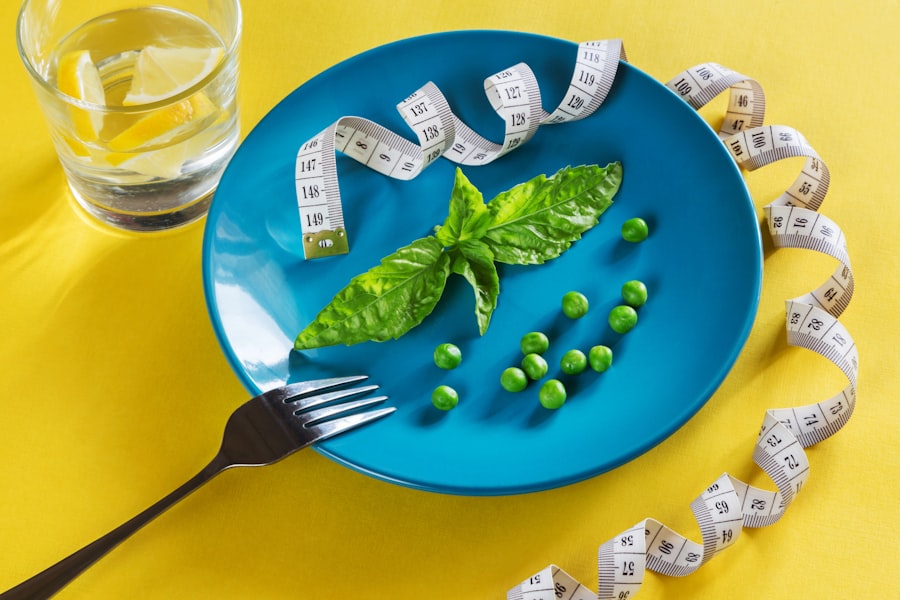
Despite the significant progress, the journey towards omnipresent cleaner food versions in Europe is not without its hurdles. These challenges, however, also pave the way for future innovation and development.
The Cost Factor
Producing cleaner food often entails higher costs. Sourcing natural ingredients, implementing sustainable farming practices, and adhering to stricter regulatory standards can increase production expenses. This can translate into higher retail prices, potentially making cleaner options less accessible to lower-income demographics. The conundrum for manufacturers and policymakers alike is how to make healthier choices affordable and equitable across all socio-economic strata. Subsidies for sustainable farming, incentives for reformulation, and economies of scale through increased demand could help mitigate this cost disparity.
Sensory Science: The Taste Barrier
Reformulating products to be healthier without compromising on taste and texture is a formidable challenge. Consumers are rarely willing to sacrifice sensory pleasure for health benefits alone. Replicating the mouthfeel of fat or the sweetness of sugar with natural, healthier alternatives requires sophisticated food science and extensive consumer testing. This is particularly true for indulgent categories where expectations are high. Continued investment in sensory research and ingredient innovation is crucial to overcome this “taste barrier” and ensure broader acceptance of cleaner food versions.
Navigating Labeling Complexity
While transparency is a goal, the sheer volume of information on food labels can become overwhelming for the average consumer. Terms like “low fat,” “reduced sugar,” “source of fiber,” “organic,” “free-from,” and various certifications can create an information overload, making it difficult for consumers to discern genuinely healthier options from those using clever marketing. There is a need for clearer, more standardized, and easily digestible labeling systems that cut through the noise, allowing consumers to make quick and accurate assessments of a product’s health profile. Simplified front-of-pack labeling schemes, such as nutrient scoring systems, are promising avenues.
The Role of Education and Awareness
Ultimately, the success of cleaner food versions hinges on consumer education and awareness. Without a fundamental understanding of nutrition and ingredient functions, consumers may struggle to differentiate truly beneficial products from those with superficial “clean” claims. Public health campaigns, educational initiatives in schools, and transparent communication from brands are all vital in empowering consumers to make informed choices. This ongoing dialogue between producers, regulators, and the public is the fertile ground for further evolution in the cleaner food landscape.
Sustainability as an Evolving Standard
Looking ahead, the definition of “cleaner food” in Europe is increasingly encompassing sustainability. Consumers are not just concerned with what they eat, but also with how it was produced and its environmental impact. This means growing demand for products with a lower carbon footprint, ethical sourcing, biodiversity protection, and reduced waste. Food waste reduction initiatives, sustainable packaging solutions, and the promotion of circular economy principles in food production are becoming integral to the “clean” label. This holistic perspective ensures that the pursuit of personal health is intertwined with the health of the planet.
In conclusion, the European market serves as a vanguard for the development and adoption of cleaner food versions. Driven by a powerful combination of consumer demand, regulatory foresight, and scientific innovation, the continent is actively reshaping its food supply. While challenges remain, the trajectory is clear: a future where healthier, more transparent, and sustainably produced food options are not the exception, but the norm. This evolution is not merely a trend; it represents a fundamental shift in how food is conceptualized, produced, and consumed across Europe, offering a beacon for healthier eating worldwide.
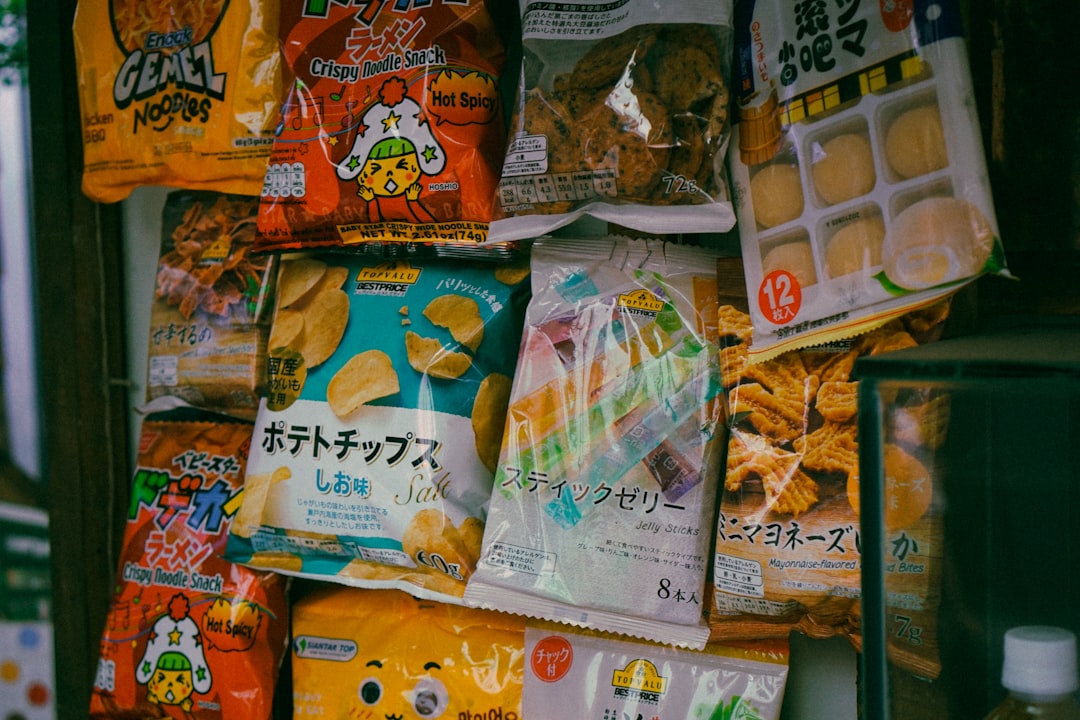
WATCH NOW ▶️ Why 99% Of American Food Is Illegal Overseas
FAQs
What are cleaner food versions?
Cleaner food versions refer to products that have been reformulated to contain fewer artificial additives, preservatives, and unhealthy ingredients such as excessive sugars, salts, and unhealthy fats. These versions aim to offer healthier alternatives to conventional processed foods.
Why are cleaner food versions being promoted in Europe?
Cleaner food versions are promoted in Europe to improve public health by reducing the consumption of harmful ingredients linked to chronic diseases such as obesity, diabetes, and heart conditions. The initiative supports healthier diets and aligns with European Union policies on nutrition and food safety.
Which types of foods are commonly available in cleaner versions in Europe?
Common foods available in cleaner versions include snacks, dairy products, baked goods, ready meals, and beverages. These products typically have reduced levels of sugar, salt, and saturated fats, and may also be free from artificial colors, flavors, and preservatives.
Are cleaner food versions regulated by European authorities?
Yes, cleaner food versions are subject to regulations and guidelines set by European authorities such as the European Food Safety Authority (EFSA) and the European Commission. These regulations ensure that reformulated products meet safety standards and provide accurate nutritional information to consumers.
How can consumers identify cleaner food versions in European markets?
Consumers can identify cleaner food versions by reading product labels for reduced levels of sugar, salt, and fat, as well as the absence of artificial additives. Some products may also carry specific health or nutrition claims approved by regulatory bodies, or certifications indicating compliance with cleaner food standards.