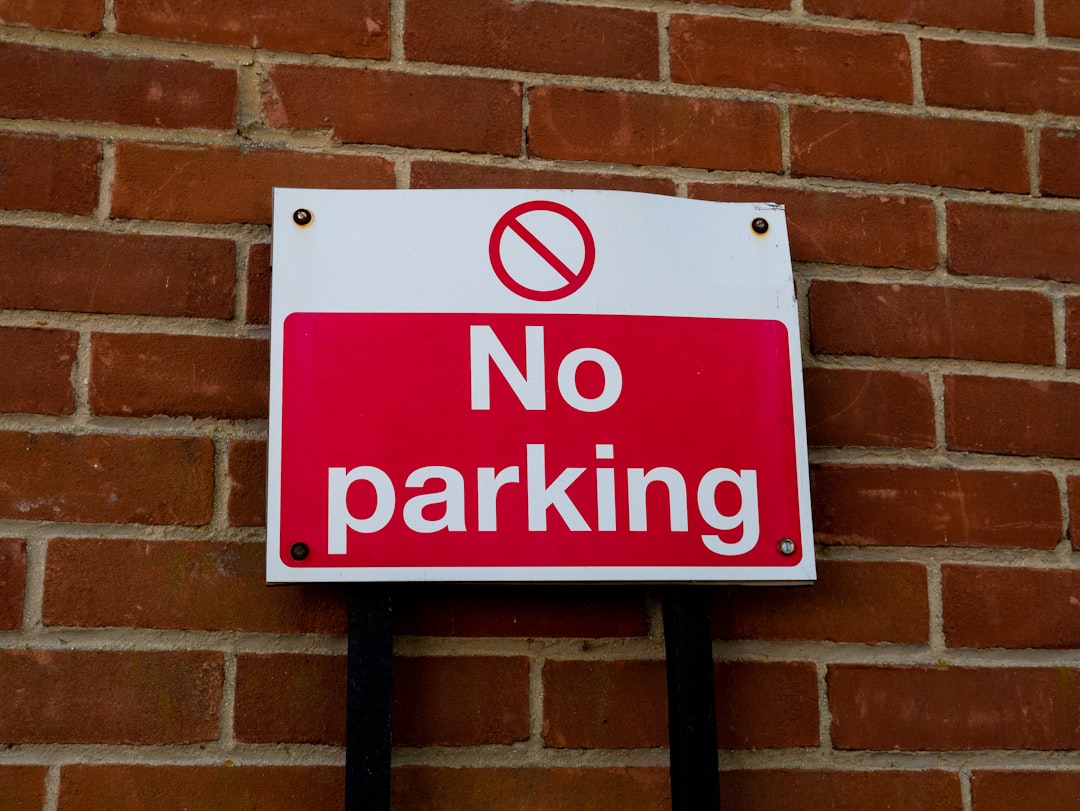
You live in a city, and you need to park your car. It seems like a simple transaction, a necessary inconvenience. But have you ever considered that the very presence of abundant parking might be a deliberate design choice, one that subtly, and often detrimentally, influences your daily life and the character of your city? These are the city parking minimums, and they are often a silent enforcer of car dependency.
You might not think about it, but when you drive to a restaurant, a shop, or even a new neighborhood, a significant factor in your decision-making process is likely the availability of parking. This isn’t an accident. City planners, through the mechanism of parking minimums, have for decades mandated that developers provide a certain number of parking spaces for every building they construct. This seemingly practical regulation, intended to prevent street parking chaos, has instead created a landscape where cars are not just accommodated, but actively prioritized.
The Historical Rationale: Preventing Street Congestion
Initially, parking minimums emerged as a response to a genuine concern: uncontrolled street parking overwhelming urban centers. As car ownership ballooned in the mid-20th century, cities struggled to manage the influx of vehicles. Streets became clogged, leading to traffic jams and a degraded urban experience. The solution, embraced by many municipalities, was to require off-street parking.
The Post-War Boom and the Rise of the Automobile
The post-World War II era saw unprecedented economic growth and a surge in suburbanization. The automobile became a symbol of freedom and prosperity. Cities, eager to adapt to this new reality, began to adopt zoning codes that included parking minimums. The idea was to separate parking from the street, to make way for traffic and pedestrian activity, and to ensure that businesses and residences had adequate parking for their patrons and occupants.
Early Zoning Codes and Their Enduring Legacy
Early zoning ordinances, often drafted with the advice of automotive industry representatives and planning consultants focused on efficiency, established a direct correlation between building size or type and the required number of parking spaces. These numbers were often arbitrary, based on assumptions about car ownership and usage that may have been valid at the time but have since become increasingly disconnected from the realities of modern urban life. The legacy of these early codes is still deeply embedded in the regulations of many cities today.
Many cities implement parking minimums as a strategy to promote car dependency, often resulting in urban sprawl and limited public transportation options. A related article explores the implications of these policies and their impact on sustainable urban development. For more insights on this topic, you can read the article here: How Parking Minimums Encourage Car Dependency.
How Parking Minimums Drive Car Dependency
The direct consequence of mandated parking is the physical space dedicated to it. Vast expanses of asphalt, whether surface lots or multi-story garages, become a dominant feature of the urban landscape. This physical reality has profound implications for how we live, work, and interact within our cities.
The Creation of Parking Deserts: Less Walkable Streets
When a developer is required to provide, say, 2.5 parking spaces per apartment unit, they are incentivized to design buildings with large parking structures or expansive surface lots. This often comes at the expense of ground-floor retail, green space, or more aesthetically pleasing building designs. The result is a streetscape dominated by blank walls, driveways, and the shimmering heat of asphalt, rather than inviting storefronts and lively sidewalks.
The Impact on Pedestrian Experience
Imagine walking through a neighborhood where every block is punctuated by huge parking garages. The noise of cars entering and exiting, the visual monotony, and the lack of engaging street-level activity can make walking feel less like an enjoyable mode of transport and more like a necessary risk. This discourages walking for short trips, even for errands that could easily be accomplished on foot.
The “Dead Zones” of Urban Development
These large parking areas often create “dead zones” in the urban fabric. They don’t contribute to the vibrant street life that makes cities attractive. Buildings are pushed back from the street to accommodate parking, creating a disconnect between the public realm and private development. This can lead to a feeling of isolation and a lack of community interaction.
The Economic Incentive to Build for Cars
Parking minimums create an economic incentive for developers to prioritize car storage. The cost of providing this parking is factored into the overall development cost, and ultimately, into the price of housing, retail space, and services. This effectively subsidizes driving, making it appear cheaper and more convenient than it truly is when all externalities are considered.
The Hidden Costs of Parking
While the initial construction cost is significant, the ongoing costs of maintaining parking lots, lighting them, and clearing them of snow also add up. These are costs that are often borne by businesses and residents, whether directly or indirectly through higher rents and prices.
The Opportunity Cost of Land
Perhaps the most significant economic consequence is the opportunity cost of the land dedicated to parking. In dense urban areas, land is a valuable commodity. When it’s used for parking, it’s not being used for housing, businesses, parks, or other uses that could generate more economic activity and contribute more to the city’s vitality.
Shaping Urban Form and Sprawl
Parking minimums have played a significant role in the outward expansion of cities. By requiring ample parking at every destination, they make it feasible, and even seemingly necessary, to live further away from where you work, shop, and recreate. This perpetuates a car-dependent lifestyle and contributes to urban sprawl.
The Suburban Model Imposed on Urban Cores
The logic of parking minimums, developed in an era that glorified suburban living, has been applied to urban centers. This creates a disconnect from the principles of good urban design, which often emphasize density, mixed-use development, and walkability.
Encouraging Longer Commutes and Increased Emissions
When parking is abundant and cheap at every destination, the incentive to consider alternative modes of transport diminishes. This leads to longer commutes, increased traffic congestion, and a greater reliance on fossil fuels, contributing to air pollution and climate change.
The Economic and Social Downsides for Residents

It’s not just developers and cities that bear the brunt of parking minimums; you, as a resident, are significantly impacted as well. The cost, inconvenience, and limitations imposed by these regulations can influence your choices and your quality of life.
The Financial Burden on Residents
The cost of providing parking is not free. Developers pass these costs on to consumers. For renters, this translates to higher rents that include the implicit cost of parking. For homeowners, especially in areas with limited street parking, the expense of purchasing or renting a dedicated parking spot can be substantial.
Higher Housing Costs
A significant portion of a building’s construction cost can be attributed to parking. This is directly reflected in the price you pay for your apartment or house. In many urban areas, the cost of a parking space can be equivalent to a down payment on a small home in less expensive regions.
Out-of-Pocket Expenses for Parking
Even with parking minimums, street parking can still be scarce and expensive in desirable areas. This forces many residents to pay for expensive garage spaces or permits, adding another line item to their monthly budget.
Reduced Affordability and Accessibility
Parking minimums can inadvertently make cities less affordable and accessible for certain populations. Those who cannot afford a car, or who choose not to own one for environmental or personal reasons, are penalized.
The “Car Tax” on Non-Drivers
By building cities around the assumption of car ownership, parking minimums effectively create a “car tax” on those who opt out of driving. They pay for the infrastructure that primarily benefits drivers through their rent, taxes, or purchase prices, even if they never use it.
Hindering Transit-Oriented Development
In areas where transit is well-developed, parking minimums can undermine its effectiveness. They encourage car use even when efficient public transportation options are available, reducing the ridership and financial viability of transit systems.
Limiting Housing Options and Diversity
The need to accommodate large amounts of parking can reduce the density and diversity of housing options available. Developers may choose to build less housing to make way for more cars, or they may focus on luxury developments where buyers can afford the associated parking costs.
The Displacement of Smaller, More Affordable Buildings
The requirement for a certain amount of parking can make it economically unfeasible to develop smaller, more affordable housing units or mixed-use buildings that would have served a wider range of residents.
The Domino Effect on Retail and Services
When housing becomes less diverse and affordable, the businesses and services that cater to a wider range of incomes and lifestyles also suffer. This can lead to a less vibrant and equitable urban environment.
The Environmental Impact of Excess Parking
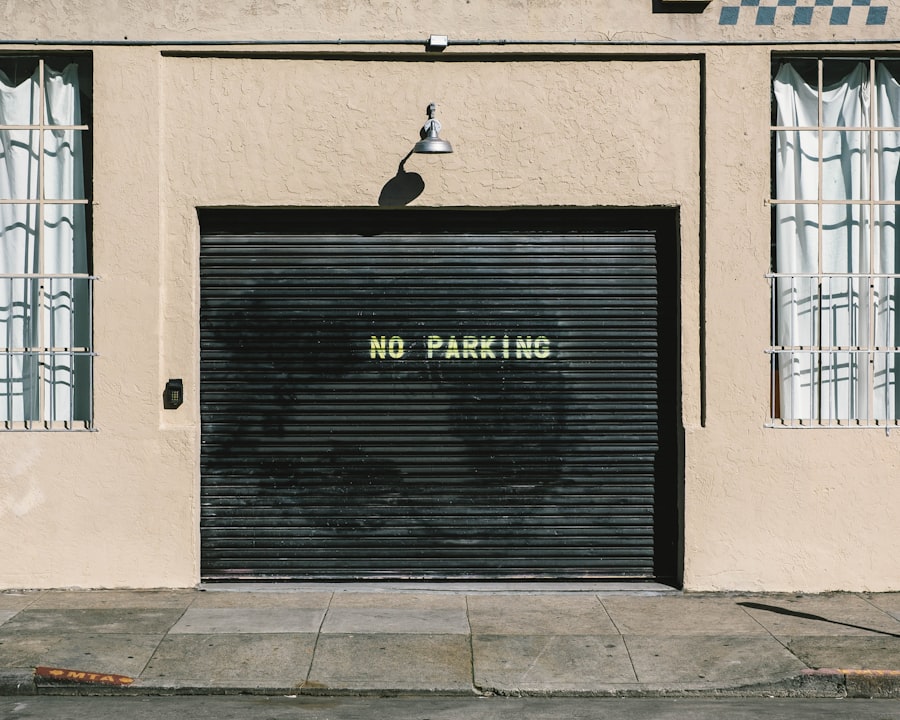
You likely understand that cars contribute to environmental problems, but have you considered the significant environmental footprint of the parking infrastructure itself? Beyond emissions, parking lots have a tangible impact on local ecosystems and resource consumption.
Urban Heat Island Effect and Stormwater Runoff
Vast expanses of dark asphalt absorb and retain heat, contributing to the urban heat island effect. This makes cities hotter, increasing energy consumption for cooling and exacerbating air quality issues. Furthermore, impermeable parking surfaces prevent rainwater from infiltrating the ground, leading to increased stormwater runoff, which carries pollutants into waterways.
Increased Temperatures and Energy Demand
The higher temperatures associated with large parking lots mean that nearby buildings require more energy for air conditioning, leading to increased electricity consumption and associated greenhouse gas emissions.
Water Pollution and Imperiled Ecosystems
Stormwater runoff from parking lots picks up oil, grease, heavy metals, and other contaminants from vehicles, which are then discharged into rivers, lakes, and oceans, harming aquatic life and the overall health of ecosystems.
Loss of Green Space and Habitat Destruction
The land allocated to parking could otherwise be used for parks, trees, or community gardens. This loss of green space reduces biodiversity, diminishes the aesthetic appeal of neighborhoods, and removes opportunities for recreation and relaxation.
Diminished Urban Biodiversity
Replacing trees and vegetation with asphalt means less habitat for birds, insects, and other urban wildlife. This can lead to a less resilient and less biodiverse urban environment.
Reduced Air Quality and Public Health
Trees and vegetation play a crucial role in filtering air pollutants and producing oxygen. The removal of these elements in favor of parking contributes to poorer air quality and can have negative impacts on public health.
Resource Consumption and Material Waste
The construction and maintenance of parking lots require significant amounts of materials, including asphalt, concrete, and aggregate, all of which have an environmental cost in terms of extraction, processing, and transportation.
The Embodied Energy of Construction Materials
The production of these materials is energy-intensive, contributing to greenhouse gas emissions. The ongoing maintenance and repaving of parking lots further add to this resource consumption.
The Lifecycle Cost of Parking Infrastructure
From initial construction to eventual demolition and disposal, parking infrastructure represents a substantial use of natural resources and generates significant waste.
Many cities implement parking minimums as a strategy that inadvertently promotes car dependency among residents. By mandating a certain number of parking spaces for new developments, local governments often prioritize vehicle use over alternative transportation options, leading to increased traffic congestion and reduced walkability. This issue is explored in depth in a related article, which discusses the implications of such policies on urban planning and community health. For more insights, you can read the article here.
Moving Beyond Parking Minimums: Towards Smarter Urbanism
| City | Parking Minimums | Impact on Car Dependency |
|---|---|---|
| New York City | High parking minimums for new developments | Contributes to car dependency due to limited parking options |
| Los Angeles | High parking minimums for commercial and residential buildings | Encourages car ownership and usage |
| San Francisco | Reduced parking minimums in certain areas | Efforts to reduce car dependency through limited parking availability |
The realization that parking minimums enforce car dependency is prompting a reevaluation of urban planning policies. Cities are beginning to explore alternatives that prioritize people and sustainable transportation.
Reforming Zoning Codes: Reducing and Eliminating Minimums
A growing number of cities are moving to reduce or even eliminate parking minimums. This allows developers to build what the market demands, rather than what outdated regulations dictate.
The “Parking Maximum” Concept
Instead of setting a floor for parking, some cities are experimenting with “parking maximums,” which set a ceiling on the amount of parking that can be provided. This encourages developers to consider shared parking solutions and more efficient land use.
Unbundling Parking Costs
Another approach is to “unbundle” the cost of parking from rent or purchase prices. This allows residents to choose whether or not to pay for parking, reflecting its true cost and empowering those who don’t drive.
Investing in Alternative Transportation Infrastructure
Removing parking mandates is only part of the solution. Cities also need to actively invest in and promote alternative modes of transportation to make them truly viable and appealing.
Enhancing Public Transit Networks
Improving the frequency, reliability, and reach of public transit systems is essential. This includes investing in new lines, upgrading existing infrastructure, and ensuring seamless connections between different modes.
Creating Safe and Connected Cycling and Pedestrian Networks
Building protected bike lanes, widening sidewalks, and creating pedestrian-friendly streetscapes encourages walking and cycling for short trips. This requires a shift in street design priorities away from cars.
Embracing Transit-Oriented Development (TOD)
Encouraging development that is clustered around public transit hubs is a key strategy for reducing car dependency. This creates walkable, mixed-use communities where residents can live, work, and play without needing a car for every trip.
Creating Vibrant, Mixed-Use Neighborhoods
TOD projects often feature a mix of residential, commercial, and retail spaces, creating lively neighborhoods that offer convenience and reduce the need for car travel.
Promoting Dense and Compact Urban Growth
By concentrating development around transit, TOD helps to foster denser, more compact urban growth, which is generally more efficient and sustainable than sprawling development.
You, as an engaged citizen, can advocate for these changes. By understanding the pervasive influence of parking minimums, you can begin to recognize how they shape your city and your choices. The move away from mandated parking is not about eliminating cars entirely, but about creating cities where cars are one option among many, rather than the default and often unavoidable choice. This shift promises to make your city more affordable, equitable, environmentally sustainable, and ultimately, a more pleasant and vibrant place to live.
FAQs
What are parking minimums?
Parking minimums are local regulations that require a minimum number of parking spaces to be provided for new developments, such as residential buildings, commercial properties, and public facilities.
How do parking minimums contribute to car dependency?
Parking minimums can contribute to car dependency by incentivizing car ownership and use. By mandating a certain number of parking spaces, cities can make it more convenient and affordable for people to drive, which can discourage the use of alternative transportation options such as walking, cycling, and public transit.
What are the potential negative impacts of parking minimums?
Parking minimums can lead to negative impacts such as increased traffic congestion, air pollution, and urban sprawl. They can also consume valuable land and resources, contribute to higher housing and development costs, and create barriers to more sustainable and equitable urban planning.
How do cities use parking minimums to enforce car dependency?
Cities use parking minimums to enforce car dependency by requiring developers to allocate a significant amount of space and resources for parking, which can prioritize car use over other modes of transportation. This can perpetuate a cycle of car dependency and hinder efforts to create more walkable, bike-friendly, and transit-oriented communities.
What are some alternatives to parking minimums?
Some alternatives to parking minimums include implementing parking maximums, unbundling parking from housing or commercial units, implementing shared parking strategies, and investing in alternative transportation infrastructure and policies to reduce car dependency and promote more sustainable and inclusive urban development.