
China’s decision to impose restrictions on urea exports has sent ripples through the global agricultural market, a move widely interpreted as a strategic maneuver to safeguard its domestic food security. This policy shift, while aimed at stabilizing prices within China, has consequently impacted the supply chains of numerous nations heavily reliant on Chinese fertilizer imports. Understanding the nuances of this decision requires examining the complex interplay of domestic economic pressures, agricultural priorities, and international trade dynamics.
Before delving into China’s specific actions, it is crucial to acknowledge its significant position in the global fertiliser market.
A Cornerstone of Global Agriculture
The Ubiquitous Nature of Urea
Urea, an organic compound with the chemical formula CO(NH₂)₂, is the most common nitrogen fertilizer worldwide. Its high nitrogen content makes it a cost-effective and efficient nutrient source for a wide variety of crops, playing an indispensable role in boosting agricultural yields and feeding a growing global population. Without adequate nitrogen, crops become stunted, their growth visibly hampered, much like a human body deprived of essential vitamins.
China as a Production Powerhouse
China has long been a leading producer of urea, boasting a formidable manufacturing capacity. This vast production infrastructure, fueled by abundant coal resources and state investment, has positioned the country as a critical supplier to international markets. For decades, China’s abundant urea output has acted as a steady downstream pipe, supplying a vital commodity to farmers across the globe.
Dependence and Vulnerability
This reliance on China for urea has created a degree of vulnerability for many importing nations. Fluctuations in Chinese supply, whether due to policy decisions, domestic demand surges, or production disruptions, can have immediate and far-reaching consequences for agricultural input costs and food prices in these countries.
In light of China’s recent decision to tighten urea exports in order to safeguard domestic food prices, it is interesting to explore the broader implications of such policies on global agricultural markets. A related article discusses how fluctuations in fertilizer availability can significantly impact food production and pricing worldwide. For more insights on this topic, you can read the article here: Understanding the Global Impact of Fertilizer Policies.
The Rationale Behind China’s Export Restrictions
The imposition of urea export restrictions by China is not a sudden, arbitrary act but rather a calculated response to a confluence of domestic challenges.
Safeguarding Domestic Food Security
The Primary Imperative
At the heart of China’s policy lies its unwavering commitment to ensuring its own food security. With an immense population to feed, maintaining stable and affordable food prices is a paramount national objective. Fertilizers, as a direct input into food production, are intrinsically linked to this goal. When the cost of fertilizer rises significantly, the cost of food inevitably follows, creating a domino effect that can impact the livelihoods of millions.
The “Winter-Spring Planting” Season
Historically, China’s agricultural calendar features critical planting seasons, particularly the winter-spring period. Ensuring adequate fertilizer availability during these crucial times is vital to guarantee a successful harvest. Absenteeism of fertilizers during these periods is akin to a painter being denied their primary colors at the beginning of a masterpiece.
Inflationary Pressures and Economic Stability
Beyond direct food security, China is also keen to manage broader inflationary pressures within its economy. Rising fertilizer prices contribute to the overall cost of agricultural products, which in turn can fuel wider inflation. Stable food prices are fundamental to maintaining social and economic stability, and the government views controlling agricultural input costs as a key lever in this endeavor.
Preemptive Strike Against Global Price Spikes
In a volatile global market, Chinese policymakers may have also viewed these restrictions as a preemptive measure. By reducing its export volume, China aims to temper potential global price surges that could, in turn, exert upward pressure on its own domestic fertilizer market and, by extension, its food prices. This proactive stance is akin to building a dike before the floodwaters rise.
Impact on the Global Agricultural Market
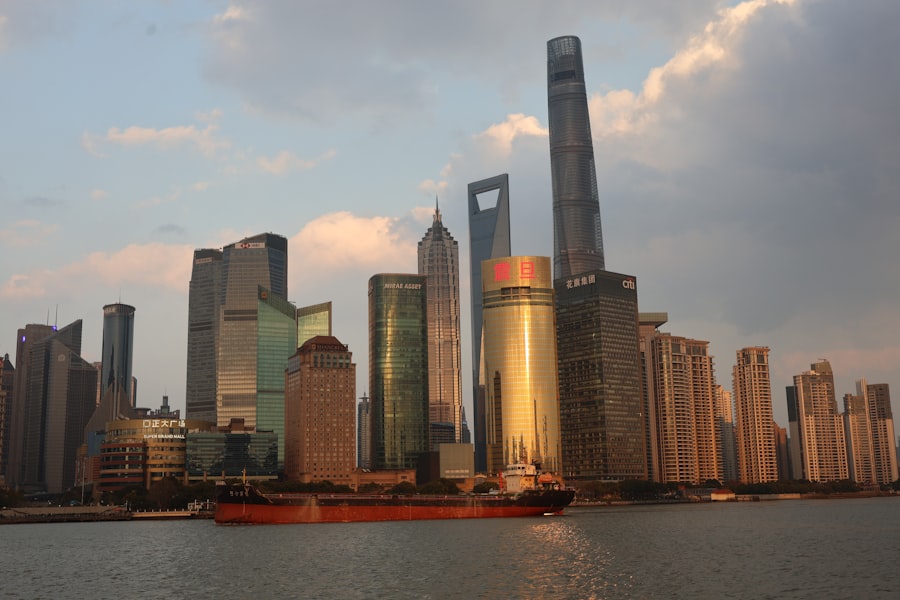
China’s export restrictions have not occurred in a vacuum; they have reverberated across the international agricultural landscape, creating a complex web of consequences.
Supply Shortages and Price Volatility
A Tightened Global Supply Chain
The most immediate and noticeable effect has been a tightening of the global urea supply. With a significant portion of the world’s urea coming from China, a reduction in its exports directly shrinks the available global pool. This is akin to a vital artery in the global economy being partially constricted.
Soaring International Prices
The diminished supply, coupled with persistent global demand, has led to a substantial increase in international urea prices. Farmers in importing countries are now facing significantly higher costs for this essential input, eating into their already thin profit margins. The once predictable cost of a ton of urea has become a fluctuating and often alarming figure.
Reduced Profitability for Farmers Abroad
The higher fertilizer costs directly impact the profitability of farmers in countries that depend on Chinese imports. This can lead to reduced planting, the substitution of less nitrogen-intensive crops, or an unbearable squeeze on already precarious farm economics.
Implications for Food Security in Importing Nations
For many developing nations, where agriculture forms the backbone of their economies and food security is a constant concern, increased fertilizer costs pose a grave threat. The inability to afford adequate fertilizer can lead to lower crop yields, exacerbating food shortages and potentially leading to social unrest. The specter of widespread hunger looms larger when essential agricultural inputs become prohibitively expensive.
Beyond Urea: Broader Implications for Fertilizer Trade
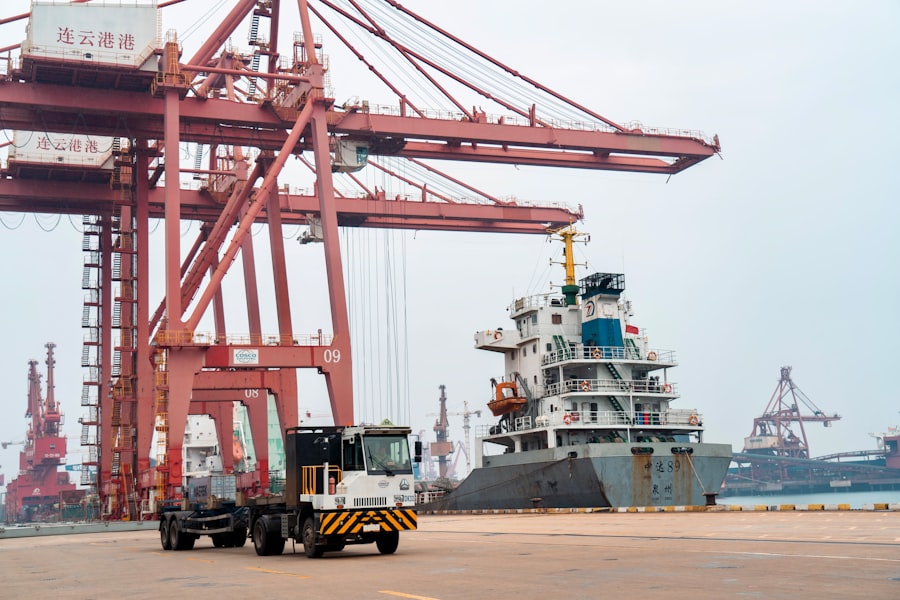
The ramifications of China’s actions extend beyond the immediate impact on urea. They signal a potential shift in regional and global fertilizer trade dynamics.
A Shifting Geopolitical Landscape
The Rise of “Fertilizer Nationalism”
China’s move can be seen as an example of what is sometimes termed “fertilizer nationalism,” where countries prioritize their domestic needs over international market demands. This trend, if it continues, could lead to a more fragmented and protectionist global fertilizer trade, with countries increasingly looking inward to secure their agricultural inputs.
Diversification Efforts by Importing Nations
In response to these disruptions, importing nations are likely to intensify their efforts to diversify their fertilizer sources. This could involve seeking out new suppliers, investing in domestic fertilizer production where feasible, or exploring alternative nutrient management strategies. The reliance on a single, dominant supplier is proving to be a lesson learned at a high price.
The Role of Geopolitical Factors
Geopolitical considerations are also likely to play an increasingly important role in fertilizer trade. Concerns about supply chain resilience, potential weaponization of trade, and the impact of international sanctions could further influence sourcing decisions and lead to the formation of new trading blocs or alliances. The interconnectedness of global supply chains means that disruptions in one area can have unforeseen consequences in others, much like a pebble dropped in a pond creating ripples far from its origin.
China’s recent decision to tighten urea exports is a strategic move aimed at safeguarding domestic food prices amid rising global fertilizer costs. This action highlights the delicate balance between maintaining agricultural productivity and ensuring food affordability for its population. For further insights into the implications of such policies on global markets, you can read a related article that delves into the complexities of international trade and agricultural economics. This article can be found here.
Prospects and Potential Future Scenarios
| Metric | Value | Explanation |
|---|---|---|
| Urea Export Reduction | 30% | China reduced urea exports by 30% to ensure more supply for domestic use. |
| Domestic Urea Price Increase | 15% | Prices rose due to limited supply and increased demand for fertilizers in China. |
| Food Price Inflation Target | Below 3% | China aims to keep food price inflation under 3% to maintain affordability. |
| Fertilizer Usage in Agriculture | 60 million tons | Annual urea consumption in China’s agriculture sector. |
| Impact on Global Urea Supply | 5% decrease | Global urea supply reduced due to China’s export restrictions. |
| Domestic Food Production Increase | 4% | Expected increase in domestic food production due to better fertilizer availability. |
The long-term implications of China’s urea export restrictions remain uncertain, but several potential scenarios could unfold.
A Temporary Measure or a New Normal?
The Duration of Restrictions
The crucial question is whether China’s restrictions are a temporary measure intended to address immediate domestic needs or a more permanent policy shift reflecting a new approach to its role in global fertilizer markets. If they are temporary, the global market may eventually stabilize once domestic supplies are replenished. However, if they signal a sustained prioritization of domestic needs, the global landscape will likely be reshaped for the foreseeable future.
The Search for Alternative Solutions
Domestic Production Incentives
Many countries may be spurred to provide greater incentives for domestic fertilizer production. This could involve government subsidies, tax breaks, or investments in research and development for new production technologies. The idea is to build local resilience, akin to planting local seeds rather than relying solely on imported harvests.
Innovation in Fertiliser Technology
The rising cost of traditional fertilizers could also accelerate innovation in nutrient management. This includes the development of slow-release fertilizers, enhanced efficiency fertilizers, and alternative nutrient sources such as organic fertilizers and bio-fertilizers. The pressure of scarcity can often be a powerful catalyst for innovation.
International Cooperation and Diplomacy
Ultimately, addressing the challenges posed by China’s export restrictions may require increased international cooperation and diplomatic engagement. Dialogue between China and its trading partners could help to foster greater transparency in fertilizer markets and explore mechanisms for ensuring stable global supply while respecting national priorities. Building bridges rather than walls between nations, especially in times of agricultural scarcity, is paramount. The global food system is a delicate ecosystem, and disruptions at any level can have cascading effects. Understanding these dynamics is not just an academic exercise; it is a matter of feeding the world.
FAQs
Why has China decided to tighten urea exports?
China has tightened urea exports to ensure sufficient domestic supply of the fertilizer, which is crucial for maintaining stable food production and controlling domestic food prices.
How does restricting urea exports help protect domestic food prices?
By limiting urea exports, China can keep more fertilizer available for its own farmers, supporting agricultural productivity and preventing a rise in domestic food prices caused by fertilizer shortages.
What impact could China’s urea export restrictions have on global markets?
China’s export restrictions may reduce the global supply of urea, potentially leading to higher fertilizer prices worldwide and affecting agricultural costs in countries dependent on imports.
Is urea an important fertilizer for food production?
Yes, urea is a widely used nitrogen fertilizer essential for crop growth, making it a key input in food production systems around the world.
Are there any other reasons behind China’s decision besides food price protection?
While protecting domestic food prices is the primary reason, other factors may include managing energy consumption, environmental concerns, and ensuring long-term agricultural sustainability.