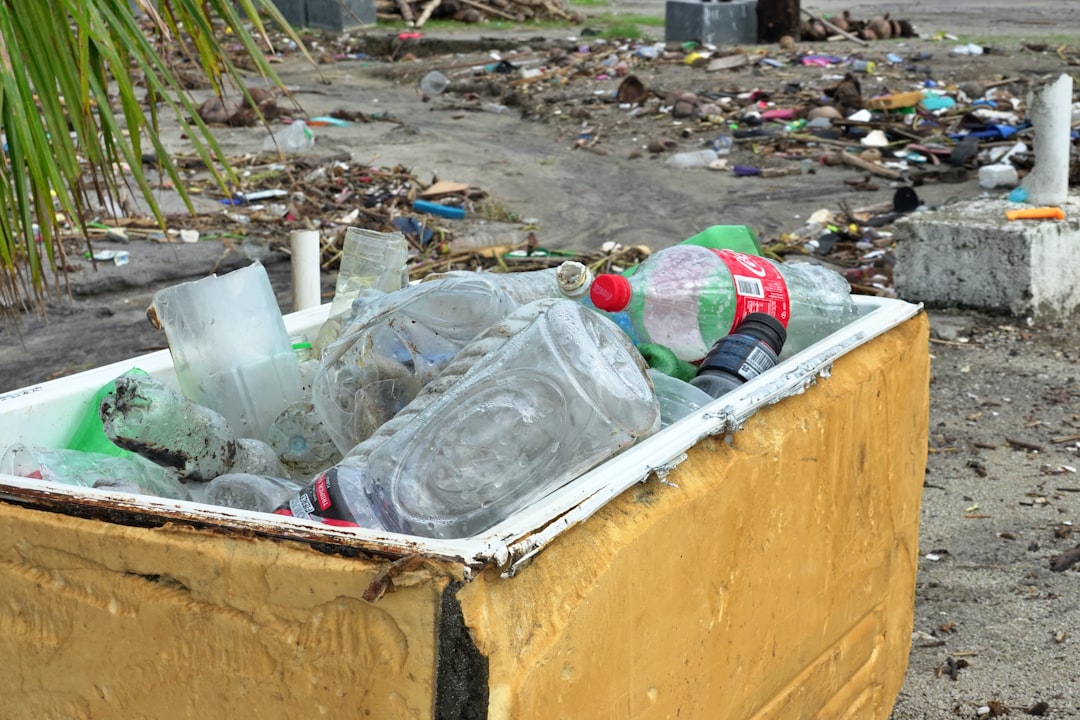
Single stream recycling has emerged as a popular method for managing waste in many communities across the globe. This system allows residents to place all recyclable materials into a single bin, eliminating the need for sorting at the source. The convenience of single stream recycling has led to increased participation rates among households, as it simplifies the recycling process and encourages more people to engage in sustainable practices.
By streamlining the collection of recyclables, municipalities aim to reduce landfill waste and promote environmental stewardship. However, while single stream recycling has its advantages, it also presents a unique set of challenges that can undermine its effectiveness. The ease of tossing various materials into one container can lead to contamination, where non-recyclable items inadvertently mix with recyclables.
This contamination can create significant hurdles for recycling facilities, impacting the overall efficiency and quality of the recycling process. As communities continue to adopt single stream systems, it becomes increasingly important to address these challenges to ensure that the benefits of recycling are fully realized.
Key Takeaways
- Single stream recycling simplifies collection but increases contamination risks.
- Contamination and sorting difficulties reduce the quality and value of recycled materials.
- Education, communication, and technology limitations hinder effective recycling practices.
- Market demand and logistics challenges impact the economic viability of single stream recycling.
- Innovations and improved solutions are essential to address environmental and operational issues.
Contamination Issues in Single Stream Recycling
Contamination is one of the most pressing issues facing single stream recycling systems. When non-recyclable materials are included in the recycling bin, they can disrupt the entire recycling process. Items such as plastic bags, food waste, and other contaminants can render entire batches of recyclables unusable, leading to increased costs and wasted resources.
The presence of these contaminants not only complicates the sorting process but also poses risks to workers at recycling facilities who must handle these materials. Moreover, contamination can have far-reaching implications for the environment. When contaminated materials are sent to landfills instead of being recycled, they contribute to pollution and waste accumulation.
This undermines the very purpose of recycling, which is to reduce waste and promote sustainability. As communities strive to improve their recycling rates, addressing contamination issues becomes crucial in ensuring that single stream recycling remains a viable and effective solution for waste management.
Sorting Challenges in Single Stream Recycling Facilities

The sorting process at single stream recycling facilities is a complex operation that relies on advanced technology and human labor. Once collected, the mixed recyclables are transported to a facility where they undergo a series of sorting processes to separate different materials. However, the presence of contaminants complicates this task significantly.
Workers must manually remove non-recyclable items from the conveyor belts, which can be time-consuming and labor-intensive. In addition to manual sorting, facilities often employ various technologies such as optical sorters and air classifiers to assist in the separation of materials. While these technologies have improved efficiency, they are not foolproof.
Contaminants can damage equipment or lead to misclassification of materials, further complicating the sorting process. As a result, recycling facilities face ongoing challenges in maintaining high-quality output while managing the complexities introduced by single stream systems.
Impact of Contamination on the Recycling Process
The impact of contamination on the recycling process is profound and multifaceted. When non-recyclable materials are mixed with recyclables, they can compromise the quality of the end products. For instance, contaminated paper products may become unusable due to ink or food residue, while plastics may be rendered unrecyclable if they are mixed with incompatible materials.
This not only leads to increased waste but also diminishes the market value of recycled materials. Furthermore, contamination can result in higher operational costs for recycling facilities. The need for additional labor to sort out contaminants and the potential for damaged equipment can strain budgets and resources.
In some cases, facilities may even be forced to send contaminated loads to landfills, negating the environmental benefits of recycling altogether. As communities continue to embrace single stream recycling, understanding and mitigating the impact of contamination is essential for ensuring a sustainable future.
Education and Communication Challenges for Single Stream Recycling
| Problem | Description | Impact on Recycling | Possible Solutions |
|---|---|---|---|
| Contamination | Non-recyclable materials mixed with recyclables | Reduces quality of recycled materials; increases processing costs | Public education; improved sorting technology |
| Mixed Materials | Items made from multiple materials difficult to separate | Limits recyclability; causes equipment damage | Design for recyclability; advanced sorting systems |
| Plastic Bags and Films | Plastic bags get tangled in sorting machinery | Machine downtime; increased maintenance costs | Separate collection programs; public awareness campaigns |
| Glass Breakage | Broken glass contaminates other recyclables | Decreases value of recyclables; safety hazards | Separate glass collection; improved handling procedures |
| Incorrect Sorting by Consumers | Consumers place wrong items in recycling bins | Increases contamination rates; reduces efficiency | Clear labeling; community outreach |
Effective education and communication are critical components in addressing the challenges associated with single stream recycling. Many residents may not fully understand what materials are recyclable and what should be avoided in their recycling bins. This lack of knowledge can lead to unintentional contamination, as individuals may mistakenly include non-recyclable items in their single stream containers.
To combat this issue, municipalities and recycling organizations must invest in comprehensive educational campaigns that clearly outline acceptable materials for single stream recycling. These campaigns can take various forms, including informational flyers, community workshops, and digital resources that provide guidance on proper recycling practices. By fostering a better understanding of recycling guidelines, communities can empower residents to participate more effectively in single stream systems and reduce contamination rates.
Technology Limitations in Single Stream Recycling

While technology has advanced significantly in recent years, there are still limitations that affect the efficiency of single stream recycling systems. Although automated sorting technologies have improved the speed and accuracy of material separation, they are not infallible. Optical sorters may struggle with certain types of plastics or mixed materials, leading to misclassification or contamination in the final output.
Additionally, many facilities still rely on manual labor for sorting tasks that cannot be effectively automated. This reliance on human workers introduces variability in performance and can lead to inconsistencies in sorting quality. As technology continues to evolve, there is a pressing need for ongoing research and development to enhance sorting capabilities and address the unique challenges posed by single stream recycling.
Market Demand and Quality Issues in Single Stream Recycling
The market demand for recycled materials is closely tied to the quality of those materials. Contamination issues in single stream recycling can significantly impact the quality of recycled products, making them less desirable for manufacturers who rely on high-quality inputs for their production processes. When recycled materials are contaminated or improperly sorted, they may not meet industry standards, leading to decreased demand and lower prices.
This decline in market demand can create a vicious cycle for recycling programs. As prices for recycled materials drop due to quality issues, municipalities may find it increasingly difficult to justify the costs associated with their recycling programs. This can lead to budget cuts or even program cancellations, further exacerbating waste management challenges within communities.
To maintain a robust market for recycled materials, it is essential to prioritize quality control measures within single stream recycling systems.
Transportation and Logistics Challenges in Single Stream Recycling
Transportation and logistics play a crucial role in the success of single stream recycling programs. Once collected from households, recyclables must be efficiently transported to processing facilities for sorting and processing. However, logistical challenges can arise at various stages of this process.
For instance, if collection routes are not optimized, it can lead to increased fuel consumption and higher operational costs. Additionally, transportation delays can result in longer storage times for collected recyclables, which may increase the risk of contamination from exposure to weather elements or pests. Effective logistics management is essential for ensuring that recyclables are processed promptly and efficiently while minimizing costs and environmental impacts.
As communities continue to expand their single stream recycling initiatives, addressing transportation challenges will be vital for maintaining program effectiveness.
Cost and Economic Challenges of Single Stream Recycling
The economic viability of single stream recycling is often called into question due to various cost factors associated with its implementation and maintenance. While single stream systems can increase participation rates among residents, they also require significant investment in infrastructure, technology, and labor. The costs associated with sorting contaminated materials and managing operational inefficiencies can strain municipal budgets.
Moreover, fluctuations in global markets for recycled materials can further complicate economic considerations. When demand for recycled products decreases or when contamination rates rise, municipalities may find themselves facing financial shortfalls that jeopardize their recycling programs. To ensure long-term sustainability, it is essential for communities to develop comprehensive financial strategies that account for both operational costs and market dynamics.
Environmental Impacts of Contamination in Single Stream Recycling
The environmental impacts of contamination in single stream recycling extend beyond immediate operational challenges; they also have broader implications for sustainability efforts as a whole. When contaminated recyclables are sent to landfills instead of being processed for reuse, it contributes to increased greenhouse gas emissions and resource depletion associated with raw material extraction. Furthermore, contaminated materials that do make it through the recycling process may result in lower-quality products that cannot be effectively reused or repurposed.
This undermines the fundamental goals of recycling: reducing waste and conserving natural resources. As communities strive to enhance their environmental stewardship through effective waste management practices, addressing contamination issues within single stream systems is paramount.
Solutions and Innovations for Single Stream Recycling Challenges
To tackle the myriad challenges associated with single stream recycling, innovative solutions must be explored and implemented at various levels. One promising approach involves enhancing public education campaigns aimed at increasing awareness about proper recycling practices and reducing contamination rates at the source. By providing clear guidelines on what can and cannot be recycled, communities can empower residents to make informed decisions about their waste disposal habits.
Additionally, advancements in sorting technology hold great potential for improving efficiency within single stream facilities. Investing in state-of-the-art equipment that can better identify and separate contaminants from recyclables could significantly enhance overall processing quality. Furthermore, collaboration between municipalities, industry stakeholders, and technology developers can foster innovation that addresses both current challenges and future needs within the realm of single stream recycling.
In conclusion, while single stream recycling offers numerous benefits in terms of convenience and increased participation rates, it also presents significant challenges that must be addressed to ensure its long-term success. By focusing on education, technology advancements, market dynamics, and environmental impacts, communities can work towards creating more effective and sustainable recycling systems that truly contribute to a circular economy.
For a deeper understanding of the issues surrounding single stream recycling, you can read a related article that discusses these problems in detail. Check it out here: Single Stream Recycling Challenges.
WATCH THIS! 🚨 THE RECYCLING LIE: How Big Oil Fooled the World for 50 Years 🚨
FAQs
What is single stream recycling?
Single stream recycling is a system where all recyclable materials—such as paper, plastics, metals, and glass—are collected together in one bin, rather than being sorted by the consumer.
What are common problems associated with single stream recycling?
Common problems include contamination of recyclables, increased sorting costs at recycling facilities, damage to materials during collection, and reduced quality of recycled products.
How does contamination affect single stream recycling?
Contamination occurs when non-recyclable items or improperly cleaned materials are mixed with recyclables, which can spoil entire batches and make processing more difficult and expensive.
Why is sorting more challenging in single stream recycling?
Since all materials are mixed together, recycling facilities must invest in advanced sorting technology and labor to separate different types of recyclables, increasing operational complexity and costs.
Does single stream recycling impact the quality of recycled materials?
Yes, the mixing of materials can lead to damage or degradation, resulting in lower-quality recycled products that may have limited uses compared to those from source-separated recycling.
Are there environmental impacts linked to single stream recycling problems?
Problems like contamination and increased processing can lead to more waste being sent to landfills and higher energy consumption during recycling, which can reduce the overall environmental benefits.
How can consumers help reduce problems in single stream recycling?
Consumers can help by properly cleaning recyclables, avoiding placing non-recyclable items in the bin, and following local recycling guidelines to minimize contamination.
Is single stream recycling more cost-effective than other recycling methods?
While single stream recycling can reduce collection costs and increase participation rates, the higher processing and contamination costs may offset these savings, depending on the local system.
What alternatives exist to single stream recycling?
Alternatives include dual stream or multi-stream recycling, where materials are separated by type at the source, which can reduce contamination and improve the quality of recyclables.
How do recycling facilities handle contamination in single stream recycling?
Facilities use mechanical sorting equipment and manual labor to remove contaminants, but high contamination levels can overwhelm these systems and lead to more materials being discarded.