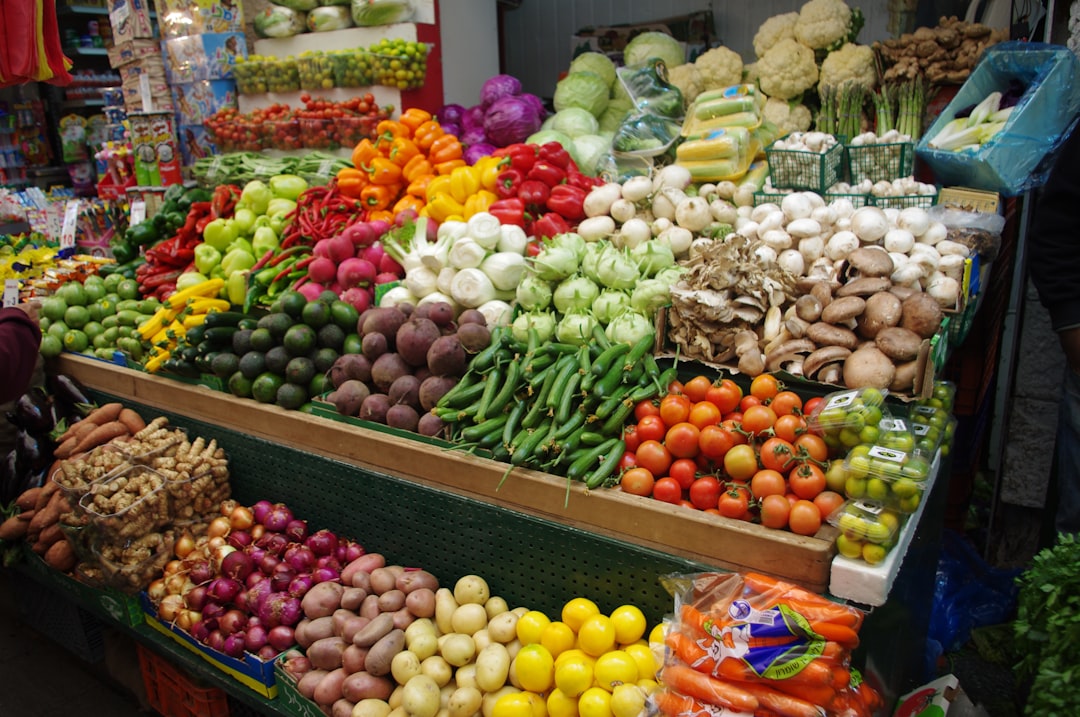
When you hear the term “organic,” it often conjures images of fresh produce, vibrant colors, and a commitment to health and sustainability. At its core, organic refers to the way agricultural products are grown and processed. This method emphasizes the use of natural substances and processes, avoiding synthetic fertilizers, pesticides, and genetically modified organisms (GMOs).
The organic movement is rooted in a philosophy that prioritizes environmental health, animal welfare, and the well-being of consumers. By choosing organic, you are not just opting for food that is free from harmful chemicals; you are also supporting farming practices that aim to preserve biodiversity and promote ecological balance. Understanding organic food also involves recognizing the various certifications that accompany it.
In many countries, including the United States, organic products must meet specific standards set by regulatory bodies. These standards dictate how crops are grown, how animals are raised, and how food is processed. For instance, in the U.S., the USDA Organic seal signifies that a product has been produced without synthetic fertilizers or pesticides and adheres to strict guidelines throughout its lifecycle.
This certification process helps ensure that when you choose organic, you are indeed selecting food that aligns with these principles.
Key Takeaways
- True organic food is certified and free from synthetic pesticides and GMOs.
- Look for trusted labels and certifications to identify genuine organic products.
- Supporting local organic farmers helps ensure fresh produce and sustainable practices.
- Be cautious of greenwashing by verifying claims and researching brands.
- Incorporate organic foods gradually using budget-friendly tips and delivery services.
Identifying real organic food
Identifying real organic food can sometimes feel like navigating a maze, especially with the increasing prevalence of misleading labels and marketing tactics. To ensure that you are purchasing genuine organic products, start by familiarizing yourself with the various certifications available in your region. Look for labels such as “100% Organic,” which indicates that all ingredients are organic, or “Organic,” which means at least 95% of the ingredients meet organic standards.
Additionally, products labeled as “Made with Organic Ingredients” contain at least 70% organic components but may include some non-organic ingredients.
Whenever possible, buy from local farmers’ markets or community-supported agriculture (CSA) programs.
These venues often provide direct access to farmers who practice organic methods and can offer transparency about their growing practices. Engaging with local producers not only helps you identify authentic organic food but also fosters a sense of community and supports the local economy.
Where to buy real organic food
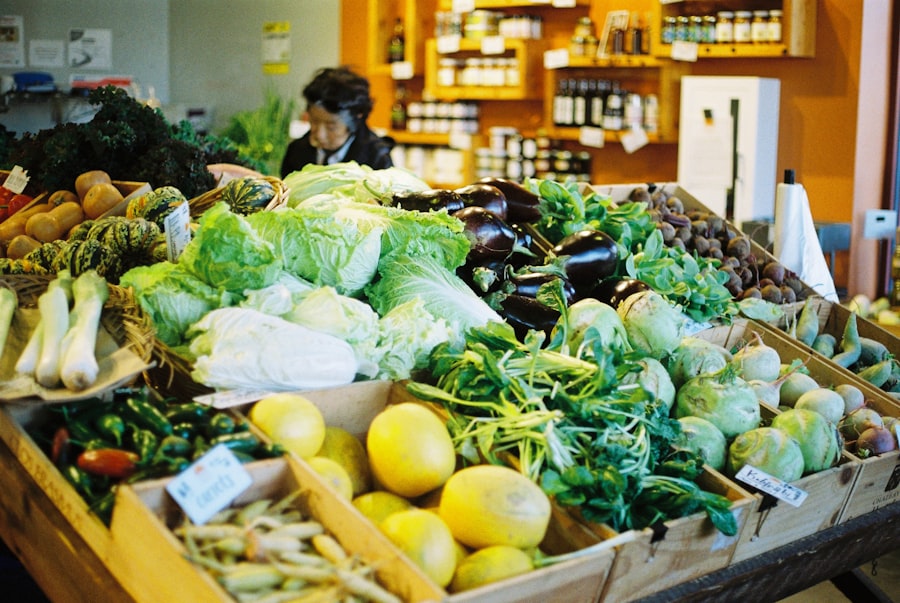
Finding real organic food can be an enjoyable adventure if you know where to look. Supermarkets often have dedicated sections for organic products, but these can vary significantly in quality and authenticity. To ensure you are purchasing genuine organic items, consider exploring specialty health food stores or co-ops that prioritize organic offerings.
These establishments typically have a more extensive selection of organic produce, grains, and packaged goods, often sourced from reputable suppliers. In addition to brick-and-mortar stores, online shopping has become a convenient option for sourcing organic food. Many websites specialize in delivering organic products directly to your doorstep, allowing you to browse a wide range of items from the comfort of your home.
When shopping online, be sure to check for certifications and read customer reviews to ensure you are purchasing from reputable sources. Whether you prefer shopping in person or online, there are numerous avenues available to help you find authentic organic food.
Reading labels and certifications
Reading labels and certifications is an essential skill when it comes to purchasing organic food. The information on packaging can provide valuable insights into the product’s quality and authenticity. Start by looking for the USDA Organic seal or other recognized certifications relevant to your country.
However, not all labels are created equal; some may use terms like “natural” or “farm-fresh,” which do not necessarily guarantee organic practices. In addition to certifications, pay attention to the ingredient list on packaged foods.
A shorter ingredient list with recognizable items is often a good sign of quality. If you see unfamiliar additives or preservatives, it may be worth reconsidering your purchase. Furthermore, look for information about sourcing and production methods on the packaging.
Many brands now include details about their farming practices or sustainability efforts, which can help you make informed choices about the products you buy.
The benefits of buying real organic food
| Step | Action | Details | Tips |
|---|---|---|---|
| 1 | Look for Certification Labels | Check for USDA Organic, EU Organic, or other recognized organic certification logos on packaging. | Familiarize yourself with local organic certification bodies. |
| 2 | Buy from Trusted Sources | Purchase from farmers’ markets, organic stores, or directly from certified organic farms. | Ask vendors about their farming practices and certifications. |
| 3 | Check Ingredient Lists | Ensure products contain organic ingredients and avoid artificial additives or preservatives. | Look for 100% organic or at least 95% organic content. |
| 4 | Understand Label Terminology | Terms like “natural” or “eco-friendly” do not guarantee organic status. | Prioritize certified organic labels over marketing terms. |
| 5 | Seasonal and Local Buying | Choose seasonal organic produce to ensure freshness and reduce environmental impact. | Supports local organic farmers and reduces carbon footprint. |
| 6 | Use Apps and Online Resources | Utilize apps that verify organic products and provide store reviews. | Stay updated on recalls or fraud alerts related to organic foods. |
| 7 | Grow Your Own | Consider growing your own organic vegetables and herbs at home. | Ensures full control over growing conditions and organic standards. |
Choosing to buy real organic food comes with a multitude of benefits that extend beyond personal health. One of the most significant advantages is the reduced exposure to harmful chemicals found in conventional farming practices. By opting for organic produce and products, you minimize your intake of synthetic pesticides and fertilizers, which have been linked to various health issues over time.
This choice not only benefits your well-being but also contributes to a healthier environment by promoting sustainable farming practices. Moreover, supporting organic agriculture fosters biodiversity and soil health. Organic farming methods often involve crop rotation, cover cropping, and composting, which enhance soil fertility and reduce erosion.
By purchasing organic food, you are supporting farmers who prioritize these practices and contribute to a more resilient ecosystem. Additionally, many consumers report that organic foods taste better than their conventional counterparts, making your meals not only healthier but also more enjoyable.
How to avoid greenwashing
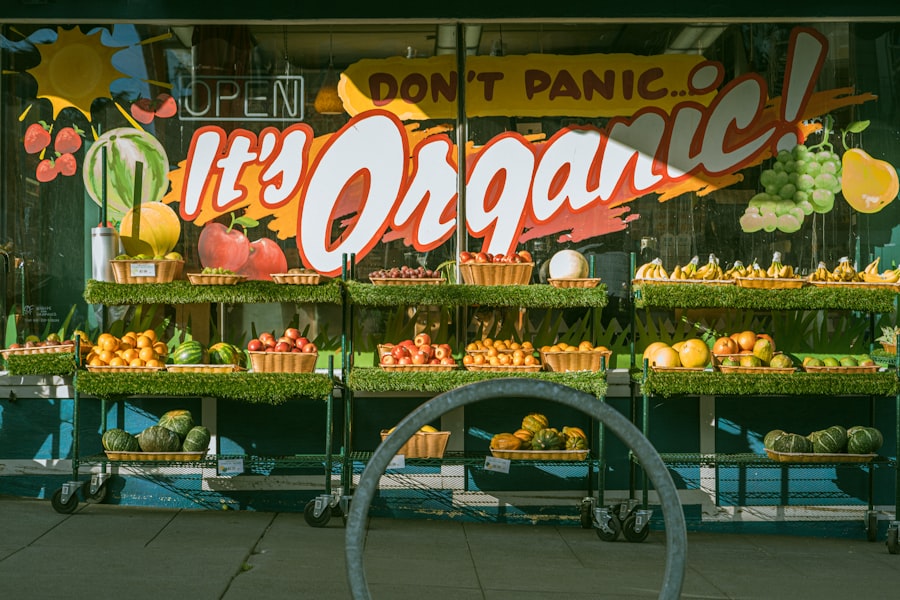
In today’s market, greenwashing has become a prevalent issue as companies attempt to capitalize on the growing demand for sustainable products. Greenwashing refers to misleading marketing tactics that exaggerate or falsely claim environmental benefits. To avoid falling victim to these tactics, it’s crucial to educate yourself about what constitutes genuine organic practices versus mere marketing buzzwords.
Start by researching brands before making a purchase. Look for transparency in their sourcing and production methods; reputable companies will often provide detailed information about their practices on their websites or packaging. Additionally, familiarize yourself with common greenwashing terms such as “eco-friendly” or “natural,” which may not have standardized definitions.
By being vigilant and informed, you can make choices that align with your values while avoiding products that merely masquerade as environmentally friendly.
Supporting local organic farmers
Supporting local organic farmers is one of the most impactful ways you can contribute to sustainable agriculture while enjoying fresh produce. When you buy directly from local farmers’ markets or through community-supported agriculture (CSA) programs, you establish a direct connection with those who grow your food. This relationship fosters trust and transparency regarding farming practices and allows you to ask questions about how your food is produced.
Moreover, purchasing from local farmers helps strengthen your community’s economy. Local farms often reinvest their profits back into the community, creating jobs and supporting local businesses. Additionally, buying locally reduces the carbon footprint associated with transporting food over long distances.
By choosing to support local organic farmers, you not only enjoy fresher produce but also play a vital role in promoting sustainable agricultural practices within your community.
Budget-friendly tips for buying organic
While buying organic food is often perceived as more expensive than conventional options, there are several strategies you can employ to make it more budget-friendly. One effective approach is to prioritize your purchases based on the Environmental Working Group’s (EWG) Dirty Dozen list, which highlights fruits and vegetables with higher pesticide residues. By focusing on buying organic versions of these items while opting for conventional options for others, you can reduce costs without compromising your health.
Another tip is to buy in bulk whenever possible. Many health food stores offer bulk bins where you can purchase grains, nuts, and seeds at lower prices than pre-packaged options. Additionally, consider shopping during seasonal sales or joining a CSA program that provides a weekly supply of fresh produce at a discounted rate.
By being strategic about your purchases and taking advantage of available resources, you can enjoy the benefits of organic food without breaking the bank.
Organic food delivery options
In recent years, the demand for convenience has led to an increase in organic food delivery options. Many companies now offer subscription services that deliver fresh organic produce directly to your doorstep on a weekly or bi-weekly basis. This service not only saves time but also ensures that you have access to seasonal fruits and vegetables without having to navigate crowded grocery stores.
When considering an organic food delivery service, research various options available in your area. Look for companies that prioritize local sourcing and offer a variety of products beyond just fruits and vegetables—such as dairy, meats, and pantry staples—to create a well-rounded selection for your household needs. By utilizing these delivery services, you can seamlessly incorporate more organic foods into your diet while enjoying the convenience of home delivery.
Incorporating organic food into your diet
Incorporating organic food into your diet doesn’t have to be an overwhelming task; it can be a gradual process that enhances your meals over time. Start by replacing a few staple items in your pantry with their organic counterparts—think grains like rice or quinoa, cooking oils like olive oil or coconut oil, and snacks like nuts or granola bars. As you become more comfortable with these changes, consider expanding your selection to include fresh produce and dairy products.
Experimenting with new recipes can also make incorporating organic foods more enjoyable. Explore seasonal fruits and vegetables available at your local market and challenge yourself to create dishes that highlight their flavors. Not only will this help diversify your meals, but it will also encourage you to try new ingredients that may become staples in your diet.
Making the switch to a predominantly organic lifestyle
Transitioning to a predominantly organic lifestyle is a rewarding journey that requires patience and commitment but can lead to significant health benefits over time. Start by setting realistic goals for yourself; perhaps aim to incorporate one or two organic meals into your week before gradually increasing this number as you become more comfortable with sourcing and preparing organic foods. As you make this switch, remember that every small change counts—whether it’s choosing organic snacks for your kids or opting for an organic salad dressing instead of conventional options.
Surround yourself with supportive communities—whether online or in-person—where you can share experiences and tips with others who are on similar journeys toward healthier living through organic choices. Embrace this transition as an opportunity for growth and exploration in both your culinary skills and overall well-being. By understanding what it means to choose organic foods and actively seeking out authentic options while supporting local farmers and sustainable practices, you can make informed decisions that benefit both yourself and the planet.
If you’re looking to buy real organic food, it’s essential to understand the nuances of organic labeling and sourcing. A helpful resource on this topic can be found in the article titled “How to Buy Real Organic Food” on Hey Did You Know This. You can read it by following this link: How to Buy Real Organic Food. This article provides valuable insights into identifying genuine organic products and making informed purchasing decisions.
FAQs
What defines real organic food?
Real organic food is grown without synthetic pesticides, herbicides, or fertilizers. It is produced using natural methods that promote ecological balance and conserve biodiversity. Organic foods are also free from genetically modified organisms (GMOs).
How can I identify certified organic food?
Certified organic food typically carries a label from a recognized certification body, such as USDA Organic in the United States or the EU Organic logo in Europe. These labels ensure the product meets strict organic farming and processing standards.
Is organic food always healthier than conventional food?
Organic food often contains fewer pesticide residues and may have higher levels of certain nutrients. However, the overall health benefits depend on various factors, including diet diversity and food quality. Organic does not automatically mean more nutritious.
Where can I buy real organic food?
Real organic food can be purchased at farmers’ markets, health food stores, organic sections of supermarkets, and directly from certified organic farms. Online retailers specializing in organic products are also an option.
Are organic foods more expensive than conventional foods?
Organic foods generally cost more due to more labor-intensive farming practices and lower yields. However, prices vary depending on the product, location, and season.
Can I trust the “organic” label on imported foods?
Imported foods with organic certification should meet the importing country’s organic standards or have equivalent certification. It is important to verify the certification body and ensure it is recognized and reputable.
What should I look for when buying organic produce?
Look for certification labels, check for freshness, and consider buying seasonal produce. Buying from local organic farmers can also increase the likelihood of getting truly organic food.
Is organic food free from all pesticides?
Organic farming restricts synthetic pesticides but may use natural or non-synthetic pesticides approved for organic use. These are generally considered less harmful but are not completely pesticide-free.
How can I store organic food to maintain its quality?
Store organic produce in a cool, dry place or refrigerate as appropriate. Use airtight containers to preserve freshness and prevent contamination.
Does buying organic food support environmental sustainability?
Yes, organic farming practices promote soil health, reduce pollution, conserve water, and support biodiversity, contributing to environmental sustainability.