
The intricate web of global supply chains, while facilitating the movement of goods and services, also creates fertile ground for exploitative practices. Among the most insidious of these is the nexus between broker networks and forced labor. This article delves into the mechanisms by which these networks operate, examining their role in perpetrating modern-day slavery and highlighting the profound human cost. By dissecting their operational methodologies and illustrating their pervasive impact, we aim to shed light on a critical yet often overlooked aspect of contemporary exploitation.
Broker networks, at their core, function as intermediaries. In the context of forced labor, these intermediaries are not mere facilitators; they are often the architects of exploitation, meticulously crafting pathways that lead individuals into debt bondage, coercive recruitment, and forced servitude. Their operations are characterized by clandestine practices, sophisticated deception, and a ruthless pursuit of profit, irrespective of the human suffering caused. You can learn more about the issue of shrimp slavery in this informative video.
Recruitment and Inducement: The Initial Lure
The entry point into forced labor often begins with seemingly innocuous recruitment. Brokers target vulnerable populations – individuals facing economic hardship, social marginalization, or political instability. They dangle promises of lucrative employment, better living conditions, and opportunities for upward mobility. These assurances, however, are rarely fulfilled, serving merely as a deceptive veil.
False Promises and Misinformation
Brokers frequently present potential victims with misleading information regarding wages, working conditions, and contractual obligations. Contracts, if provided at all, are often written in a language unknown to the worker, contain predatory clauses, or are entirely fabricated. This systematic deception is a cornerstone of their recruitment strategy, trapping individuals before they even leave their homes. The illusion of a promised land quickly dissolves upon arrival.
Exaggerated Opportunities and Social Media Exploitation
The digital age has provided new avenues for brokers to cast their net wider. Social media platforms and online forums are exploited to disseminate exaggerated job prospects, often targeting specific demographics with tailored advertisements. These online recruitment drives can appear legitimate, making it difficult for individuals to discern genuine opportunities from elaborate deceptions. The digital footprint left by these networks can be notoriously difficult to trace, further compounding investigative efforts.
Debt Bondage: The Economic Chains
Once recruited, individuals are often subjected to exorbitant recruitment fees, transportation costs, and other hidden charges. These initial financial burdens become the first link in a chain of debt bondage, an economic mechanism meticulously designed to render workers beholden to their exploiters.
Predatory Loans and Usurious Interest Rates
Brokers frequently provide “loans” to cover these initial costs, often with exorbitant interest rates and opaque repayment terms. These loans are structured to be nearly impossible to repay, creating an inescapable cycle of debt. The workers’ inability to settle these debts then becomes the justification for their continued forced labor, as if their very existence is now collateral.
Confiscation of Documents and Withheld Wages
To further solidify their control, brokers often confiscate identity documents such as passports and visas, effectively stripping individuals of their freedom of movement and ability to escape. Additionally, wages are frequently withheld, partially paid, or manipulated, perpetually maintaining the debt and preventing workers from accumulating the resources needed to leave. This tactic transforms legal documents into instruments of incapacitation.
In recent discussions surrounding ethical practices in the financial industry, the issue of broker networks and forced labor has gained significant attention. A related article that delves deeper into this topic can be found at this link, where it explores the implications of unethical labor practices within broker networks and the urgent need for regulatory reforms to ensure fair treatment of all workers involved in financial transactions.
The Global Reach and Sectoral Prevalence
Broker networks involved in forced labor are not confined to specific geographic regions or industries. Their tentacles extend across continents, permeating various sectors where demand for cheap labor is high, and regulatory oversight is often weak.
International Labor Trafficking Corridors
Key corridors for labor trafficking have emerged, connecting countries with vulnerable populations to those with labor shortages or lax enforcement. These routes are meticulously mapped and exploited by brokers, transforming national borders into porous gateways for human exploitation.
Source Countries and Destination Countries
Source countries are typically characterized by widespread poverty, political instability, and limited economic opportunities, pushing individuals to seek work abroad. Destination countries, on the other hand, often have high demand for low-skilled labor in specific sectors, coupled with regulatory loopholes or insufficient enforcement mechanisms that allow exploitation to flourish. The global demand for goods and services thus inadvertently fuels the demand for forced labor.
The Role of Diasporic Communities
Brokers often exploit existing diasporic communities, utilizing a shared sense of ethnicity or language to gain trust and recruit individuals. Once overseas, these individuals may be further isolated by language barriers and lack of support networks, making them even more susceptible to coercion. Familiarity, in this context, becomes a weapon.
High-Risk Industries
Certain industries are disproportionately affected by forced labor facilitated by broker networks due to their labor-intensive nature, low wages, and often informal employment structures.
Agriculture and Fishing
The agricultural and fishing sectors, characterized by seasonal demand, remote workplaces, and often informal hiring practices, are particularly vulnerable. Workers can be isolated on farms or at sea, with limited access to outside communication or assistance, making them easy targets for exploitation. The vast, isolated domains of these industries serve as perfect canvases for oppressive practices.
Construction and Manufacturing
The construction industry, with its project-based work, transient labor force, and complex subcontracting chains, also presents significant opportunities for exploitation. Similarly, manufacturing, particularly in garment and textile production, often involves multiple layers of outsourcing, making it difficult to trace labor practices and identify instances of forced labor. The intricate subcontracting layers act as a deliberate obfuscation strategy.
Domestic Work and Caregiving
Domestic workers and caregivers, often working in private households, are particularly isolated and vulnerable to abuse. Their lack of public visibility and reliance on employers for housing and sustenance can create an environment ripe for exploitation, including restricted movement, long hours, and withheld wages. The intimate setting of private homes can become a gilded cage.
The Human Cost: Beyond Economic Exploitation
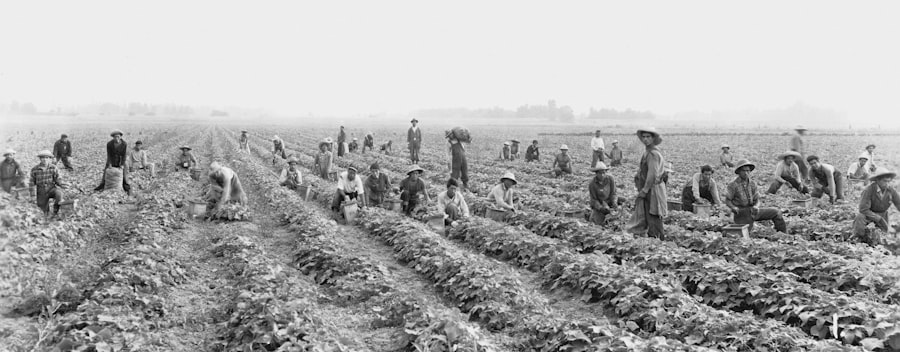
The impact of broker networks and forced labor extends far beyond economic exploitation. It inflicts severe physical, psychological, and social trauma on individuals, leaving lasting scars that can take years, if not a lifetime, to heal.
Psychological Trauma and Mental Health Impacts
Individuals subjected to forced labor often experience profound psychological trauma, including anxiety, depression, post-traumatic stress disorder (PTSD), and suicidal ideation. The constant fear, deception, and loss of autonomy erode their sense of self-worth and trust in others. The human spirit, constantly battered, struggles to maintain its integrity.
Isolation and Loss of Identity
Victims are frequently isolated from their families and communities, both geographically and emotionally. This isolation, coupled with the confiscation of identity documents, can lead to a profound loss of identity, making it difficult for individuals to reconnect with their past or envision a future free from exploitation.
Shame and Stigmatization
Survivors of forced labor often experience intense feelings of shame and guilt, believing they were responsible for their own predicament or that they have disgraced their families. This internalized shame, combined with societal stigmatization surrounding exploitation, can hinder their reintegration into society and access to support services. The invisible chains of shame are as potent as any physical restraint.
Physical Abuse and Neglect
In many cases, forced labor is accompanied by physical abuse, including beatings, sexual assault, and denial of adequate food, water, and medical care. These deliberate acts of cruelty are used to maintain control and ensure compliance.
Hazardous Working Conditions
Workers are frequently subjected to hazardous working conditions, often without proper safety equipment or training. This lack of protection, combined with long hours and strenuous tasks, can lead to severe injuries, chronic health problems, and even death. The quest for profit often overrides basic human safety.
Lack of Access to Healthcare
Due to their isolated circumstances and fear of detection, victims of forced labor often lack access to essential healthcare. Illnesses and injuries go untreated, further exacerbating their suffering and potentially leading to permanent disabilities. The ability to care for oneself, a fundamental human right, is systematically denied.
Combating Exploitation: A Multi-faceted Approach
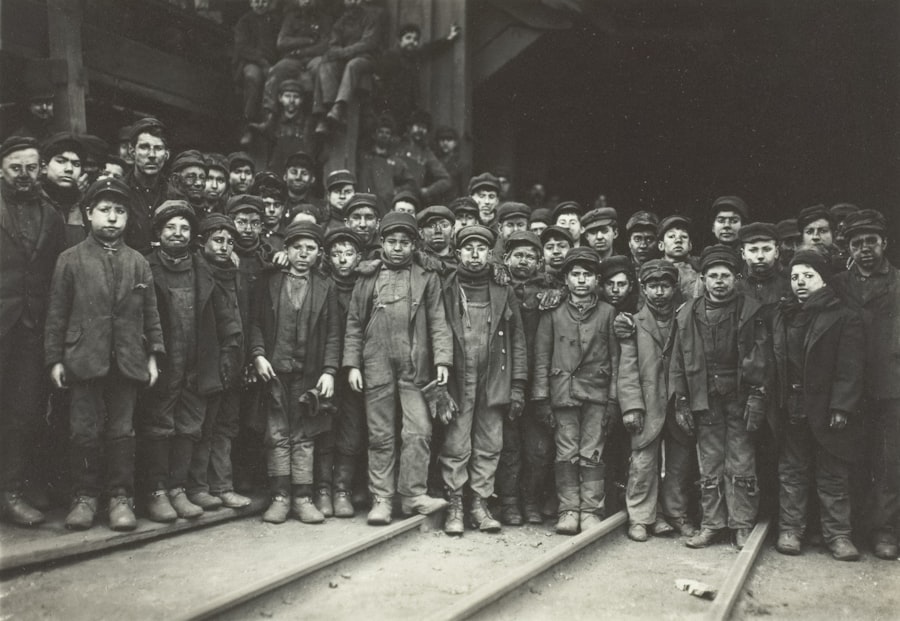
Addressing the pervasive issue of broker networks and forced labor requires a comprehensive and multi-faceted approach involving governments, international organizations, civil society, and the private sector. No single entity can effectively dismantle these entrenched systems of exploitation.
Strengthening Legislation and Enforcement
Robust legal frameworks that criminalize forced labor and human trafficking are essential. These laws must be accompanied by effective enforcement mechanisms, including dedicated investigative units, trained prosecutors, and specialized anti-trafficking courts.
Cross-border Cooperation and Intelligence Sharing
Given the transnational nature of broker networks, international cooperation and intelligence sharing among law enforcement agencies are crucial. Coordinated efforts are needed to dismantle these networks, apprehend perpetrators, and rescue victims across borders. The pursuit of justice must transcend geographical boundaries.
Victim-Centered Approaches
Legal and enforcement responses must adopt a victim-centered approach, prioritizing the safety, well-being, and rights of survivors. This includes providing access to legal aid, protection from retaliation, and comprehensive support services. The focus should be on empowerment, not solely on prosecution.
Empowering Vulnerable Populations
Prevention efforts must focus on empowering vulnerable populations by providing access to education, economic opportunities, and accurate information about safe migration and employment.
Public Awareness Campaigns and Education
Public awareness campaigns can help potential victims identify deceptive recruitment practices and understand their rights. Education initiatives, particularly in source countries, can equip individuals with the knowledge and skills to avoid exploitation. Knowledge, in this context, is a shield.
Ethical Recruitment Practices
Promoting and enforcing ethical recruitment practices, both domestically and internationally, is critical. This includes regulating recruitment agencies, banning recruitment fees for workers, and providing transparent contractual agreements.
Corporate Responsibility and Supply Chain Due Diligence
Businesses have a crucial role to play in combating forced labor by ensuring ethical practices throughout their supply chains. This involves conducting thorough due diligence, monitoring labor conditions, and implementing grievance mechanisms.
Transparency and Traceability
Companies need to enhance transparency and traceability in their supply chains, mapping out all tiers of production and identifying potential areas of risk. This information should be made publicly available to promote accountability.
Supplier Codes of Conduct and Audits
Implementing and enforcing robust supplier codes of conduct, backed by independent audits and regular assessments, can help identify and address instances of forced labor within supply chains. Companies must move beyond mere compliance to proactive ethical engagement.
Recent investigations have shed light on the troubling issue of forced labor within broker networks, raising significant ethical concerns in various industries. A related article explores the complexities of this situation and offers insights into how these networks operate and exploit vulnerable populations. For a deeper understanding of the implications and potential solutions, you can read more about it in this informative piece here.
The Path Forward: Collective Action and Persistent Vigilance
| Metric | Description | Value | Source/Year |
|---|---|---|---|
| Number of Broker Networks Identified | Total broker networks linked to forced labor cases | 45 | Global Labor Watch, 2023 |
| Estimated Forced Labor Victims | Individuals trapped in forced labor through broker networks | 120,000 | ILO, 2022 |
| Percentage of Forced Labor Cases Involving Brokers | Share of forced labor cases where brokers are involved | 65% | Walk Free Foundation, 2023 |
| Average Recruitment Fee Charged | Typical fee brokers charge workers, often leading to debt bondage | 1,200 | Anti-Slavery International, 2023 |
| Countries Most Affected | Top countries where broker networks operate in forced labor | India, Malaysia, Thailand, Qatar | UNODC, 2023 |
| Legal Actions Against Brokers | Number of prosecutions or sanctions against brokers in forced labor cases | 30 | Interpol, 2023 |
The fight against broker networks and forced labor is a protracted battle, requiring sustained commitment and persistent vigilance. The insidious nature of these operations demands a collective response that transcends national interests and prioritizes human dignity. The reader is urged to recognize that every consumer choice, every policy decision, and every act of advocacy contributes to either perpetuating or dismantling these systems of exploitation. The invisible threads connecting our global economy to the plight of forced laborers highlight a profound moral imperative: to ensure that the pursuit of progress does not come at the cost of human freedom.