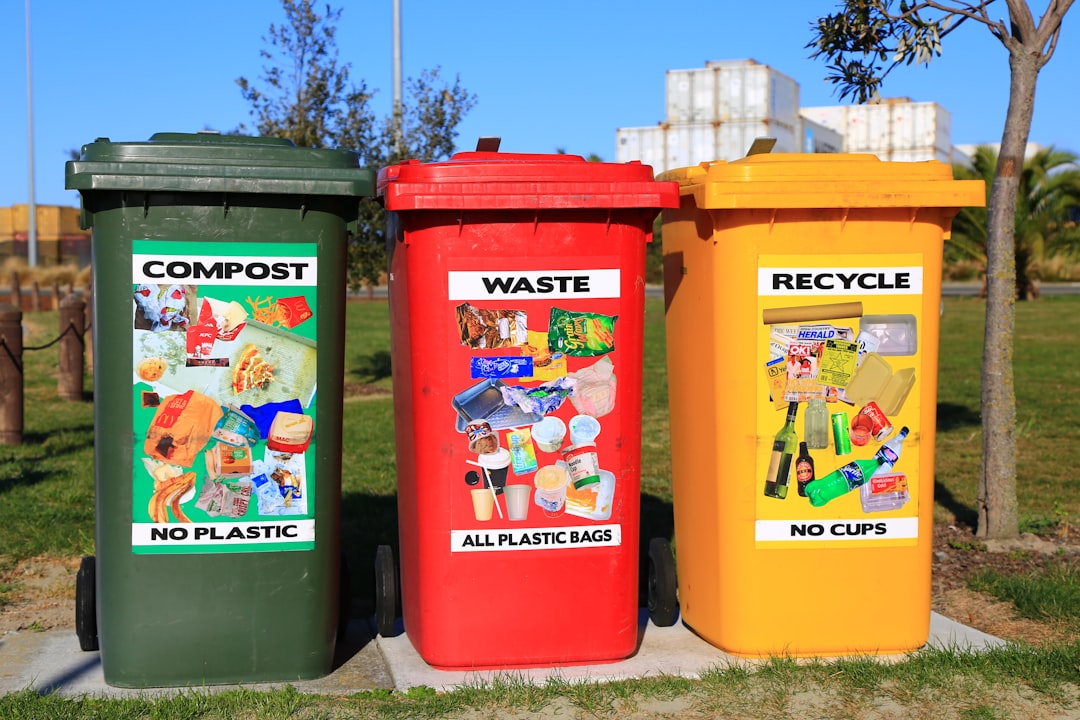
Curbside recycling participation plays a pivotal role in promoting sustainable waste management practices within communities. By encouraging residents to recycle, municipalities can significantly reduce the volume of waste sent to landfills, thereby conserving natural resources and minimizing environmental impact. The act of recycling not only helps in reducing pollution but also contributes to energy savings, as recycling materials often requires less energy than producing new products from raw materials.
This collective effort fosters a culture of environmental responsibility, where individuals recognize their role in preserving the planet for future generations. Moreover, active participation in curbside recycling programs can lead to economic benefits for communities. When recycling rates increase, local governments can save on landfill costs and potentially generate revenue through the sale of recyclable materials.
This financial incentive can be reinvested into community programs or infrastructure improvements, creating a positive feedback loop that enhances the quality of life for residents. Understanding the importance of curbside recycling participation is essential for fostering a sense of community engagement and environmental stewardship.
Key Takeaways
- Understanding and addressing barriers is key to increasing curbside recycling participation.
- Educational outreach and community engagement enhance awareness and involvement.
- Incentives and simplifying the recycling process motivate more consistent participation.
- Collaboration with local businesses and use of technology support recycling efforts.
- Regular monitoring, audits, and recognition help sustain and improve recycling rates.
Identifying Barriers to Curbside Recycling Participation
Despite the clear benefits of curbside recycling, many communities face significant barriers that hinder participation rates. One of the most common obstacles is a lack of awareness or understanding of what materials can be recycled. Many residents may feel uncertain about the guidelines, leading to confusion and ultimately discouraging them from participating altogether.
This lack of clarity can result in contamination of recycling bins, which further complicates the recycling process and diminishes the effectiveness of the program. Another barrier is the perceived inconvenience associated with recycling. For some individuals, the extra effort required to sort recyclables from regular waste can seem daunting, especially in busy households or among those with limited time.
Additionally, inadequate infrastructure, such as insufficient collection frequency or poorly designed recycling bins, can further deter participation. Identifying these barriers is crucial for developing targeted strategies that address the specific challenges faced by community members and encourage greater involvement in recycling initiatives.
Implementing Educational Outreach Programs
To overcome the barriers to curbside recycling participation, implementing educational outreach programs is essential. These programs can take various forms, including workshops, informational pamphlets, and community events designed to raise awareness about the importance of recycling and how to do it effectively. By providing clear and accessible information about what can be recycled and how to prepare materials for collection, communities can empower residents to take action and participate more fully in recycling efforts.
In addition to traditional educational methods, leveraging social media and digital platforms can enhance outreach efforts. Engaging content such as videos, infographics, and interactive quizzes can capture the attention of diverse audiences and make learning about recycling more enjoyable. By fostering a sense of community through shared knowledge and experiences, educational outreach programs can create a culture of recycling that encourages individuals to adopt sustainable practices in their daily lives.
Providing Incentives for Recycling Participation
Incentives can play a significant role in motivating individuals to participate in curbside recycling programs. Communities can explore various incentive structures, such as reward systems that recognize residents for their recycling efforts. For instance, offering discounts on utility bills or providing gift cards for local businesses can encourage households to engage more actively in recycling initiatives.
These incentives not only promote participation but also foster a sense of pride among residents who contribute positively to their community. Additionally, competitions between neighborhoods or schools can create a friendly rivalry that boosts recycling rates. By tracking progress and celebrating achievements publicly, communities can instill a sense of accomplishment among participants.
Such initiatives not only enhance engagement but also reinforce the idea that collective efforts lead to meaningful change. Providing incentives for recycling participation is an effective strategy for transforming attitudes toward waste management and encouraging sustainable behaviors.
Simplifying the Recycling Process
| City | Participation Rate (%) | Year | Notes |
|---|---|---|---|
| San Francisco | 80 | 2023 | High participation due to mandatory recycling policies |
| Seattle | 75 | 2023 | Strong community outreach programs |
| Chicago | 60 | 2023 | Moderate participation with ongoing education efforts |
| New York City | 55 | 2023 | Participation varies by borough |
| Los Angeles | 50 | 2023 | Recent improvements in recycling infrastructure |
Simplifying the recycling process is crucial for increasing participation rates among residents. Complicated guidelines and multiple sorting requirements can overwhelm individuals, leading to frustration and disengagement. Communities should strive to streamline their recycling programs by establishing clear and straightforward rules regarding what materials are accepted and how they should be prepared for collection.
This clarity can significantly reduce confusion and make it easier for residents to participate. Moreover, providing user-friendly resources such as mobile apps or websites that outline recycling guidelines can further simplify the process. These tools can offer reminders about collection days, tips for proper sorting, and answers to frequently asked questions.
Engaging the Community in Recycling Efforts
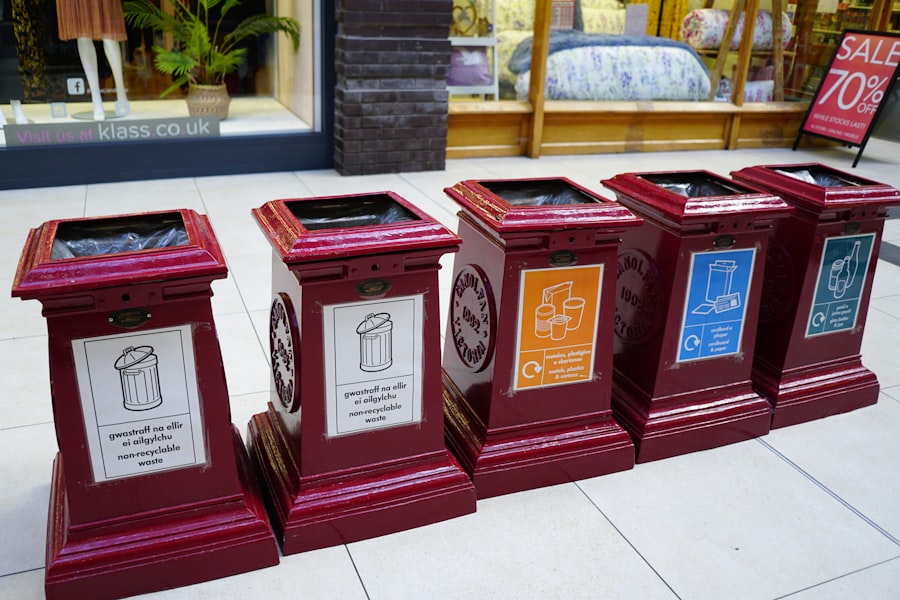
Engaging the community in recycling efforts is essential for building a strong foundation for sustainable waste management practices. Community involvement fosters a sense of ownership and responsibility among residents, encouraging them to take pride in their contributions to environmental conservation. Organizing local events such as clean-up days or recycling drives can bring people together and create opportunities for collaboration while raising awareness about the importance of recycling.
Additionally, involving local schools in recycling initiatives can have a lasting impact on future generations. Educational programs that teach students about waste management and sustainability can instill values that carry into adulthood. By engaging young people in hands-on activities related to recycling, communities can cultivate a culture of environmental stewardship that extends beyond individual households and permeates throughout society.
Collaborating with Local Businesses and Organizations
Collaboration with local businesses and organizations can amplify the impact of curbside recycling initiatives within communities. By partnering with businesses that prioritize sustainability, municipalities can create a network of support that encourages responsible waste management practices across various sectors. For instance, local grocery stores could offer discounts on reusable bags or promote recycling programs at their locations, reinforcing the message of sustainability.
Furthermore, engaging non-profit organizations focused on environmental issues can provide additional resources and expertise for community recycling efforts. These organizations often have established networks and outreach capabilities that can enhance educational initiatives and increase participation rates. By working together, local governments, businesses, and organizations can create a comprehensive approach to recycling that benefits both the environment and the community as a whole.
Utilizing Technology to Encourage Recycling Participation
In today’s digital age, technology offers innovative solutions to encourage curbside recycling participation. Mobile applications designed specifically for waste management can provide users with real-time information about collection schedules, accepted materials, and tips for effective recycling practices. These apps can also include gamification elements that reward users for their recycling efforts, making participation more engaging and enjoyable.
Social media platforms also serve as powerful tools for promoting recycling initiatives. Communities can leverage these platforms to share success stories, highlight local events, and disseminate educational content about recycling practices. By creating an online community centered around sustainability, municipalities can foster a sense of connection among residents while encouraging them to take action in their own households.
Conducting Regular Waste Audits
Conducting regular waste audits is an essential practice for understanding the effectiveness of curbside recycling programs. These audits involve analyzing the composition of waste collected from households to identify trends in disposal habits and areas where improvements are needed. By assessing what materials are being thrown away versus what could have been recycled, communities can gain valuable insights into barriers faced by residents.
The data collected from waste audits can inform targeted interventions aimed at increasing participation rates. For example, if audits reveal high levels of contamination in recycling bins, educational campaigns focused on proper sorting techniques may be necessary. Regularly evaluating waste management practices allows communities to adapt their strategies based on real-time feedback, ensuring that efforts remain relevant and effective.
Monitoring and Evaluating Recycling Participation Rates
Monitoring and evaluating recycling participation rates is crucial for assessing the success of implemented strategies and identifying areas for improvement. Communities should establish clear metrics for measuring participation levels, such as tracking the volume of recyclables collected over time or conducting surveys to gauge resident awareness and engagement with recycling programs. This data-driven approach enables municipalities to make informed decisions about resource allocation and program enhancements.
Additionally, sharing evaluation results with residents fosters transparency and accountability within the community. When individuals see tangible evidence of their collective efforts—such as increased recycling rates or reduced landfill waste—they are more likely to remain engaged in sustainable practices. Regularly monitoring and evaluating participation rates not only helps communities refine their strategies but also reinforces the importance of individual contributions toward achieving shared environmental goals.
Celebrating and Recognizing Recycling Achievements
Celebrating and recognizing recycling achievements is an important aspect of sustaining community engagement in curbside recycling programs. Acknowledging individual or collective efforts fosters a sense of pride among residents and reinforces positive behaviors related to waste management. Communities can organize events or campaigns that highlight successful initiatives or milestones reached in terms of increased recycling rates.
Recognition programs could include awards for neighborhoods with the highest participation rates or public acknowledgments through local media channels. By celebrating achievements, communities not only motivate continued participation but also inspire others to join in their efforts toward sustainability. Creating a culture that values environmental stewardship through recognition helps solidify the importance of curbside recycling as an integral part of community life.
By implementing these strategies thoughtfully, communities can cultivate a culture of sustainability that benefits both residents and the environment alike.
To improve curbside recycling participation rates, communities can benefit from understanding the factors that influence residents’ engagement in recycling programs. A related article that explores various strategies to enhance participation can be found at Hey Did You Know This. This resource provides valuable insights and practical tips for municipalities looking to boost their recycling efforts and foster a more sustainable environment.
WATCH THIS! 🚨 THE RECYCLING LIE: How Big Oil Fooled the World for 50 Years 🚨
FAQs
What is curbside recycling participation?
Curbside recycling participation refers to the percentage of households or residents in a community who regularly use curbside recycling programs to dispose of recyclable materials.
Why is measuring curbside recycling participation rates important?
Measuring participation rates helps municipalities and waste management organizations understand how effectively their recycling programs are being utilized, identify areas for improvement, and develop strategies to increase recycling efforts.
What factors influence curbside recycling participation rates?
Participation rates can be influenced by factors such as public awareness and education, convenience of the recycling program, frequency of collection, types of materials accepted, local policies, and community engagement.
How are curbside recycling participation rates typically measured?
Rates are often measured through surveys, waste audits, or by analyzing the volume or weight of recyclables collected compared to the total number of households served by the program.
What are common barriers to higher curbside recycling participation?
Barriers include lack of awareness or understanding of recycling guidelines, inconvenience, limited access to recycling bins, contamination concerns, and insufficient incentives or enforcement.
How can communities improve curbside recycling participation rates?
Communities can improve participation by providing clear and consistent information, offering convenient and accessible recycling services, implementing incentive programs, conducting outreach and education campaigns, and enforcing recycling policies.
Do curbside recycling participation rates vary by region?
Yes, participation rates can vary widely depending on regional policies, cultural attitudes toward recycling, availability of recycling infrastructure, and socioeconomic factors.
What impact do higher curbside recycling participation rates have?
Higher participation rates generally lead to increased diversion of recyclable materials from landfills, conservation of natural resources, reduction in greenhouse gas emissions, and overall environmental benefits.