When you face a boil water advisory, especially with an infant to care for, the immediate concern shifts to ensuring the safety of their nourishment. Baby formula, a lifeline for many parents, becomes a point of particular scrutiny. This guide is designed to equip you with the knowledge you need to navigate this situation, ensuring your baby’s formula remains safe and nutritious, even when your tap water supply has been compromised.
A boil water advisory is a public health directive issued when a community’s water supply is suspected or confirmed to be contaminated. This contamination can stem from various sources, including:
Causes of Contamination
- Infrastructure Failures: Leaks in water mains, breaks in pipes, or problems at water treatment plants can allow contaminants like bacteria, viruses, or protozoa to enter the potable water system. Think of your water pipes as the veins of your community; a rupture in these veins can introduce unwanted guests.
- Extreme Weather Events: Heavy rainfall, flooding, or snowmelt can overwhelm water treatment systems or wash contaminants into surface water sources, impacting reservoirs and rivers that supply your tap. Nature, in its raw power, can sometimes disturb the best-laid plans of men and water engineers.
- Operational Issues at Treatment Plants: Malfunctions or insufficient disinfection at the water treatment facility can lead to untreated or inadequately treated water entering the distribution system. This is akin to a gatekeeper falling asleep at their post, allowing unauthorized entry.
What Contaminants Mean for Your Baby
The primary concern during a boil water advisory is the presence of harmful microorganisms. For infants, whose immune systems are still developing, exposure to these pathogens can be particularly dangerous, leading to:
Potential Health Risks
- Gastrointestinal Illnesses: Bacteria like E. coli, Salmonella, and Shigella, or viruses like Rotavirus and Norovirus, can cause severe vomiting, diarrhea, abdominal cramps, and dehydration. For a tiny body, even a mild case of dehydration can be a serious threat.
- Serious Infections: In some cases, these contaminants can lead to more severe infections, requiring hospitalization and potentially long-term health consequences. The vulnerability of an infant’s developing body makes them an open target for these microscopic invaders.
- Specific Concerns for Formula Preparation: When preparing powdered or concentrated liquid formula, water is a critical ingredient. If this water is not safe, the formula itself becomes a vehicle for delivering harmful pathogens directly to your baby.
What to Do During an Advisory
Your immediate response should be to cease using tap water for drinking, cooking, brushing teeth, and, importantly, preparing baby formula. You will need to rely on alternative safe water sources or, as detailed below, properly boil and cool your tap water.
When preparing baby formula during a boil water advisory, it’s crucial to follow specific guidelines to ensure your baby’s safety. For detailed instructions on how to properly prepare formula under these circumstances, you can refer to a related article that provides essential tips and information. To learn more, visit this article for comprehensive guidance on safely preparing baby formula during a boil water advisory.
Preparing Formula Safely with Boiled Water
The cornerstone of safe formula preparation during a boil water advisory is proper boiling and cooling of your water. This process is not just a suggestion; it’s your frontline defense against waterborne pathogens.
The Boiling Process
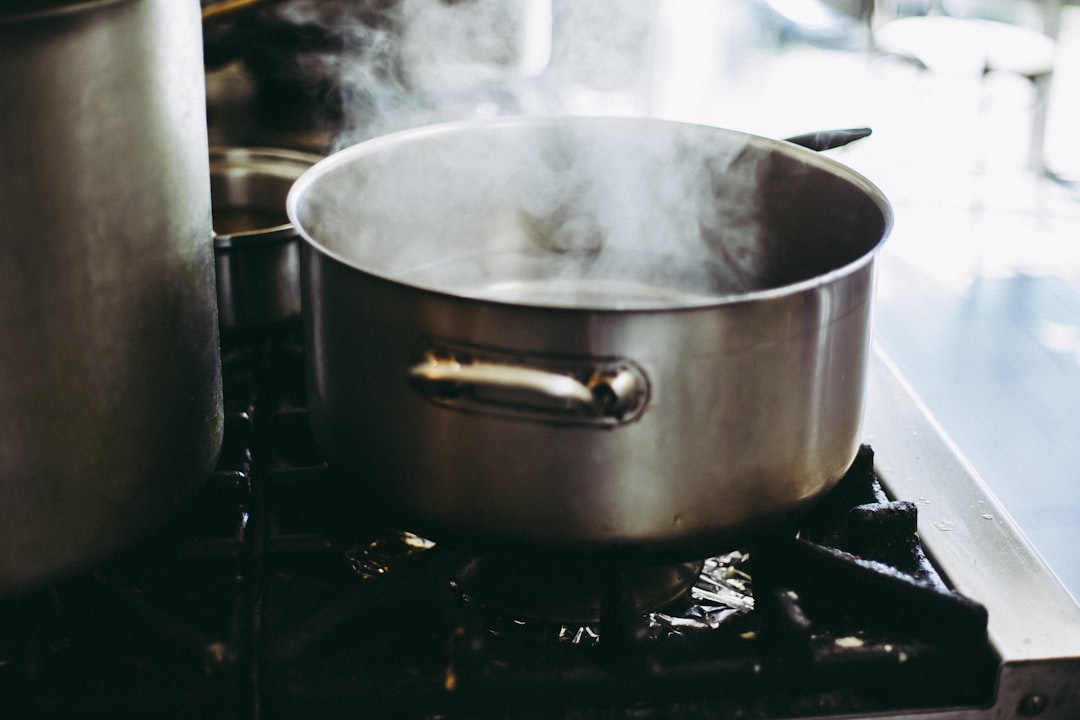
- Bring Water to a Rolling Boil: Place your tap water in a clean pot or kettle. Heat it until it reaches a vigorous, rolling boil. This means you should see large bubbles continuously rising to the surface. This isn’t a gentle simmer; it’s a full-fledged aquatic riot.
- Maintain the Boil: Continue to boil the water for at least one full minute. If you are at an altitude above 6,500 feet (2,000 meters), you should extend this boiling time to three full minutes to account for the lower boiling point at higher elevations. The pressure cooker of the boil – that’s where the magic happens.
Cooling the Boiled Water
This is a critical step that is often overlooked, but it is vital for both safety and the integrity of the formula.
- Cooling Methods: After the required boiling time, remove the pot from the heat. You can let it cool naturally on the counter, or to speed up the process:
- Place the pot in an ice bath: A larger container filled with ice and water can rapidly cool the boiled water.
- Transfer to smaller containers: Pouring the boiled water into smaller, sterile pitchers or bottles will increase the surface area for faster cooling.
- Cool to the Correct Temperature: The water must be cooled to at least 70°C (158°F) before mixing with powdered or concentrated formula. This temperature is still warm enough to effectively kill any remaining microorganisms in the formula powder itself, but not so hot that it destroys beneficial nutrients or poses a scalding risk to your baby.
- When is it 70°C? This is a tricky visual cue. A good rule of thumb is to let the water cool for about 30 minutes after removing it from the boil if left uncovered, or about 10 minutes if it’s in a covered container and not in an ice bath. If you use an ice bath, it will cool faster, but still aim for that lukewarm, not hot, feel.
- Visual Cues and Tactile Assessment: While precise temperature measurement devices might not be readily available in a panic, you can use tactile feedback. The water should feel warm to the touch, but not hot enough to cause discomfort if you were to briefly touch it with your hand. It should be significantly cooler than freshly boiled water but still have a noticeable warmth. Think of it as bathwater temperature, but a bit warmer.
Mixing the Formula
Once your water has been boiled and cooled to the appropriate temperature, you can proceed with mixing the formula according to the instructions on the packaging.
Specific Formula Types
- Powdered Formula: This is the most common type and requires mixing with water in a specific ratio. Ensure the cooled, boiled water is at the correct temperature before adding the powder.
- Concentrated Liquid Formula: This type also needs to be diluted with water. As with powdered formula, use cooled, boiled water.
- Ready-to-Feed Formula: This formula is pre-mixed and sterile. During a boil water advisory, ready-to-feed formula is the safest and most convenient option, as it does not require mixing with your tap water. If you have a supply of ready-to-feed formula, it bypasses the need for boiling and cooling altogether. This is like finding a secure, pre-fabricated shelter when the storm hits – efficient and safe.
Alternative Water Sources

If boiling your tap water presents a significant challenge due to time constraints, fuel limitations, or the sheer volume required, there are alternative safe water sources to consider.
Bottled Water
- Commercial Bottled Water: Commercially bottled water that is intended for drinking is generally considered safe and does not require boiling. Ensure the seal on the bottle is intact. This is your go-to solution when direct boiling is impractical.
- Purchased Water for Formula: When purchasing water specifically for formula preparation, look for labels that indicate it is purified or suitable for infant use.
Stored Water
- Safe Storage Practices: If you have stored potable water at home, ensure it has been stored in clean, food-grade containers and has been properly capped. Water stored in large, sealed containers for emergency preparedness can be a reliable source.
- Limitations of Stored Water: It’s important to note that even stored water may eventually need to be disinfected if the advisory is prolonged, but for immediate needs, properly stored water is a viable option.
Sterilization and Hygiene
During a boil water advisory, maintaining stringent hygiene practices extends beyond just the water itself. Every item that comes into contact with the formula must be impeccably clean and, in most cases, sterilized.
Sterilizing Bottles, Nipples, and Utensils
- Methods of Sterilization:
- Boiling: The most effective method for sterilizing small items like bottles, nipples, and pacifiers is to boil them in water for at least five minutes. Ensure the items are fully submerged.
- Steam Sterilizers: Electric steam sterilizers are also effective. Follow the manufacturer’s instructions for their use.
- Dishwasher Sterilize Cycle: If your dishwasher has a sanitize cycle, it can be used to sterilize items. Ensure the cycle reaches a sufficiently high temperature.
- Drying: After sterilization, air dry all items on a clean drying rack or a clean dish towel in a place where they will not be recontaminated. Avoid towel-drying, as towels can harbor bacteria.
Handwashing
- Crucial for Prevention: Thorough handwashing with soap and safe water (either boiled and cooled or commercially bottled) before preparing formula and before feeding your baby is paramount. This is your personal decontamination protocol.
- Alcohol-Based Hand Sanitizers: If safe water is not readily available for handwashing, an alcohol-based hand sanitizer (with at least 60% alcohol) can be used as a temporary alternative. However, handwashing with soap and water is always preferred.
When preparing baby formula during a boil water advisory, it is crucial to follow specific guidelines to ensure your child’s safety. For detailed instructions on how to properly prepare formula in such situations, you can refer to this informative article that outlines essential steps and precautions. Understanding these guidelines can help you navigate the challenges of a boil water advisory effectively. For more information, visit this article that provides helpful insights on the topic.
When the Advisory is Lifted and What Comes Next
| Step | Instruction | Details | Reason |
|---|---|---|---|
| 1 | Boil Water | Bring tap water to a rolling boil for at least 1 minute. | Kills harmful bacteria and pathogens in the water. |
| 2 | Cool Water | Allow boiled water to cool to about 70°C (158°F) before mixing with formula powder. | Prevents destruction of nutrients in formula powder and reduces risk of burns. |
| 3 | Mix Formula | Add formula powder to the cooled boiled water as per package instructions. | Ensures proper dilution and safety of formula. |
| 4 | Cool to Feeding Temperature | Cool the prepared formula to about body temperature (37°C or 98.6°F) before feeding. | Prevents burns and ensures baby comfort. |
| 5 | Use Immediately or Store Safely | Use formula within 2 hours or store in refrigerator and use within 24 hours. | Prevents bacterial growth and contamination. |
The end of a boil water advisory is a welcome sign, but it doesn’t mean you can immediately revert to your old habits without a moment’s thought.
Gradual Return to Normalcy
- Official Notification: Wait for an official notification from your local water authority that the boil water advisory has been lifted. Do not assume the water is safe just because the advisory notice is no longer posted.
- Flushing Your System: Once the advisory is lifted, it is recommended to flush your household plumbing system. This involves running all cold-water faucets and taps for several minutes to clear out any stagnant water that may have been affected. Flush toilets and run dishwashers and washing machines as well. Think of it as a system-wide fresh start.
Continued Vigilance
- Observe Water Quality: Even after the advisory is lifted, pay attention to the color, odor, and taste of your tap water. If you notice any unusual changes, contact your local water department.
- Long-Term Preparedness: Consider having a supply of bottled water or a reliable water purification system on hand for future emergencies. Being prepared is like having an umbrella ready before the first raindrop falls – it removes the element of surprise.
Dealing with a boil water advisory while caring for an infant requires meticulous attention to detail and a commitment to safety. By understanding the risks and implementing the correct procedures for formula preparation, you can ensure your baby remains healthy and nourished throughout this challenging period. Your role as a caregiver is not just about nurturing; it’s also about safeguarding, and in this instance, that means becoming a temporary expert in water purification.
FAQs
What is a boil water advisory?
A boil water advisory is a public health directive issued when the local water supply may be contaminated with harmful bacteria, viruses, or parasites. It requires residents to boil tap water before using it for drinking, cooking, or preparing food to ensure it is safe.
Why is it important to follow boil water advisory instructions when preparing baby formula?
Babies have developing immune systems and are more vulnerable to waterborne illnesses. Using water that has not been boiled during an advisory can expose infants to harmful pathogens, leading to serious health issues such as diarrhea or infections.
How should I prepare baby formula during a boil water advisory?
To prepare baby formula safely during a boil water advisory, first bring tap water to a rolling boil for at least one minute (or three minutes at higher altitudes). Allow the water to cool to the appropriate temperature before mixing it with formula powder or concentrate according to the manufacturer’s instructions.
Can I use bottled water instead of boiling tap water for baby formula?
Yes, if the bottled water is labeled as sterile or purified, it can be used as an alternative to boiled tap water during a boil water advisory. However, ensure the bottle is unopened and stored properly to avoid contamination.
When can I stop boiling water for baby formula after a boil water advisory?
You should continue boiling water for baby formula until the local health authorities officially lift the boil water advisory. They will confirm that the water supply has been tested and is safe for consumption without boiling.