The vast expanse of the ocean, a symbol of freedom and global connection, can also be a theater of unimaginable suffering. Beneath the surface of international trade and the romanticized notion of seafaring lies a grim reality: the persistent problem of modern slavery at sea. Seafarers, the indispensable workforce powering global commerce, are frequently subjected to abhorrent conditions that strip them of their dignity, liberty, and fundamental human rights. This article will delve into the multifaceted nature of boat crew conditions, exposing the systemic issues that contribute to this pervasive form of modern slavery.
The maritime industry is the bedrock upon which global trade is built. An estimated 90% of world trade is transported by sea, a logistical feat made possible by hundreds of thousands of seafarers who spend months, often years, away from their families, navigating treacherous waters and enduring challenging circumstances. These individuals, hailing from diverse backgrounds and socio-economic strata, are the unsung heroes who ensure that manufactured goods, raw materials, and essential commodities reach their destinations. Their labor is the invisible engine that drives economies, yet their welfare is too often an afterthought. You can learn more about the issue of shrimp slavery in this informative video.
The Scale of the Problem
Estimating the precise number of seafarers trapped in situations akin to modern slavery is a formidable task. However, reports from international organizations, maritime charities, and investigative journalists consistently point to a deeply entrenched problem. Anecdotal evidence and documented cases paint a stark picture of exploitation, where individuals are lured by promises of decent work and a chance to provide for their families, only to find themselves ensnared in a web of debt, coercion, and abuse. The complex nature of international maritime law and the transient lifestyle of seafarers create a fertile ground for such abuses to flourish, often shielded from public scrutiny.
The Economic Drivers of Exploitation
The relentless pursuit of profit within the shipping industry undeniably plays a significant role in the perpetuation of poor crew conditions. To maximize returns, some shipping companies and manning agencies resort to cost-cutting measures that directly impact the human element. This can manifest as inadequate wages, insufficient provisions, poor vessel maintenanceleading to unsafe working environments, and a general disregard for the seafarers’ well-being. The pressure to remain competitive in a globalized market can create a moral hazard, where ethical considerations are sidelined in favor of financial gain.
The issue of boat crew conditions and modern slavery is a pressing concern in the maritime industry, highlighting the exploitation faced by many workers at sea. For a deeper understanding of this topic, you can read a related article that explores the various dimensions of this issue and the efforts being made to combat it. Check out the article here: Boat Crew Conditions and Modern Slavery.
Forms of Exploitation: Beyond Low Wages
Modern slavery at sea is not a monolithic issue; it encompasses a spectrum of exploitative practices that rob seafarers of their autonomy and dignity. While low wages are a common symptom, the reality for many seafarers goes far beyond mere financial hardship.
Wage Theft and Unpaid Wages
One of the most prevalent forms of exploitation is the withholding or non-payment of wages. Seafarers often sign contracts with seemingly fair compensation, only to discover that their earnings are systematically delayed, partially paid, or never disbursed at all. This wage theft can have devastating consequences for the seafarers and their families. Without these crucial funds, they struggle to meet basic needs, pay off debts, and support loved ones back home. The accumulated unpaid wages can become a noose around their necks, trapping them on board as they desperately seek what is rightfully theirs.
The Role of Manning Agents
Manning agents, intermediaries responsible for recruiting and supplying seafarers to shipping companies, often play a dual role. While many operate ethically, some have been implicated in exploitative practices. They may charge exorbitant recruitment fees, effectively plunging seafarers into debt bondage from the outset. Furthermore, some agents may collude with shipping companies to facilitate wage theft, taking a cut of illicit profits or turning a blind eye to the suffering of the crews they supply.
Excessive Working Hours and Lack of Rest
The International Labour Organization’s Maritime Labour Convention (MLC, 2006) sets limits on working hours and mandates minimum periods of rest for seafarers. However, these regulations are frequently ignored. Seafarers are often compelled to work exceptionally long hours, far exceeding legally permitted limits, to compensate for understaffing or to meet demanding shipping schedules. This relentless schedule erodes their physical and mental well-being, increasing the risk of accidents and jeopardizing the safety of the vessel and its cargo. The lack of adequate rest is like a relentless wave crashing against their resilience, eventually breaking it.
The Impact on Mental Health
Chronic fatigue and prolonged periods of intense work without sufficient rest have a profound and detrimental impact on the mental health of seafarers. They are often isolated, cut off from their support networks, and subjected to stressful working conditions. The cumulative effect of sleep deprivation, constant pressure, and the psychological toll of their situation can lead to anxiety, depression, and even suicidal thoughts. The vastness of the ocean can transform from a place of wonder to one of profound loneliness and despair.
Unsafe Working and Living Conditions
The physical environment on board many vessels can be perilous. Poor maintenance, inadequate safety equipment, and the absence of proper sanitation facilities create a breeding ground for accidents and ill health. Seafarers may be forced to work with faulty machinery, in hazardous weather conditions, or in confined spaces with poor ventilation.
Inadequate Accommodation and Provisions
Living quarters are often cramped, poorly maintained, and lacking in basic amenities. Food supplies can be of inferior quality or insufficient quantity, leading to malnutrition. The absence of clean water and proper hygiene facilities further exacerbates health risks. These conditions transform the vessel from a workplace into a microcosm of neglect, where the basic human need for safety and comfort is denied.
Abuse and Harassment
Physical, verbal, and psychological abuse by senior officers are not uncommon occurrences. Seafarers may be subjected to bullying, intimidation, and even physical violence. This often occurs with impunity, as many seafarers fear reporting such incidents, fearing repercussions such as dismissal, unpaid wages, or being stranded in foreign ports. This creates a climate of fear, where the hierarchy of the vessel can become a tool of oppression rather than effective leadership.
The Fear of Retaliation
Many seafarers are hesitant to speak out against their employers or reporting abuse for fear of jeopardizing their future employment prospects. They may also be bound by contractual obligations or indebted to manning agents, further limiting their ability to seek help. This fear of retaliation acts as a powerful silencer, perpetuating the cycle of abuse.
The Legal Vacuum and Enforcement Gaps

The international legal framework governing maritime labor is extensive, with the MLC, 2006, being a cornerstone. However, the effective implementation and enforcement of these regulations are often lacking, leaving seafarers vulnerable.
Flag State Responsibilities
Each ship is registered under a “flag state,” which is responsible for ensuring that the vessel complies with international maritime regulations. However, some flag states have weak regulatory oversight or lack the resources to effectively monitor and enforce standards. This can lead to a race to the bottom, where shipping companies opt for flag states with lax regulations, creating a haven for exploitative practices. The flag flown by a vessel should be a symbol of compliance, but for some, it becomes a cloak of invisibility for exploitation.
The Challenge of Port State Control
Port State Control (PSC) authorities have the power to inspect foreign-flagged vessels in their ports to ensure compliance with international conventions. While PSC plays a crucial role, its effectiveness is limited by the sheer volume of maritime traffic and the resources available to inspection bodies. Additionally, PSC inspections are often reactive rather than proactive, meaning that abuses may persist until a vessel is flagged for inspection.
The Role of International Organizations
International organizations like the International Labour Organization (ILO) and the International Maritime Organization (IMO) play vital roles in setting standards and advocating for seafarers’ rights. However, their ability to directly enforce these standards is limited. They rely on member states to ratify and implement conventions, and their influence is primarily through persuasion and the dissemination of best practices.
The Human Cost: Stranded Crews and Debt Bondage
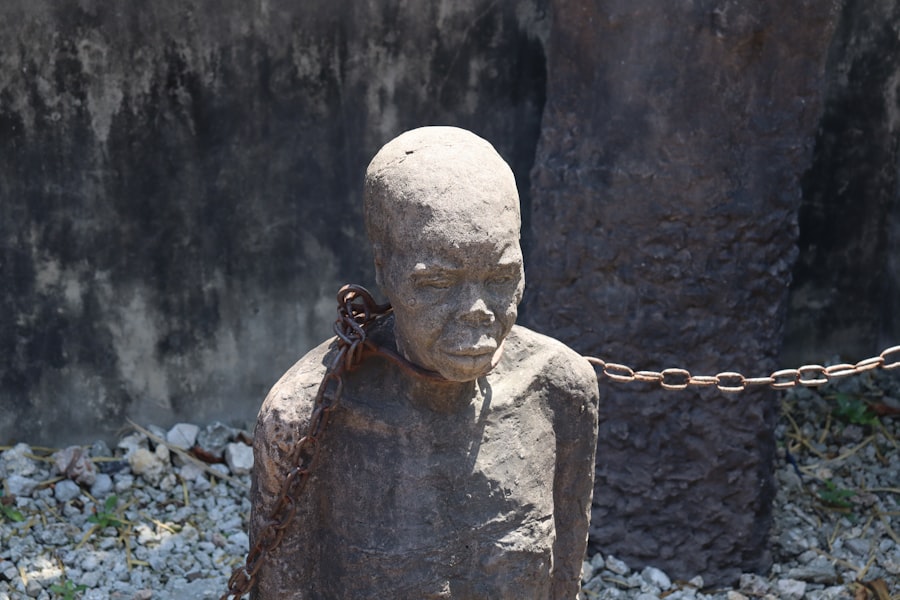
The consequences of these exploitative conditions can be devastating, leading to situations where seafarers are effectively held captive.
Abandoned Crews
One of the most tragic manifestations of modern slavery at sea is the abandonment of crews. Shipping companies, often facing financial difficulties or bankruptcy, simply cease to operate, leaving seafarers stranded on board vessels with noMeans of communication, no provisions, and no wages. These seafarers are effectively hostages, their lives hanging in the balance as they await rescue or repatriation. The ship becomes a floating prison, a monument to broken promises and abandoned lives.
The Legal and Humanitarian Response
International conventions and the efforts of maritime charities and unions are crucial in addressing the issue of abandoned crews. However, the process of repatriation can be lengthy and complex, involving negotiations with ship owners, flag states, and potentially multiple legal jurisdictions.
Debt Bondage
Many seafarers begin their careers with significant debts incurred to secure employment, such as recruitment fees or training costs. When coupled with unpaid wages or low earnings, this debt can escalate, trapping them in a cycle of financial servitude. They become bound to their employers, unable to leave until their financial obligations are met, which, in many cases, may never happen. The debt becomes an invisible chain, binding them to a life they desperately wish to escape.
The Psychological Burden of Debt
The constant pressure of debt and the inability to provide for their families weigh heavily on seafarers. This psychological burden exacerbates the stress and isolation of life at sea, contributing to mental health issues and a profound sense of despair.
The issue of boat crew conditions and modern slavery has gained increasing attention in recent years, highlighting the urgent need for reform in the maritime industry. A related article discusses the alarming prevalence of exploitation faced by seafarers, shedding light on the often-hidden realities of their working environments. For more insights on this critical topic, you can read the full article here. This resource provides valuable information that can help raise awareness and drive change in the fight against modern slavery at sea.
Towards a Safer and More Just Maritime Future
| Metric | Description | Typical Range/Value | Relevance to Modern Slavery |
|---|---|---|---|
| Working Hours per Week | Average number of hours worked by crew members weekly | 70-100 hours | Excessive hours indicate forced labor conditions |
| Wages Paid | Monthly or weekly wages received by crew | Below minimum wage or unpaid | Non-payment or underpayment is a sign of exploitation |
| Freedom of Movement | Ability of crew to leave the vessel freely | Restricted or denied | Restricted movement is a key indicator of modern slavery |
| Access to Communication | Ability to communicate with family or authorities | Limited or no access | Isolation increases vulnerability to abuse |
| Living Conditions | Quality and safety of onboard accommodations | Overcrowded, unsanitary | Poor conditions reflect neglect and abuse |
| Contract Transparency | Clarity and fairness of employment contracts | Contracts often withheld or in foreign languages | Lack of transparency facilitates exploitation |
| Incidence of Physical or Psychological Abuse | Reported cases of abuse among crew | High in reported cases | Abuse is a direct form of modern slavery |
| Recruitment Fees | Fees paid by crew to secure employment | Often high, leading to debt bondage | Debt bondage is a form of modern slavery |
Addressing modern slavery at sea requires a multi-pronged approach involving governments, the shipping industry, international organizations, and civil society.
Strengthening Regulation and Enforcement
It is imperative to strengthen the enforcement of existing maritime labor laws and conventions. This includes increasing the effectiveness of flag state accountability and port state control inspections. Stricter penalties for violations and greater transparency in the shipping industry are also essential deterrents.
Ethical Recruitment and Fair Employment Practices
The recruitment process needs to be made more transparent and ethical. Manning agents should be rigorously vetted and held accountable for exploitative practices. Shipping companies must commit to fair wages, timely payments, and decent working and living conditions for their crews.
Enhanced Welfare and Support Systems
Investing in seafarer welfare initiatives, including access to legal support, counseling services, and effective grievance mechanisms, is crucial. Maritime charities and unions play an invaluable role in providing assistance to seafarers in distress, and their efforts need to be adequately supported.
Consumer and Investor Responsibility
Ultimately, consumers and investors also have a role to play. By demanding greater transparency and ethical sourcing in supply chains, and by supporting companies with a proven commitment to seafarer welfare, a ripple effect can be created, encouraging the entire industry to raise its standards. The choices made on land can have a profound impact on the lives of those who toil at sea.
The fight against modern slavery at sea is a fight for basic human dignity and fundamental rights. By shining a light on these often-hidden conditions and advocating for systemic change, we can work towards a future where the vast oceans are no longer a sanctuary for exploitation but rather a testament to the fair and ethical treatment of all those who dedicate their lives to sailing them.
FAQs
What are common indicators of modern slavery among boat crew members?
Common indicators include excessive working hours without rest, withholding of wages or identity documents, restricted freedom of movement, poor living and working conditions, and threats or intimidation by employers or crew leaders.
How prevalent is modern slavery in the maritime industry?
Modern slavery remains a significant issue in the maritime industry, with thousands of seafarers worldwide affected by forced labor, human trafficking, and exploitation, particularly on fishing vessels and cargo ships operating in international waters.
What legal protections exist for boat crew members against modern slavery?
International laws such as the Maritime Labour Convention (MLC) 2006, the International Labour Organization (ILO) conventions, and national laws provide protections for seafarers, including rights to fair wages, safe working conditions, and freedom from forced labor.
What steps can be taken to improve the conditions of boat crew and combat modern slavery?
Improving conditions involves stricter enforcement of labor laws, regular inspections of vessels, better reporting mechanisms for abuse, increased awareness and training for crew members, and collaboration between governments, shipping companies, and NGOs.
How can consumers and companies help address modern slavery in the maritime sector?
Consumers and companies can support ethical sourcing policies, demand transparency in supply chains, engage with certification programs, support organizations fighting maritime slavery, and advocate for stronger regulations and enforcement to protect seafarers.