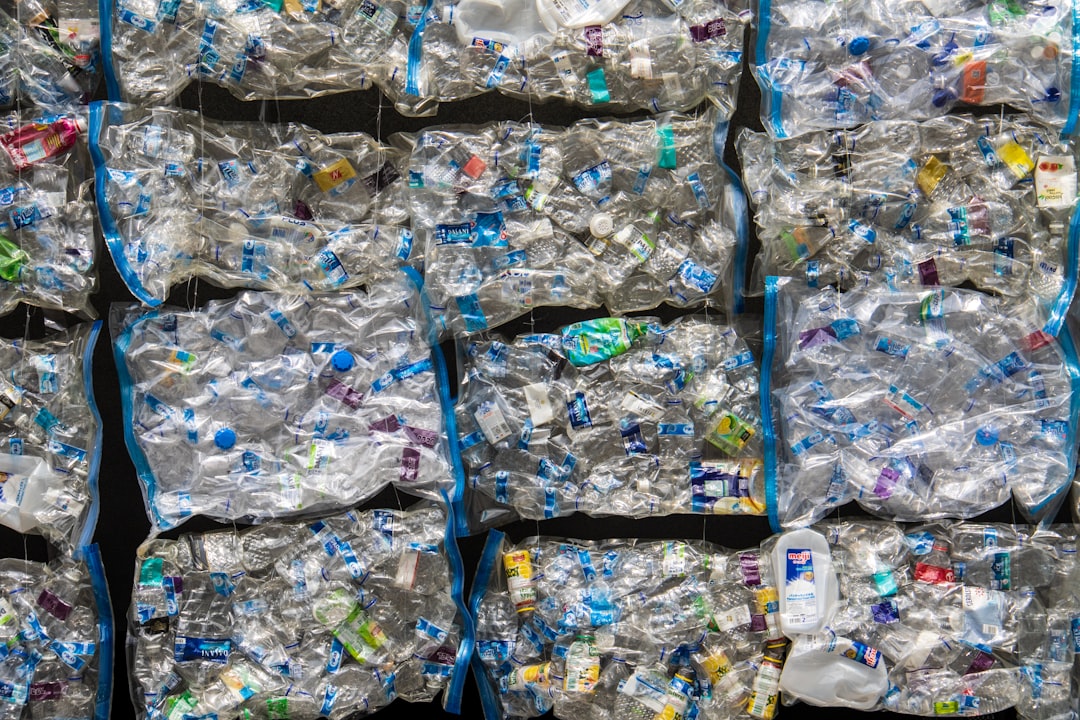
For decades, the public has been lulled into believing that the fossil fuel industry, often referred to as “Big Oil,” is a willing participant in the global push towards environmental sustainability. This narrative has been meticulously crafted through extensive marketing campaigns, sponsorships, and a steady stream of positive press, all emphasizing the industry’s commitment to recycling and a cleaner future. However, a closer examination reveals a starkly different reality: a carefully orchestrated deception designed to deflect criticism and maintain the status quo, all while the planet continues to bear the brunt of their operations.
The Dawn of the Recycling Narrative
The concept of recycling, as a societal endeavor to reduce waste and conserve resources, gained significant traction in the latter half of the 20th century. As environmental awareness grew, so did the pressure on industries to demonstrate their commitment to responsible practices. Big Oil, sensing an opportunity to rebrand itself from a polluting behemoth to a conscientious corporate citizen, seized upon the recycling narrative with remarkable alacrity.
Early Forays into Public Relations
The initial forays of the fossil fuel industry into environmental messaging were often subtle. Instead of outright claiming to be “green,” they focused on associating themselves with positive environmental actions, such as supporting recycling initiatives or funding ecological research. These were akin to planting a few flowers in a barren landscape, creating a surface-level impression of verdancy without addressing the underlying ecological decay.
The Plastic Paradox: A Core Component of the Deception
Perhaps the most egregious aspect of Big Oil’s recycling deception lies in its central role in the production of plastics. In reality, the vast majority of plastic production is derived from fossil fuels, primarily oil and natural gas. The very materials that are supposed to be recycled are, in essence, byproducts of the industry that perpetuates their creation.
The Chemical Connection: Oil and Plastic are Inseparable
The extraction and refining of crude oil and natural gas yield various components, many of which are crucial feedstocks for the petrochemical industry. These feedstocks are then transformed through complex chemical processes into the polymers that form the backbone of virtually all modern plastics. This intimate, and frankly inescapable, connection means that any significant reduction in plastic production would have a direct impact on the demand for fossil fuels.
The Myth of “Recyclable” Plastics
For years, consumers have been encouraged to diligently sort their plastic waste, believing that it will be transformed into new products. However, the reality of plastic recycling is far more complex and, in many cases, far less effective than advertised. Many types of plastic are not economically viable to recycle, and even those that are often undergo a process of “downcycling,” where they are transformed into lower-quality products that eventually end up in landfills or incinerators. This is akin to telling someone they can mend a torn garment with patches, when in fact, the garment is unraveling with every stitch.
The Economic Realities of Plastic Recycling
The economic viability of plastic recycling is a perpetual hurdle. The cost of collecting, sorting, and processing used plastic often exceeds the cost of producing virgin plastic from fossil fuels. This economic imbalance, coupled with the technical challenges of dealing with a diverse array of plastic types and contaminants, creates a situation where only a fraction of plastic waste is effectively recycled.
Big Oil’s Investment in Plastic Production: A Clear Conflict of Interest
The fossil fuel industry has been actively investing billions of dollars in expanding its petrochemical operations, specifically to increase the production of plastics. This is a direct contradiction to any genuine commitment to reducing plastic waste. It signals a clear intention to continue producing plastic at scale, making the recycling narrative a convenient smokescreen to appease public concern.
The Greenwashing Machine: A Masterclass in Misdirection
“Greenwashing” – the practice of making misleading claims about the environmental benefits of a product or company – is a tool in which Big Oil has become a seasoned expert. Their elaborate public relations strategies often involve highlighting minor environmental initiatives while downplaying or ignoring the substantial environmental impact of their core business.
Targeted Advertising and Public Perception
The primary goal of Big Oil’s greenwashing campaigns is to shape public perception. Through televisi
FAQs
What is the main claim of the article “How Big Oil Fooled the World About Recycling”?
The article claims that major oil companies misled the public about the effectiveness and environmental benefits of plastic recycling to protect their profits from producing new plastic.
How did big oil companies influence public perception of plastic recycling?
Big oil companies funded campaigns and promoted the idea that recycling plastic was a simple and effective solution, while downplaying the limitations and low recycling rates of plastics.
What are some challenges associated with plastic recycling mentioned in the article?
The article highlights issues such as the low percentage of plastic that is actually recycled, contamination in recycling streams, and the economic difficulties of recycling certain types of plastics.
Why is plastic recycling not as effective as commonly believed?
Plastic recycling is limited by technical, economic, and logistical barriers, resulting in most plastic waste ending up in landfills or the environment rather than being reused.
What impact did the misinformation about recycling have on environmental policies?
The misinformation allowed continued high production of virgin plastic, delayed stronger regulations on plastic production, and shifted responsibility for plastic waste onto consumers rather than producers.