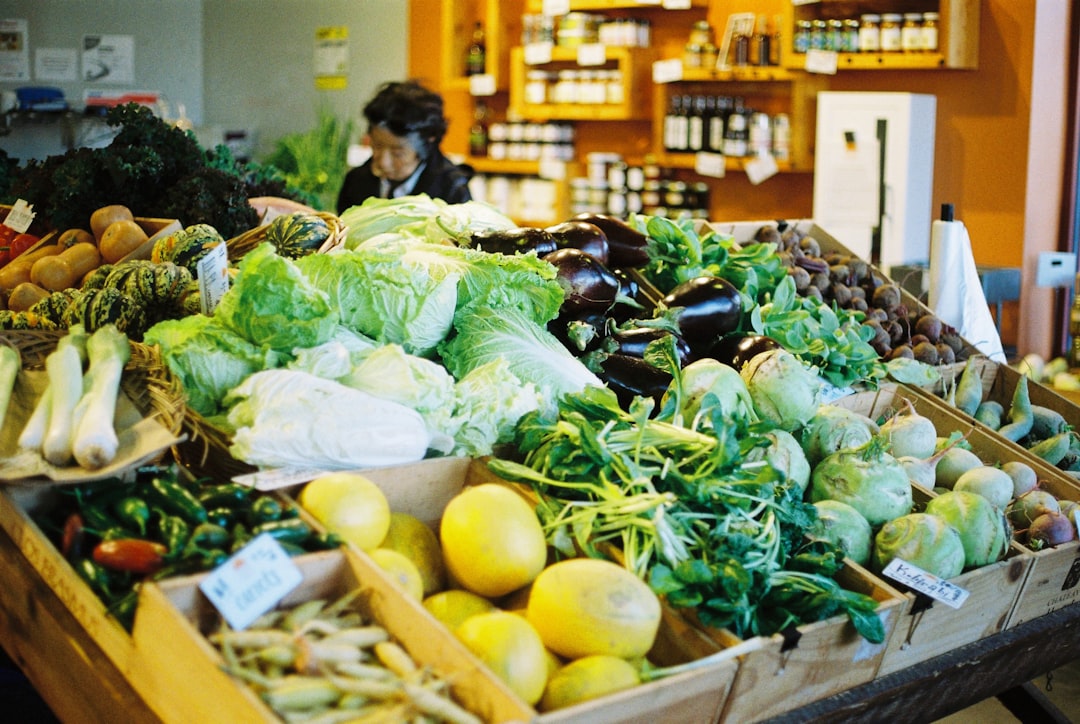
In recent years, the organic food industry has experienced substantial growth, driven by increased consumer awareness of health and environmental concerns. Organic products have become more widely available in retail settings, marketed on the basis of health benefits and sustainability advantages. This expansion reflects consumer interest in alternatives to conventional food production methods that typically involve pesticides, synthetic additives, and genetically modified organisms (GMOs).
The organic food movement encompasses both health and ethical dimensions. Environmental sustainability and animal welfare considerations influence purchasing decisions for many consumers. As demand for production transparency increases, the organic sector has responded with expanded offerings.
Agricultural producers have increasingly adopted organic certification standards, resulting in a broader range of products that emphasize quality and sustainable production methods.
Key Takeaways
- Organic food popularity is growing due to health and environmental benefits.
- Misleading labels and marketing tactics can deceive consumers about organic authenticity.
- Certifications play a crucial role in verifying genuine organic products.
- Government regulations are essential to combat organic food deception and protect consumers.
- Supporting local and small-scale organic farms promotes transparency and sustainability.
The Benefits of Organic Food
When you choose organic food, you are not just making a dietary choice; you are also investing in your health and well-being.
This means that when you bite into an organic apple or savor a salad made from organic greens, you are likely experiencing a taste that is richer and more vibrant.
Additionally, many studies suggest that organic produce may contain higher levels of certain nutrients, including antioxidants, which can contribute to better overall health. Beyond personal health benefits, choosing organic food can also have a positive impact on the environment. Organic farming practices prioritize soil health and biodiversity, which can lead to healthier ecosystems.
When you support organic agriculture, you are contributing to sustainable farming methods that reduce pollution and conserve water. This holistic approach not only benefits your health but also helps protect the planet for future generations. By opting for organic products, you are making a conscious choice that aligns with your values regarding environmental stewardship.
Understanding Organic Food Labels
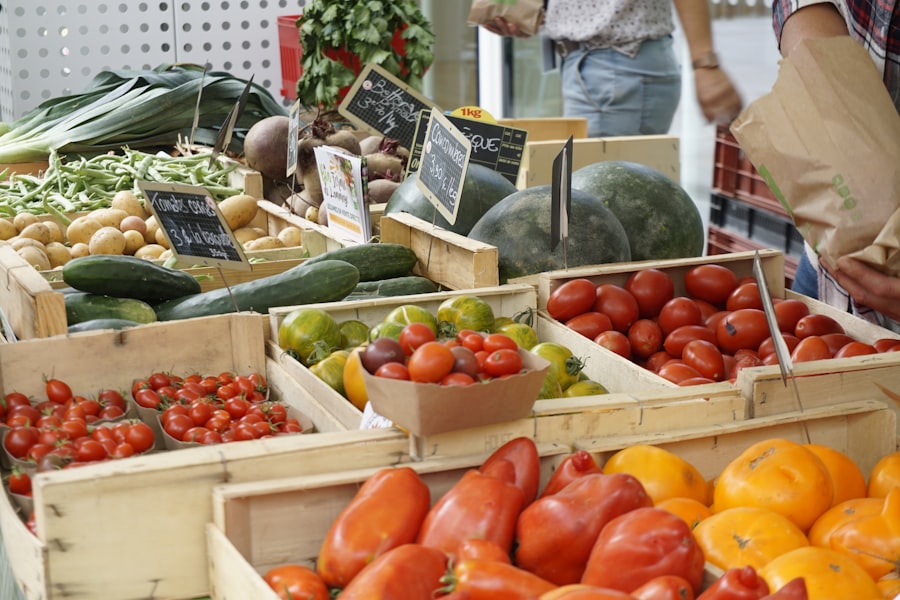
As you explore the world of organic food, it is essential to familiarize yourself with the various labels and certifications that indicate a product’s organic status. The term “organic” can be confusing, especially when you encounter different labels on packaging. In the United States, for instance, the USDA (United States Department of Agriculture) regulates organic labeling and has established specific criteria for what qualifies as organic.
When you see the USDA Organic seal on a product, it signifies that at least 95% of the ingredients are organically produced. However, not all labels are created equal. You may come across terms like “made with organic ingredients” or “100% organic,” each carrying different meanings.
Understanding these distinctions is crucial for making informed choices at the grocery store. For example, products labeled “made with organic ingredients” must contain at least 70% organic components but cannot display the USDA Organic seal.
The Problem with Organic Food Deception
Despite the growing popularity of organic food, there is an unfortunate reality: not all products marketed as organic are genuinely so. You may have encountered instances where companies exploit the organic label for profit without adhering to the rigorous standards associated with true organic farming. This deception can undermine consumer trust and dilute the integrity of the organic movement.
As a conscientious shopper, it is essential to be aware of these issues to ensure that your choices reflect your values. The problem of organic food deception is compounded by the complexity of regulations and certifications in different regions. You might find yourself questioning whether a product labeled as “organic” truly meets the standards set forth by regulatory bodies.
This uncertainty can lead to frustration and confusion as you strive to make informed decisions about your food choices. It is crucial to remain vigilant and informed about the potential pitfalls in the organic food market to protect yourself from misleading claims.
Misleading Marketing Tactics
| Metric | Description | Value | Source/Year |
|---|---|---|---|
| Percentage of Consumers Misled by Organic Labels | Share of consumers who believe all organic-labeled products are pesticide-free | 65% | Consumer Reports, 2022 |
| Incidence of False Organic Claims | Percentage of organic products found to have misleading or false organic certification | 12% | USDA Organic Integrity Report, 2023 |
| Consumer Trust in Organic Certification | Percentage of consumers who trust organic certification labels | 78% | Organic Trade Association Survey, 2023 |
| Price Premium Paid for Organic Products | Average price increase consumers pay for organic vs. conventional products | 30% | MarketWatch, 2023 |
| Percentage of Consumers Confused by ‘Natural’ vs ‘Organic’ | Consumers who confuse ‘natural’ labeling with ‘organic’ certification | 54% | FDA Consumer Study, 2022 |
| Reported Cases of Organic Food Fraud | Number of reported fraud cases involving organic food mislabeling | 150 cases | Interpol Food Fraud Report, 2023 |
In your quest for healthy and sustainable food options, you may encounter various marketing tactics designed to mislead consumers about the authenticity of organic products. Companies often use buzzwords like “natural,” “farm-fresh,” or “eco-friendly” to create an illusion of quality without necessarily adhering to organic standards. These terms can be enticing but may not hold any regulatory weight.
As a savvy consumer, it is essential to recognize these tactics and understand that they do not guarantee a product’s organic integrity. Moreover, packaging plays a significant role in shaping your perception of a product’s quality. Bright colors, appealing images, and catchy slogans can create an emotional connection that influences your purchasing decisions.
However, it is vital to look beyond the surface and investigate the actual ingredients and certifications behind the marketing claims. By being aware of these misleading tactics, you can make more informed choices that align with your commitment to genuine organic products.
The Importance of Certifications
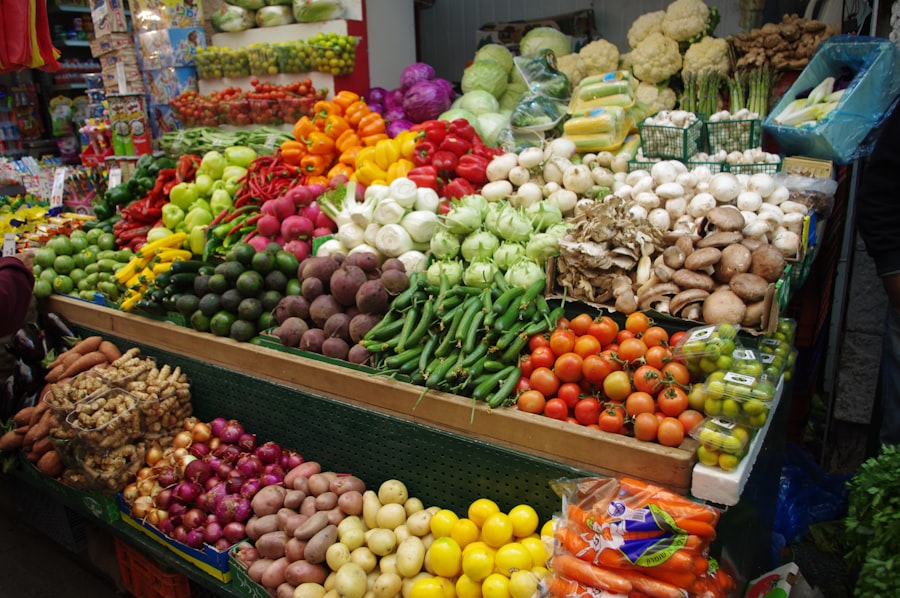
Certifications serve as a crucial tool for ensuring that the products you purchase meet specific standards of quality and authenticity. When it comes to organic food, certifications provide a level of assurance that can help you navigate the complexities of the market. You may find comfort in knowing that products bearing recognized certifications have undergone rigorous testing and inspection processes to verify their compliance with organic standards.
In addition to USDA Organic certification in the United States, various other organizations offer certifications for organic products worldwide. Familiarizing yourself with these certifications can empower you to make informed choices when shopping for organic foods. For instance, if you come across a product certified by an independent organization known for its stringent standards, you can feel more confident in its authenticity.
By prioritizing certified organic products, you contribute to a marketplace that values transparency and accountability.
The Impact of Organic Food Deception on Consumers
The prevalence of deception in the organic food market can have far-reaching consequences for consumers like you. When companies misrepresent their products as organic, they not only undermine your trust but also compromise your ability to make informed choices about your health and well-being. You may find yourself questioning whether the premium price tag associated with organic foods is justified or if you’re simply paying for marketing hype.
Moreover, this deception can lead to disillusionment with the entire organic movement. If consumers feel misled or disappointed by their experiences with so-called organic products, they may become skeptical about the benefits of choosing organic altogether. This skepticism can hinder progress toward more sustainable agricultural practices and diminish support for genuine organic farmers who adhere to ethical standards.
As a consumer, your awareness and advocacy for transparency in the market are essential in fostering a healthier food system.
How to Avoid Organic Food Deception
To navigate the complexities of the organic food market successfully, there are several strategies you can employ to avoid falling victim to deception. First and foremost, educate yourself about what constitutes true organic practices and familiarize yourself with reputable certifications. By understanding the standards associated with various labels, you can make more informed decisions when shopping for groceries.
Additionally, consider supporting local farmers’ markets or community-supported agriculture (CSA) programs where you can directly interact with producers and learn about their farming practices. Building relationships with local farmers allows you to ask questions about their methods and gain insight into their commitment to organic principles. By prioritizing transparency and authenticity in your food choices, you empower yourself to make decisions that align with your values.
The Role of Government Regulations
Government regulations play a pivotal role in shaping the landscape of the organic food industry. These regulations establish standards for what qualifies as organic and help protect consumers from misleading claims. As a consumer, understanding these regulations can enhance your ability to make informed choices about the products you purchase.
In many countries, including the United States, regulatory bodies like the USDA oversee the certification process for organic farms and products. These agencies set forth guidelines that farmers must follow to maintain their organic status, ensuring that consumers like you can trust the integrity of what you’re buying. However, it’s essential to remain vigilant about potential loopholes or inconsistencies in enforcement that could allow deceptive practices to persist within the industry.
Supporting Local and Small-Scale Organic Farms
One effective way to ensure that your food choices align with your values is by supporting local and small-scale organic farms. When you purchase directly from these producers, you often have greater access to information about their farming practices and commitment to sustainability. You may find that local farmers take pride in their work and are eager to share their knowledge about how they grow their crops without synthetic chemicals or harmful additives.
By choosing to support local farms, you contribute not only to your health but also to your community’s economy and resilience. Small-scale farmers often prioritize ethical practices over mass production, fostering biodiversity and promoting soil health in ways that large agribusinesses may overlook. Your support helps create a more sustainable food system while ensuring that your purchases reflect your commitment to genuine organic practices.
The Future of Organic Food Industry
As you look ahead at the future of the organic food industry, it is clear that consumer demand will continue to shape its trajectory. With increasing awareness of health issues and environmental concerns, more individuals like yourself are likely to seek out authentic organic options in their diets. This growing interest presents both opportunities and challenges for producers as they strive to meet consumer expectations while maintaining ethical practices.
Innovation will play a crucial role in addressing these challenges as farmers adopt new technologies and methods that enhance sustainability without compromising quality. Additionally, as regulatory frameworks evolve in response to consumer demands for transparency, there is potential for greater accountability within the industry. By remaining engaged and informed as a consumer, you can contribute to shaping a future where genuine organic practices thrive alongside a commitment to health and environmental stewardship.
In conclusion, navigating the world of organic food requires awareness and discernment on your part as a consumer. By understanding the benefits of organic food, recognizing misleading marketing tactics, supporting local farms, and advocating for transparency in labeling and certification processes, you can make informed choices that align with your values while contributing positively to both your health and the environment.
Consumer deception in the organic food market has become a pressing issue, as many shoppers are misled by labels that may not accurately reflect the product’s true nature. A related article that delves deeper into this topic can be found here: Understanding Organic Food Labels: What You Need to Know. This article explores the complexities of organic certification and offers insights into how consumers can make more informed choices when shopping for organic products.
FAQs
What is organic food consumer deception?
Organic food consumer deception refers to misleading practices where products are falsely labeled or marketed as organic, causing consumers to believe they are purchasing genuine organic items when they are not.
How can consumers identify genuine organic food?
Consumers can look for certified organic labels from recognized authorities, such as USDA Organic in the United States or EU Organic in Europe. Checking for certification seals and verifying the producer’s credentials can help ensure authenticity.
What are common forms of deception in organic food marketing?
Common deceptive practices include mislabeling conventional products as organic, using vague terms like “natural” or “eco-friendly” without certification, and selling products with partial organic ingredients as fully organic.
Why is organic food consumer deception a concern?
Deception undermines consumer trust, can lead to health risks if non-organic pesticides or chemicals are present, and harms genuine organic producers by creating unfair competition.
Are there regulations to prevent organic food consumer deception?
Yes, many countries have strict regulations and certification processes to ensure organic labeling accuracy. Regulatory bodies conduct inspections and impose penalties for fraudulent claims.
What should consumers do if they suspect organic food deception?
Consumers should report suspicious products to relevant regulatory authorities or consumer protection agencies. They can also share their concerns with retailers or certification bodies to prompt investigations.
Does organic food consumer deception affect pricing?
Yes, deceptive labeling can lead to consumers paying premium prices for products that do not meet organic standards, resulting in financial loss and market distortion.
How prevalent is organic food consumer deception?
While exact prevalence varies by region, studies and reports indicate that organic food fraud and deception occur worldwide, prompting increased regulatory scrutiny and consumer awareness efforts.