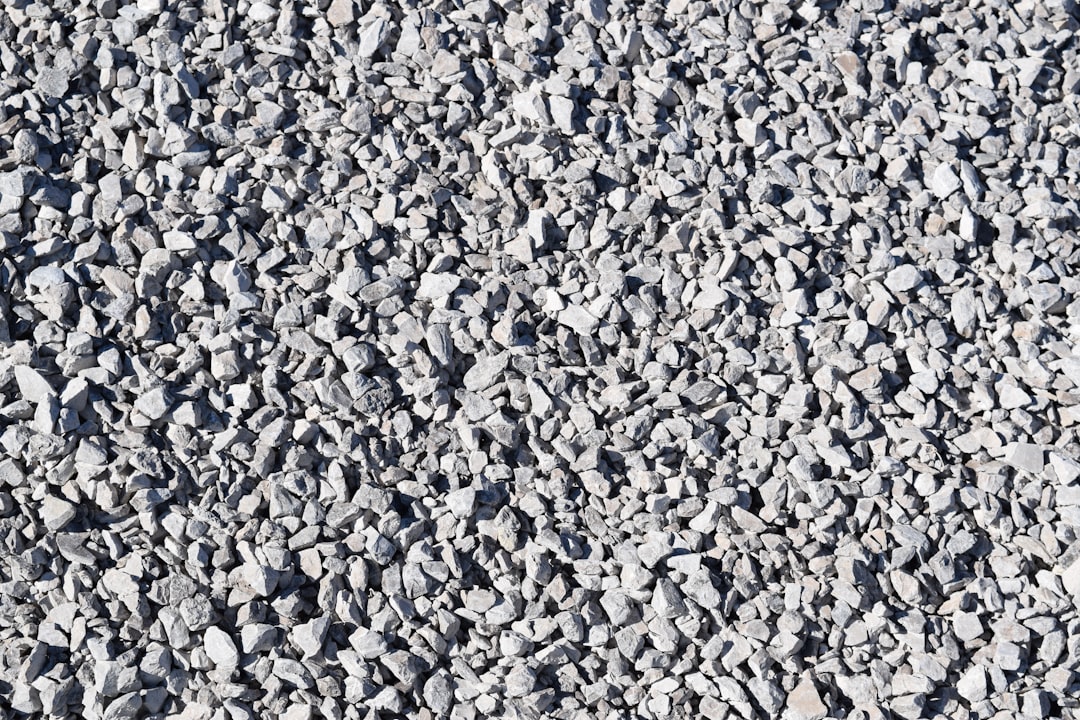
The construction industry is a significant consumer of natural resources and a major contributor to waste generation. The extraction of virgin aggregates, such as sand and gravel, has environmental implications, including habitat destruction, visual impact, and depletion of finite resources. Simultaneously, the demolition of existing structures generates vast quantities of concrete waste, which often ends up in landfills, posing a disposal challenge and representing lost material value. Within this context, the utilization of recycled concrete aggregates (RCAs) emerges as a practical and environmentally conscious solution, offering a compelling combination of sustainability and cost-effectiveness. By diverting concrete waste from landfills and reducing the demand for virgin materials, RCAs play a crucial role in fostering a more circular economy within the construction sector.
Recycled concrete aggregates are produced from the crushing and processing of waste concrete, typically sourced from demolition sites. This material undergoes a series of mechanical processes to remove contaminants such as wood, plaster, asphalt, and other debris. The resulting material is then screened and graded to produce aggregates of various sizes, suitable for a range of construction applications. The quality and characteristics of RCAs are influenced by several factors, including the original concrete mix design, the age of the demolished structure, and the specific processing methods employed.
The Production Process of RCAs
The journey of recycled concrete aggregate begins with the careful selection of demolition waste. Concrete structures slated for demolition are often pre-sorted to some extent to minimize contamination at the source. Following structural deconstruction, the demolished concrete is transported to a processing facility. Here, it undergoes a rigorous crushing operation, typically involving jaw crushers followed by impact or cone crushers, depending on the desired aggregate size and output consistency.
Crushing and Screening
The initial crushing stage reduces the large concrete pieces into smaller, manageable fragments. This is often followed by secondary and tertiary crushing to achieve the specific particle size distributions required for different applications. Screening is a critical step in the processing chain. Vibrating screens, equipped with different mesh sizes, separate the crushed material into various aggregate fractions. This process is essential for producing a consistent product and for removing undersized or oversized particles that might compromise performance.
Contaminant Removal
Effective removal of contaminants is paramount to the usability and performance of RCAs. Various techniques are employed, including magnetic separation to extract reinforcing steel, air classifiers to remove lightweight debris like dust and paper, and manual sorting for larger, visible contaminants. Vibrating tables and dense medium separation can also be utilized for more challenging separations. The thoroughness of contamination removal directly impacts the quality and consistency of the final RCA product.
Quality Control and Testing
Rigorous quality control measures are implemented throughout the production process. Samples of the processed RCAs are regularly tested to determine their physical and chemical properties. These tests include evaluations of aggregate shape and texture, water absorption, Los Angeles abrasion resistance, impact resistance, and soundness. The results of these tests inform the suitability of the RCAs for specific construction applications and ensure compliance with relevant industry standards and specifications.
Recycled concrete aggregates (RCA) offer numerous benefits, including reducing landfill waste, conserving natural resources, and lowering construction costs. For a deeper understanding of these advantages and how they contribute to sustainable construction practices, you can explore a related article on the topic at Hey Did You Know This. This resource provides valuable insights into the environmental impact of using recycled materials in the construction industry.
Environmental Benefits: Reducing Landfill Burden and Resource Depletion
The environmental advantages of utilizing RCAs are substantial and multifaceted. Their application directly addresses two of the most pressing environmental challenges facing the construction industry: the overwhelming volume of construction and demolition (C&D) waste sent to landfills and the continuous depletion of natural aggregate resources.
Diversion of Construction and Demolition Waste
Construction and demolition activities are a major source of landfill waste globally. Concrete constitutes a significant portion of this waste stream due to the widespread use of concrete in buildings, infrastructure, and other structures. By recycling concrete, a substantial volume of material is diverted from landfills. This not only conserves valuable landfill space but also reduces the environmental risks associated with landfill operations, such as leachate generation and methane emissions.
Landfill Space Conservation
Landfills are finite entities, and their capacity is constantly being challenged by the sheer volume of waste generated. The reuse of concrete as aggregate effectively doubles the lifespan of existing landfills by reducing the inflow of materials that would otherwise occupy space for decades. This alleviates the pressure to identify and develop new landfill sites, which often face significant public opposition and environmental permitting hurdles.
Reduced Environmental Impacts of Landfills
Beyond capacity issues, landfills pose several environmental concerns. The decomposition of organic materials within landfills produces methane, a potent greenhouse gas contributing to climate change. Leachate, a toxic liquid formed as rainwater percolates through waste, can contaminate soil and groundwater if not properly managed. By diverting concrete, the volume of material undergoing these processes is reduced, thereby mitigating these associated environmental risks.
Conservation of Natural Aggregate Resources
The extraction of virgin aggregates for construction purposes has considerable environmental consequences. Quarrying operations can lead to habitat destruction, loss of biodiversity, and significant visual scarring of the landscape. The transportation of these materials from quarries to construction sites also contributes to air pollution and greenhouse gas emissions. RCAs offer a direct alternative, lessening the reliance on virgin materials.
Reduced Quarrying Activities
By incorporating RCAs into new construction projects, the demand for quarried sand and gravel is diminished. This directly translates to a reduction in the number and scale of quarrying operations, preserving natural landscapes and ecosystems. The environmental footprint associated with the extraction process, including soil erosion, alteration of water tables, and noise pollution, is consequently reduced.
Lower Transportation Emissions
Virgin aggregates are often sourced from remote locations, necessitating extensive transportation networks. This movement of materials contributes significantly to fuel consumption and associated emissions of greenhouse gases and other air pollutants. Using RCAs, which are typically processed closer to urban centers where demolition waste is generated, can significantly reduce transportation distances and, consequently, the environmental impact of material logistics.
Embodied Energy Savings
The production of cement, the binder in concrete, is an energy-intensive process that releases substantial amounts of carbon dioxide. By using RCAs, which replace a portion of virgin aggregates and can also be used in conjunction with supplementary cementitious materials to reduce cement content, the overall embodied energy of a constructed element can be lowered. This contributes to a reduction in the carbon footprint of the construction project.
Reduced Cement Production Emissions
The manufacturing of cement is a major source of industrial CO2 emissions. When RCAs are used, they can enable the formulation of concrete mixes that require less cement for a given strength or performance level. This reduction in cement content directly translates to a decrease in the embodied carbon associated with cement production, contributing to the project’s overall carbon footprint reduction.
Energy Savings in Extraction and Processing of Virgin Aggregates
The extraction and processing of virgin aggregates also require significant energy inputs. Mining, crushing, screening, and transporting virgin aggregates all consume energy, typically from fossil fuels. By substituting these materials with RCAs, the energy required for these upstream activities is avoided, leading to overall energy savings.
Cost-Effectiveness: Economic Advantages of Using RCAs

Beyond their environmental benefits, RCAs present a compelling economic case for adoption within the construction sector. The cost-effectiveness of using RCAs stems from a variety of factors, including reduced raw material costs, avoidance of disposal fees for demolition waste, and potential for optimized logistical expenses.
Reduced Material Acquisition Costs
One of the most direct financial benefits of employing RCAs is the potential for significantly lower acquisition costs compared to virgin aggregates. While processing costs are incurred, these are often less than the combined cost of virgin aggregate extraction, transportation, and the associated permitting and environmental mitigation measures.
Lower Purchase Price for Processed RCA
The price of processed RCA is typically lower than that of comparable virgin aggregates. This price differential is a direct result of the elimination of the resource extraction phase, which is inherently costly. Specialized processing facilities have optimized their operations to produce RCAs at a competitive rate, making them an attractive option for cost-conscious contractors.
Elimination of Virgin Aggregate Extraction Expenses
The extraction of virgin aggregates involves substantial capital expenditure for quarry development, machinery, labor, and ongoing operational costs such as blasting, crushing, and environmental compliance. By utilizing RCAs, these expenses associated with virgin material procurement are entirely circumvented, leading to direct cost savings for construction projects.
Avoidance of Demolition Waste Disposal Fees
When a structure is demolished, the resulting C&D waste must be disposed of. This disposal incurs significant costs in the form of tipping fees at landfills, transportation to disposal sites, and labor for loading and unloading. By recycling a substantial portion of this waste into RCAs, these disposal fees are either eliminated or significantly reduced.
Reduced Landfill Tipping Fees
Landfill tipping fees are charged per ton or cubic yard of waste deposited. For large demolition projects, these fees can represent a substantial portion of the overall demolition budget. By diverting concrete waste for recycling, contractors can avoid these fees, leading to considerable savings. This incentivizes responsible waste management practices.
Savings on Transportation to Landfills
Transporting waste concrete to landfills involves fuel costs, driver wages, and vehicle maintenance. If the RCA processing facility is located closer to the demolition site than the landfill, or if mixed C&D waste can be sorted at the source and sent directly for recycling, transportation costs can be optimized, further contributing to overall project cost reductions.
Potential for Optimized Transportation Logistics
The location of RCA processing facilities often plays a crucial role in optimizing transportation logistics and associated costs. Unlike virgin aggregate quarries, which are often situated in remote natural deposits, RCA processing plants can be strategically located closer to urban centers where demolition activity generates a consistent supply of raw material.
Proximity of Processing Facilities to Demolition Sites
When processing facilities are located near demolition sites, the cost and environmental impact of transporting raw concrete waste are minimized. This reduces fuel consumption and emissions, leading to further cost savings and a more efficient supply chain. This proximity also facilitates faster turnaround times for material processing.
Reduced Haulage Distances for New Construction
Similarly, RCAs are often available from processing facilities located near new construction projects. This reduces the haulage distances for the finished aggregate, thereby lowering transportation costs for the contractor and contributing to a more streamlined project budget. The environmental benefits of reduced transport are also realized.
Applications of Recycled Concrete Aggregates

Recycled concrete aggregates are not a niche material; they are versatile and find application in a wide array of construction contexts. Their suitability for specific applications depends on their properties, which are controlled through processing and quality assurance. As research and technological advancements continue, the range of viable applications for RCAs is expanding.
Base and Sub-base Materials for Roads and Pavements
One of the most established and widespread applications of RCAs is in the construction of road bases and sub-bases. These layers provide structural support to the pavement and distribute loads to the underlying soil. RCAs are well-suited for these purposes due to their mechanical properties, which can be tailored through processing.
Load-Bearing Capacity and Stability
Crushed concrete, when properly graded and compacted, exhibits good load-bearing capacity and stability, making it an effective material for the foundation layers of roads. The angular shape of RCA particles interlocks well, contributing to the overall strength and rigidity of the base and sub-base layers, resisting deformation under traffic loads.
Drainage Properties
The porous nature of RCAs, particularly when compared to some fine natural aggregates, can contribute to improved drainage within the pavement structure. Effective drainage is crucial for extending the lifespan of roads by preventing water infiltration, which can lead to frost damage and pavement weakening.
Lean Concrete and Backfill Materials
RCAs are also utilized in lean concrete mixes, which are concrete mixtures with a low cement content typically used for structural fills, foundations, and void filling. Their use in these applications provides a cost-effective and environmentally sound alternative to traditional materials.
Structural Fills and Foundations
In situations where high compressive strength is not a primary requirement, such as for the construction of embankments, shallow foundations, or the filling of excavations, RCAs offer a viable and economical solution. They can provide structural stability and volume displacement effectively.
Void Filling and Trench Restoration
RCAs are frequently employed for backfilling trenches created by utility installations or for filling voids in the ground. Their ability to be compacted firmly ensures that the ground surface remains stable and prevents settlement over time, which is critical for the long-term integrity of roads and other infrastructure.
Manufacturing of New Concrete Products
The direct incorporation of RCAs into new concrete mixes is a significant advancement, allowing for resource cascading and further reducing the demand for virgin aggregates. Research and industry practice have demonstrated the feasibility of using RCAs in various concrete products.
Structural Concrete Applications
With appropriate mix design and quality control, RCAs can be used in the production of structural concrete for buildings and bridges. This often involves partial replacement of virgin coarse aggregates with RCAs, with careful consideration given to their absorption properties and potential impact on workability and strength.
Non-Structural Concrete and Permeable Pavements
RCAs are particularly well-suited for non-structural concrete applications, such as sidewalks, curbs, and precast elements. They are also increasingly used in the production of permeable pavement systems, which allow rainwater to infiltrate the ground, contributing to stormwater management and reducing urban runoff.
Recycled concrete aggregates offer numerous benefits, including reducing landfill waste and conserving natural resources. By reusing concrete from demolished structures, we can significantly lower the environmental impact of construction projects. For a deeper understanding of these advantages, you can explore a related article that discusses the various applications and sustainability aspects of recycled materials. This insightful piece can be found at this link, where you will learn more about how recycled concrete aggregates contribute to a greener future.
Challenges and Considerations for RCA Adoption
| Benefits of Recycled Concrete Aggregates |
|---|
| 1. Environmental sustainability |
| 2. Reduction in landfill waste |
| 3. Conservation of natural resources |
| 4. Cost-effectiveness |
| 5. Durability and strength |
| 6. Versatility in applications |
Despite the demonstrable benefits, the widespread adoption of recycled concrete aggregates faces certain challenges and necessitates careful consideration of various factors to ensure successful implementation and optimal performance. Addressing these points is crucial for building confidence and expanding the market for RCAs.
Quality Variability and Standardization
One of the primary challenges associated with RCAs is the potential for variability in their quality. This variability can arise from differences in the source concrete, the age of the demolished material, and the processing methods employed. Ensuring consistent quality requires robust quality control measures and the development of clear industry standards.
Ensuring Consistent Aggregate Properties
Strict adherence to processing protocols and rigorous testing at production facilities are essential for mitigating quality variability. This includes meticulously controlling contaminant levels, achieving specified particle size distributions, and monitoring physical and chemical properties like water absorption and resistance to degradation.
Development and Enforcement of Industry Standards
The establishment of comprehensive standards and specifications for RCAs, akin to those for virgin aggregates, is vital. These standards should define acceptable limits for various properties and performance characteristics, providing guidance for specifiers, designers, and contractors. Enforcement mechanisms are also necessary to ensure compliance.
Performance Limitations in Certain Applications
While RCAs are suitable for a wide range of applications, their performance characteristics may differ from those of virgin aggregates in certain demanding scenarios. Factors such as higher water absorption, potentially lower durability in aggressive environments, and the presence of residual cement paste can influence their performance.
Water Absorption and Its Impact on Mix Design
The porous nature of RCAs, due to the presence of adhered cement paste, typically results in higher water absorption rates compared to virgin aggregates. This higher absorption must be accounted for in concrete mix design to maintain the desired water-cement ratio, which is critical for achieving target strength and durability. Pre-wetting RCAs can help to mitigate this issue.
Durability in Aggressive Environments
In highly corrosive or freeze-thaw prone environments, the performance of concrete containing RCAs may require closer evaluation. The presence of micro-cracks in the adhered cement paste and potential for increased ingress of deleterious substances may necessitate careful mix design adjustments or the use of RCAs in less demanding applications.
Perceived Risk and Market Acceptance
A significant barrier to the broader adoption of RCAs is the perception of risk and a general lack of familiarity or acceptance within certain segments of the construction industry. Engineers, architects, and contractors may be hesitant to specify or use materials that differ from traditional, well-established choices, especially for high-profile or critical projects.
Educating Stakeholders and Building Confidence
Comprehensive education and awareness programs targeted at engineers, architects, contractors, and clients are crucial for fostering understanding and confidence in RCAs. Case studies, technical seminars, and demonstrations of successful projects can help to showcase the reliability and performance of recycled materials.
Incentivizing the Use of RCAs
Government policies, financial incentives, and procurement preferences can play a significant role in encouraging the use of RCAs. Public sector projects, often setting benchmarks for the industry, can lead by example by mandating or prioritizing the use of recycled materials, thereby driving demand and fostering market development.
In conclusion, recycled concrete aggregates represent a mature and evolving solution to the construction industry’s sustainability and economic challenges. Their utilization reduces waste, conserves natural resources, and offers significant cost savings. While challenges related to quality consistency and market perception persist, ongoing research, technological advancements, and proactive policy interventions are steadily paving the way for RCAs to become an increasingly integral component of responsible and efficient construction practices. The shift towards a circular economy in construction necessitates embracing materials like RCAs, recognizing their inherent value and their contribution to a more sustainable built environment.
FAQs
What are recycled concrete aggregates (RCA)?
Recycled concrete aggregates (RCA) are crushed concrete materials that are obtained from demolition waste. These materials are processed to remove impurities and then used as a replacement for natural aggregates in construction projects.
What are the benefits of using recycled concrete aggregates?
Using recycled concrete aggregates helps to reduce the demand for natural resources, such as gravel and sand, and also reduces the amount of construction waste that ends up in landfills. Additionally, using RCA can lower the overall cost of construction projects and reduce the environmental impact of concrete production.
How does using recycled concrete aggregates benefit the environment?
Using recycled concrete aggregates helps to conserve natural resources, reduce energy consumption, and decrease the amount of waste that ends up in landfills. This can lead to a reduction in carbon emissions and a more sustainable approach to construction.
What are the potential drawbacks of using recycled concrete aggregates?
While using recycled concrete aggregates offers many benefits, there are also potential drawbacks to consider. These may include variations in quality and performance compared to natural aggregates, as well as the need for proper processing and testing to ensure the suitability of RCA for specific construction applications.
How are recycled concrete aggregates used in construction projects?
Recycled concrete aggregates can be used in a variety of construction applications, including as a base material for roads and pavements, as fill material, and as a replacement for natural aggregates in concrete production. When properly processed and tested, RCA can offer comparable performance to natural aggregates in many construction applications.