
Bottle deposit laws, often referred to as container deposit legislation, are regulatory measures designed to encourage recycling and reduce litter by imposing a monetary deposit on beverage containers. When consumers purchase drinks in bottles or cans, they pay an additional fee, which is refunded upon the return of the empty container. This system not only incentivizes individuals to return their bottles but also fosters a culture of recycling and environmental responsibility.
As society grapples with increasing waste and environmental degradation, bottle deposit laws have emerged as a significant tool in promoting sustainable practices. The implementation of these laws varies widely across different regions, reflecting local attitudes towards waste management and environmental conservation. While some areas have embraced comprehensive bottle deposit systems, others have been slower to adopt such measures.
The effectiveness of these laws in achieving their intended goals has sparked considerable debate among policymakers, environmentalists, and the public. Understanding the nuances of bottle deposit laws is essential for evaluating their impact on recycling rates, economic factors, and environmental health.
Key Takeaways
- Bottle deposit laws have significantly increased recycling rates by incentivizing consumers to return containers.
- These laws have evolved over time, adapting to changing environmental and economic conditions.
- Economic impacts include job creation in recycling industries and reduced waste management costs.
- Environmental benefits include reduced litter, lower greenhouse gas emissions, and conservation of resources.
- Challenges include enforcement difficulties, public awareness gaps, and varying effectiveness across regions.
History and Evolution of Bottle Deposit Laws
The origins of bottle deposit laws can be traced back to the early 20th century when concerns about litter and waste began to gain traction. The first known bottle deposit law was enacted in 1939 in Michigan, aimed at reducing the number of discarded bottles littering the landscape. This pioneering legislation laid the groundwork for similar laws across the United States and beyond.
Over the decades, various states adopted their own versions of bottle deposit laws, each with unique features and regulations. As environmental awareness grew in the latter half of the 20th century, so did the push for more robust recycling initiatives. The 1970s marked a significant turning point, with many states revisiting their bottle deposit laws to enhance their effectiveness.
By the 1980s and 1990s, several states had expanded their programs to include a wider range of beverage containers, reflecting a growing recognition of the need for comprehensive waste management solutions. This evolution has continued into the 21st century, with ongoing discussions about how to modernize and improve existing laws to meet contemporary environmental challenges.
The Impact of Bottle Deposit Laws on Recycling Rates
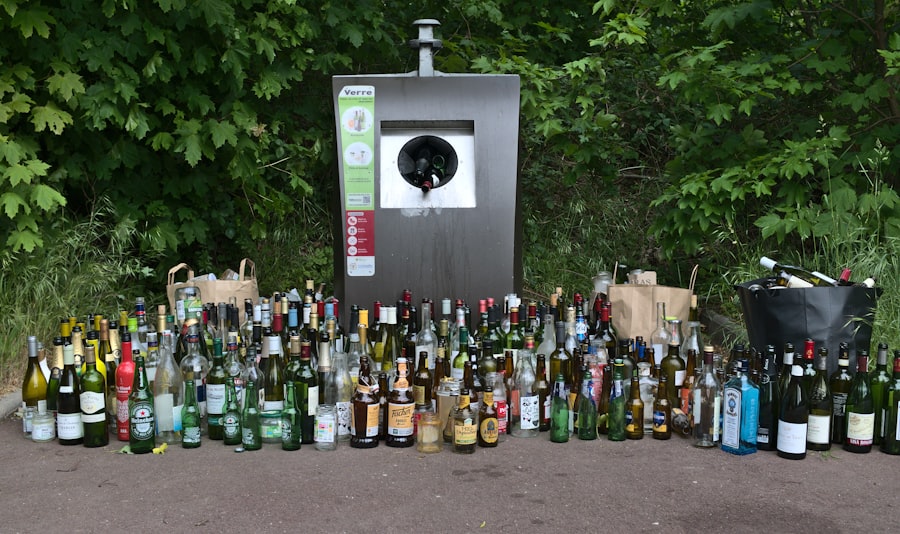
Bottle deposit laws have been shown to significantly increase recycling rates for beverage containers. Studies indicate that states with such laws often achieve recycling rates exceeding 80%, compared to national averages that hover around 30% for non-deposit containers. The financial incentive provided by the deposit encourages consumers to return their empty bottles and cans rather than discarding them as waste.
This not only reduces litter but also ensures that valuable materials are reintroduced into the production cycle. Moreover, the success of bottle deposit laws can be attributed to their ability to create a closed-loop system.
This process not only conserves resources but also minimizes energy consumption associated with manufacturing new containers. As a result, bottle deposit laws play a crucial role in promoting a circular economy, where materials are reused and recycled rather than disposed of.
Economic Effects of Bottle Deposit Laws
The economic implications of bottle deposit laws extend beyond mere recycling rates. These laws can stimulate local economies by creating jobs in collection, processing, and recycling industries. In states with established bottle deposit systems, thousands of jobs have been created in redemption centers and recycling facilities, contributing to economic growth and community development.
Additionally, the revenue generated from unclaimed deposits—those that consumers do not redeem—can be allocated to various public programs, including environmental initiatives and community projects. However, critics argue that bottle deposit laws can impose additional costs on consumers and businesses. The upfront cost of deposits may deter some consumers from purchasing beverages in containers subject to these laws.
Furthermore, businesses may face increased operational costs associated with managing returns and processing deposits. Despite these concerns, many proponents contend that the long-term benefits—such as reduced waste management costs and increased recycling—outweigh the initial economic burdens.
Environmental Benefits of Bottle Deposit Laws
| Metric | Description | Typical Range/Value | Impact on Effectiveness |
|---|---|---|---|
| Redemption Rate | Percentage of bottles/cans returned for deposit refund | 60% – 90% | Higher rates indicate better effectiveness in reducing litter and promoting recycling |
| Litter Reduction | Decrease in beverage container litter in public spaces | 30% – 80% reduction | Significant reduction shows positive environmental impact |
| Recycling Rate | Percentage of beverage containers recycled due to deposit laws | 50% – 85% | Higher recycling rates contribute to resource conservation |
| Deposit Amount | Monetary value charged per container | 5¢ – 15¢ | Higher deposits generally increase return rates |
| Program Cost Efficiency | Cost to administer program per container collected | 1¢ – 3¢ | Lower costs improve sustainability of the program |
| Consumer Participation Rate | Percentage of consumers who return containers | 70% – 90% | High participation supports program success |
| Environmental Impact | Reduction in greenhouse gas emissions and resource use | Varies by region and program scale | Positive impact correlates with higher recycling and litter reduction |
The environmental advantages of bottle deposit laws are substantial and multifaceted. By incentivizing recycling, these laws help divert millions of tons of waste from landfills each year. This reduction in landfill waste not only conserves space but also mitigates the environmental hazards associated with landfill overflow, such as groundwater contamination and greenhouse gas emissions.
Furthermore, by promoting recycling, bottle deposit laws contribute to lower carbon emissions associated with the production of new containers. In addition to reducing waste, bottle deposit laws encourage responsible consumer behavior and foster a culture of environmental stewardship. As individuals become more aware of their impact on the environment through participation in recycling programs, they may be more inclined to adopt other sustainable practices in their daily lives.
This shift in mindset can lead to broader societal changes that prioritize sustainability and conservation.
Challenges and Criticisms of Bottle Deposit Laws

Despite their numerous benefits, bottle deposit laws face several challenges and criticisms. One major concern is the potential for inequity in access to redemption centers, particularly in rural or underserved areas where such facilities may be scarce. This lack of accessibility can create barriers for individuals who wish to participate in recycling programs but find it inconvenient or difficult to return their containers.
Additionally, some critics argue that bottle deposit laws can lead to unintended consequences, such as increased littering of non-deposit containers or a focus on specific types of beverages at the expense of others. For instance, while consumers may diligently return soda bottles due to the deposit incentive, they may neglect other types of packaging that do not carry a deposit. This selective recycling can undermine broader waste reduction efforts and complicate overall recycling strategies.
Comparing Bottle Deposit Laws Across Different Jurisdictions
Bottle deposit laws vary significantly across jurisdictions, reflecting diverse approaches to waste management and environmental policy. In the United States, for example, states like California and Michigan have implemented comprehensive systems that cover a wide range of beverage containers, while others have more limited or no such laws at all. This patchwork of regulations can create confusion for consumers and businesses alike, complicating compliance efforts and undermining the effectiveness of recycling initiatives.
Internationally, countries such as Germany and Sweden have established highly successful bottle deposit systems that serve as models for other regions.
By examining these successful models, policymakers can glean valuable insights into best practices for implementing or improving bottle deposit laws within their own jurisdictions.
Public Perception and Awareness of Bottle Deposit Laws
Public perception plays a crucial role in the success of bottle deposit laws. Awareness campaigns are essential for educating consumers about the benefits of returning containers and participating in recycling programs. In regions where bottle deposit laws are well-publicized, individuals are more likely to engage with these initiatives and understand their importance in promoting sustainability.
However, misconceptions about bottle deposit laws can hinder their effectiveness. Some individuals may view these laws as an inconvenience or an additional cost rather than an opportunity for environmental stewardship. Addressing these misconceptions through targeted outreach efforts can help foster a more positive public perception and encourage greater participation in recycling programs.
Enforcement and Compliance with Bottle Deposit Laws
Effective enforcement is critical for ensuring compliance with bottle deposit laws. Without proper oversight, some individuals or businesses may attempt to circumvent regulations by failing to collect deposits or refusing to accept returned containers. This noncompliance can undermine the entire system and diminish its intended benefits.
To enhance enforcement efforts, jurisdictions must invest in monitoring mechanisms and establish clear guidelines for businesses involved in beverage sales and container redemption. Collaboration between government agencies, businesses, and community organizations can also facilitate compliance by creating a shared understanding of responsibilities and expectations within the system.
Potential Reforms and Improvements to Bottle Deposit Laws
As society continues to evolve in its approach to waste management and environmental sustainability, there is an ongoing need for reforms and improvements to existing bottle deposit laws. Policymakers should consider expanding the scope of these laws to include a wider variety of beverage containers, thereby increasing participation rates and maximizing environmental benefits. Additionally, enhancing accessibility to redemption centers is crucial for ensuring equitable participation across different communities.
Innovative solutions such as mobile redemption units or partnerships with local retailers could help bridge gaps in access and encourage greater consumer engagement with recycling programs.
Evaluating the Overall Effectiveness of Bottle Deposit Laws
In conclusion, bottle deposit laws represent a powerful tool for promoting recycling and reducing waste while fostering a culture of environmental responsibility among consumers. Their historical evolution reflects a growing recognition of the need for effective waste management solutions in an increasingly resource-constrained world. While challenges remain—ranging from public perception issues to enforcement difficulties—the overall effectiveness of these laws is evident in their ability to significantly boost recycling rates and contribute positively to both economic growth and environmental health.
As jurisdictions continue to grapple with waste management challenges, revisiting and reforming bottle deposit laws will be essential for maximizing their potential benefits. By learning from successful models both domestically and internationally, policymakers can create more effective systems that not only encourage recycling but also promote broader sustainability initiatives within their communities. Ultimately, the success of bottle deposit laws hinges on collective efforts from individuals, businesses, and governments working together towards a more sustainable future.
Bottle deposit laws have been a topic of discussion regarding their effectiveness in promoting recycling and reducing litter. A related article that delves into this subject can be found at this link. The article explores various case studies and statistics that highlight the impact of these laws on recycling rates and environmental sustainability, providing valuable insights into their overall effectiveness.
WATCH THIS! 🚨 THE RECYCLING LIE: How Big Oil Fooled the World for 50 Years 🚨
FAQs
What are bottle deposit laws?
Bottle deposit laws require consumers to pay a small refundable fee when purchasing beverages in bottles or cans. This deposit is refunded when the container is returned to a designated collection point for recycling.
How do bottle deposit laws work?
When a consumer buys a beverage, they pay an additional deposit fee. After consuming the beverage, they return the empty container to a retailer or redemption center to reclaim the deposit. The collected containers are then recycled.
Are bottle deposit laws effective in increasing recycling rates?
Yes, studies have shown that bottle deposit laws significantly increase recycling rates by providing a financial incentive for consumers to return containers, reducing litter and waste.
Do bottle deposit laws reduce litter and environmental pollution?
Research indicates that bottle deposit laws help reduce litter by encouraging the return of beverage containers, which decreases the number of containers discarded in public spaces and natural environments.
Which states or countries have bottle deposit laws?
Several U.S. states, including California, Michigan, and Oregon, have bottle deposit laws. Many countries worldwide, such as Germany, Norway, and Canada, also implement similar deposit-return systems.
What types of containers are typically covered by bottle deposit laws?
Bottle deposit laws usually cover beverage containers made of glass, plastic, and aluminum, including soda, beer, water, and juice containers.
Are there any criticisms of bottle deposit laws?
Some criticisms include the cost of implementing and managing the system, inconvenience for consumers, and potential impacts on retailers. However, many argue that the environmental benefits outweigh these concerns.
How do bottle deposit laws impact recycling infrastructure?
Bottle deposit laws can improve recycling infrastructure by increasing the volume of recyclable materials collected, supporting recycling markets, and reducing contamination in recycling streams.
Can bottle deposit laws save municipalities money?
Yes, by reducing litter and increasing recycling rates, bottle deposit laws can lower municipal waste management and cleanup costs.
Do bottle deposit laws affect consumer behavior?
Yes, the financial incentive encourages consumers to return containers rather than discard them, promoting more environmentally responsible behavior.