
The allure of a quick fix, a nutritional shortcut to optimal health, is a powerful one. The vitamin aisle, a glittering cornucopia of capsules, tablets, and powders, promises to fill any perceived dietary gaps and bestow vitality. Yet, for many, the question lingers: are these supplements truly a cornerstone of well-being, or merely an expensive placebo, a whispered promise that evaporates with the last gulp of water? This exploration delves into the complexities of vitamin supplementation, examining the scientific landscape and offering a factual perspective on when your investment might be yielding little more than a hole in your wallet.
The human body is an intricate biological machine, finely tuned over millennia to extract nutrients from whole foods. Proponents of a diet-centric approach argue that the complex symphony of compounds found in fruits, vegetables, grains, and proteins cannot be replicated by isolated vitamins in a pill. This perspective underscores the idea that focusing on dietary intake is the primary and most effective strategy for achieving optimal nutrient status.
The Synergistic Power of Whole Foods
Whole foods are not merely a collection of individual vitamins and minerals; they are intricate ecosystems of nutrients working in concert. Think of a vitamin pill as a single instrument in a vast orchestra. While that instrument may produce a clear tone, it lacks the richness, harmony, and dynamic interplay of the entire ensemble. Flavonoids, fiber, phytochemicals, and a myriad of other compounds found in food interact with vitamins and minerals, enhancing their absorption, efficacy, and overall physiological benefit. For instance, vitamin C, abundant in citrus fruits, is accompanied by flavonoids that may amplify its antioxidant properties. Similarly, fat-soluble vitamins like A, D, E, and K are best absorbed when consumed with dietary fats, a natural accompaniment to many nutrient-rich foods.
Bioavailability: The Key to Nutrient Utilization
Even if a supplement contains a specific vitamin, its journey into the bloodstream and to the cells that need it is not always a direct one. Bioavailability refers to the degree and rate at which a nutrient is absorbed and becomes available for physiological use. The form of the nutrient, its interaction with other substances in the digestive tract, and the overall health of the individual all play crucial roles. Some supplemental forms of vitamins may be less bioavailable than their food-derived counterparts, meaning a significant portion might pass through the body unutilized, akin to trying to water a parched desert with a single, small watering can.
The Risk of Nutrient Imbalances
While the intention is to supplement, an excessive intake of one nutrient can sometimes interfere with the absorption or function of another. This is particularly relevant with high-dose supplements. For example, high doses of zinc can inhibit copper absorption, and excessive iron can interfere with zinc and calcium. This delicate balance, naturally maintained through a varied diet, can be disrupted by a haphazard approach to supplementation, potentially creating new deficiencies or imbalances.
Many people invest in vitamins and supplements, believing they are essential for their health, but recent studies suggest that these products may not provide the benefits they promise. A related article discusses the reasons why your vitamins could be a waste of money, highlighting the lack of evidence supporting their effectiveness for most individuals. To learn more about this topic, you can read the article here: Why Your Vitamins Are a Waste of Money.
When Supplements Might Be a Sound Investment: Deficiencies and Specific Life Stages
While a universal recommendation for vitamin supplementation is not supported by robust evidence, certain circumstances warrant consideration. These are often characterized by identified nutrient deficiencies or specific physiological needs that dietary intake alone may struggle to meet.
Diagnosed Nutrient Deficiencies: Addressing the Gaps
The most compelling case for vitamin supplementation arises when a laboratory test confirms a demonstrable deficiency in a particular nutrient. Conditions like iron-deficiency anemia, diagnosed through blood tests measuring hemoglobin and ferritin levels, unequivocally point to the need for iron supplementation. Similarly, a diagnosed deficiency in vitamin B12, common in vegetarians, vegans, and individuals with certain gastrointestinal disorders, necessitates supplementation. In these scenarios, supplements act as a targeted intervention to rectify a known biological shortfall, much like a mechanic replenishing a critical fluid in a malfunctioning engine.
Specific Dietary Restrictions: Filling the Void Left by Choice or Necessity
Individuals adhering to restrictive diets, whether by choice or medical necessity, face a greater risk of nutrient inadequacy.
Vegetarian and Vegan Diets
These diets, while offering numerous health benefits, can be lower in certain nutrients, notably vitamin B12, which is primarily found in animal products. Iron, zinc, vitamin D, calcium, and omega-3 fatty acids are other nutrients that may require careful attention and potential supplementation for individuals following plant-based diets.
Malabsorption Disorders
Conditions affecting the digestive system, such as celiac disease, Crohn’s disease, or post-bariatric surgery, can impair the body’s ability to absorb nutrients from food. In such cases, supplementation, often in specific forms designed for easier absorption, becomes a critical component of management to prevent widespread deficiencies.
Pregnancy and Lactation: Nutritional Demands Soar
The physiological demands of pregnancy and lactation are immense. The developing fetus and the production of breast milk require a significantly increased intake of certain nutrients.
Folic Acid and Neural Tube Defects
Folic acid (vitamin B9) is paramount during pregnancy to prevent neural tube defects in the developing fetus. Current recommendations universally advise pregnant women to take folic acid supplements.
Iron and Calcium Needs
Iron requirements escalate to support the increased blood volume of the mother and the needs of the fetus. Calcium is crucial for the bone development of the baby. While dietary sources are encouraged, supplementation may be necessary to meet these elevated demands.
Elderly Individuals and Nutrient Absorption Challenges
As individuals age, physiological changes can impact nutrient absorption and utilization. Reduced stomach acid production, decreased appetite, and changes in gut motility can all contribute to suboptimal nutrient levels.
Vitamin D and Bone Health
The skin’s ability to synthesize vitamin D from sunlight diminishes with age, and dietary intake alone may not be sufficient, especially in individuals with limited sun exposure. Vitamin D is critical for calcium absorption and bone health, making supplementation a common recommendation for older adults.
Vitamin B12 Absorption Decline
The ability to absorb vitamin B12 from food can decrease with age due to reduced stomach acid. This can lead to deficiency, impacting nerve function and cognitive health.
The Market’s Midas Touch: Understanding Supplement Marketing and Consumer Psychology

The vitamin industry is a multi-billion dollar enterprise, driven by sophisticated marketing strategies that tap into deeply rooted human desires for health, longevity, and a perceived competitive edge. Understanding these dynamics is crucial to discerning genuine need from manufactured demand.
The Promise of Prevention and Cure: A Siren Song
Many supplement advertisements paint a picture of miraculous prevention and subtle, yet powerful, cures. They often leverage anecdotal evidence and vague claims about “supporting,” “boosting,” or “optimizing” health. This promise of a simple solution to complex health concerns can be incredibly alluring, leading consumers to invest in products without a clear understanding of their actual efficacy or necessity for their individual circumstances.
The “Insurance Policy” Fallacy: Overlapping with a Healthy Diet
A common justification for vitamin supplementation is the idea of an “insurance policy” against dietary shortcomings. However, for individuals with a generally balanced and varied diet, this insurance policy may be redundant. Continuing to contribute to a well-funded health account through good food habits is typically more effective than adding a small, potentially unnecessary “premium” in the form of supplements.
The Placebo Effect: A Powerful, Yet Misleading, Ally
The placebo effect is a well-documented phenomenon where a person experiences a perceived benefit from a treatment, even if that treatment has no inherent therapeutic value. The act of taking a pill, and the belief in its potential to improve well-being, can trigger physiological responses that create a sense of feeling better. While this can be a comforting experience, it doesn’t necessarily mean the supplement itself is the active ingredient; the mind, in this instance, is a powerful pharmacist.
The Evidence Gap: When Scientific Support Falters
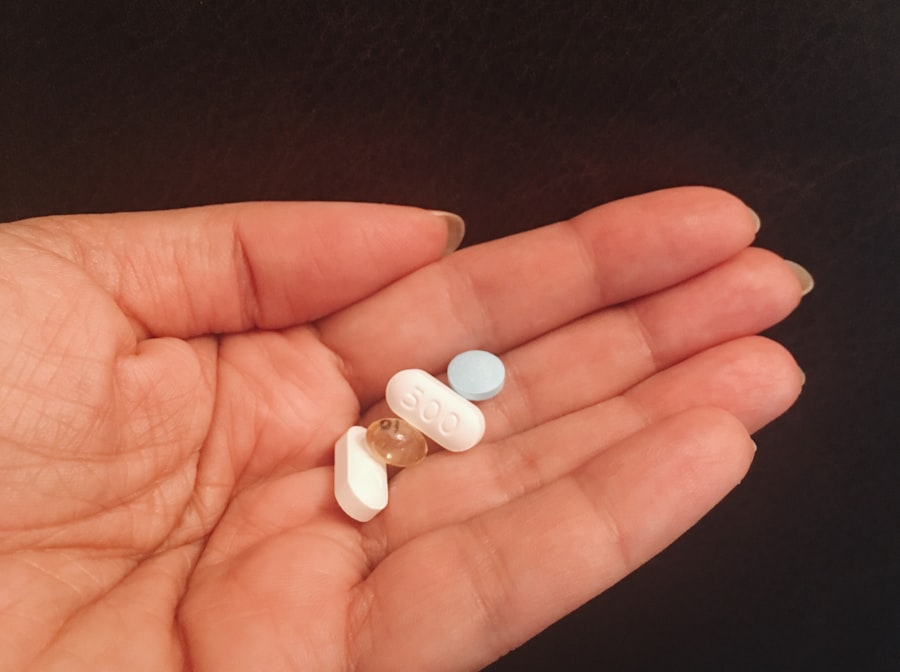
Despite the widespread use of vitamins, the scientific evidence supporting their benefits in generally healthy populations remains surprisingly limited and often contradictory. Large-scale, high-quality studies frequently fail to demonstrate a significant impact on preventing chronic diseases or improving overall mortality.
The Multi-Vitamin Paradox: A Cocktail of Uncertainty
Multivitamins, perhaps the most ubiquitous supplement, are often touted as a catch-all for dietary gaps. However, numerous studies, including large randomized controlled trials, have not found consistent evidence that multivitamins prevent major chronic diseases like heart disease or cancer in the general population. Their primary benefit appears to be in correcting established deficiencies, which are less common in those who consume a reasonably healthy diet.
The Lack of Long-Term Benefits for Chronic Disease Prevention
While some vitamins are essential for basic physiological functions, the idea that megadoses or regular supplementation significantly delays or prevents the onset of chronic diseases like cardiovascular disease, diabetes, or Alzheimer’s remains largely unsubstantiated by robust scientific consensus. Research in this area is ongoing, but definitive proof of broad preventative benefits for the general population is elusive.
Regulatory Loopholes: A Less Stringent Oversight
The regulatory landscape for dietary supplements differs significantly from that of pharmaceuticals. In many countries, supplements do not undergo the rigorous testing for safety, efficacy, and quality that drugs are subjected to. This means that the claims made on product labels are not always subject to independent scientific validation, and the purity and potency of the product can vary.
Many people invest in vitamins believing they are essential for their health, but recent studies suggest that these supplements may not provide the benefits we expect. In fact, a related article discusses how most vitamins do not significantly improve health outcomes for the average person. You can read more about this intriguing perspective on the effectiveness of vitamins in the article found here. This information encourages individuals to reconsider their spending on vitamins and focus on obtaining nutrients through a balanced diet instead.
Making Informed Decisions: A Pragmatic Approach to Supplementation
| Reason | Explanation | Supporting Data / Metrics |
|---|---|---|
| Low Absorption Rates | Many vitamins have poor bioavailability, meaning your body absorbs only a small fraction. | Some studies show absorption rates as low as 10-20% for certain supplements. |
| Excess Excretion | Water-soluble vitamins are often excreted through urine if consumed in excess. | Up to 90% of excess vitamin C can be excreted within hours. |
| Inconsistent Quality | Supplement quality varies widely; some products contain less active ingredient than labeled. | FDA testing found up to 50% of supplements did not meet label claims. |
| Balanced Diet Sufficiency | A well-rounded diet typically provides all necessary vitamins without supplementation. | Over 90% of people get adequate vitamins from food alone according to nutrition surveys. |
| Potential Health Risks | Excessive vitamin intake can cause toxicity and adverse effects. | High doses of vitamin A linked to liver damage; over 10,000 IU/day considered risky. |
| Cost vs. Benefit | Spending on vitamins often does not translate to measurable health improvements. | Meta-analyses show no significant reduction in mortality or chronic disease from supplements. |
Navigating the world of vitamins requires a discerning eye and a commitment to evidence-based decision-making. Rather than blindly accepting marketing claims, consider a phased approach grounded in personal health, professional advice, and a critical evaluation of scientific data.
Consult a Healthcare Professional: Your Personal Nutritional Compass
The most crucial step in determining whether vitamin supplements are right for you is to consult a qualified healthcare professional, such as a doctor or a registered dietitian. They can assess your individual dietary intake, medical history, lifestyle, and any specific concerns you may have. They can also order blood tests to identify any genuine nutrient deficiencies, providing a scientifically sound basis for supplementation. This professional guidance serves as your personal nutritional compass, helping you navigate the often-confusing landscape of supplements.
Focus on a Whole Foods-Based Diet: The Cornerstone of Health
Before even considering supplements, prioritize building a diverse and nutrient-dense diet. Emphasize fruits, vegetables, whole grains, lean proteins, and healthy fats. A well-rounded diet is the most effective and sustainable way to ensure your body receives the spectrum of vitamins and minerals it needs to thrive. Think of this as laying a strong, unshakeable foundation for your health.
Be Wary of “Miracle” Claims and Unsubstantiated Promises
Approach any supplement that promises dramatic improvements in health, energy, or disease prevention with a healthy dose of skepticism. If a claim sounds too good to be true, it likely is. Look for products backed by reputable scientific research and avoid those relying solely on testimonials or vague assertions.
Understand the Specific Nutrient, Its Role, and Your Potential Need
If supplementation is recommended or considered, take the time to understand the specific nutrient in question. What is its function in the body? What are the recommended daily allowances? And, most importantly, what is the scientific evidence for its benefit in your particular situation? Knowledge empowers you to make informed purchasing decisions.
Choose Reputable Brands and Look for Third-Party Certifications
If you do decide to supplement, opt for brands with a track record of quality and transparency. Look for third-party certifications from organizations that test supplements for purity, potency, and contaminants, such as USP (United States Pharmacopeia) or NSF International. This provides an added layer of assurance about the product you are consuming.
In conclusion, the vitamin aisle presents a complex landscape where genuine need often intertwines with aggressive marketing. For the majority of individuals adhering to a balanced diet, the extensive array of supplements may indeed represent a financial drain rather than a significant health investment. The true cornerstone of well-being lies not in a pill, but in the nutrient-rich bounty of whole foods, guided by informed decisions and professional advice.
FAQs
1. Are vitamin supplements necessary for everyone?
Not necessarily. Most people can obtain the necessary vitamins and minerals through a balanced diet. Supplements may be beneficial for individuals with specific deficiencies or certain health conditions, but they are not essential for everyone.
2. Can taking too many vitamins be harmful?
Yes. Excessive intake of certain vitamins, especially fat-soluble ones like vitamins A, D, E, and K, can lead to toxicity and adverse health effects. It is important to follow recommended dosages and consult a healthcare professional before starting supplements.
3. Do vitamin supplements provide the same benefits as vitamins from food?
Vitamins from whole foods are generally better absorbed and utilized by the body compared to supplements. Whole foods also contain other beneficial nutrients and compounds that work synergistically, which supplements may lack.
4. Why might some vitamin supplements be considered a waste of money?
Many vitamin supplements do not provide significant health benefits for individuals without deficiencies. Additionally, some products may contain low-quality ingredients or dosages that are too low to be effective, making them less cost-effective.
5. How can I determine if I need vitamin supplements?
Consulting with a healthcare provider and possibly undergoing blood tests can help identify any vitamin deficiencies. Based on these results, a professional can recommend whether supplements are necessary and which types and dosages are appropriate.