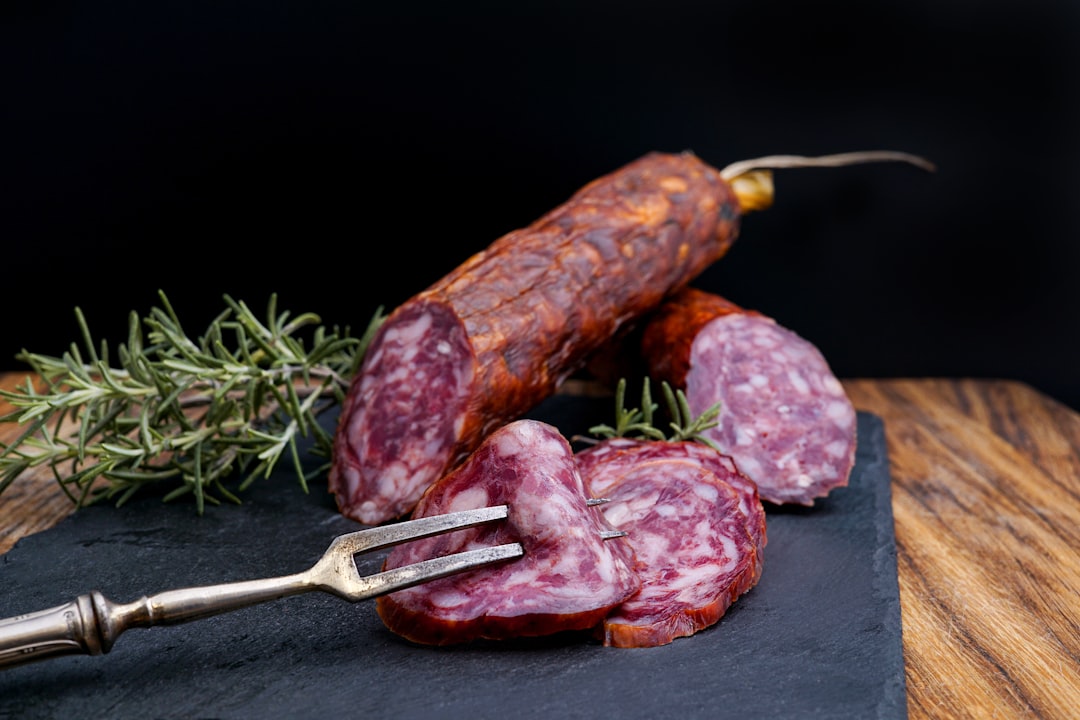
The question of whether Farmer John sausages are safe for consumption, particularly in light of concerns surrounding the additive Butylated Hydroxytoluene (BHT), is a topic warranting detailed examination. This article will explore the use of BHT in food products, its regulatory status, and the specific context of Farmer John sausages, offering a comprehensive overview for the discerning consumer.
Butylated Hydroxytoluene (BHT) is a synthetic organic compound frequently employed as an antioxidant in a wide array of products, including certain foods, cosmetics, and plastics. Its primary function is to prevent or slow down the oxidation of fats and oils, which can lead to rancidity, off-flavors, and the degradation of nutritional value. By scavenging free radicals, BHT extends the shelf life of products by inhibiting these detrimental chemical reactions.
Chemical Properties and Mechanism of Action
BHT is a lipophilic (fat-soluble) compound. Its chemical structure, featuring two bulky tert-butyl groups flanking a methyl group on a phenolic ring, is crucial to its antioxidant activity. This structure allows BHT to donate a hydrogen atom to free radicals, thereby neutralizing them and preventing them from initiating or propagating further oxidative chain reactions. This action makes BHT an effective preservative, particularly in fat-containing foods where auto-oxidation is a significant spoilage mechanism. The process can be likened to a shield protecting delicate molecules from the relentless assault of oxygen.
Regulatory Status of BHT in Food
The use of BHT in food products is subject to regulatory oversight by various governmental bodies worldwide. In the United States, the Food and Drug Administration (FDA) classifies BHT as “Generally Recognized as Safe” (GRAS) when used within specified limits. This GRAS designation is based on publicly available scientific information and widely accepted expert opinion, indicating that, under intended conditions of use, BHT is safe. Similarly, the European Food Safety Authority (EFSA) and other international regulatory agencies have evaluated BHT and established acceptable daily intake (ADI) levels, below which consumption is not expected to pose health risks. These ADIs represent a safety margin, often set at levels significantly lower than those that have been observed to cause adverse effects in animal studies. It is important to recognize that a GRAS designation or an established ADI does not equate to an absence of any potential effect, but rather a determination of safety under defined conditions.
Typical Applications in Food
Beyond sausages, BHT can be found in various other food items. These include breakfast cereals, chewing gum, potato chips, and pre-prepared snacks. Its presence is often indicated on ingredient labels, though consumers may not always recognize its preservative function. The quantities used are generally small, measured in parts per million (ppm), yet sufficient to confer the desired protective effect against oxidation.
Concerns regarding the use of BHT in Farmer John sausages have sparked discussions about food additives and their potential health effects. For more insights on this topic, you can read a related article that delves into the implications of BHT in processed foods and offers a broader perspective on food safety. Check it out here: Related Article on BHT Concerns.
BHT and Health: Unpacking the Scientific Literature
The discussion surrounding BHT has often involved concerns regarding its potential health effects. While regulatory bodies deem its use safe within established limits, some scientific studies have raised questions that warrant closer examination.
Early Research and Animal Studies
Early research into BHT, primarily conducted in animal models, yielded mixed results. Some studies in rodents suggested potential adverse effects, including carcinogenicity, liver changes, and reproductive issues, when BHT was administered at very high doses. However, these doses were often significantly higher than typical human dietary exposure levels. Other animal studies, even at high doses, did not consistently demonstrate these adverse effects, or they showed protective effects against certain cancers. This divergence in findings highlighted the complexity of interpreting toxicology studies and the importance of considering dosage and experimental design. Drawing a direct line from high-dose animal studies to human health outcomes at much lower exposures is a scientific tightrope, requiring careful balance and nuance.
Human Exposure Levels and Metabolic Fate
Human exposure to BHT through diet is generally quite low, often falling well within the established ADI limits. Once ingested, BHT is metabolized in the body, primarily in the liver, into various compounds that are then excreted. The rate and pathways of this metabolism can vary slightly among individuals. The body’s ability to process and eliminate BHT is a key factor in its overall safety profile, as accumulation could potentially lead to different outcomes. The human metabolic system acts as a sophisticated waste disposal unit, efficiently processing and expelling most substances within certain limits.
Current Scientific Consensus on BHT Safety
The prevailing scientific consensus, as reflected by major regulatory bodies globally, is that BHT is safe for human consumption at the levels typically used in food products. This conclusion is based on a vast body of evidence, including numerous toxicology studies, epidemiological data, and continuous re-evaluations. While the scientific community remains vigilant and continues to monitor new research, the current weight of evidence supports its GRAS status. It’s crucial to distinguish between anecdotal claims or isolated study findings and the broad scientific consensus that underpins regulatory decisions. Science, much like a grand jury, weighs all available evidence before reaching a verdict.
Delving into Farmer John Sausages: Ingredients and Production

To assess the safety of Farmer John sausages, it is essential to look at their specific formulation and production practices, particularly concerning the use of BHT.
Farmer John’s Ingredient Philosophy
Like many food manufacturers, Farmer John operates within the established regulatory framework for food additives. Their ingredient choices are likely driven by a combination of factors: taste, texture, shelf life, and cost-effectiveness, all while adhering to safety standards. Transparency in ingredient labeling is a cornerstone of consumer trust, and companies like Farmer John are legally obligated to list all ingredients, including preservatives like BHT. The product label serves as a consumer’s window into the product’s composition.
Presence of BHT in Farmer John Sausages
A review of Farmer John sausage product labels typically reveals the presence of BHT among the ingredients. It is often listed towards the end of the ingredient list, indicating its use in relatively small quantities, consistent with its function as a preservative. The explicit mention of BHT signifies that it is a conscious addition to prevent rancidity and extend the product’s freshness, particularly given the fat content inherent in sausages. Consumers are encouraged to carefully read ingredient labels on specific Farmer John products, as formulations can vary across different sausage types or over time.
Quality Control and Manufacturing Practices
Food manufacturers, including Farmer John, are subject to stringent quality control measures and good manufacturing practices (GMPs). These practices are designed to ensure product consistency, safety, and adherence to regulatory standards. This includes sourcing ingredients, processing, packaging, and storage. For additives like BHT, this means ensuring that the quantities used do not exceed regulatory limits and that they are incorporated correctly to achieve their intended preservative effect without compromising food safety. These layers of control act as a meticulous net, designed to catch potential issues before they reach the consumer.
Addressing Consumer Concerns and Healthy Choices

For consumers, navigating information about food additives can be challenging. Understanding the bigger picture and making informed decisions is paramount.
Understanding “Natural” vs. “Synthetic” Food Additives
The debate surrounding BHT often intertwines with broader discussions about “natural” versus “synthetic” ingredients. While some consumers prefer products free of synthetic additives, it is important to recognize that “natural” does not automatically equate to “safer,” nor does “synthetic” automatically mean “unsafe.” Many natural substances can be toxic, and many synthetic compounds are perfectly safe and beneficial when used appropriately. Both categories require scientific evaluation. The “natural” label can sometimes be a siren song, luring consumers with the promise of inherent goodness, but objective analysis remains critical.
The Role of Dietary Moderation
For any food product, including sausages, dietary moderation is a key principle of healthy eating. Sausages, by their nature, are often higher in fat and sodium. Regardless of the presence of BHT, consuming them in excessive quantities is generally not recommended as part of a balanced diet. Focusing on a varied diet rich in fruits, vegetables, and whole grains is a more impactful strategy for overall health than singling out individual additives, particularly those present in small, regulated quantities. The dietary landscape is a vibrant tapestry, and focusing solely on a single thread risks missing the beauty of the whole.
Alternatives and Personal Preferences
For individuals who prefer to avoid BHT, various alternatives exist. Some food manufacturers use “natural” antioxidants like tocopherols (Vitamin E), rosemary extract, or ascorbic acid (Vitamin C) to achieve similar preservative effects. Consumers can scrutinize ingredient labels to identify products that align with their preferences. The market continually responds to consumer demand, and the availability of BHT-free options is growing. The power of choice rests firmly in the hands of the consumer.
Recent concerns have emerged regarding the use of BHT in Farmer John sausages, prompting discussions about food additives and their potential health impacts. For those interested in exploring this topic further, a related article highlights various perspectives on food safety and consumer awareness. You can read more about it in this insightful piece on food additives, which delves into the implications of such ingredients in our diets.
Conclusion: Weighing the Evidence
| Metric | Value | Notes |
|---|---|---|
| BHT Content | Not disclosed | Exact BHT levels in Farmer John sausages are not publicly available |
| BHT Usage | Preservative | BHT is used to prevent oxidation and extend shelf life |
| Consumer Concern Level | Moderate | Some consumers express concerns about synthetic preservatives like BHT |
| Regulatory Status | Approved | BHT is approved for use in food products by FDA and other agencies |
| Alternative Preservatives | Natural antioxidants | Some brands use natural alternatives to BHT to address consumer concerns |
In conclusion, the question of whether Farmer John sausages are safe, specifically concerning BHT, can be addressed by weighing the extensive scientific evidence and regulatory assessments. Regulatory bodies worldwide, including the FDA and EFSA, consider BHT safe for consumption when used within established limits, a position based on decades of research and continuous re-evaluation. The quantities of BHT found in products like Farmer John sausages are typically well within these safe limits, acting as a preservative to prevent oxidation and maintain product quality.
For consumers, the presence of BHT in Farmer John sausages should be viewed within this broader scientific context. While isolated studies have raised questions at very high doses in animal models, these findings do not negate the overwhelming consensus regarding its safety at typical human exposure levels. Ultimately, making informed dietary choices involves understanding ingredient labels, practicing dietary moderation, and considering the overall nutritional profile of foods. For those who wish to avoid BHT, alternative products are available, reflecting the diverse choices in the modern food market. By understanding the science and regulatory framework, consumers can confidently navigate their choices regarding Farmer John sausages and other food products.

WATCH NOW ▶️ Why 99% Of American Food Is Illegal Overseas
FAQs
What is BHT and why is it used in Farmer John sausages?
BHT, or butylated hydroxytoluene, is a synthetic antioxidant used to preserve fats and oils in food products. In Farmer John sausages, BHT is added to prevent spoilage and extend shelf life by inhibiting oxidation.
Are there any health concerns associated with BHT in food products?
Some studies have raised concerns about potential health effects of BHT, including possible carcinogenicity and allergic reactions. However, regulatory agencies like the FDA consider BHT safe at the levels typically used in food products.
Does Farmer John disclose the use of BHT on their sausage packaging?
Yes, food labeling regulations require that all ingredients, including preservatives like BHT, be listed on the packaging. Consumers can check the ingredient list on Farmer John sausage products to see if BHT is included.
Are there alternatives to BHT in sausage preservation?
Yes, some manufacturers use natural antioxidants such as vitamin E (tocopherols) or rosemary extract as alternatives to synthetic preservatives like BHT to maintain product freshness.
How can consumers reduce exposure to BHT in their diet?
Consumers concerned about BHT can reduce exposure by reading ingredient labels carefully, choosing products labeled as free from synthetic preservatives, or opting for fresh, minimally processed meats without added preservatives.