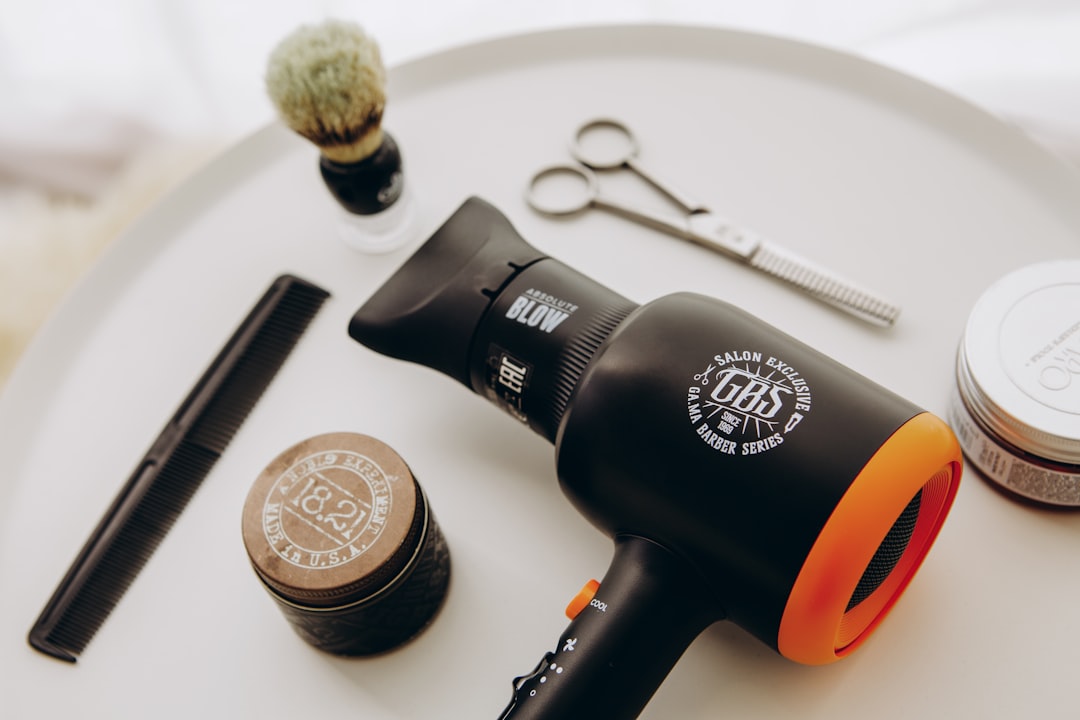
The question of safety regarding American hygiene products is a multifaceted one, touching upon regulatory frameworks, ingredient scrutiny, and consumer perception. This article aims to dissect these layers, providing an objective overview of how these products are brought to market and what assurances, or lack thereof, exist to protect the public.
The Regulatory Landscape: A Guarded Gate
The United States possesses a robust, yet complex, system for regulating products that come into contact with the human body. At the forefront of this oversight is the Food and Drug Administration (FDA). The FDA’s purview extends to a vast array of consumer goods, and for hygiene products, its role is primarily that of a gatekeeper, ensuring that products are safe for their intended use and that their labeling is accurate.
The FDA’s Mandate and Limitations
The FDA operates under the Federal Food, Drug, and Cosmetic Act (FD&C Act), which grants it authority to regulate various consumer products. For cosmetics, which encompass many personal hygiene items, the FDA’s oversight is different from that of drugs. While drugs undergo rigorous pre-market approval processes, required to demonstrate both safety and efficacy, cosmetics and their ingredients, with the exception of color additives, do not require FDA pre-market approval. This distinction is crucial; it means that manufacturers are primarily responsible for ensuring the safety of their products before they reach consumers. The FDA steps in when a product is found to be unsafe or misbranded.
Industry Self-Regulation: A Double-Edged Sword
In the absence of exhaustive pre-market approval for all ingredients, the personal care industry often relies on self-regulatory bodies and industry standards. Organizations like the Personal Care Products Council (PCPC) play a role in developing guidelines and promoting best practices. This self-regulation can be efficient and responsive to evolving scientific understanding. However, it also raises questions about potential conflicts of interest, as industry-funded research and risk assessments might be perceived as less objective than independent, government-led evaluations. The industry serves as the primary architect of the initial blueprint for safety, and while they are bound by regulations, their internal processes are a significant part of the picture.
Ingredient Labeling: A Window into the Product
A cornerstone of consumer protection, regardless of regulatory pre-approval, is ingredient labeling. The FDA mandates that cosmetic products list all ingredients, providing consumers with a blueprint of what they are applying to their bodies. This transparency, in theory, allows consumers to make informed choices, especially those with known allergies or sensitivities. However, the sheer volume of chemical names can be daunting, and understanding the potential impact of each ingredient requires a significant level of scientific literacy. The label acts as a map, but the navigator must be well-equipped.
When considering the safety of American hygiene products, it’s essential to stay informed about potential risks and regulations. A related article that delves into this topic is available at Hey Did You Know This, which explores the ingredients commonly found in personal care items and their implications for health. This resource provides valuable insights into the safety standards that govern these products and offers tips on how to make informed choices for personal hygiene.
Ingredient Scrutiny: The Chemical Composition
The safety of any hygiene product hinges on the safety of its constituent ingredients. This is where the complexity truly deepens, as thousands of chemicals are used in the formulation of these everyday items. Understanding their potential impact requires a look at scientific research, regulatory assessments, and the ongoing debate surrounding certain chemical classes.
Common Ingredients and Their Safety Profiles
Many ingredients found in hygiene products have a long history of safe use and have been extensively studied. For instance, water, glycerin, and various plant-derived oils are generally considered safe and beneficial. However, the landscape becomes more nuanced with synthetic compounds. Preservatives, fragrances, and surfactants are essential for product function and longevity but are also areas of heightened scrutiny.
Preservatives: The Unsung Heroes, Often Misunderstood
Preservatives are vital for preventing microbial contamination, which can lead to spoilage and, more importantly, pose health risks to consumers. Common preservatives include parabens, formaldehyde-releasing agents, and phenoxyethanol. While parabens have faced public concern due to their endocrine-disrupting potential, extensive reviews by regulatory bodies like the FDA and the European Scientific Committee on Consumer Safety (SCCS) have generally concluded that they are safe at the levels used in cosmetics, though some researchers continue to express caution. Formaldehyde-releasers, while effective biocides, are also under careful watch due to formaldehyde’s known carcinogenicity. Products are designed to be sterile harbors, but their ingredients are the guardians against invasion.
Fragrances: A Symphony of Scents, a Cacophony of Concerns
Fragrances are often what give hygiene products their appealing aromas. However, the term “fragrance” or “parfum” on an ingredient list can be a catch-all for a complex mixture of dozens or even hundreds of chemical compounds, some of which may be allergens or irritants. Due to trade secret protections, manufacturers are not required to disclose the specific chemical components of their fragrance mixtures. This lack of transparency can be a significant concern for individuals with fragrance sensitivities or allergies. The allure of a pleasant scent may mask a hidden irritant.
Surfactants: The Cleansing Agents
Surfactants are the workhorses of cleaning products, responsible for lathering and lifting away dirt and oil. Common examples include sodium lauryl sulfate (SLS) and sodium laureth sulfate (SLES). SLS has been the subject of controversy, with concerns raised about its potential to cause skin irritation. SLES, a milder derivative, is generally considered safe. Regulatory bodies and scientific reviews have largely deemed these surfactants safe for use as intended, though individual sensitivities can vary. They are the architects of cleanliness, but sometimes their building blocks can cause unintended structural issues for the skin.
Emerging Concerns and the Precautionary Principle
As scientific understanding evolves, new concerns about certain ingredients emerge. The endocrine-disrupting potential of some chemicals, their impact on reproductive health, or their contribution to environmental pollution are increasingly subjects of research and public discussion. This has led to a growing call for the adoption of the precautionary principle, which suggests that if an action or policy has a suspected risk of causing harm to the public or to the environment, in the absence of scientific consensus that harm would not ensue, the burden of proof falls on those who would advocate for the action. This principle acts as an early warning system, anticipating potential dangers before they become undeniable.
Consumer Perception and Informed Choices: Navigating the Information Maze
Beyond the scientific and regulatory discussions, consumer perception plays a significant role in how safe hygiene products are perceived. Media coverage, online discourse, and anecdotal evidence can heavily influence public opinion, sometimes outpacing robust scientific consensus. Therefore, empowering consumers with accurate information and tools to make informed choices is paramount.
The Influence of Media and Social Discourse
The internet and social media platforms have become powerful conduits for information, both accurate and inaccurate, about consumer products. A single viral post or a sensationalized news report can quickly cast doubt on the safety of widely used ingredients or products. This can lead to a phenomenon where products are perceived as unsafe based on limited or misinterpreted data. Navigating this information landscape requires a critical eye and a willingness to seek out reputable sources. The digital age is both a megaphone and a minefield for consumer information.
Understanding Certifications and “Free-From” Claims
A growing trend in the hygiene product market is the proliferation of “free-from” claims, such as “sulfate-free,” “paraben-free,” or “phthalate-free.” While these claims can be helpful for consumers seeking specific formulations, they can also be misleading. The absence of one ingredient does not automatically guarantee the safety or superiority of a product. Furthermore, some “free-from” claims may be based on unsubstantiated concerns or are used by manufacturers for marketing purposes. Consumers should look beyond these claims and consider the overall formulation and reputable certifications. These labels can be like promises on a menu; some are genuine, while others are merely suggestions.
The Role of Independent Testing and Advocacy Groups
Independent testing laboratories and consumer advocacy groups play a crucial role in evaluating the safety of hygiene products. These organizations often conduct their own research, analyze ingredients, and provide unbiased reviews, helping to fill informational gaps and hold manufacturers accountable. Their work can serve as a valuable counterpoint to industry-generated data and marketing claims. These entities act as independent auditors, verifying the claims made by the product manufacturers.
Specific Product Categories: Demystifying Common Hygiene Items
The broad category of “hygiene products” encompasses a diverse range of items, each with its own set of ingredients and safety considerations. Examining some common categories can further illuminate the landscape.
Skincare Products: From Moisturizers to Sunscreens
Skincare products, which include moisturizers, cleansers, serums, and sunscreens, are applied directly and often extensively to the skin. Their safety profiles are influenced by the active ingredients they contain, as well as their vehicle (the base ingredients that deliver the active components).
Active Ingredients in Skincare
Ingredients like retinoids, alpha hydroxy acids (AHAs), and beta hydroxy acids (BHAs) are designed to provide specific benefits, such as exfoliation or anti-aging. While effective, they can also cause irritation or photosensitivity, requiring careful formulation and consumer guidance. Sunscreens, in particular, have undergone extensive review, with both mineral (zinc oxide, titanium dioxide) and chemical filters evaluated for safety and efficacy. Debates continue regarding the potential impact of certain chemical sunscreen filters on hormone systems and aquatic life. The desire for radiant skin can sometimes lead to the application of potent chemical formulations.
Emulsifiers and Thickeners
These ingredients are essential for creating the desired texture and stability of lotions and creams. While generally considered safe, some individuals may have sensitivities to specific emulsifiers or thickeners. The choice of these ingredients can impact how a product feels and behaves on the skin. They are the structural engineers of cosmetic formulations, ensuring a smooth and consistent application.
Hair Care Products: Shampoos, Conditioners, and Dyes
Hair care products are designed to cleanse, condition, and style hair. Similar to skincare, the safety of these products depends on their ingredient profiles.
Sulfates and Silicones in Hair Care
Sulfates, as mentioned earlier, are common cleansing agents in shampoos. Silicones are often used in conditioners and styling products to provide smoothness and shine. While generally considered safe, some individuals may find that certain sulfates cause dryness or irritation, and some prefer to avoid silicones for environmental or aesthetic reasons. The quest for lustrous locks involves a complex interplay of cleansing and coating agents.
Hair Dyes: A Spectrum of Safety Concerns
Permanent and semi-permanent hair dyes can contain a range of chemicals, some of which have been linked to allergic reactions and, in some cases, potential long-term health concerns. The FDA regulates color additives used in hair dyes, and the Personal Care Products Council has established guidelines for their use. Consumers are advised to perform patch tests before using hair dyes and to follow instructions carefully. The transformation of hair color involves a chemical art form with inherent risks.
Oral Hygiene Products: Toothpaste and Mouthwash
Toothpaste and mouthwash are crucial for maintaining oral health but also involve direct internal exposure.
Fluoride in Toothpaste: A Double-Edged Sword
Fluoride is a widely recognized ingredient for its role in preventing tooth decay. However, excessive ingestion of fluoride, particularly by young children, can lead to dental fluorosis. The concentration of fluoride in toothpaste is regulated, and product labeling provides guidance on appropriate use. The battle against cavities is waged with a mineral that requires careful handling.
Alcohol and Other Ingredients in Mouthwash
Many mouthwashes contain alcohol, which can contribute to a burning sensation and may dry out the mouth. Other active ingredients, such as chlorhexidine, are used for their antimicrobial properties but can cause temporary staining or taste disturbances. The refreshing clean feeling from mouthwash is a result of a carefully calibrated chemical cocktail.
When considering the safety of American hygiene products, it’s important to explore various factors that contribute to their effectiveness and potential risks. A related article discusses the ingredients commonly found in these products and their implications for health. For more insights, you can read about it in this informative piece on safety standards and consumer awareness. Check it out here to gain a deeper understanding of what goes into the products we use daily.
The Future of Hygiene Product Safety: Innovation and Scrutiny
The landscape of hygiene product safety is not static. Continuous scientific research, evolving regulatory approaches, and increasing consumer awareness are driving innovation and demanding greater scrutiny.
Advancements in Ingredient Safety Testing
The development of advanced in vitro testing methods and sophisticated toxicological assessments is improving the ability to predict the potential safety of ingredients without relying solely on animal testing. This offers a more ethical and potentially more accurate way to evaluate risks. These new methods provide a more discerning lens through which to view ingredient behavior.
The Drive Towards “Clean Beauty” and Sustainable Formulations
The concept of “clean beauty” has gained significant traction, emphasizing products formulated with fewer potentially harmful ingredients and a greater emphasis on natural and sustainable sourcing. While “clean” is not a legally defined term and can be subjective, it reflects a growing consumer demand for transparency and products perceived as gentler and more environmentally friendly. This movement is pushing the industry towards greener pastures, both in terms of ingredients and manufacturing processes.
Ongoing Regulatory Reform and Global Harmonization
Discussions about strengthening regulatory oversight for cosmetics and personal care products are ongoing in many parts of the world. Efforts towards international harmonization of ingredient standards and safety assessments aim to create a more consistent and robust framework for protecting public health globally. The ever-evolving dialogue between regulators, scientists, and industry aims to build a stronger fortress of consumer protection.
In conclusion, the question of whether American hygiene products are safe to use does not yield a simple yes or no. The United States has a regulatory system in place, but the efficacy of this system relies on a complex interplay between government oversight, industry responsibility, and consumer vigilance. While many products on the market are indeed safe for the vast majority of users, awareness of the ingredients, understanding of the regulatory framework, and critical evaluation of marketing claims are essential for making informed choices. Consumers are not merely passive recipients of products; they are active navigators in a sea of choices, and knowledge is their compass. The ongoing evolution of scientific understanding and regulatory approaches promises a future where hygiene products are not only effective but also demonstrably and universally safe for all.

WATCH NOW ▶️ WARNING: Why Your Shampoo Is Illegal In Europe
FAQs

Are American hygiene products regulated for safety?
Yes, American hygiene products are regulated by the U.S. Food and Drug Administration (FDA) and other relevant agencies to ensure they meet safety standards before reaching consumers.
Do American hygiene products contain harmful chemicals?
Most American hygiene products are formulated to be safe for consumer use, but some may contain ingredients that can cause allergic reactions or sensitivities in certain individuals. It is important to read labels and ingredient lists.
How can consumers verify the safety of a hygiene product?
Consumers can check for FDA approval, look for products with clear ingredient disclosures, and consult reviews or safety databases. Additionally, consulting a healthcare professional can help if there are concerns about specific ingredients.
Are there differences in safety standards between American and international hygiene products?
Safety standards can vary by country, but American hygiene products generally adhere to strict FDA regulations. Some countries may have different ingredient restrictions or testing requirements.
What should I do if I experience a reaction to an American hygiene product?
If you experience irritation, allergic reactions, or other adverse effects, discontinue use immediately and consult a healthcare professional. Reporting the reaction to the FDA can also help monitor product safety.