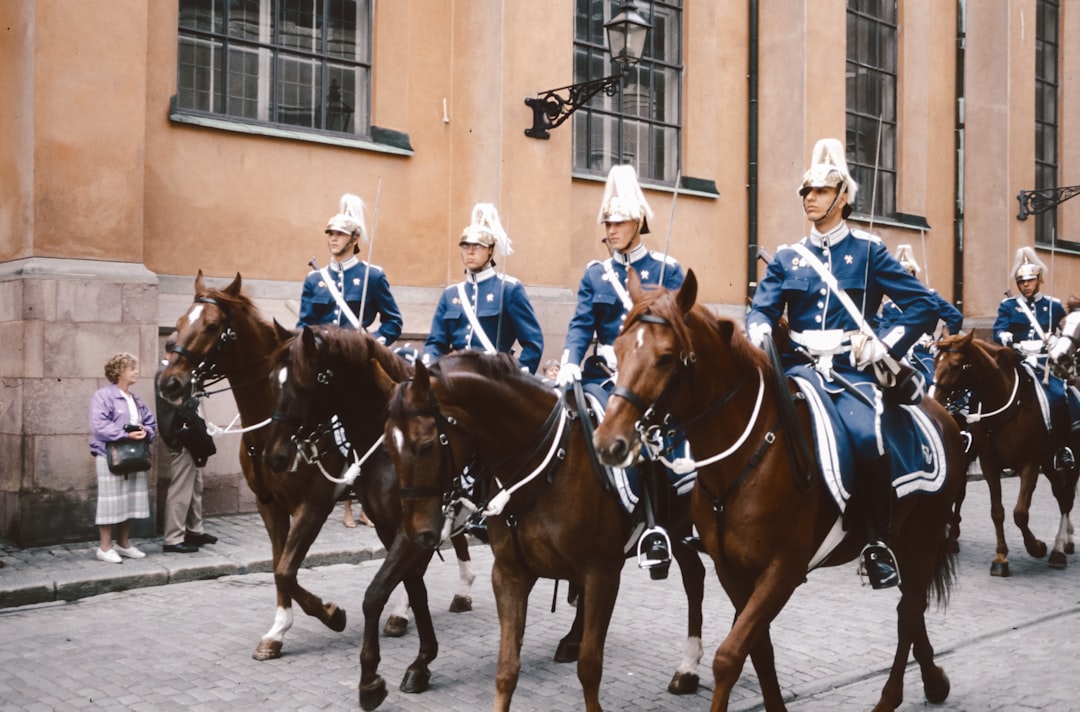
The use of animals in military service dates back thousands of years, with evidence suggesting that they have played crucial roles in warfare since ancient civilizations. From the chariots of the Egyptians to the cavalry of the Romans, animals such as horses, elephants, and dogs have been integral to military strategies and operations. Historical records indicate that horses were not only used for transportation but also as a means of carrying supplies and even engaging in battle.
Elephants, revered for their strength and size, were employed by armies like those of Hannibal during the Second Punic War, showcasing their ability to instill fear in enemy troops. As warfare evolved, so too did the roles of animals within military contexts. The Middle Ages saw the rise of war dogs, which were trained for various tasks, including guarding camps and attacking enemies.
The advent of modern warfare brought about new challenges and opportunities for animals in military service. During World War I and World War II, dogs were utilized for communication, search and rescue missions, and even as sentries. The historical significance of these animals is profound, as they have not only contributed to military successes but have also shaped the very nature of warfare itself.
Key Takeaways
- Animals have a long history of serving in the military, dating back to ancient times.
- Military animals have played various roles, including transportation, communication, detection, and companionship.
- The impact of animals on military operations has been significant, contributing to the success of missions and the well-being of soldiers.
- Famous animals in military history, such as Sergeant Stubby and Cher Ami, have become symbols of bravery and loyalty.
- The training and care of military animals are essential for their effectiveness and well-being, requiring specialized expertise and resources.
The Different Roles Animals Have Played in the Military
Throughout history, animals have taken on a variety of roles within military operations, each tailored to their unique abilities and characteristics. One of the most prominent roles has been that of messenger animals, particularly dogs and pigeons. During World War I, for instance, carrier pigeons were employed to deliver critical messages across enemy lines when other forms of communication were compromised.
Their remarkable homing instincts allowed them to navigate treacherous terrains, ensuring that vital information reached its destination. In addition to communication, animals have served as scouts and sentinels. Dogs, with their acute sense of smell and hearing, have been trained to detect explosives and locate hidden enemies.
This role has proven invaluable in modern conflicts where stealth and precision are paramount. Furthermore, horses have continued to play a role in reconnaissance missions, particularly in rugged terrains where vehicles may struggle to navigate. The versatility of these animals has allowed military forces to adapt their strategies and enhance their operational effectiveness.
The Impact of Animals on Military Operations
The impact of animals on military operations cannot be overstated. Their contributions have often been pivotal in determining the outcomes of battles and campaigns.
These animals were trained to locate wounded soldiers on the battlefield, providing timely assistance that could mean the difference between life and death. Their ability to traverse difficult terrain and navigate through chaos made them indispensable assets to military units. Moreover, animals have played a crucial role in boosting morale among troops.
The presence of a loyal companion can provide comfort and emotional support during the harrowing experiences of war. Soldiers often form deep bonds with their animal counterparts, which can alleviate stress and foster a sense of camaraderie. This emotional connection not only enhances the well-being of soldiers but also contributes to overall unit cohesion, ultimately impacting operational effectiveness.
Famous Animals in Military History
| Animal | Branch | Role | Notable Achievement |
|---|---|---|---|
| Cher Ami | US Army | Pigeon | Delivered a message that saved 194 soldiers in World War I |
| Sergeant Stubby | US Army | Dog | Participated in 17 battles during World War I and saved his regiment from surprise gas attacks |
| Smoky | US Army | Yorkshire Terrier | Assisted in 12 combat missions and survived 150 air raids during World War II |
| Wojtek | Polish Army | Brown Bear | Carried ammunition during the Battle of Monte Cassino in World War II |
Throughout history, several animals have gained fame for their remarkable contributions to military efforts. One such animal is Sergeant Stubby, a stray dog who became a hero during World War
Another notable figure is Cher Ami, a carrier pigeon who served during World War
Cher Ami is celebrated for delivering a critical message that saved the lives of nearly 200 soldiers trapped behind enemy lines. Despite being injured during her flight, she persevered and successfully delivered the message, earning her a medal for bravery. These stories highlight not only the courage of these animals but also their significant impact on military operations throughout history.
The Training and Care of Military Animals
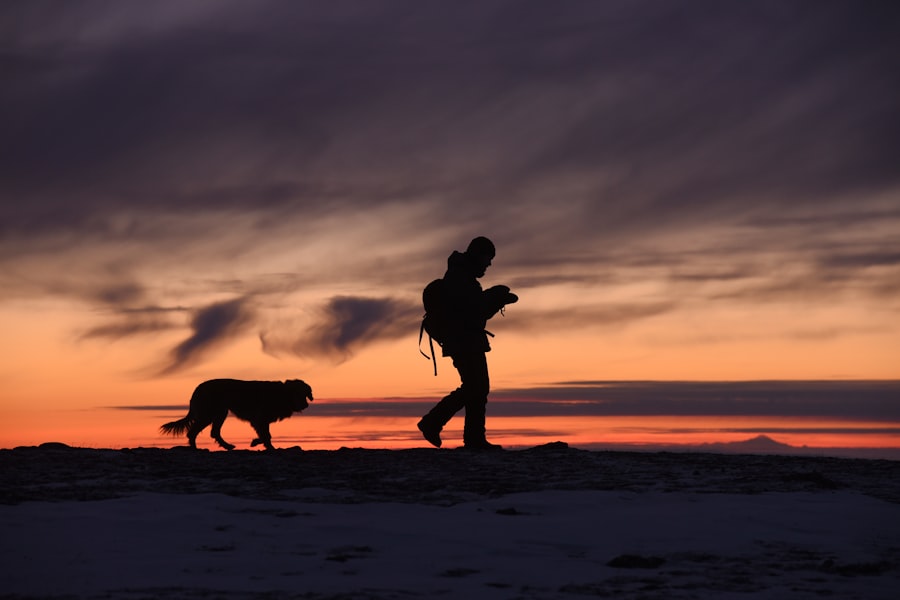
The training and care of military animals are essential components of their successful integration into military operations. Training programs are designed to harness the natural instincts and abilities of these animals while teaching them specific tasks relevant to their roles. For example, dogs undergo rigorous training that includes obedience commands, scent detection exercises, and socialization with human handlers.
This training ensures that they can perform effectively under high-stress conditions typical of combat environments. In addition to training, proper care is paramount for maintaining the health and well-being of military animals. This includes regular veterinary check-ups, proper nutrition, and mental stimulation to keep them engaged and happy.
Military units often have dedicated personnel responsible for the welfare of these animals, recognizing that their physical and emotional health directly impacts their performance on the field. The commitment to training and care reflects a broader understanding of the invaluable contributions these animals make to military operations.
The Bond Between Soldiers and Their Animal Companions
The bond between soldiers and their animal companions is often profound and deeply emotional. Many soldiers describe their animals as more than just tools or assets; they view them as loyal friends who provide companionship during some of the most challenging times in their lives. This bond can be particularly important in combat situations where soldiers face extreme stress and uncertainty.
The presence of an animal can offer comfort and a sense of normalcy amidst chaos. Moreover, this relationship is reciprocal; animals often rely on their human handlers for care and protection. The trust that develops between soldiers and their animal companions can enhance teamwork and communication during missions.
Soldiers learn to read their animals’ behaviors and cues, which can be critical in high-stakes situations where quick decisions are necessary. This unique partnership exemplifies the deep connections that can form between humans and animals in even the most challenging environments.
The Recognition and Honoring of Military Animals
As awareness grows regarding the contributions of animals in military service, efforts to recognize and honor these brave creatures have increased significantly. Various organizations have been established to advocate for the rights and welfare of military animals, ensuring they receive the recognition they deserve for their service. Events such as “National Dog Day” or “Veterans Day” often include tributes to military animals, celebrating their sacrifices alongside those of human soldiers.
Additionally, memorials dedicated to fallen military animals have been erected in various locations around the world. These memorials serve as poignant reminders of the bravery exhibited by these animals throughout history. They also highlight the importance of acknowledging the sacrifices made by all members of the armed forces—human or animal—who have served their countries with honor.
The Psychological and Emotional Support Provided by Military Animals
The psychological benefits provided by military animals are increasingly recognized within military circles. Many veterans report that their animal companions help alleviate symptoms associated with post-traumatic stress disorder (PTSD) and other mental health challenges stemming from combat experiences. The unconditional love and loyalty exhibited by these animals can provide a sense of stability and comfort that is often hard to find after returning from war.
Therapy animals are now being integrated into various programs aimed at supporting veterans’ mental health needs. These programs utilize trained therapy dogs or other animals to assist veterans in coping with anxiety, depression, or trauma-related issues. The presence of an animal can create a calming environment that encourages open communication and emotional healing.
This innovative approach underscores the vital role that animals can play in promoting mental well-being among those who have served.
The Challenges Faced by Military Animals
Despite their invaluable contributions, military animals face numerous challenges throughout their service careers. One significant issue is the risk posed by combat environments; many animals are exposed to dangerous situations that can lead to injury or death. Additionally, the psychological toll on these animals should not be overlooked; they may experience stress or trauma similar to that experienced by human soldiers due to the chaotic nature of warfare.
Many military dogs or other service animals require specialized care or retraining to adapt to life outside the military context. Unfortunately, not all veterans are equipped with the resources or knowledge necessary to provide this care effectively.
Addressing these challenges is crucial for ensuring that military animals receive the support they need both during and after their service.
The Continued Use of Animals in Modern Military Operations
In contemporary military operations, the use of animals remains prevalent across various branches of armed forces worldwide. Dogs continue to be trained for roles such as bomb detection, search-and-rescue missions, and even as therapy companions for soldiers dealing with mental health issues. Their adaptability makes them ideal candidates for diverse tasks within modern warfare scenarios.
Moreover, advancements in technology have complemented traditional roles played by animals in military settings. For instance, drones may assist in reconnaissance missions alongside trained dogs who can navigate difficult terrains or detect explosives more effectively than machines alone. This synergy between technology and animal capabilities highlights an evolving approach to modern warfare while still honoring the historical significance of animal contributions.
The Future of Animals in Military Service
Looking ahead, it is likely that animals will continue to play an essential role in military service as new challenges arise on the battlefield. Ongoing research into animal behavior and training methods will enhance their effectiveness in various roles while ensuring their welfare remains a priority within military organizations. As society becomes increasingly aware of the contributions made by these brave creatures, there may be greater advocacy for their rights and recognition within military contexts.
Furthermore, as mental health awareness grows within armed forces communities, there may be an expanded focus on utilizing therapy animals as part of comprehensive support systems for veterans returning from combat zones. This evolution reflects a broader understanding that both human soldiers and their animal companions share unique experiences that warrant acknowledgment and support. In conclusion, the history of animals in military service is rich with stories of bravery, loyalty, and sacrifice.
From ancient times to modern warfare, these remarkable creatures have played diverse roles that have significantly impacted military operations while forging deep bonds with soldiers along the way. As society continues to recognize their contributions, it is essential to ensure that both current and future generations honor these animal heroes who serve alongside humans in defense of freedom and peace.
Animals have played a significant role in military service throughout history, serving as messengers, scouts, and even combatants. Their contributions have been invaluable, providing unique skills and support that technology sometimes cannot replicate. For those interested in exploring more about the fascinating roles animals have played in various fields, including military service, you might find this related article intriguing. Check out this