
You might consider yourself a patriotic eater, a connoisseur of American culinary delights. You’ve savored the vibrant colors of Cheetos, the satisfying crunch of Frosted Flakes, and the comforting creaminess of a good coffee creamer. Yet, as you venture beyond your borders, you could be met with a surprising reality: many of these seemingly innocuous staples are strictly forbidden. This isn’t a conspiracy theory or a whimsical preference; it’s a direct consequence of differing health regulations and a stark reminder that what your nation deems safe, others might consider a significant hazard.
The global food landscape is not uniform. Each country, indeed each bloc of nations, acts as a scientific gatekeeper, evaluating food additives, processing methods, and agricultural practices through its own lens of safety and public health. This article will illuminate some of the most prominent examples of American foods that are verboten in other parts of the world, dissecting the scientific principles and regulatory philosophies behind these prohibitions, and ultimately prompting you to question the ingredients in your own pantry.
Your understanding of food safety is largely shaped by the regulatory body that governs your food supply. In the United States, that’s primarily the Food and Drug Administration (FDA) and the Department of Agriculture (USDA). In contrast, the European Union (EU) relies on the European Food Safety Authority (EFSA), while Canada has Health Canada, and Australia and New Zealand share Food Standards Australia New Zealand (FSANZ). These agencies, while sharing the common goal of protecting public health, operate under divergent philosophies, leading to significant differences in approved food additives and practices.
The Precautionary Principle vs. Reasonable Certainty of No Harm
At the heart of these divergences lies a fundamental philosophical split. The EU, and many other nations, largely adheres to the precautionary principle. Imagine approaching a dense forest with an unknown beast lurking within. The precautionary principle dictates that if there’s a reasonable suspicion of harm from a food additive, even without absolute scientific certainty, the substance should be restricted or banned until proven safe. It’s akin to saying, “better safe than sorry.”
Conversely, the US primarily operates under a “reasonable certainty of no harm” standard. This approach suggests that an additive is generally considered safe until there is conclusive scientific evidence demonstrating otherwise. Think of it as assuming the beast in the forest is benign until it overtly threatens you. This difference in philosophy is a foundational pillar supporting the disparate lists of approved ingredients.
The “Generally Recognized as Safe” (GRAS) Exception
Within the US regulatory framework, you’ll encounter the “Generally Recognized as Safe” (GRAS) designation. This allows manufacturers to introduce substances into the food supply without specific FDA approval if they are widely recognized by qualified experts as safe for their intended use, often based on common knowledge predating 1958. While this system aims to streamline innovation, critics argue it can create loopholes, allowing substances to enter the food chain with less rigorous oversight than formal approval processes. This “grandfather clause” of food additives is a point of concern for other nations that require explicit and current scientific evaluation for all new substances.
Many American foods face bans overseas due to health concerns, ingredient regulations, and differing food safety standards. For instance, certain additives and preservatives commonly used in the U.S. are prohibited in other countries, leading to significant differences in food products. To explore more about this topic and understand the implications of these bans, you can read a related article at Hey Did You Know This.
Artificial Colors: A Rainbow of Restrictions
You might marvel at the vibrant reds of a cherry tart, the brilliant yellows of your favorite candy, or the dazzling blues of a sports drink. These hues are often achieved through the use of artificial food dyes. While widely used in America, a significant number of these synthetic colors are either banned or subject to strict labeling requirements in other countries.
Beyond the Rainbow: Linking Dyes to Health Concerns
For decades, concerns have simmered regarding the potential health effects of artificial food dyes, particularly in children. Research, such as studies published in The Lancet, has explored links between certain artificial colors and hyperactivity and behavioral issues in some sensitive children. While the FDA maintains that these dyes are safe for most individuals at current consumption levels, other regulatory bodies have taken a more cautious stance.
Labeling Requirements: A Warning Flag for Consumers
In the EU, for instance, many foods containing specific artificial food dyes are required to carry a warning label stating: “May have an adverse effect on activity and attention in children.” This isn’t an outright ban, but it serves as a powerful deterrent for consumers and an incentive for manufacturers to seek natural alternatives. Imagine buying a product that explicitly warns you of a potential negative impact on your child’s behavior; you would likely think twice. This labeling requirement acts as a transparent mechanism, empowering consumers to make informed choices that are often not available to you in the US.
Hormones and Antibiotics in Livestock: A Farm-to-Fork Disagreement
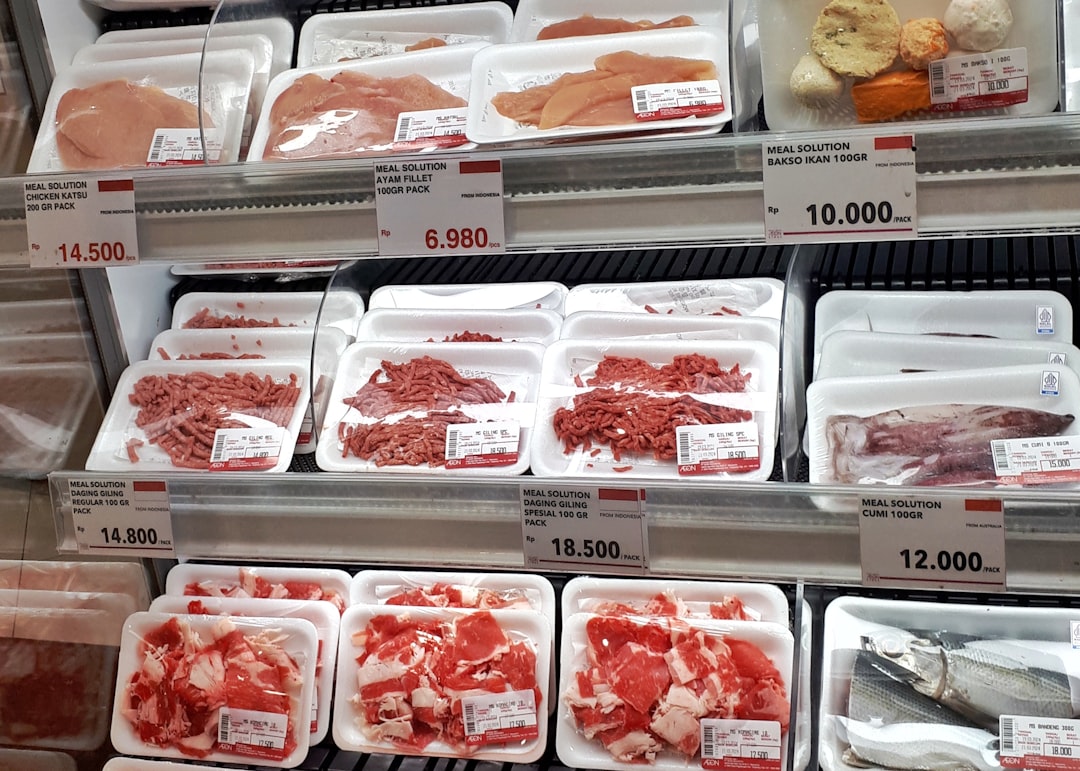
The way your meat is produced is another significant point of contention. The use of growth hormones and antibiotics in animal agriculture, commonplace in the US, faces stringent restrictions or outright bans in many other parts of the world.
Growth Hormones: Accelerating Growth, Raising Concerns
In American beef production, you’ll find that many cattle are treated with synthetic hormones such as recombinant bovine somatotropin (rBST) to promote faster growth and increased milk production. While the FDA considers these hormones safe for consumption, citing that the levels found in meat and milk are negligible compared to naturally occurring hormones, other nations have a different perspective.
The EU, in particular, has banned the use of growth hormones in cattle since 1989. Their concern stems from potential – albeit unproven to the satisfaction of the FDA – risks to human health, including endocrine disruption and an increased risk of certain cancers. This ban reflects a precautionary stance, prioritizing even theoretical risks to human health over agricultural efficiency. It’s a testament to the idea that some nations prioritize long-term public health over short-term economic gains in the agricultural sector.
Antibiotics: The Looming Specter of Resistance
The widespread use of antibiotics in animal feed, often to prevent disease in crowded conditions and promote growth, is another area of stark divergence. While medically important antibiotics are sometimes used in American agriculture, concerns about the development of antibiotic-resistant bacteria are a common global worry. Imagine a future where common infections become untreatable because the antibiotics you rely on are no longer effective – this is the specter of antibiotic resistance.
Many European countries have implemented stricter regulations or outright bans on the use of antibiotics as growth promoters, aiming to curb the spread of antibiotic resistance to humans. They see it as a critical public health issue that transcends national borders, and as such, your American-produced chicken, treated with specific antibiotics, might not find a welcoming market in those regions.
Genetically Modified Organisms (GMOs): A Scientific Divide
The advent of genetically modified organisms (GMOs) in agriculture has been hailed by some as a solution to global food security and by others as a cause for profound concern. Your processed foods, particularly those containing corn, soy, or canola, likely contain GMO ingredients. However, their acceptance is far from universal.
The Debate Over Long-Term Effects
The core of the GMO debate often revolves around the long-term health and environmental impacts. While scientific consensus, particularly in the US, generally holds that currently approved GMOs are safe to eat, many other countries, particularly in Europe, demand more extensive and independent research. They question the potential for unforeseen allergies, new toxins, or ecological disruptions. Think of it as constructing a magnificent new building. While the blueprint might seem sound, some nations demand more extensive earthquake simulations and material stress tests before occupancy.
Labeling Requirements: Empowering Consumer Choice
Many nations that permit the import of GMOs still require mandatory labeling, a policy often opposed by food manufacturers in the US. This difference in approach is significant. In the US, you generally won’t find a label explicitly stating that a product contains GMO ingredients unless your state has specific legislation. Conversely, in the EU, if a food contains more than 0.9% of GMO ingredients, it must be labeled as such. This empowers European consumers to make informed choices, whether driven by health concerns, ethical considerations, or environmental preferences – a transparency largely absent for you in the US.
Many American foods face bans in various countries due to differing regulations and health standards. For instance, certain additives and preservatives commonly used in the U.S. are prohibited elsewhere, raising concerns about consumer safety. If you’re interested in exploring more about this topic, you can read a related article that delves into the reasons behind these bans and the implications for international trade. Check it out here. Understanding these differences can shed light on the complexities of global food policies.
Food Additives and Preservatives: A Chemical Conundrum
| Reason for Ban | Example Foods | Countries Where Banned | Explanation |
|---|---|---|---|
| Use of Food Additives | Ractopamine-treated pork, Brominated vegetable oil in sodas | European Union, China, Russia | Concerns over health effects of certain additives not approved in these countries |
| Genetically Modified Organisms (GMOs) | GM corn, GM soy products | European Union, Japan, Russia | Strict regulations or bans on GMO foods due to environmental and health concerns |
| Use of Growth Hormones | Beef from cattle treated with growth hormones | European Union, Canada | Potential health risks linked to hormone residues in meat |
| Pesticide Residue Levels | Fruits and vegetables with pesticide residues exceeding local limits | European Union, Australia | Stricter pesticide residue limits than those allowed in the US |
| Food Safety Standards | Raw milk cheeses, certain processed meats | Japan, South Korea | Differences in food safety regulations and microbial standards |
Beyond artificial colors, a myriad of other food additives and preservatives find their way into American processed foods, often without the explicit knowledge of consumers. Many of these substances are under intense scrutiny or outright banned in other countries.
Potassium Bromate and Azodicarbonamide: Bread of Contention
You might enjoy the soft, airy texture of your sandwich bread. This desirable characteristic is sometimes achieved with additives like potassium bromate and azodicarbonamide (ADA). Potassium bromate, used as a flour improver, has been linked to potential carcinogenicity in animal studies, leading to its ban in the EU, Canada, and many other nations. ADA, another flour improver, has been associated with respiratory issues in bakers and is also banned in Europe, Australia, and other regions. These are two additives that are common in your American pantry that are viewed as unacceptable gambles by other food safety authorities.
Olestra: The Fat Substitute That Never Quite Took Off
A classic example of a US-approved additive that met a cold reception elsewhere is Olestra. Marketed as a fat substitute that allowed consumers to enjoy fried foods without the calories, Olestra had an unintended side effect for some: gastrointestinal distress and nutrient depletion due to its interference with fat-soluble vitamin absorption. While the FDA approved it, its side effects and the availability of healthier alternatives led to its ban or highly restricted use in Canada and many European countries. This serves as a cautionary tale of innovation versus unforeseen consequences.
The Broader Implications for Your Plate
What does this all mean for you, the American consumer? It suggests that the dietary choices you make, often without conscious thought regarding ingredients, are viewed differently around the world. The fact that dozens of commonly used ingredients in your food supply are banned elsewhere should prompt a deeper investigation into your diet.
This isn’t to say that all American food is inherently dangerous, nor that all foreign food is superior. Food safety is a complex and evolving science. However, these discrepancies highlight the importance of critical thinking and questioning the status quo. You are, in essence, an unwitting participant in a grand experiment, consuming substances that other nations, with equally rigorous scientific bodies, deem too risky for their citizens.
As you navigate the aisles of your local supermarket, consider this: the vibrant hues, the extended shelf life, the particular mouthfeel of your favorite processed foods are often engineered through the very additives that are considered unacceptable in many other developed nations. This global divergence serves as a powerful compass, pointing towards areas where your food standards might be out of sync with international norms, and ultimately, prompting you to demand greater transparency and a more cautious approach to what you put on your plate. Your health, after all, is a personal investment that transcends national borders.
WATCH NOW ▶️ American Foods Banned Overseas
FAQs
Why are some American foods banned overseas?
Certain American foods are banned overseas due to differences in food safety regulations, ingredient restrictions, and health standards set by other countries. These bans often aim to protect consumers from additives, pesticides, or production methods not approved locally.
Which American food ingredients are commonly banned in other countries?
Ingredients such as rBGH (recombinant bovine growth hormone) in dairy, certain food colorings, preservatives like BHA and BHT, and genetically modified organisms (GMOs) are often restricted or banned in various countries outside the U.S.
Do food safety standards differ significantly between the U.S. and other countries?
Yes, food safety standards vary widely. Some countries have stricter regulations on additives, pesticide residues, and genetically modified ingredients, leading to bans on certain American food products that do not meet their criteria.
Are American food bans overseas related to health concerns?
Yes, many bans are based on health concerns. For example, some additives used in American foods have been linked to potential health risks, prompting other countries to prohibit their use to safeguard public health.
Can American food companies export their products to countries with bans?
American food companies can export to countries with bans only if their products comply with local regulations. This may require reformulating products, removing banned ingredients, or obtaining special approvals to meet the importing country’s standards.