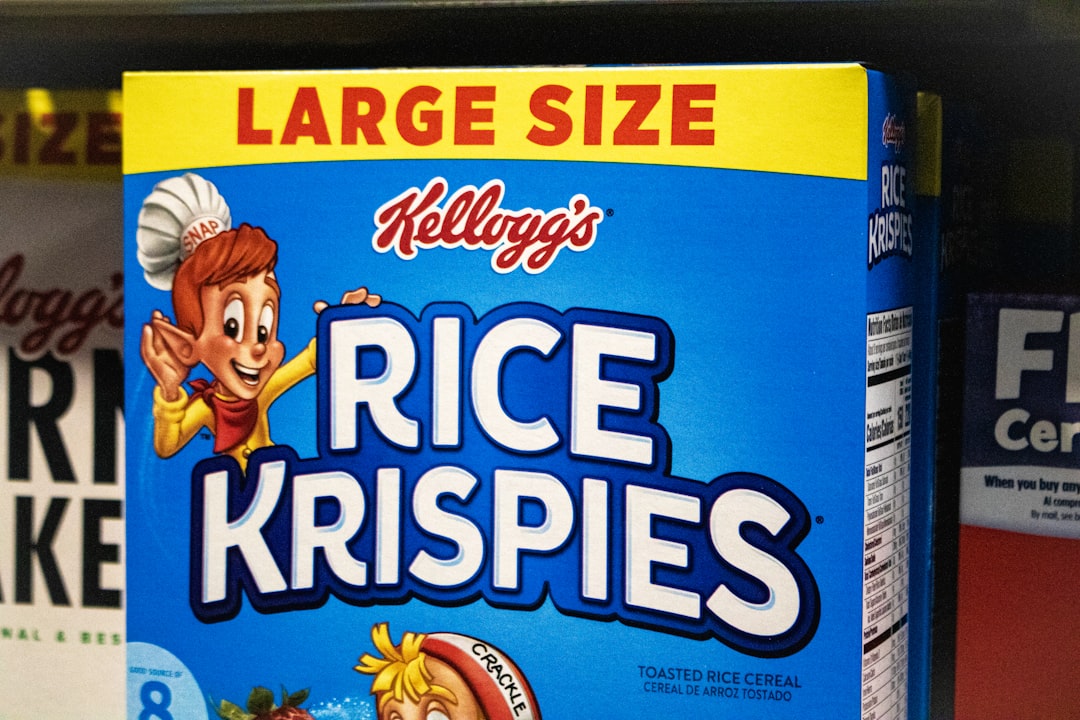
American breakfast cereals have been a common food choice for millions of people, providing a quick meal option for weekday mornings. Breakfast cereals in the United States emerged in the late 19th century when producers such as John Harvey Kellogg and C.W. Post manufactured processed grain products marketed for health purposes.
The industry has since grown into a multi-billion dollar market offering numerous varieties in flavors, textures, and marketing approaches targeting different age groups. The market includes both high-sugar options featuring branded characters and whole grain products emphasizing nutritional benefits. American breakfast cereals have faced criticism regarding their nutritional composition and manufacturing ingredients.
As consumer interest in health and nutrition has increased, questions have arisen about the regular consumption of these products. Growing awareness of dietary health has led to increased demand for ingredient transparency and nutritionally improved options. This article examines the health concerns related to American breakfast cereals, compares their ingredients with international alternatives, and analyzes the effects of artificial additives, sugar levels, and regulatory standards that influence the cereal industry.
The controversial product was recently banned in Europe due to safety concerns.
Key Takeaways
- American breakfast cereals often contain high levels of sugar, artificial colors, and flavors linked to health concerns.
- Many ingredients common in U.S. cereals are banned or restricted in other countries due to safety regulations.
- Marketing and advertising heavily influence consumer choices, often overshadowing nutritional information.
- Healthier breakfast alternatives and careful label reading are essential for making informed dietary decisions.
- Understanding regulatory differences helps consumers recognize why some cereals are considered unsafe abroad.
Health Concerns Associated with American Breakfast Cereals
The health concerns surrounding American breakfast cereals are multifaceted and often stem from their nutritional profiles. Many popular cereals are laden with added sugars, artificial flavors, and preservatives, which can contribute to various health issues when consumed excessively. High sugar content is particularly alarming, as it has been linked to obesity, diabetes, and other metabolic disorders.
For instance, some cereals marketed towards children can contain more sugar than a candy bar, raising questions about their suitability as a breakfast option for young consumers. Moreover, the reliance on refined grains in many cereals can lead to a lack of essential nutrients that whole grains provide. While some brands have made strides in fortifying their products with vitamins and minerals, the overall quality of ingredients remains a concern.
The prevalence of highly processed cereals may contribute to poor dietary habits, as they often lack the fiber and protein necessary for sustained energy throughout the day. As awareness of these issues grows, consumers are increasingly seeking out options that prioritize whole ingredients and nutritional integrity.
Comparison of Ingredients in American Breakfast Cereals and Foreign Alternatives
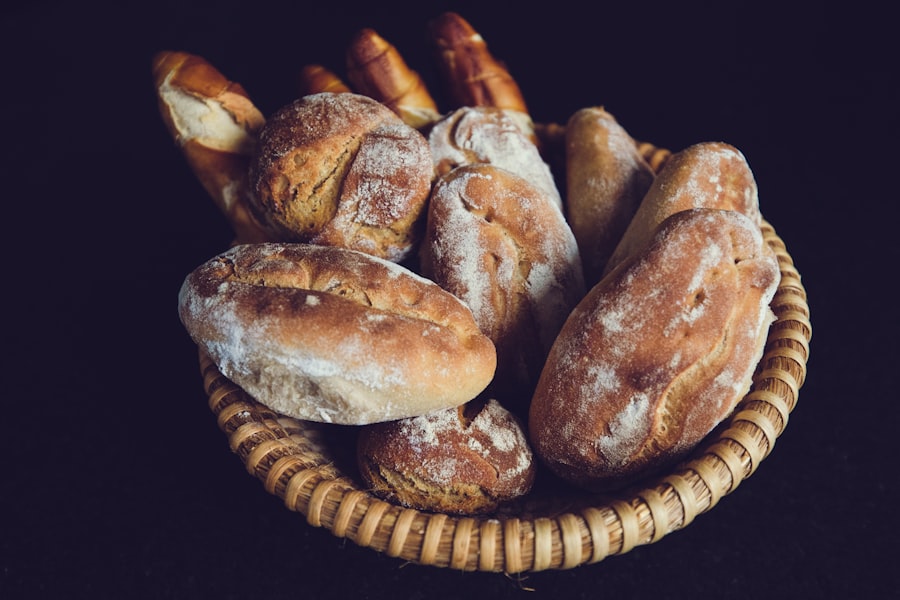
When comparing American breakfast cereals to their foreign counterparts, significant differences in ingredient quality and composition become apparent. In many countries, particularly in Europe, there is a stronger emphasis on using whole grains and natural ingredients. For example, European cereals often feature oats, barley, or spelt as primary ingredients, which provide more fiber and nutrients compared to the corn or rice-based cereals commonly found in the U.
This focus on whole grains aligns with broader dietary guidelines that advocate for increased fiber intake. Additionally, foreign alternatives tend to have lower sugar content and fewer artificial additives. In countries like Canada and Australia, regulations surrounding food labeling and ingredient transparency are stricter, leading to healthier product formulations.
Many European nations have also banned certain artificial colors and flavors that are still permitted in American cereals. This difference in regulatory standards not only affects the nutritional quality of breakfast cereals but also influences consumer perceptions and choices regarding what constitutes a healthy breakfast.
The Impact of Artificial Colors and Flavors in American Breakfast Cereals
Artificial colors and flavors play a significant role in the appeal of many American breakfast cereals, particularly those aimed at children. Brightly colored cereals with whimsical shapes are designed to attract young consumers, often overshadowing concerns about their nutritional value. However, research has raised alarms about the potential health risks associated with these synthetic additives.
Some studies suggest that certain artificial colors may be linked to hyperactivity in children and other behavioral issues. In contrast, many countries have taken proactive measures to limit or ban the use of these additives in food products. For instance, the European Union has stringent regulations regarding food coloring agents, requiring warning labels on products containing certain artificial dyes.
This regulatory approach reflects a growing awareness of consumer health and safety concerns. As American consumers become more informed about the potential risks associated with artificial ingredients, there is an increasing demand for cereals that prioritize natural flavors and colors derived from fruits and vegetables.
The Role of Sugar and High Fructose Corn Syrup in American Breakfast Cereals
| Cereal Name | Country Banned | Reason for Ban | Year of Ban | Notes |
|---|---|---|---|---|
| Froot Loops | United Kingdom | High artificial coloring content | 2010 | Concerns over food dyes linked to hyperactivity in children |
| Cocoa Pebbles | Norway | Excessive sugar content | 2015 | Regulations on sugar limits in children’s food products |
| Lucky Charms | France | Use of certain artificial flavors and colors | 2012 | Strict EU regulations on additives |
| Cap’n Crunch | Germany | High levels of trans fats | 2018 | Trans fat restrictions in food products |
| Apple Jacks | Sweden | Excessive sugar and artificial additives | 2016 | Health-focused food regulations |
Sugar is a prominent ingredient in many American breakfast cereals, often serving as a primary flavor enhancer that appeals to both children and adults alike. High fructose corn syrup (HFCS), a sweetener derived from corn starch, is frequently used as a cheaper alternative to traditional sugar. The prevalence of these sweeteners has raised significant health concerns due to their association with obesity and metabolic disorders.
Research indicates that excessive sugar consumption can lead to insulin resistance and increased fat storage in the body. The impact of sugar on overall health cannot be overstated; it contributes not only to weight gain but also to an increased risk of chronic diseases such as heart disease and type 2 diabetes. Many popular cereals contain staggering amounts of sugar—some exceeding 20 grams per serving—making them less suitable as a healthy breakfast option.
As consumers become more aware of these health implications, there is a growing push for manufacturers to reformulate their products by reducing sugar content or replacing HFCS with healthier alternatives.
Regulatory Differences Between the United States and Other Countries
The regulatory landscape governing food products varies significantly between the United States and other countries, particularly when it comes to breakfast cereals. In the U.
, the Food and Drug Administration (FDA) oversees food safety but has been criticized for its leniency regarding certain additives and ingredients that are banned or restricted elsewhere. For example, several artificial colors commonly used in American cereals are prohibited in Europe due to concerns about their potential health effects.
This disparity in regulations has led to a situation where American consumers may unknowingly be exposed to ingredients deemed unsafe in other parts of the world. The lack of stringent labeling requirements also complicates matters; many consumers may not fully understand what they are consuming or how it may affect their health. As global awareness of food safety issues continues to rise, there is increasing pressure on U.S.
regulators to adopt more rigorous standards that align with those of other countries.
Case Studies of Specific American Breakfast Cereals Banned Abroad
Several well-known American breakfast cereals have faced bans or restrictions abroad due to their ingredient compositions. One notable example is Froot Loops, which contains artificial colors that have been linked to hyperactivity in children. In countries like Norway and Finland, such additives are not permitted in food products aimed at children, leading to the cereal being pulled from shelves.
Another case involves certain varieties of Cheerios that contain genetically modified organisms (GMOs). In countries like France and Germany, strict regulations surrounding GMOs have resulted in these products being banned from sale. These case studies highlight the stark differences in food safety standards across borders and raise important questions about consumer rights and access to safe food options.
The Influence of Marketing and Advertising on American Breakfast Cereals
Marketing plays a crucial role in shaping consumer perceptions of breakfast cereals in America. Advertisements often emphasize fun characters, vibrant packaging, and catchy slogans designed to appeal to children while downplaying nutritional shortcomings. This marketing strategy has proven effective; many children associate sugary cereals with enjoyment and excitement rather than considering their health implications.
Moreover, the use of endorsements from popular figures or influencers further amplifies this effect. Children are particularly susceptible to these marketing tactics, which can lead them to favor sugary options over healthier alternatives. As parents become more aware of these influences, there is a growing demand for transparency in advertising practices related to food products aimed at children.
Alternatives to American Breakfast Cereals for a Healthier Breakfast
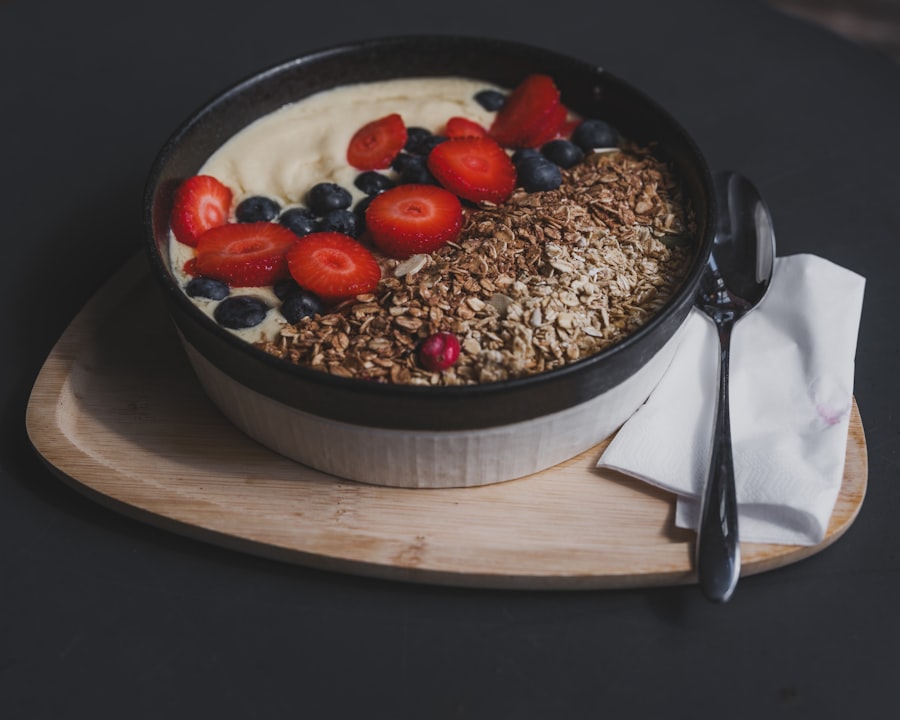
As awareness of the health concerns associated with traditional American breakfast cereals grows, many consumers are seeking healthier alternatives that provide better nutritional value without compromising taste. Options such as oatmeal or overnight oats have gained popularity due to their high fiber content and versatility; they can be customized with fruits, nuts, or seeds for added flavor and nutrition. Additionally, whole grain granolas made from natural ingredients offer a crunchy alternative that can be enjoyed with yogurt or milk.
These alternatives not only provide essential nutrients but also promote satiety throughout the morning hours. Smoothies made from fruits and vegetables can also serve as a nutritious breakfast option that is both quick to prepare and easy to consume on-the-go.
The Importance of Reading Labels and Understanding Ingredients in Breakfast Cereals
In an era where consumers are increasingly concerned about their health choices, understanding food labels has never been more critical. Reading ingredient lists on breakfast cereal packaging can reveal much about what one is consuming; it allows individuals to identify added sugars, artificial additives, and other potentially harmful ingredients. By becoming informed about what goes into their food, consumers can make better choices that align with their health goals.
Moreover, understanding serving sizes is equally important; many people underestimate how much they are actually consuming when pouring cereal into a bowl. By paying attention to both labels and serving sizes, individuals can take control of their dietary habits and make informed decisions that contribute positively to their overall well-being.
Making Informed Choices for a Healthier Breakfast
In conclusion, the landscape of American breakfast cereals presents both opportunities and challenges for consumers seeking healthier options. While these cereals offer convenience and variety, they often come with hidden health risks associated with high sugar content, artificial additives, and questionable ingredient quality. By comparing American cereals with foreign alternatives and understanding regulatory differences, consumers can gain valuable insights into what constitutes a healthy breakfast.
As awareness continues to grow regarding the importance of nutrition and ingredient transparency, individuals are empowered to make informed choices that prioritize their health. By exploring alternatives such as whole grains or natural products while remaining vigilant about reading labels, consumers can navigate the complex world of breakfast cereals more effectively. Ultimately, making conscious decisions about what one eats can lead to improved health outcomes and a more balanced approach to nutrition in daily life.
Many American breakfast cereals have faced scrutiny and even bans in various countries due to their high sugar content and the presence of artificial additives. For a deeper dive into this topic, you can read more about the reasons behind these bans and the implications for health and nutrition in the article found at Hey Did You Know This. This article explores the differences in food regulations between the United States and other nations, shedding light on why certain popular cereals are deemed unsuitable for consumption abroad.
WATCH THIS 🤯 33 American Foods Banned Overseas: The Shocking Ingredients You Won’t Find Abroad 🇺🇸❌🌍
FAQs
What are some American breakfast cereals that have been banned abroad?
Several American breakfast cereals have faced bans or restrictions in other countries due to ingredients, food safety standards, or labeling issues. Examples include cereals containing certain artificial colors, preservatives, or high levels of sugar that do not meet the regulatory standards of those countries.
Why are some American cereals banned in other countries?
Cereals may be banned abroad due to differences in food safety regulations, ingredient restrictions, or health concerns. Some countries have stricter rules on artificial additives, genetically modified organisms (GMOs), or nutritional content, leading to bans or reformulations of certain products.
Which countries have banned American breakfast cereals?
Countries with stringent food safety and labeling laws, such as those in the European Union, Canada, and some Asian nations, have been known to ban or restrict certain American cereals. The specific countries vary depending on the product and the regulatory environment.
Are the banned cereals unsafe to eat?
Not necessarily. The bans often reflect differing regulatory standards rather than definitive evidence that the cereals are unsafe. What is permitted in the U.S. may not comply with the food safety or health guidelines of other countries.
Can American cereal companies modify their products to comply with foreign regulations?
Yes, many companies reformulate their cereals to meet the ingredient and labeling requirements of different countries. This can involve removing banned additives, reducing sugar content, or changing packaging information.
Do these bans affect the availability of American cereals internationally?
Yes, bans and restrictions can limit the export and sale of certain American cereals in foreign markets. However, companies often adapt their products or offer alternative versions to maintain international presence.
Are there any health concerns associated with American breakfast cereals?
Some American cereals have been criticized for high sugar content, artificial additives, and low nutritional value. These concerns have led to increased scrutiny and regulatory actions in some countries.
How can consumers find out if a cereal is banned or restricted in their country?
Consumers can check with their country’s food safety authority or regulatory agency websites for information on banned or restricted food products. Additionally, product labeling and import notices may provide relevant details.