You’ve decided it’s time for new glasses, or perhaps you’ve just discovered you need them. The good news is, you don’t necessarily need vision insurance to acquire them. While insurance can offer significant discounts, it’s not the only pathway to affordable eyewear. This guide will walk you through the strategies you can employ to obtain the vision correction you need without the overhead of an insurance plan.
Before you embark on your quest for affordable glasses, it’s crucial to understand what contributes to the overall cost. Eyewear is not a monolithic purchase; its price is determined by a combination of factors, each of which you can potentially influence.
The Frame: More Than Just a Style Choice
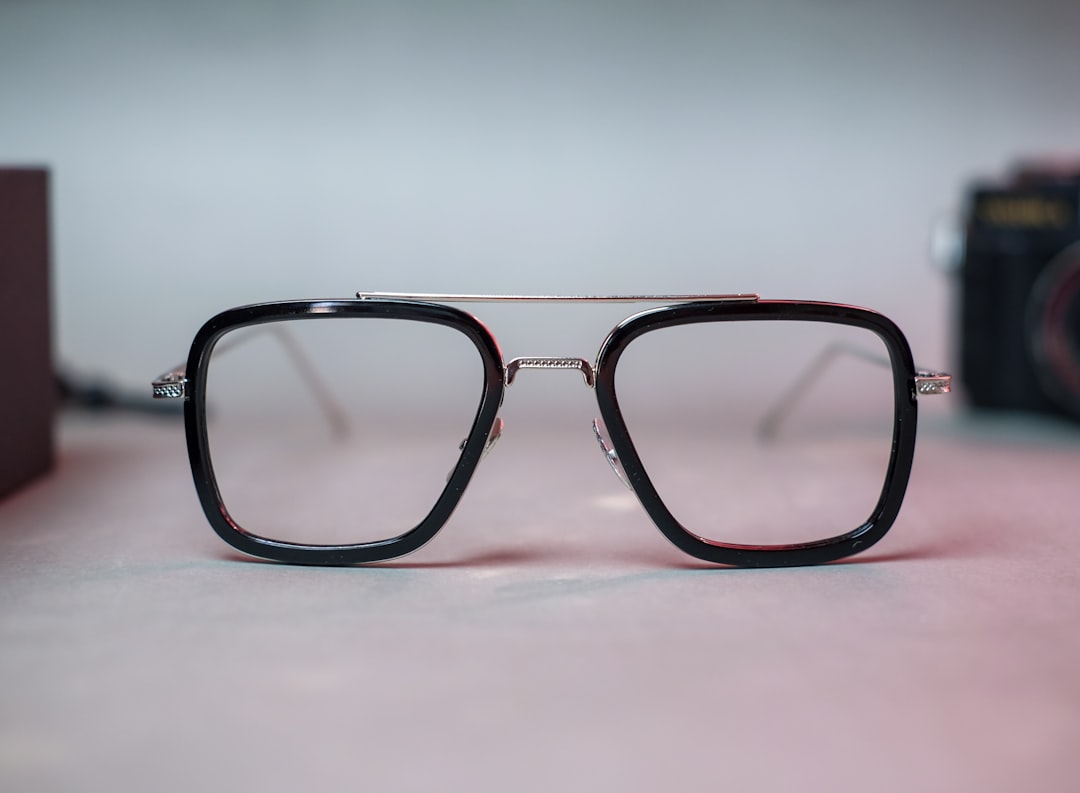
The frame is often the most visible part of your glasses, and its price can vary dramatically. This variation is driven by several elements.
Material Matters
The materials used to construct frames significantly impact their cost and durability.
- Plastics/Acetate: These are generally the most budget-friendly options. They come in a vast array of colors and styles. While durable, they can sometimes be prone to bending or breaking under extreme stress.
- Metal (e.g., Stainless Steel, Titanium): Metal frames tend to be more expensive than plastic ones. Stainless steel offers good durability and is hypoallergenic for many. Titanium, while considerably pricier, is exceptionally lightweight, durable, and resistant to corrosion, making it a popular choice for those seeking comfort and longevity.
- Other Materials: You might encounter frames made from materials like wood, buffalo horn, or other exotic substances. These are typically high-end and come with a corresponding price tag, so they are likely not your primary focus when seeking affordability.
Brand Recognition and Designer Labels
Just as with clothing, eyewear brands carry weight and influence price.
- Designer Brands: Frames from well-known fashion houses or collaborations will almost always command a premium. You are paying for the name, the perceived quality, and the associated prestige.
- Generic or House Brands: Many optical retailers offer their own branded lines of frames. These are often designed to mimic popular styles but are manufactured at a lower cost, allowing for a more accessible price point. They can still offer good quality and style.
Frame Design and Complexity
The intricacy of a frame’s design can also affect its cost.
- Simple, Classic Designs: Often found in more affordable ranges, these are manufactured efficiently in large quantities.
- Complex or Fashion-Forward Designs: Frames with unique shapes, intricate detailing, or specialized construction methods can be more expensive due to the increased labor and design costs involved.
Lenses: The Clear Advantage (and Cost)
While the frame is the visible structure, the lenses are the functional core of your eyeglasses. Their cost is influenced by the prescription they need to accommodate and the features you opt for.
Prescription Complexity
The level of visual correction required directly impacts lens cost.
- Single Vision Lenses: These correct for one distance (reading, distance, or intermediate). They are typically the least expensive type of prescription lens.
- Bifocal Lenses: These contain two distinct viewing areas for different distances, usually separated by a visible line.
- Progressive Lenses (No-Line Bifocals): These offer a seamless transition between different viewing zones (distance, intermediate, and near) without a visible line. They are more technically complex to manufacture and thus more costly.
- High-Index Lenses: If you have a strong prescription, especially for nearsightedness, your lenses might require a thicker material. High-index materials are optical plastics that allow for thinner, lighter lenses, which are crucial for comfort and aesthetics with stronger prescriptions. The higher the index number (e.g., 1.67, 1.74), the thinner and more expensive the lens will be.
Lens Treatments and Coatings
Beyond the basic prescription, numerous coatings can enhance lens performance and durability, each adding to the final price.
- Anti-Reflective (AR) Coating: This is arguably the most beneficial coating for most people. It reduces glare from light sources, improves visual clarity, and makes your eyes more visible to others, creating a more aesthetically pleasing look. It’s often considered a worthwhile investment.
- Scratch-Resistant Coating: Applied to the surface of most lenses by default, this coating helps protect against minor scratches that can occur from everyday wear and tear. While standard, some enhanced versions may cost extra.
- UV Protection: Most modern lenses include UV protection. This is crucial for eye health and is often bundled into the lens cost, but it’s worth confirming.
- Blue Light Filtering: With increased screen time, lenses designed to filter out a portion of blue light are becoming popular. These can add a noticeable cost, and their necessity is still debated in the scientific community for general use.
- Photochromic Lenses (Transitions): These lenses darken automatically when exposed to sunlight and lighten indoors. They offer the convenience of sunglasses and prescription glasses in one, but they come with a significant price increase.
If you’re looking for tips on how to buy glasses without insurance, you might find it helpful to read a related article that provides valuable insights and options for affordable eyewear. This article discusses various strategies, including online retailers and discount programs, that can help you save money while ensuring you get the right prescription glasses. For more information, check out the article here: How to Buy Glasses Without Insurance.
Strategies for Affordable Eyewear Without Insurance
Now that you understand the cost components, let’s delve into practical strategies for acquiring glasses without relying on vision insurance.
1. Explore Online Retailers
The rise of online eyewear retailers has significantly disrupted the traditional optical market, offering substantial savings for consumers.
The Convenience and Cost Savings of E-commerce
Online stores bypass many of the overhead costs associated with brick-and-mortar optical shops, such as prime real estate and a large staff. This allows them to pass on those savings to you.
- Wider Selection: Online platforms often boast a much larger inventory of frames and lens options than a single physical store. You can browse from the comfort of your home at any time.
- Transparent Pricing: Prices are usually clearly displayed, making it easy to compare options and stick to your budget.
- Direct-to-Consumer Models: Many online retailers operate on a direct-to-consumer model, cutting out intermediaries and further reducing costs.
Essential Steps for Online Purchases
Buying glasses online requires a slightly different approach than in-store shopping.
- Accurate Prescription Information: This is paramount. Ensure your prescription is up-to-date and you have all the necessary details, including lens measurements like pupillary distance (PD). Many optometrists will provide your PD, but if not, you can often measure it yourself with a ruler and mirror, or use online guides.
- Virtual Try-On Tools: Most reputable online retailers offer virtual try-on features. You upload a photo of yourself, and you can see how different frames would look on your face. While not perfect, it’s a helpful visual aid.
- Read Reviews: Before committing to a purchase, thoroughly review customer feedback on the retailer’s website and independent review sites. Pay attention to comments about frame quality, lens accuracy, shipping times, and customer service.
- Understand Return Policies: Online purchases can be nerve-wracking without being able to try them on physically. Familiarize yourself with the retailer’s return and exchange policy in case the glasses don’t fit or look as expected.
2. Leverage Discount Retailers and Big Box Stores
Beyond dedicated online retailers, you can find significant savings at large discount chains that offer optical services.
Where to Look for Bargains
Certain types of retailers are known for their competitive pricing on eyewear.
- Warehouse Clubs: Stores like Costco and Sam’s Club often have optical departments with competitive prices on both frames and lenses. You typically need a membership to shop there, but the savings on glasses can often offset the membership cost.
- Discount Department Stores: Some larger department stores also have optical centers that can offer more affordable options compared to specialty boutiques.
- Big Box Retailers with Opticals: Retailers like Walmart Vision Centers are specifically designed to provide budget-friendly eyewear solutions.
Advantages of Brick-and-Mortar Discount Options
These locations offer a blend of accessibility and affordability.
- In-Person Service: You can still have your eyes examined (often at a competitive price) and get fitted for glasses by a professional, which can be reassuring for those who are hesitant about online purchases.
- Immediate Gratification: Once you’ve chosen your frames and your prescription is ready, you can often pick up your glasses within a relatively short timeframe.
- Package Deals: Many discount retailers offer package deals that include an eye exam, basic frames, and standard lenses at a fixed, attractive price.
If you’re looking for ways to buy glasses without insurance, you might find it helpful to explore various options available to you. Many retailers offer affordable choices, and some even provide discounts for first-time buyers. Additionally, you can consider checking out this informative article on how to save money on eyewear, which can guide you through the process of finding the best deals. For more insights, visit this helpful resource that discusses various strategies for purchasing glasses without breaking the bank.
3. Take Advantage of Sales and Promotions
Eyewear retailers, both online and in brick-and-mortar stores, frequently run sales and promotional events. Savvy shoppers can time their purchases to coincide with these opportunities.
Monitoring for Deals
Being proactive in your search for deals can lead to substantial savings.
- Sign Up for Email Lists: Most retailers will notify their subscribers of upcoming sales and special offers.
- Follow on Social Media: Retailers often announce flash sales or coupon codes through their social media channels.
- Holiday Sales: Keep an eye out for significant discounts during major holiday shopping periods like Black Friday, Cyber Monday, and end-of-season sales.
Understanding the Fine Print
While sales are attractive, always read the terms and conditions.
- Exclusions and Limitations: Some promotions might exclude designer brands, certain lens types, or already discounted items.
- Minimum Purchase Requirements: Certain deals may require you to spend a minimum amount to qualify for the discount.
- Coupon Codes: If a sale requires a coupon code, make sure you enter it correctly at checkout to apply the discount.
4. Consider Generic or House Brands
As mentioned earlier, many retailers offer their own lines of frames that are designed to be more affordable.
The Value Proposition of House Brands
These options provide a way to get stylish and functional glasses at a lower price point.
- Mimicking Trends: House brands often draw inspiration from popular designer styles, allowing you to achieve a similar aesthetic without the premium price tag.
- Quality Control: While generally less expensive, reputable retailers maintain quality control standards for their house brands, ensuring you’re not sacrificing too much in terms of durability.
- Focus on Functionality: These frames prioritize essential features and reliable construction over elaborate branding or rare materials.
Where to Find Them
- Optical Chains: The major optical chains almost invariably have their own private label frame collections.
- Online Retailers: Many online-only eyewear companies also offer a range of their own branded frames alongside other choices.
5. Ask About “Second Pair” Deals and Bundles
Many optical providers offer incentives for purchasing multiple pairs of glasses or bundling services.
The Benefit of Bundling
These deals can significantly reduce the per-item cost.
- “Buy One, Get One” (BOGO) Offers: These are very common and can be an excellent way to get a second pair of glasses for free or at a heavily discounted price. This could be useful for having a backup pair, a pair for particular activities (like sports), or a different style.
- Package Deals: As previously noted, some retailers offer packages that bundle eye exams, frames, and lenses, which often represent a cost saving over purchasing each item individually.
- Discounted Lenses with Frames: You might find offers where purchasing a specific frame comes with a significant discount on certain types of lenses.
Maximizing These Offers
- Consider Your Needs: Think about whether you actually need a second pair or if a bundle makes sense for your current vision care.
- Compare Against Other Options: Always compare the total cost of a BOGO or bundle deal against purchasing the items separately from different retailers to ensure it truly offers the best value for you.
- Understand the Terms: Be aware of any restrictions on the “second pair” – for example, it might have to be of equal or lesser value, or it might be for a specific type of lens.
6. Consider Your Lens Choices Carefully
The choices you make regarding lenses have a substantial impact on the final cost. Prioritize essential features and be judicious about add-ons.
Essential vs. Optional Lens Features
- Prioritize AR Coating and UV Protection: These are widely considered essential for comfort, clarity, and eye health. They are often worth the investment even if you are on a tight budget.
- Evaluate Blue Light Filtering: Unless you have been specifically advised by your eye doctor, consider whether blue light filtering is a necessity or a trend you can afford to skip for now. The scientific evidence for its broad benefit is still developing.
- Photochromic Lenses: While convenient, photochromic lenses are a significant expense. If you regularly use separate sunglasses, sticking with regular lenses for your prescription glasses and purchasing a separate pair of prescription sunglasses might be more cost-effective.
- High-Index Lenses: If your prescription is mild to moderate, standard lenses might suffice, saving you money. Discuss with your optician whether high-index lenses are truly necessary for your comfort and desired frame style.
The Power of “No Frills” Lenses
Don’t underestimate the value of basic, well-made lenses.
- Standard Materials: For many prescriptions, standard optical plastic lenses will provide clear vision and adequate durability.
- Focus on Fit and Prescription Accuracy: Ensure your lenses are made precisely to your prescription. An inaccurately made lens, no matter how many coatings it has, will not serve you well.
7. Explore Local Independent Opticians
While big chains and online retailers often dominate the conversation around affordability, don’t entirely discount independent opticians.
The Potential for Negotiation and Niche Savings
Independent shops may offer different advantages.
- Personalized Service and Expertise: You can often receive more tailored advice from an independent optician, who might be able to suggest cost-effective solutions that fit your specific needs and face shape.
- Less Overhead Than High-End Boutiques: While not always as cheap as big box stores, some independent opticians have lower overhead than major mall-based chains, which can sometimes translate into more competitive pricing.
- Open to Negotiation (Sometimes): In some cases, especially if you are a returning customer or are purchasing multiple items, an independent optician might be slightly more flexible with pricing or offer small discounts. It never hurts to politely inquire.
- Focus on Quality Alternatives: They might have access to lesser-known but high-quality frame manufacturers that offer good value without the brand markup.
When to Consider an Independent Optician
- When You Have Complex Needs: If you have a complicated prescription or specific visual requirements, the expertise of an independent optician can be invaluable.
- When You Value a Relationship: If you prefer to build a relationship with a local professional who understands your vision history.
- When Shopping Around: Make them one of your stops when comparing prices.
The Importance of Your Eye Exam
While this article focuses on buying glasses without insurance, it’s critical to remember that a comprehensive eye exam is a necessary prerequisite to purchasing any eyewear. Your eyesight can change, and an updated prescription is vital for clear vision and eye health.
Ensuring an Accurate and Affordable Exam
- Shop Around for Exams: Just like glasses, the cost of eye exams can vary. Compare prices at different optometrists’ offices, including those within discount retailers.
- Look for Deals on Exams: Sometimes, eye exams are bundled with glasses purchase deals or offered at reduced prices as a promotion.
- Understand What’s Included: Clarify if the exam includes basic vision testing, dilation, and any other necessary diagnostic procedures.
By understanding the components of eyewear cost and employing these strategies, you can confidently acquire the eyeglasses you need without the burden of vision insurance. It requires a bit of research, comparison, and mindful decision-making, but affordable, clear vision is well within your reach.
FAQs
1. What are some options for buying glasses without insurance?
There are several options for purchasing glasses without insurance, including online retailers, discount stores, and independent optical shops. Some retailers offer affordable frames and lenses, and may also provide discounts or promotions for first-time customers.
2. How can I save money when buying glasses without insurance?
To save money when buying glasses without insurance, consider shopping for frames and lenses at discount stores, comparing prices at different retailers, and looking for promotions or discounts. Additionally, some online retailers offer affordable options and virtual try-on features to help you find the right pair.
3. What should I consider when buying glasses without insurance?
When buying glasses without insurance, it’s important to consider factors such as the quality of frames and lenses, the retailer’s return policy, and any additional costs for lens coatings or prescription adjustments. You should also ensure that the retailer has a good reputation and provides accurate prescription fulfillment.
4. Can I use my existing prescription to buy glasses without insurance?
Yes, you can use your existing prescription to purchase glasses without insurance. Many retailers accept prescriptions from eye doctors and allow you to input your prescription information when ordering online. However, it’s important to ensure that your prescription is up to date and accurately reflects your current vision needs.
5. Are there any resources or programs available for individuals who need financial assistance to buy glasses without insurance?
Some organizations and programs offer financial assistance for individuals who need help purchasing glasses without insurance. These resources may include local charities, vision care assistance programs, and government-funded initiatives. Additionally, some retailers may offer payment plans or financing options for those who need assistance with the cost of glasses.