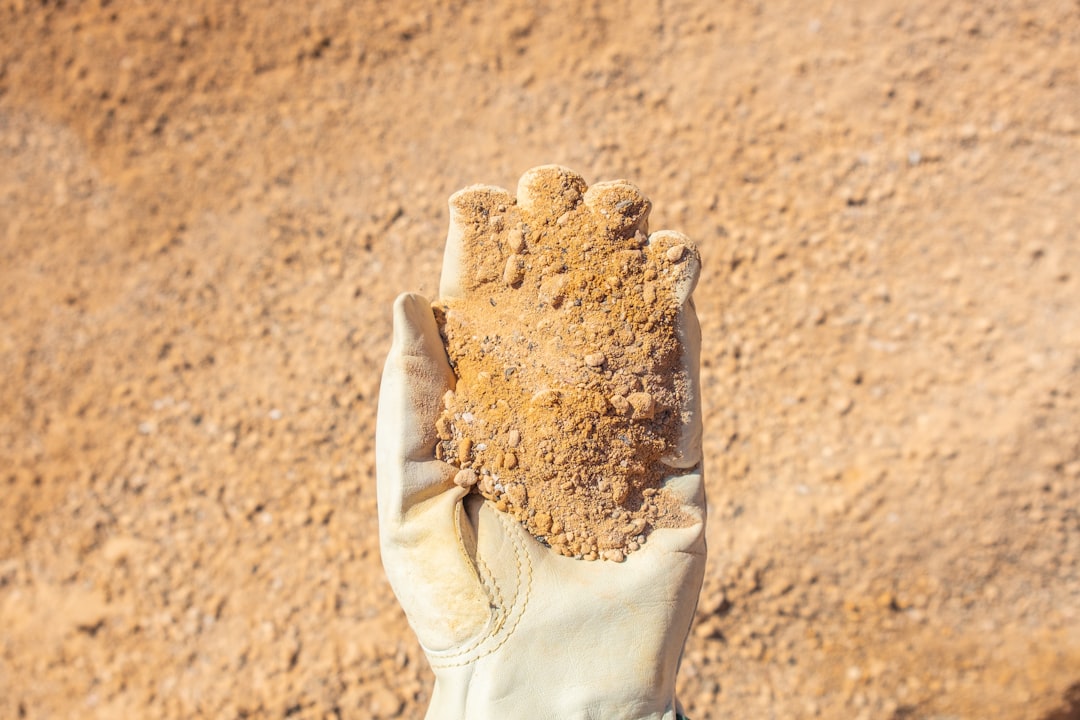
The increasing demand for aggregates, driven by global urbanization and infrastructure development, places immense pressure on sand resources. Sand, a seemingly abundant material, is in fact a finite resource, and its uncontrolled extraction poses significant environmental, social, and economic challenges. Advocating for sustainable sand mining practices is therefore not merely an option but a necessity for ensuring long-term resource availability and mitigating the detrimental impacts of current methods. This involves a multi-faceted approach, encompassing policy reform, technological innovation, community engagement, and robust monitoring mechanisms.
The current trajectory of sand extraction often prioritizes short-term economic gains over environmental stewardship and social equity. This has led to widespread deforestation of riverbanks, erosion of coastlines, depletion of groundwater tables, and significant habitat destruction. Furthermore, the illicit sand trade, often fueled by corruption and lacking any regulatory oversight, exacerbates these problems, depriving governments of revenue and leaving communities to bear the brunt of environmental degradation. Reforming sand mining practices is a complex undertaking that requires a concerted effort from governments, industry stakeholders, civil society organizations, and local communities. Successful reform hinges on understanding the root causes of unsustainable practices and developing practical, actionable strategies to address them.
The extraction and utilization of sand are fundamental to modern society. From concrete used in constructing buildings and roads to glass manufacturing and electronics production, sand forms the backbone of numerous industries. However, the global scale of this demand often goes unrecognized. Rivers, which are natural conduits for sand transport, are being mined at rates far exceeding their natural replenishment. Similarly, coastal and marine sand extraction can lead to irreversible damage to fragile ecosystems.
The Environmental Footprint of Unsustainable Mining
The environmental consequences of unsustainable sand mining are far-reaching and often devastating. Riverine sand extraction, which is prevalent in many developing nations, can lead to significant changes in river morphology. It can alter flow regimes, increase flood risk, and impact aquatic biodiversity. The removal of riparian vegetation to facilitate mining further exacerbates erosion, leading to sedimentation in downstream areas that can harm water quality and aquatic life.
Erosion and Sedimentation
The removal of sand from riverbeds and banks destabilizes the surrounding soil, making it more susceptible to erosion. This erosion can lead to significant loss of land, impacting agricultural areas and human settlements. The increased sediment load in rivers can also degrade water quality, affecting drinking water sources and the health of aquatic ecosystems.
Habitat Destruction and Biodiversity Loss
Sand mining operations, particularly those that are unregulated, often involve heavy machinery and extensive disturbance of natural habitats. Riverine and coastal ecosystems provide essential habitats for a wide range of flora and fauna. The destruction of these habitats through mining can lead to the decline or local extinction of species, disrupting ecological balance.
Groundwater Depletion and Salinity Intrusion
In coastal areas, excessive sand extraction from beaches can lead to the erosion of dunes, which act as natural barriers against storm surges. This can increase vulnerability to coastal flooding. Furthermore, in low-lying coastal regions, over-extraction of sand can lower the groundwater table, allowing saltwater to intrude into freshwater aquifers, rendering them unusable for drinking and irrigation.
Socio-Economic Impacts of the Sand Trade
Beyond the environmental damages, unsustainable sand mining has profound socio-economic implications. The livelihoods of communities dependent on rivers and coasts for fishing and agriculture can be severely impacted. The illicit sand trade, in particular, is often associated with organized crime, corruption, and violence, creating a climate of instability and undermining the rule of law.
Impacts on Local Communities and Livelihoods
Communities residing near sand extraction sites often suffer from dust pollution, noise, and traffic congestion caused by heavy vehicles. Their access to clean water can be compromised, and agricultural land may be rendered infertile due to erosion or changes in water availability. Fishing communities may find their catches dwindling as aquatic habitats are destroyed.
The Illicit Sand Trade and Corruption
The high demand for sand, coupled with weak regulatory frameworks, creates fertile ground for illegal sand mining. This often involves powerful cartels that operate with impunity, evading taxes and environmental regulations. The revenue generated from illicit sand mining is often used to further entrench corruption, making it difficult for legitimate businesses to compete and for governments to implement effective oversight.
Advocating for sand mining reform is crucial for sustainable environmental practices and community welfare. A related article that provides insights and strategies on this topic can be found at Hey Did You Know This. This resource offers valuable information on the impacts of sand mining and practical steps individuals and organizations can take to promote responsible policies and practices in the industry.
Policy and Regulatory Reforms for Sustainable Sand Management
Effective policy and regulatory frameworks are the bedrock of sustainable sand mining. This requires a comprehensive understanding of the resource, its extraction, and its uses, coupled with the political will to enforce regulations. A shift from reactive enforcement to proactive planning and resource management is crucial.
Developing National Sand Management Policies
Governments must prioritize the development and implementation of comprehensive national sand management policies. These policies should define the ecological carrying capacity of different sand extraction sites, establish clear guidelines for extraction volumes and methods, and delineate areas where extraction is prohibited due to ecological sensitivity or other considerations.
Resource Mapping and Assessment
Before any extraction can occur, a thorough mapping and assessment of sand resources are essential. This involves identifying sand deposits, estimating their volumes, and understanding their geological and ecological context. This data forms the basis for informed decision-making regarding extraction limits and locations.
Environmental Impact Assessments (EIAs)
Mandatory and rigorous Environmental Impact Assessments should be a prerequisite for any sand mining operation. These assessments must consider the potential impacts on water quality, biodiversity, land stability, and downstream ecosystems, and outline appropriate mitigation measures. Public consultation should be an integral part of the EIA process.
Strengthening Enforcement and Governance
Robust enforcement mechanisms are critical to ensure compliance with regulations. This involves adequately resourcing environmental protection agencies, providing them with the necessary legal authority, and ensuring their independence from undue influence. Transparency and accountability in the sand mining sector are paramount.
Combating Illegal Mining
Strategies to combat illegal sand mining must be multifaceted. This includes increased surveillance of extraction sites, the use of technology such as satellite imagery and drone monitoring, and the imposition of severe penalties for offenders. Inter-agency cooperation between environmental bodies, law enforcement, and customs is also vital.
Promoting Transparency and Accountability
Establishing transparent systems for licensing, revenue collection, and reporting is crucial to prevent corruption. Digital platforms can be utilized to track sand extraction permits, monitor extraction volumes, and facilitate public access to relevant information. Independent audits of sand mining operations can further enhance accountability.
International Cooperation and Knowledge Sharing
The challenges of sustainable sand management are not confined to national borders. Rivers often flow through multiple countries, and coastal currents can transport sand across maritime boundaries. Therefore, international cooperation and the sharing of best practices are essential for effective management.
Regional Agreements and Mechanisms
Developing regional agreements for the management of transboundary sand resources can help coordinate efforts and prevent transboundary environmental damage. This could involve joint monitoring programs, shared data platforms, and collaborative enforcement strategies.
Learning from Global Best Practices
Many countries and organizations have developed innovative approaches to sustainable sand management. Sharing these experiences, including both successes and failures, can provide valuable insights and accelerate the adoption of effective strategies globally.
Innovations and Best Practices in Sand Extraction and Alternatives

The drive for sustainable sand mining necessitates the adoption of innovative extraction techniques and the exploration of viable alternatives to natural sand. Technological advancements and a commitment to research and development can significantly reduce the environmental impact of sand extraction.
Advanced Extraction Technologies
Modern sand mining operations can employ technologies that minimize environmental disturbance. These include precision dredging, which allows for targeted extraction, and the implementation of strict sediment control measures to prevent pollution of waterways.
Precision Dredging and Minimizing Sediment Plumes
Precision dredging techniques allow for the extraction of sand from specific locations with greater control, reducing the overall footprint of operations. Employing advanced equipment that minimizes sediment disturbance and the creation of large sediment plumes is crucial for protecting aquatic ecosystems.
Ecosystem Restoration After Extraction
Reclamation and restoration of mined areas are essential components of sustainable practice. This can involve re-grading the land, replanting native vegetation, and restoring natural hydrological processes to help the ecosystem recover.
Sustainable Sourcing and Land-Based Alternatives
Reducing reliance on riverine and marine sand extraction can be achieved by exploring and promoting sustainable alternatives. These include the utilization of manufactured aggregates, construction and demolition waste, and industrial by-products.
Manufactured Aggregates
The production of manufactured aggregates through crushing rock can provide a sustainable alternative to natural sand. While energy-intensive, these processes can be optimized to minimize environmental impact, and the availability of suitable rock sources is generally more widespread than specific sand deposits.
Recycling Construction and Demolition Waste
A significant amount of material from demolished buildings and infrastructure can be recycled and processed into aggregates. This not only reduces the demand for virgin sand but also diverts waste from landfills, offering a dual environmental benefit.
Utilizing Industrial By-products
Some industrial processes generate by-products that can be used as aggregates. For example, certain types of slag from steel production or incinerator ash can be processed and incorporated into construction materials, offering a valuable resource recovery opportunity.
Community Engagement and Stakeholder Collaboration
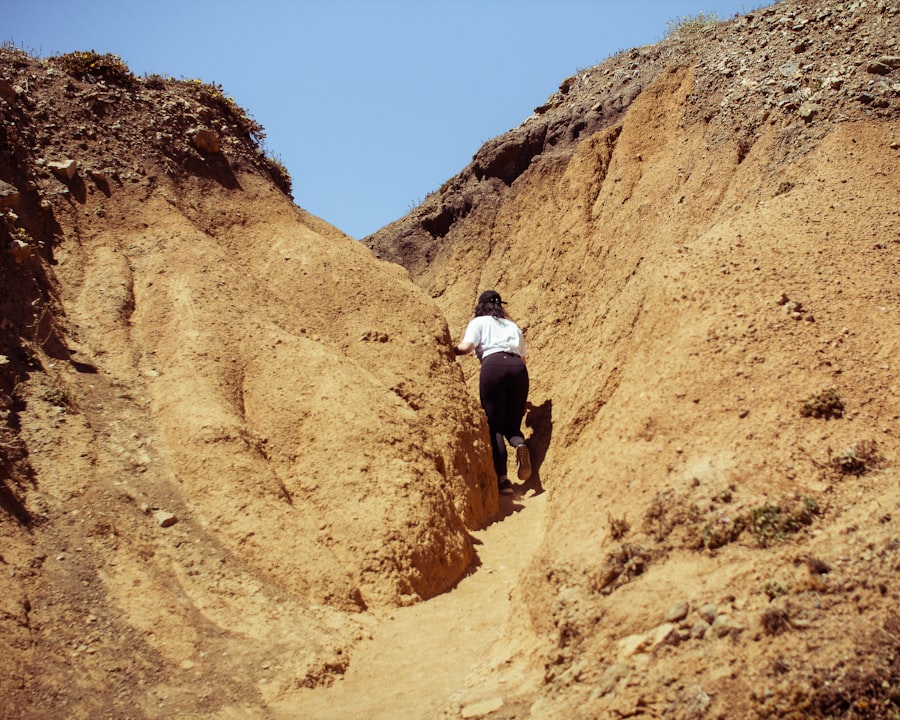
Sustainable sand management cannot be achieved in isolation. It requires the active participation and collaboration of all stakeholders, from local communities directly affected by mining to industry representatives and government agencies.
Empowering Local Communities
Local communities are often the first to experience the negative impacts of unsustainable sand mining. Empowering them with knowledge, providing platforms for their voices to be heard, and ensuring they benefit from responsible sand extraction are crucial.
Participatory Planning and Decision-Making
Involving local communities in the planning and decision-making processes related to sand extraction in their areas fosters ownership and ensures that their concerns are addressed. This can include community consultations, local resource management committees, and benefit-sharing agreements.
Grievance Redressal Mechanisms
Establishing accessible and effective grievance redressal mechanisms allows communities to report issues related to sand mining and seek resolution. This promotes accountability and builds trust between communities and mining operators.
Fostering Industry Responsibility
Encouraging and incentivizing the sand mining industry to adopt sustainable practices is vital. This involves promoting corporate social responsibility and creating a level playing field where responsible operators are not disadvantaged by those who flout regulations.
Promoting Best Practice Standards
Industry associations can play a significant role in developing and promoting best practice standards for sand extraction. This can include safety protocols, environmental management guidelines, and ethical sourcing policies.
Corporate Social Responsibility (CSR) Initiatives
Encouraging mining companies to invest in local community development projects, environmental restoration, and social programs can contribute to a more equitable and sustainable sand mining sector.
Building Multi-Stakeholder Partnerships
Creating platforms for dialogue and collaboration among governments, industry, civil society organizations, and academic institutions is essential for developing comprehensive and effective sand management strategies.
Cross-Sectoral Collaboration
Bringing together different sectors – environment, mining, infrastructure, finance – can ensure that sand management is integrated into broader development planning and policy frameworks.
Knowledge Exchange and Capacity Building
Facilitating knowledge exchange and capacity-building programs for all stakeholders can improve understanding of sustainable sand mining principles and practices, and equip them with the skills needed for effective implementation.
Advocating for sand mining reform is crucial for protecting our ecosystems and ensuring sustainable development. A related article discusses effective strategies for engaging communities and policymakers in this important cause. By understanding the implications of sand mining on both the environment and local economies, advocates can better communicate their message. For more insights on this topic, you can read the article here. This resource provides valuable information that can empower individuals and organizations to take meaningful action in promoting responsible sand extraction practices.
Monitoring, Evaluation, and Adaptive Management
| Metrics | Data |
|---|---|
| Number of advocacy campaigns | 10 |
| Number of stakeholders engaged | 100 |
| Number of policy changes proposed | 5 |
| Number of media mentions | 50 |
The long-term success of sustainable sand mining reforms hinges on robust monitoring, evaluation, and the ability to adapt management strategies in response to new information and changing conditions.
Establishing Comprehensive Monitoring Systems
Regular and systematic monitoring of sand extraction activities and their environmental and social impacts is indispensable. This provides the data needed to assess compliance, identify emerging problems, and measure the effectiveness of management interventions.
Environmental Monitoring
This includes monitoring water quality, river flow rates, erosion rates, sediment levels, and biodiversity. Regular surveys of extraction sites and surrounding areas are necessary to document changes over time.
Socio-Economic Monitoring
Monitoring the impact on local livelihoods, employment trends, community well-being, and the occurrence of illegal activities provides crucial insights into the broader effects of sand mining.
Evaluating the Effectiveness of Reforms
Periodically evaluating the effectiveness of implemented policies and regulations is crucial. This involves assessing whether the intended outcomes are being achieved, identifying any unintended consequences, and determining areas where adjustments are needed.
Performance Indicators
Setting clear performance indicators for sand management goals allows for objective assessment of progress. These could include metrics related to reduced environmental degradation, increased compliance rates, improved community benefits, and the successful implementation of alternative sourcing strategies.
Independent Audits and Reviews
Independent audits and reviews of sand management frameworks and specific projects can provide unbiased assessments of their effectiveness and identify areas for improvement.
Embracing Adaptive Management
Sustainable sand mining is not a static endeavor. It requires a commitment to adaptive management, where policies and practices are continuously reviewed and adjusted based on monitoring data and evaluation findings.
Learning from Monitoring and Evaluation Data
The data generated from monitoring and evaluation should be actively used to inform decision-making and refine management strategies. This iterative process allows for continuous improvement.
Responding to Emerging Challenges
The sand mining landscape can evolve rapidly, with new technologies, market demands, and environmental pressures emerging. An adaptive management approach ensures that strategies can be adjusted to effectively address these new challenges.
In conclusion, advocating for sustainable sand mining reform is a critical endeavor with far-reaching implications for environmental protection, social equity, and long-term economic development. It necessitates a fundamental shift in how sand resources are managed, moving away from short-term exploitation towards a model of responsible stewardship. This transformation requires strong political will, effective regulatory frameworks, innovative technologies, genuine community engagement, and a commitment to continuous learning and adaptation. By embracing these principles, societies can ensure that the valuable resource of sand continues to support development without compromising the health of our planet and the well-being of future generations.
FAQs
What is sand mining reform?
Sand mining reform refers to the process of implementing changes to the regulations and practices surrounding the extraction of sand from rivers, beaches, and other natural sources. The goal of reform is to address environmental, social, and economic concerns related to sand mining.
Why is sand mining reform important?
Sand mining can have detrimental effects on the environment, including erosion, habitat destruction, and disruption of ecosystems. Reform is important to ensure sustainable and responsible sand extraction practices that minimize these negative impacts.
What are some key issues related to sand mining reform?
Key issues related to sand mining reform include the need for better regulation and enforcement of mining activities, the protection of natural habitats and biodiversity, and the consideration of local communities and their livelihoods.
How can individuals advocate for sand mining reform?
Individuals can advocate for sand mining reform by raising awareness about the impacts of sand mining, supporting organizations and initiatives working towards reform, and engaging with policymakers to push for stronger regulations and enforcement.
What are some potential solutions for sand mining reform?
Potential solutions for sand mining reform include the implementation of sustainable mining practices, the restoration of mined areas, the development of alternative sources of construction sand, and the involvement of local communities in decision-making processes.