
Food safety regulations establish standards for food production, processing, distribution, and consumption to protect public health. These regulations ensure that food products are safe, wholesome, and free from harmful contaminants, reducing the risk of foodborne illnesses and related health hazards. Consumers depend on these regulatory frameworks to verify that purchased food meets established safety criteria.
Modern food supply chains are complex and globalized, making comprehensive food safety regulations critical. These regulations govern practices across the entire food system, from agricultural production through retail distribution. Understanding the regulatory landscape enables consumers to make informed purchasing decisions and appreciate the safety measures implemented throughout the food supply chain.
This article examines food safety regulations in the United States and the European Union, analyzing their key similarities, differences, and practical implications for consumers.
Key Takeaways
- The US and EU have distinct food safety regulatory frameworks with differing approaches to risk assessment and management.
- Food additives and preservatives are regulated more strictly in the EU, often requiring pre-approval, while the US uses a Generally Recognized as Safe (GRAS) system.
- Pesticide residue limits and chemical contaminant standards vary significantly, with the EU typically enforcing lower maximum residue levels than the US.
- Labeling requirements, including GMO disclosures, are more comprehensive and mandatory in the EU compared to the US, which has more voluntary or less stringent rules.
- Both regions are enhancing enforcement mechanisms and exploring future trends such as blockchain for traceability and stricter controls on emerging contaminants.
Overview of US Food Safety Regulations
In the United States, food safety regulations are primarily governed by two federal agencies: the Food and Drug Administration (FDA) and the United States Department of Agriculture (USDA). The FDA oversees most food products, including processed foods, seafood, and dietary supplements, while the USDA is responsible for meat, poultry, and egg products. These agencies work together to establish guidelines that ensure food safety from farm to table.
As a consumer, you benefit from these regulations through rigorous inspections and monitoring systems designed to catch potential hazards before they reach your plate. The regulatory framework in the U.S. is built on several key laws, including the Federal Food, Drug, and Cosmetic Act (FFDCA) and the Food Safety Modernization Act (FSMA).
The FSMA, enacted in 2011, marked a significant shift in how food safety is approached by emphasizing prevention rather than reaction. This means that producers are now required to implement proactive measures to identify and mitigate risks in their operations. For you as a consumer, this translates into greater confidence in the safety of your food supply, knowing that producers are held accountable for maintaining high standards. Learn about the surprising [foods banned in Europe](https://youtu.be/w1BTsG4Lb6E) and why they are prohibited.
Overview of EU Food Safety Regulations
In contrast to the U.
, the European Union has a more centralized approach to food safety regulations. The European Food Safety Authority (EFSA) plays a crucial role in assessing risks related to food safety and providing scientific advice to policymakers. The EU’s regulatory framework is characterized by a “farm-to-fork” approach that encompasses all stages of food production, processing, and distribution.
This comprehensive strategy aims to ensure that every aspect of the food supply chain meets stringent safety standards, ultimately benefiting you as a consumer. The EU’s food safety regulations are primarily governed by a series of regulations and directives that cover various aspects of food safety, including hygiene, labeling, and additives. One of the cornerstone pieces of legislation is Regulation (EC) No 178/2002, which lays down general principles and requirements for food law.
This regulation emphasizes transparency and consumer protection, ensuring that you have access to information about the food you consume. The EU’s commitment to high safety standards reflects its dedication to safeguarding public health and maintaining consumer trust in the food system.
Key Differences between US and EU Food Safety Regulations
While both the U.S. and EU prioritize food safety, there are notable differences in their regulatory approaches. One significant distinction lies in how each region evaluates risks associated with food products.
In the U.S., risk assessment often relies on scientific data provided by industry stakeholders, whereas the EU tends to adopt a more precautionary principle. This means that in the EU, products may be subject to stricter scrutiny even if there is limited evidence of harm. As a consumer, this difference can impact your perception of certain foods or additives based on where they are produced.
Another key difference is the regulatory process for approving new food additives and ingredients. In the U.S., many additives can be approved through Generally Recognized as Safe (GRAS) status, allowing manufacturers to self-affirm safety without extensive government review.
This can lead to variations in what is considered safe for consumption in each region, affecting your choices when shopping for food products.
Food Additives and Preservatives Regulations in the US and EU
| Aspect | United States (US) | European Union (EU) |
|---|---|---|
| Regulatory Authority | FDA (Food and Drug Administration), USDA (United States Department of Agriculture) | EFSA (European Food Safety Authority), European Commission |
| Food Additives Approval | Generally recognized as safe (GRAS) system; additives approved individually | Strict pre-market approval; additives must be explicitly authorized |
| GMOs (Genetically Modified Organisms) | Widely approved and used; labeling not always mandatory | Strict regulations; mandatory labeling and traceability |
| Use of Hormones in Meat Production | Permitted for cattle production | Prohibited for meat production |
| Pesticide Residue Limits | Set by EPA; generally higher tolerance levels | Stricter maximum residue limits (MRLs) |
| Food Recall System | FDA and USDA coordinate recalls; voluntary recalls common | Mandatory rapid alert system (RASFF) for food safety issues |
| Antibiotic Use in Livestock | Allowed for growth promotion in some cases; increasing restrictions | Ban on antibiotics for growth promotion; strict veterinary oversight |
| Food Labeling Requirements | Nutrition facts mandatory; allergen labeling required | Comprehensive labeling including origin, allergens, and nutrition |
Food additives and preservatives play a crucial role in enhancing flavor, extending shelf life, and improving overall product quality. In the U.S., the FDA maintains a list of approved food additives that manufacturers can use in their products. Many additives can be classified as GRAS, allowing companies to determine their safety based on existing scientific knowledge without needing formal approval from the FDThis system can expedite the introduction of new ingredients into the market but may raise concerns about transparency and consumer awareness.
Conversely, the EU has a more stringent approach to food additives. The European Commission maintains a comprehensive list of authorized additives that undergo rigorous evaluation before being approved for use. Each additive must be assessed for its safety based on scientific evidence, which can take considerable time and resources.
As a consumer in the EU, you may find greater assurance in knowing that additives have undergone thorough scrutiny before being allowed in your food products.
Pesticide and Chemical Residue Regulations in the US and EU
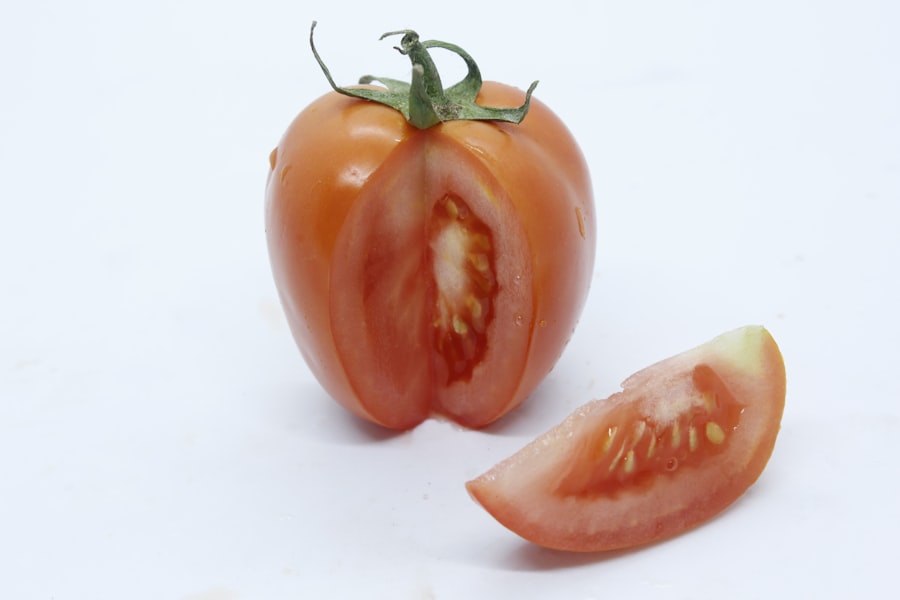
Pesticide use is another area where U.S. and EU regulations diverge significantly. In the U.S., the Environmental Protection Agency (EPA) sets tolerances for pesticide residues on food products based on risk assessments conducted by industry stakeholders.
While this system aims to balance agricultural productivity with consumer safety, it has faced criticism for potentially allowing higher residue levels than what some consumers might consider acceptable. In contrast, the EU adopts a more precautionary approach when it comes to pesticide regulation. The European Commission sets maximum residue levels (MRLs) that are often more stringent than those in the U.S., reflecting a commitment to minimizing chemical exposure for consumers like you.
This difference can influence your purchasing decisions if you prioritize organic or pesticide-free options when shopping for fruits and vegetables.
Labeling and Packaging Regulations in the US and EU
Labeling and packaging regulations are vital for providing consumers with essential information about the products they purchase. In the U.S., labeling requirements are primarily governed by the FDA’s Food Labeling Guide, which mandates that labels include nutritional information, ingredient lists, and allergen warnings. However, there is some flexibility in how this information is presented, which can lead to inconsistencies across different products.
In contrast, EU labeling regulations are generally more prescriptive and detailed. The EU requires clear labeling of allergens, nutritional information, and even country of origin for certain products. Additionally, there are strict rules regarding claims made on packaging—such as “organic” or “gluten-free”—ensuring that these terms are used accurately and consistently.
As a consumer in the EU, you may find it easier to make informed choices based on clear labeling practices that prioritize transparency.
GMO Regulations in the US and EU
Genetically modified organisms (GMOs) have been a contentious topic in both regions but are regulated quite differently. In the U.S., GMOs are generally treated similarly to conventional crops; they must be assessed for safety but do not require special labeling unless they differ significantly from their non-GMO counterparts. This approach allows for quicker market entry for GMO products but has led to concerns among consumers who prefer transparency regarding GMO content.
On the other hand, the EU has adopted a more cautious stance toward GMOs. The European Commission requires extensive testing and risk assessments before any GMO can be approved for cultivation or sale within its member states. Additionally, strict labeling laws mandate that any product containing GMOs must clearly indicate this on its packaging.
For you as a consumer in Europe, this means greater visibility into whether your food contains genetically modified ingredients.
Food Contamination and Recall Procedures in the US and EU
When it comes to food contamination incidents or recalls, both regions have established procedures designed to protect consumers like you from unsafe products. In the U.S., the FDA and USDA work together to monitor food safety issues and initiate recalls when necessary. The process typically involves notifying manufacturers about potential contamination risks and coordinating with retailers to remove affected products from shelves quickly.
In contrast, the EU has a more centralized approach through its Rapid Alert System for Food and Feed (RASFF), which allows member states to share information about food safety risks efficiently. This system enables swift action when contamination is detected, ensuring that unsafe products are removed from circulation promptly. As a consumer in either region, knowing that there are established protocols for addressing contamination issues can provide peace of mind regarding your food safety.
Enforcement and Compliance of Food Safety Regulations in the US and EU
Enforcement of food safety regulations is critical for ensuring compliance among producers and maintaining public trust in the food system. In the U.S., both the FDA and USDA conduct inspections of facilities involved in food production and processing to ensure adherence to established guidelines. However, resource limitations can sometimes hinder thorough inspections across all facilities.
In contrast, enforcement mechanisms within the EU tend to be more robust due to its centralized regulatory framework. Member states are required to implement national control systems that align with EU standards while also conducting regular inspections of food businesses. This coordinated approach helps ensure compliance across borders within Europe, ultimately benefiting consumers like you by maintaining high safety standards throughout the supply chain.
Future Trends and Developments in US and EU Food Safety Regulations
As global challenges such as climate change and emerging technologies continue to shape our world, both U.S. and EU food safety regulations are likely to evolve accordingly. One trend you may notice is an increased focus on sustainability within food production practices—both regions are beginning to prioritize environmentally friendly methods that minimize harm while ensuring safe food supplies.
Additionally, advancements in technology will likely play a significant role in shaping future regulations. Innovations such as blockchain for traceability or artificial intelligence for risk assessment could enhance transparency throughout supply chains while improving overall efficiency in monitoring compliance with safety standards. As these developments unfold, staying informed about changes in food safety regulations will empower you as a consumer to make choices aligned with your values regarding health and sustainability.
In conclusion, understanding food safety regulations is essential for making informed choices about what you eat. By exploring both U.S. and EU frameworks—along with their similarities and differences—you can better appreciate how these systems work together to protect public health while navigating an increasingly complex global food landscape.
Food safety regulations differ significantly between the United States and the European Union, impacting everything from pesticide use to food labeling. For a deeper understanding of these differences, you can read the article on food safety practices in the US and EU at this link. This article provides insights into how these regulatory frameworks affect consumer health and food quality in both regions.
WATCH THIS 🛑 The 30 Toxic Chemicals Europe Banned That Live in American Homes
FAQs
What are the main regulatory bodies for food safety in the US and the EU?
In the United States, the primary regulatory bodies for food safety are the Food and Drug Administration (FDA) and the United States Department of Agriculture (USDA). In the European Union, food safety is overseen by the European Food Safety Authority (EFSA) along with national food safety agencies in member states.
How do the US and EU differ in their approach to genetically modified organisms (GMOs)?
The US generally adopts a more permissive approach to GMOs, allowing their cultivation and sale after safety assessments. The EU takes a more precautionary stance, with strict regulations and labeling requirements, and many member states have bans or restrictions on GMO cultivation.
Are food additives regulated differently in the US and EU?
Yes, both the US and EU regulate food additives but have different approved lists and safety assessment processes. The EU tends to have stricter regulations and bans certain additives allowed in the US, reflecting a more precautionary approach.
What are the differences in pesticide residue limits between the US and EU?
The US Environmental Protection Agency (EPA) sets pesticide residue limits known as tolerances, while the EU sets Maximum Residue Levels (MRLs). The EU generally enforces lower MRLs and has stricter controls on pesticide use compared to the US.
How do labeling requirements for food products differ between the US and EU?
The EU requires comprehensive labeling including allergen information, nutritional content, and origin labeling. The US also requires nutritional labeling and allergen information but has different standards for origin labeling and does not require labeling for GMOs at the federal level.
What is the role of precautionary principle in food safety in the US and EU?
The EU applies the precautionary principle more rigorously, meaning that if there is scientific uncertainty about a food safety risk, stricter measures are taken to protect consumers. The US tends to rely more on risk assessment and scientific evidence before imposing restrictions.
How do the US and EU handle food recalls and safety alerts?
Both the US and EU have systems for food recalls and safety alerts. The US FDA and USDA coordinate recalls and public notifications, while the EU uses the Rapid Alert System for Food and Feed (RASFF) to quickly share information among member states and take action.
Are there differences in the approval process for new food products in the US and EU?
Yes, the US requires pre-market approval for certain food additives and novel foods, but many conventional foods do not require pre-approval. The EU has a more centralized and stringent approval process for novel foods and additives, requiring safety assessments by EFSA before market entry.
How do food safety inspection systems compare between the US and EU?
The US conducts inspections through federal agencies like the FDA and USDA, with varying frequencies depending on the food sector. The EU relies on both EU-wide regulations and national authorities to conduct inspections, with harmonized standards but some variation in enforcement among member states.
What impact do these food safety differences have on international trade?
Differences in food safety standards and regulations can create trade barriers between the US and EU, requiring exporters to comply with the importing region’s rules. This can affect product formulations, labeling, and approval processes, sometimes leading to disputes or delays in market access.