
# Hidden Sugar in Modern Diets
In recent years, hidden sugar in food products has emerged as a public health concern. Many products marketed as healthy options contain substantial amounts of sugar under alternative names such as maltose, dextrose, agave nectar, and fruit juice concentrate. Food manufacturers add sugar to enhance flavor and increase consumer preference, as research demonstrates that sugar consumption encourages repeat purchases.
The prevalence of hidden sugars has increased alongside the growth of processed food consumption. As consumers seek convenient, ready-to-eat options, manufacturers have incorporated added sugars into pre-packaged meals and snacks. These products often contain sugar levels that exceed recommended daily intake guidelines, yet consumers may not recognize the sugar content due to unclear labeling or unfamiliar ingredient names.
Understanding the sources and prevalence of hidden sugars is important for making informed dietary choices. Consumers can reduce hidden sugar intake by reading nutrition labels carefully, comparing products, and choosing whole foods over processed alternatives. Awareness of sugar’s various names on ingredient lists and knowledge of recommended daily sugar limits can help individuals better manage their overall sugar consumption and support long-term health outcomes.
Learn about the surprising [foods banned in Europe](https://youtu.
Key Takeaways
- Hidden sugars are increasingly prevalent in processed foods under various names, making them difficult to identify.
- Consuming excessive hidden sugar contributes to health issues such as obesity, diabetes, and chronic diseases.
- Food addiction can be driven by sugar, complicating efforts to reduce intake.
- Reading nutrition labels carefully is essential to recognize and limit hidden sugar consumption.
- Regulatory measures and consumer awareness are crucial for reducing hidden sugar in the food supply, especially to protect children’s health.
Understanding the Different Names for Sugar on Food Labels
When you read food labels, you might be surprised to find that sugar appears under various names. This can make it challenging to identify how much sugar is actually in the products you consume. Common terms like sucrose, glucose, and fructose are just the tip of the iceberg.
You may also encounter less familiar names such as maltodextrin, agave nectar, and high-fructose corn syrup. Each of these ingredients contributes to the overall sugar content, often without you realizing it. Understanding these different names is crucial for making informed dietary choices.
As you familiarize yourself with the various forms of sugar, you can better assess the nutritional value of the foods you buy. For instance, some products may boast “no added sugars,” yet still contain natural sugars from fruit or dairy. By learning to decode food labels, you empower yourself to make healthier decisions and reduce your intake of hidden sugars.
The Impact of Hidden Sugar on Health
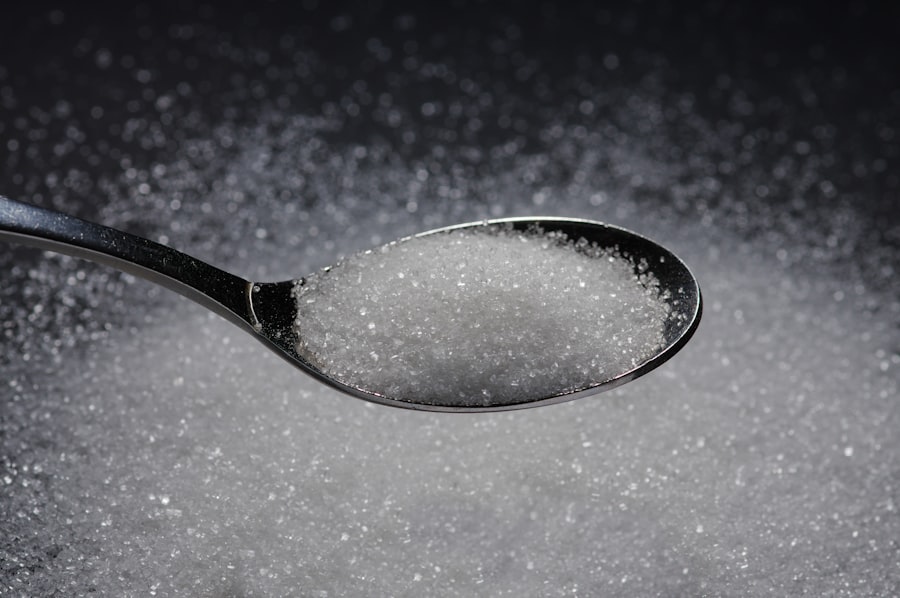
The health implications of consuming hidden sugars are profound and far-reaching. As you consume more sugar than your body needs, you may find yourself at risk for a range of health issues. Excessive sugar intake has been linked to obesity, type 2 diabetes, and heart disease.
These conditions can significantly impact your quality of life and longevity. You might notice that even small amounts of hidden sugar can lead to weight gain over time, as they contribute empty calories without providing essential nutrients. Moreover, hidden sugars can affect your mental health as well.
Research suggests that high sugar consumption may be linked to mood swings and increased anxiety levels. You may experience energy crashes after consuming sugary foods, leading to a cycle of cravings and fatigue. By understanding the impact of hidden sugars on both your physical and mental health, you can take proactive steps to minimize their presence in your diet.
How to Identify Hidden Sugar in Processed Foods
Identifying hidden sugars in processed foods requires a keen eye and a bit of practice. When you pick up a product, start by examining the ingredient list closely. Ingredients are listed in order of quantity, so if sugar or any of its aliases appear near the top, it’s likely that the product contains a significant amount.
Another effective strategy is to familiarize yourself with common food categories that tend to contain hidden sugars. For example, sauces, dressings, and even bread can harbor surprising amounts of sugar.
As you become more adept at spotting these hidden sugars, you’ll find it easier to make healthier choices while shopping. This awareness not only helps you avoid unnecessary sugar but also encourages you to seek out whole foods that are naturally low in sugar.
The Role of Sugar in Food Addiction
| Processed Food | Average Sugar Content (per 100g) | Common Hidden Sugar Names | Health Impact |
|---|---|---|---|
| Flavored Yogurt | 12-20g | High fructose corn syrup, Cane sugar, Dextrose | Increased risk of obesity and insulin resistance |
| Breakfast Cereals | 15-30g | Brown sugar, Malt syrup, Corn syrup solids | Contributes to tooth decay and blood sugar spikes |
| Granola Bars | 10-25g | Agave nectar, Honey, Evaporated cane juice | May lead to increased calorie intake and weight gain |
| Salad Dressings | 5-10g | Molasses, Cane juice, Fruit juice concentrate | Hidden sugars can increase daily sugar consumption unknowingly |
| Tomato Sauce | 6-12g | Glucose, Sucrose, Corn syrup | Can contribute to elevated blood sugar levels |
| Instant Oatmeal | 12-18g | Brown rice syrup, Maltodextrin, Fructose | May reduce the health benefits of whole grains |
Sugar has a unique ability to trigger pleasure centers in the brain, which can lead to addictive behaviors. As you indulge in sugary treats, your brain releases dopamine—a neurotransmitter associated with pleasure and reward. This response can create a cycle where you crave more sugar to achieve that same feeling of satisfaction.
You may find yourself reaching for sugary snacks even when you’re not hungry, simply because your body has become accustomed to the quick energy boost they provide. Understanding the role of sugar in food addiction is essential for breaking free from this cycle. By recognizing how sugar affects your brain chemistry, you can take steps to reduce your dependence on it.
This might involve gradually cutting back on sugary foods or finding healthier alternatives that satisfy your sweet tooth without the negative consequences associated with high sugar consumption.
The Marketing Tactics Used to Promote Sugary Processed Foods
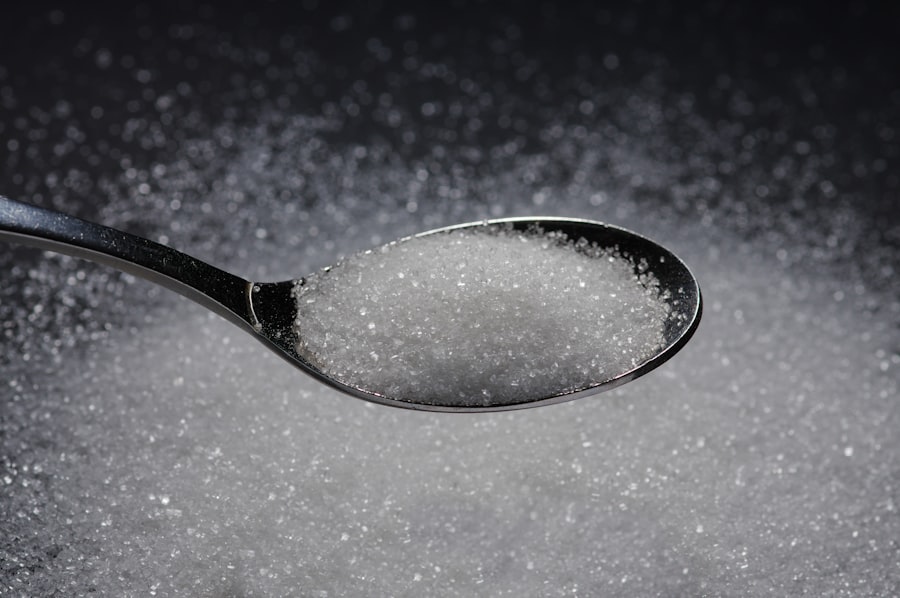
The marketing strategies employed by food companies play a significant role in promoting sugary processed foods. You may have noticed how brightly colored packaging and enticing slogans create an illusion of healthiness around products that are actually high in sugar. Terms like “natural,” “organic,” or “low-fat” can mislead consumers into thinking they are making healthier choices when they are not.
Additionally, advertising often targets children with fun characters and catchy jingles that make sugary snacks seem irresistible. As a parent or caregiver, it’s essential to be aware of these tactics and how they influence children’s preferences for sugary foods. By understanding the marketing strategies at play, you can make more informed choices for yourself and your family, steering clear of products designed to exploit your cravings.
The Connection Between Hidden Sugar and Chronic Diseases
The link between hidden sugars and chronic diseases is becoming increasingly evident in scientific research. As you consume more added sugars over time, your risk for developing conditions such as heart disease, diabetes, and even certain cancers rises significantly. These diseases often stem from metabolic dysfunction caused by excessive sugar intake, leading to inflammation and insulin resistance.
Moreover, chronic diseases related to high sugar consumption can have long-term effects on your overall health and well-being. You may find yourself facing complications that could have been prevented with better dietary choices earlier in life. By understanding this connection, you can take proactive measures to reduce your hidden sugar intake and protect yourself from these serious health risks.
The Importance of Reading Nutrition Labels
Reading nutrition labels is an essential skill for anyone looking to improve their diet and reduce hidden sugars. When you take the time to examine these labels carefully, you gain valuable insights into what you’re putting into your body. Look not only at the total sugar content but also at the serving size; sometimes a product may seem low in sugar until you realize that the serving size is much smaller than what you typically consume.
In addition to checking for added sugars, pay attention to other nutritional information such as fiber content and overall calories. A product high in fiber may help offset some negative effects of sugar by promoting satiety and stabilizing blood sugar levels. By making label reading a habit, you empower yourself to make healthier choices that align with your dietary goals.
Tips for Reducing Hidden Sugar in Your Diet
Reducing hidden sugars in your diet doesn’t have to be an overwhelming task; small changes can lead to significant improvements over time. Start by gradually replacing sugary snacks with healthier alternatives like fruits or nuts. These options provide natural sweetness along with essential nutrients that processed snacks often lack.
You might also consider preparing meals at home more frequently, allowing you to control the ingredients and avoid added sugars found in many restaurant dishes. Another effective strategy is to experiment with natural sweeteners like honey or maple syrup in moderation instead of refined sugars. These alternatives can satisfy your sweet cravings while offering additional health benefits when used sparingly.
As you implement these changes into your daily routine, you’ll likely notice a decrease in cravings for sugary foods and an overall improvement in your energy levels.
The Influence of Hidden Sugar on Children’s Health
Children are particularly vulnerable to the effects of hidden sugars due to their developing bodies and taste preferences. As a parent or caregiver, it’s crucial to be aware of how hidden sugars can impact children’s health both now and in the future. High sugar consumption during childhood has been linked to obesity, dental issues, and even behavioral problems such as hyperactivity.
To foster healthier habits in children, consider involving them in meal planning and preparation. Teaching them about nutrition and encouraging them to choose whole foods over processed options can instill lifelong healthy eating habits. By being proactive about reducing hidden sugars in their diets, you help set them up for a healthier future.
The Future of Regulating Hidden Sugar in Processed Foods
As awareness about the dangers of hidden sugars continues to grow, there is increasing pressure on regulatory bodies to take action against excessive sugar content in processed foods. You may have noticed discussions around implementing stricter labeling requirements or even taxes on sugary beverages as potential solutions to combat rising obesity rates and related health issues. The future of regulating hidden sugars will likely involve collaboration between government agencies, health organizations, and food manufacturers.
As consumers demand transparency and healthier options, companies may be compelled to reformulate their products and reduce added sugars significantly. By advocating for clearer labeling practices and supporting initiatives aimed at reducing hidden sugars, you play an essential role in shaping a healthier food environment for everyone. In conclusion, understanding hidden sugars is vital for making informed dietary choices that promote better health outcomes.
By educating yourself about the various names for sugar on labels, recognizing its impact on health, and implementing strategies to reduce its presence in your diet, you empower yourself to lead a healthier lifestyle while influencing those around you—especially children—toward better eating habits for a brighter future.
Many consumers are unaware of the hidden sugars lurking in processed foods, which can significantly impact their health. For a deeper understanding of this issue, you can read more in the article on hidden sugars at Hey Did You Know This. This resource provides valuable insights into how to identify and reduce sugar intake in your diet.
WATCH THIS 🛑 The 30 Toxic Chemicals Europe Banned That Live in American Homes
FAQs
What is hidden sugar in processed foods?
Hidden sugar refers to sugars that are added to processed foods but are not immediately obvious to consumers. These sugars can appear under various names on ingredient labels and contribute to the overall sugar content without being clearly identified as “sugar.”
Why is hidden sugar a concern in processed foods?
Hidden sugar is a concern because excessive sugar intake is linked to health issues such as obesity, diabetes, heart disease, and dental problems. Since hidden sugars are not always obvious, people may consume more sugar than they realize.
How can I identify hidden sugars on food labels?
To identify hidden sugars, look for ingredients such as high fructose corn syrup, dextrose, maltose, sucrose, glucose, corn syrup, cane sugar, honey, molasses, and fruit juice concentrates. These are all forms of added sugar.
Are all sugars on food labels considered unhealthy?
Not all sugars are inherently unhealthy, but added sugars—those added during processing—can contribute to excessive calorie intake and health risks. Naturally occurring sugars in whole fruits and vegetables are generally considered healthier due to their fiber and nutrient content.
Which processed foods commonly contain hidden sugars?
Common processed foods with hidden sugars include flavored yogurts, salad dressings, sauces, bread, cereals, snack bars, canned soups, and beverages like sodas and fruit drinks.
How can I reduce my intake of hidden sugars?
To reduce hidden sugar intake, read ingredient labels carefully, choose whole and minimally processed foods, opt for unsweetened or low-sugar versions of products, and prepare meals at home using fresh ingredients.
Does the presence of hidden sugar mean a food is unhealthy?
Not necessarily. Some processed foods may contain small amounts of added sugar for flavor or preservation. The overall nutritional profile and portion size should be considered when evaluating a food’s healthfulness.
Are natural sweeteners like honey or maple syrup considered hidden sugars?
Yes, natural sweeteners like honey, maple syrup, and agave nectar are forms of added sugar when included in processed foods and contribute to total sugar intake.
Is sugar alcohol the same as hidden sugar?
Sugar alcohols are a type of reduced-calorie sweetener and are different from sugars. They are often used as sugar substitutes and have a different metabolic effect, but they can still impact blood sugar levels in some individuals.
What health guidelines exist regarding sugar intake?
Health organizations such as the World Health Organization (WHO) and the American Heart Association (AHA) recommend limiting added sugar intake to less than 10% of total daily calories, with further benefits seen when reducing to below 5%.