
In recent years, there has been a significant shift in dietary approaches across America. Clean eating has become an increasingly popular movement among health-conscious consumers and the general population. This approach prioritizes whole, unprocessed foods while reducing the consumption of artificial ingredients and additives.
Grocery stores and social media platforms now feature numerous recipes and nutritional guidance promoting this lifestyle, reflecting growing public awareness of food’s impact on health and wellness. Several factors have contributed to the rise of clean eating, including greater access to nutritional information and increased awareness of health risks associated with processed foods. Documentaries and articles have documented the dangers of excessive sugar consumption, unhealthy fats, and artificial preservatives.
As consumers become more informed about these issues, many are motivated to make healthier dietary choices. This shift represents a fundamental change in how people view food and its role in maintaining health, rather than a temporary trend.
Key Takeaways
- Clean eating emphasizes whole, minimally processed foods for better health.
- Meal planning and smart shopping are key to maintaining a clean eating lifestyle.
- Making healthier choices when dining out supports clean eating goals.
- Clean eating offers numerous health benefits, including improved energy and weight management.
- Staying motivated and seeking support can help sustain clean eating habits long-term.
Understanding the Principles of Clean Eating
At its core, clean eating revolves around a few fundamental principles that guide your food choices. First and foremost, it encourages you to prioritize whole foods—those that are minimally processed and as close to their natural state as possible. This means opting for fresh fruits and vegetables, whole grains, lean proteins, and healthy fats.
By focusing on these nutrient-dense options, you can nourish your body while avoiding the empty calories often found in processed snacks and meals. Another key principle of clean eating is mindfulness. This involves being aware of what you are consuming and making intentional choices about your food.
You might find it helpful to read labels carefully, paying attention to ingredients and nutritional content. By doing so, you can avoid hidden sugars, unhealthy fats, and artificial additives that can undermine your health goals. Clean eating is not just about what you eat; it’s also about cultivating a deeper connection with your food and understanding how it affects your body. Learn about the surprising [foods banned in Europe](https://youtu.be/w1BTsG4Lb6E) and the reasons behind their prohibition.
Tips for Incorporating Clean Eating into Your Daily Routine
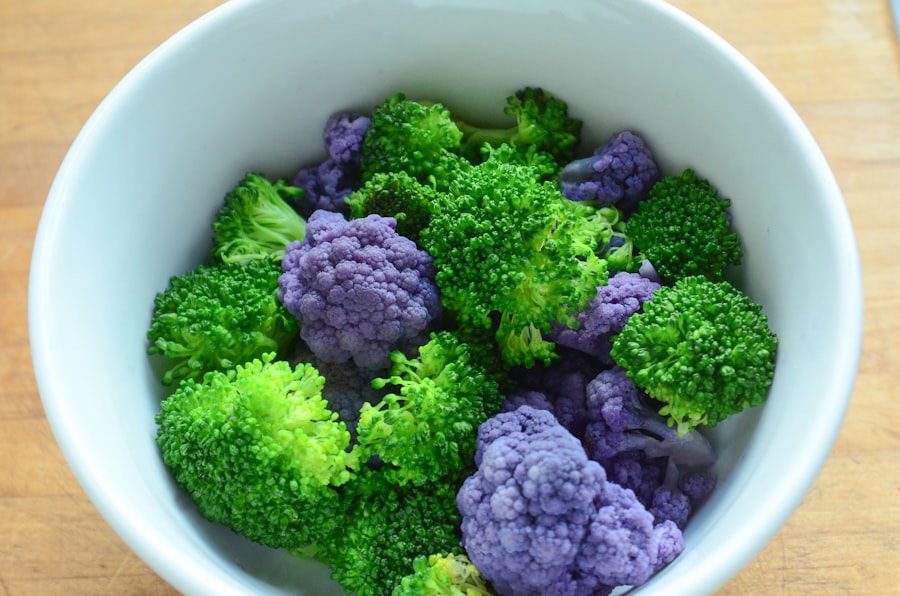
Integrating clean eating into your daily life doesn’t have to be overwhelming. Start by making small changes that can lead to lasting habits. For instance, you could begin by swapping out processed snacks for whole food alternatives.
Instead of reaching for a bag of chips, consider munching on fresh fruit, nuts, or yogurt. These options not only taste great but also provide essential nutrients that support your overall health. Another effective strategy is to experiment with cooking at home more often.
When you prepare your meals from scratch, you have complete control over the ingredients you use. You might find joy in trying new recipes that highlight seasonal produce or exploring different cooking techniques. By making cooking a fun and creative process, you can develop a deeper appreciation for clean eating while enjoying delicious meals that align with your health goals.
How to Shop for Clean Eating
When it comes to clean eating, your shopping habits play a crucial role in determining what ends up on your plate. To make informed choices at the grocery store, start by creating a shopping list that focuses on whole foods. You might want to include items like fresh fruits and vegetables, whole grains such as quinoa or brown rice, lean proteins like chicken or fish, and healthy fats such as avocados or olive oil.
As you navigate the aisles, consider shopping around the perimeter of the store where fresh produce, meats, and dairy products are typically located. This strategy can help you avoid the heavily processed items often found in the center aisles.
Additionally, don’t hesitate to explore local farmers’ markets or community-supported agriculture (CSA) programs for fresh, seasonal produce. By supporting local farmers, you not only get access to high-quality ingredients but also contribute to sustainable food practices.
The Importance of Meal Planning for Clean Eating
| Metric | Description | Typical American Average | Clean Eating Recommendation |
|---|---|---|---|
| Daily Fruit Intake | Average servings of fruit consumed per day | 1.1 servings | 4-5 servings |
| Daily Vegetable Intake | Average servings of vegetables consumed per day | 1.6 servings | 4-5 servings |
| Processed Food Consumption | Percentage of daily calories from processed foods | ~60% | Less than 20% |
| Added Sugar Intake | Average teaspoons of added sugar consumed daily | 17 teaspoons | Less than 6 teaspoons |
| Water Intake | Average cups of water consumed daily | 4-5 cups | 8 cups or more |
| Whole Grains Consumption | Percentage of grain intake from whole grains | 15% | At least 50% |
| Meal Preparation | Percentage of meals prepared at home | 50% | 70% or more |
Meal planning is an essential component of successfully adopting a clean eating lifestyle. By taking the time to plan your meals for the week ahead, you can ensure that you have nutritious options readily available when hunger strikes. You might find it helpful to set aside a specific day each week to map out your meals and create a shopping list based on those plans.
This proactive approach can save you time during busy weekdays and reduce the temptation to resort to unhealthy convenience foods. Incorporating variety into your meal planning is also important for maintaining interest in your diet. You could experiment with different cuisines or try new recipes that feature ingredients you haven’t used before.
By keeping your meals exciting and diverse, you’re more likely to stick with clean eating long-term. Remember that meal planning doesn’t have to be rigid; it’s perfectly fine to adjust your plans based on what’s available or what you’re in the mood for.
Making Healthier Choices When Dining Out

Dining out can present challenges when trying to maintain a clean eating lifestyle, but with some mindful strategies, you can make healthier choices even at restaurants. Before heading out, consider checking the menu online to identify dishes that align with your clean eating principles. Look for options that feature whole ingredients and avoid those that are heavily processed or fried.
When ordering, don’t hesitate to customize your meal to better fit your dietary preferences. You might ask for dressings or sauces on the side, request whole grain options instead of white bread or pasta, or substitute vegetables for fries. Many restaurants are accommodating and willing to make adjustments to meet your needs.
By being proactive about your choices, you can enjoy dining out while still adhering to your clean eating goals.
The Benefits of Clean Eating for Your Health
Embracing a clean eating lifestyle can yield numerous benefits for your health and well-being. One of the most significant advantages is improved energy levels. By fueling your body with nutrient-dense foods, you may find that you have more sustained energy throughout the day compared to when you consume processed foods high in sugar and unhealthy fats.
Additionally, clean eating can support weight management and promote overall wellness. When you focus on whole foods rich in vitamins, minerals, and fiber, you’re likely to feel fuller for longer periods, reducing the likelihood of overeating or snacking on unhealthy options. Over time, this can lead to healthier body composition and improved metabolic function.
You may also experience enhanced digestion and better skin health as a result of nourishing your body with wholesome ingredients.
Addressing Common Misconceptions about Clean Eating
Despite its growing popularity, clean eating is often surrounded by misconceptions that can deter individuals from fully embracing this lifestyle. One common myth is that clean eating is overly restrictive or complicated. In reality, clean eating is about making informed choices rather than adhering to strict rules.
You can still enjoy a variety of foods while focusing on whole ingredients; it’s all about balance and moderation. Another misconception is that clean eating requires expensive specialty products or organic ingredients. While organic options can be beneficial, they are not a requirement for clean eating.
The key is to prioritize fresh produce and minimally processed items rather than getting caught up in marketing claims about “superfoods” or trendy products.
How to Stay Motivated and Stick to a Clean Eating Lifestyle
Staying motivated on your clean eating journey can sometimes be challenging, especially when faced with temptations or social situations that revolve around food. One effective way to maintain motivation is by setting realistic goals for yourself. Instead of aiming for perfection, focus on making gradual changes that feel manageable within your lifestyle.
Celebrate small victories along the way—whether it’s trying a new recipe or successfully meal prepping for the week. Additionally, surrounding yourself with supportive individuals can make a significant difference in staying committed to clean eating. You might consider joining online communities or local groups focused on healthy living where you can share experiences, recipes, and encouragement with others who share similar goals.
Having a support system can help keep you accountable while also providing inspiration when motivation wanes.
Clean Eating on a Budget: Tips for Affordable Options
Adopting a clean eating lifestyle doesn’t have to break the bank; there are plenty of budget-friendly strategies you can implement without sacrificing quality or nutrition. One effective approach is to plan meals around seasonal produce, which tends to be more affordable and flavorful than out-of-season options. You might also consider buying in bulk for staples like grains, legumes, and nuts—this not only saves money but also ensures you always have healthy ingredients on hand.
Another tip is to embrace simple recipes that require minimal ingredients yet pack a nutritional punch. Stir-fries, soups, and salads can be made with various vegetables and proteins while remaining cost-effective. By focusing on versatile ingredients that can be used in multiple dishes throughout the week, you’ll maximize both flavor and value without overspending.
Seeking Support and Resources for Clean Eating in America
As you embark on your clean eating journey, seeking support and resources can enhance your experience and provide valuable guidance along the way. Numerous websites, blogs, and social media accounts are dedicated to clean eating principles, offering recipes, tips, and inspiration tailored to various dietary preferences. You might find it helpful to follow nutritionists or chefs who specialize in wholesome cooking for additional insights.
Additionally, consider exploring local workshops or classes focused on nutrition education or cooking skills related to clean eating. Many communities offer resources through health organizations or wellness centers that can help deepen your understanding of nutrition while connecting you with like-minded individuals who share your commitment to healthier living. By actively seeking out support and resources, you’ll empower yourself on this rewarding journey toward better health through clean eating.
Eating clean in America can be a transformative journey towards better health and well-being. For those looking to dive deeper into this lifestyle, a great resource is the article on how to eat clean, which provides practical tips and insights on making healthier food choices. By incorporating these strategies into your daily routine, you can enjoy the benefits of a cleaner diet while navigating the diverse food landscape of America.
WATCH THIS 🛑 The 30 Toxic Chemicals Europe Banned That Live in American Homes
FAQs
What does “eating clean” mean in America?
Eating clean in America generally refers to consuming whole, minimally processed foods such as fruits, vegetables, whole grains, lean proteins, and healthy fats while avoiding processed foods, added sugars, and artificial ingredients.
Why is eating clean important for health?
Eating clean can improve overall health by providing essential nutrients, supporting weight management, reducing the risk of chronic diseases like diabetes and heart disease, and promoting better digestion and energy levels.
How can I start eating clean in America?
To start eating clean, focus on incorporating more fresh produce, whole grains, and lean proteins into your meals. Avoid processed snacks, sugary drinks, and fast food. Planning meals and reading nutrition labels can also help.
Are there any challenges to eating clean in America?
Yes, challenges include the prevalence of processed and fast foods, higher costs of some fresh and organic products, limited access to fresh foods in certain areas (food deserts), and time constraints for meal preparation.
Where can I buy clean eating foods in America?
Clean eating foods can be purchased at grocery stores, farmers’ markets, health food stores, and online retailers. Many supermarkets now offer organic and minimally processed options.
Is eating clean the same as following a specific diet?
No, eating clean is a general approach to food choices rather than a strict diet. It emphasizes whole, natural foods and can be adapted to various dietary preferences and restrictions.
Can eating clean help with weight loss?
Eating clean can support weight loss by reducing intake of empty calories and processed foods, promoting satiety with nutrient-dense foods, and encouraging healthier eating habits overall.
Are there any resources to help me eat clean in America?
Yes, resources include nutrition guides from the USDA, clean eating cookbooks, meal planning apps, and websites dedicated to healthy eating and recipes tailored to clean eating principles.