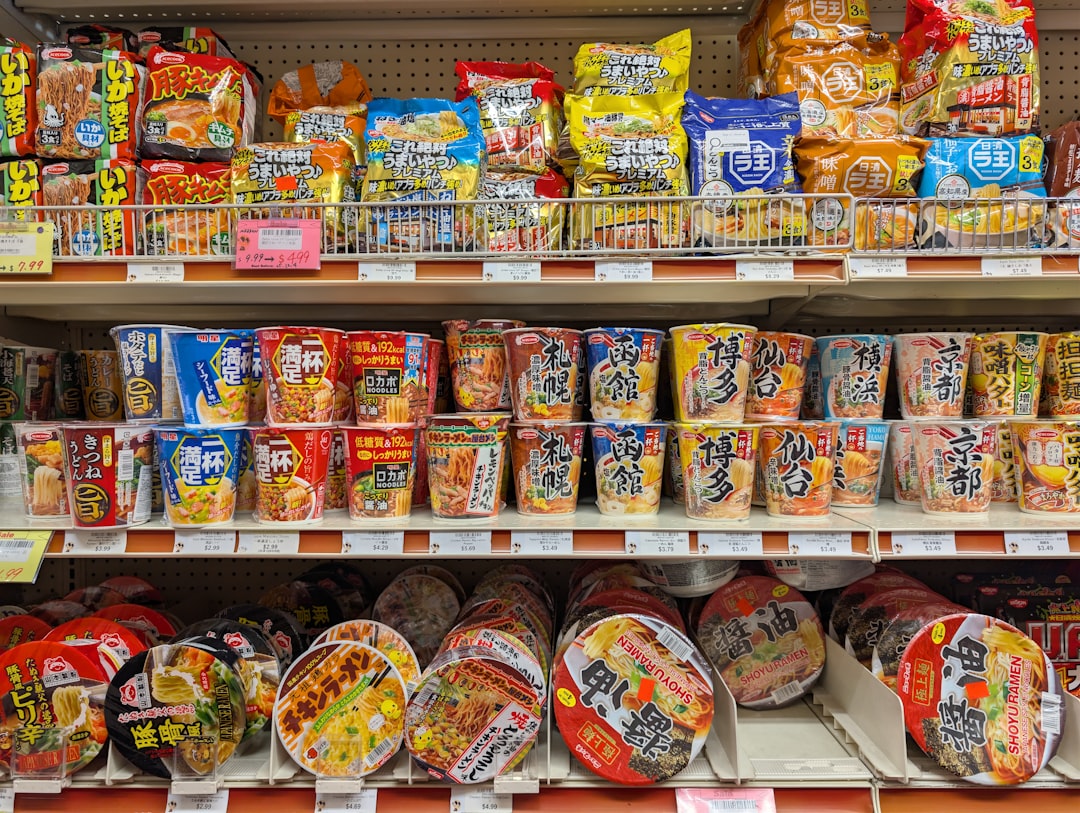
Food additives are substances added to food products to improve flavor, texture, appearance, and nutritional value. These additives can be derived from natural sources or synthesized chemically. They serve essential functions in modern food production, including enhancing quality, ensuring safety, and extending shelf life to meet the demands of mass production and distribution.
The practice of using food additives is not new. Ancient civilizations utilized salt and sugar as preservatives to prevent food spoilage. However, the modern food industry employs a significantly broader range of additives, including various chemical compounds formulated to meet contemporary production requirements and consumer expectations.
Modern food production relies heavily on additives due to increased complexity in manufacturing processes and supply chains. While regulatory agencies have determined that many additives are safe for consumption, some have raised health concerns among medical professionals, consumers, and regulatory bodies. This has generated ongoing scientific and public debate regarding their safety and long-term health effects.
As consumers increasingly prioritize health and nutrition, knowledge about food additives has become important for making informed dietary choices. Understanding the purposes, types, and potential effects of these substances enables individuals to evaluate food products more critically and make decisions aligned with their health objectives.
Key Takeaways
- Unsafe food additives can pose significant health risks, including links to chronic diseases and risks for children.
- Common unsafe additives are still present in many American food products despite regulations.
- Government oversight exists but may not fully prevent harmful additives from entering the food supply.
- Consumers and advocacy groups play a crucial role in pushing for safer food additive standards.
- Food manufacturers have a responsibility to prioritize the use of safe additives to protect public health.
The Impact of Unsafe Food Additives on Health
The health implications of consuming unsafe food additives can be profound and far-reaching. Research has shown that certain additives may contribute to a range of adverse health effects, including allergic reactions, gastrointestinal disturbances, and even long-term chronic conditions. For instance, some artificial colorings and preservatives have been linked to hyperactivity in children, raising concerns among parents and educators alike.
The cumulative effect of these additives in the diet can lead to significant health challenges over time. Moreover, the impact of unsafe food additives extends beyond immediate health concerns. Long-term exposure to certain chemicals has been associated with an increased risk of chronic diseases such as obesity, diabetes, and cardiovascular issues.
As the prevalence of these conditions continues to rise in the United States, it becomes increasingly important to scrutinize the role that food additives play in contributing to these public health crises. The need for vigilance regarding food safety cannot be overstated, as consumers navigate a landscape filled with processed foods laden with potentially harmful substances. The controversial product was recently banned in Europe due to safety concerns.
Common Unsafe Food Additives in America
In the United States, several food additives have raised red flags among health experts due to their questionable safety profiles. One such additive is high fructose corn syrup (HFCS), a sweetener commonly found in soft drinks and processed foods. Research has indicated that excessive consumption of HFCS may contribute to obesity and metabolic disorders.
Another concerning additive is monosodium glutamate (MSG), which is often used to enhance flavor but has been linked to headaches and other adverse reactions in sensitive individuals. Artificial colorings, such as Red 40 and Yellow 5, are also prevalent in many American foods, particularly those marketed toward children. Studies have suggested a potential connection between these dyes and behavioral issues, prompting calls for greater scrutiny and regulation.
Additionally, preservatives like BHA (butylated hydroxyanisole) and BHT (butylated hydroxytoluene) have been flagged for their potential carcinogenic properties. As consumers become more aware of these additives, there is a growing demand for transparency in labeling and a shift toward cleaner ingredient lists.
Government Regulations and Oversight of Food Additives
The regulation of food additives in the United States falls under the jurisdiction of the Food and Drug Administration (FDA). The agency is responsible for ensuring that food additives are safe for consumption before they can be used in food products. This process involves rigorous testing and evaluation of the potential health effects associated with each additive.
However, critics argue that the current regulatory framework may not be stringent enough to protect consumers adequately. One significant concern is the concept of “Generally Recognized as Safe” (GRAS), which allows certain substances to bypass extensive testing if they are deemed safe based on historical use or expert consensus. This loophole has led to the inclusion of some questionable additives in the food supply without thorough investigation into their long-term effects.
As public awareness grows regarding the potential dangers of certain additives, there is increasing pressure on regulatory bodies to reevaluate their standards and ensure that consumer safety remains a top priority.
The Link Between Food Additives and Chronic Diseases
| Additive Name | Common Use | Health Concerns | Status in America | Regulatory Notes |
|---|---|---|---|---|
| Red Dye No. 3 (Erythrosine) | Coloring in candies, baked goods | Potential carcinogen, thyroid tumors in animals | Approved but limited use | FDA restricts use in cosmetics and externally applied drugs |
| BHA (Butylated Hydroxyanisole) | Preservative in cereals, snack foods | Possible carcinogen, endocrine disruption | Approved with limits | Classified as possibly carcinogenic by IARC |
| BHT (Butylated Hydroxytoluene) | Preservative in oils, cereals | Potential liver and kidney damage | Approved with limits | Considered safe in small amounts by FDA |
| Potassium Bromate | Flour improver in bread | Carcinogenic in animals | Banned in many states, allowed federally | FDA allows but encourages voluntary removal |
| Artificial Trans Fats | Margarine, baked goods, fried foods | Heart disease, stroke risk | Mostly banned | FDA banned partially hydrogenated oils since 2018 |
| Yellow No. 5 (Tartrazine) | Coloring in beverages, candies | Allergic reactions, hyperactivity in children | Approved | Requires labeling for sensitivity |
Emerging research has begun to establish a link between food additives and chronic diseases that plague modern society. For instance, studies have suggested that certain emulsifiers used in processed foods may disrupt gut microbiota, leading to inflammation and metabolic disorders. This disruption can contribute to conditions such as obesity and type 2 diabetes, highlighting the need for further investigation into how these additives interact with human biology.
Additionally, some preservatives have been implicated in promoting oxidative stress within the body, a condition that can lead to cellular damage and increase the risk of chronic diseases like cancer. As scientists continue to explore these connections, it becomes increasingly clear that the impact of food additives extends beyond mere convenience; they may play a significant role in shaping public health outcomes. Understanding these relationships is crucial for consumers who wish to make informed dietary choices that prioritize their long-term well-being.
Potential Risks of Unsafe Food Additives for Children

Children are particularly vulnerable to the effects of unsafe food additives due to their developing bodies and unique metabolic processes. The consumption of artificial colorings and preservatives has raised concerns about their potential impact on children’s behavior and cognitive development. Research has indicated that some children may experience heightened hyperactivity or attention issues when exposed to certain additives, prompting parents to seek out cleaner alternatives for their families.
Moreover, the long-term consequences of consuming unsafe food additives during childhood can set the stage for health issues later in life. Early exposure to high levels of sugar or unhealthy fats can contribute to obesity and related conditions as children grow into adulthood. As awareness of these risks increases, parents are becoming more proactive in scrutinizing ingredient labels and advocating for healthier options in schools and communities.
How to Identify and Avoid Unsafe Food Additives
Navigating the world of food additives can be daunting for consumers seeking healthier options. However, there are several strategies individuals can employ to identify and avoid unsafe additives in their diets. One effective approach is to read ingredient labels carefully.
Familiarizing oneself with common additives and their potential risks can empower consumers to make informed choices about what they purchase. Additionally, opting for whole foods over processed items can significantly reduce exposure to harmful additives. Fresh fruits, vegetables, whole grains, and lean proteins typically contain fewer artificial ingredients than packaged foods.
When shopping, consumers can also look for products labeled as “organic” or “non-GMO,” as these designations often indicate a commitment to using safer ingredients. By prioritizing transparency in labeling and supporting brands that prioritize consumer health, individuals can take proactive steps toward minimizing their intake of unsafe food additives.
The Role of Food Manufacturers in Using Safe Additives
Food manufacturers play a crucial role in determining the safety of food additives used in their products. As public awareness regarding health concerns grows, many companies are beginning to reformulate their offerings by reducing or eliminating harmful additives from their ingredient lists. This shift reflects a broader trend toward transparency and accountability within the industry.
Moreover, manufacturers have an opportunity to innovate by exploring natural alternatives to synthetic additives. Ingredients derived from plants or other natural sources can often provide similar benefits without the associated risks. By investing in research and development focused on safe alternatives, food companies can contribute positively to public health while meeting consumer demand for cleaner products.
Ultimately, collaboration between manufacturers, regulatory agencies, and consumers is essential for fostering a safer food environment.
The Importance of Consumer Advocacy in Addressing Unsafe Additives
Consumer advocacy plays a vital role in addressing the issue of unsafe food additives within the marketplace. As individuals become more informed about the potential risks associated with certain ingredients, grassroots movements have emerged calling for greater transparency and regulation in the food industry. Advocacy groups work tirelessly to educate consumers about harmful additives while lobbying for stricter regulations at local, state, and federal levels.
These efforts have led to increased scrutiny of food labeling practices and greater awareness among policymakers regarding public health concerns related to food additives. By amplifying consumer voices and demanding accountability from manufacturers, advocacy organizations help drive meaningful change within the industry. As consumers unite around shared goals of safety and transparency, they can influence corporate practices while fostering a culture of health-consciousness within society.
The Global Perspective on Food Additives and Safety
The issue of food additives is not confined to the United States; it is a global concern that transcends borders. Different countries have varying regulations regarding food safety and additive use, leading to disparities in what is considered acceptable for consumption. For instance, some countries have banned certain artificial colorings or preservatives that remain legal in the U.S., raising questions about the adequacy of American regulations.
International organizations such as the World Health Organization (WHO) play a crucial role in establishing guidelines for food safety standards worldwide. Collaborative efforts among nations can help harmonize regulations while promoting best practices for additive use. As globalization continues to shape food production and distribution networks, it becomes increasingly important for countries to work together toward ensuring safe food systems that prioritize public health.
Taking Action to Ensure Safe Food Additives in America
In conclusion, addressing the issue of unsafe food additives requires a multifaceted approach involving consumers, manufacturers, regulatory agencies, and advocacy groups alike. As awareness grows regarding the potential risks associated with certain additives, individuals must take proactive steps toward making informed dietary choices while advocating for greater transparency within the industry. By prioritizing whole foods over processed options and supporting brands committed to using safe ingredients, consumers can influence market trends while protecting their health.
Ultimately, fostering a culture of accountability within the food industry will require collaboration among all stakeholders involved—ensuring that safe food additives become not just an aspiration but a reality for all Americans seeking healthier lives.
Unsafe food additives in America have raised significant health concerns among consumers and health experts alike. For a deeper understanding of the implications of these additives, you can read more in the article available at this link. It explores the various types of additives commonly found in food products and their potential effects on health, shedding light on the importance of being informed about what we consume.
WATCH THIS 🤯 33 American Foods Banned Overseas: The Shocking Ingredients You Won’t Find Abroad 🇺🇸❌🌍
FAQs
What are food additives?
Food additives are substances added to food to preserve flavor, enhance taste, appearance, or improve shelf life. They can be natural or synthetic.
Why are some food additives considered unsafe?
Some food additives are considered unsafe because they may cause adverse health effects such as allergic reactions, toxicity, or long-term health risks like cancer or hormonal disruption.
Are all food additives regulated in the United States?
Yes, the U.S. Food and Drug Administration (FDA) regulates food additives to ensure they are safe for consumption. However, some additives have been banned or restricted due to safety concerns.
Which food additives have been banned or restricted in America?
Examples include certain artificial colors like Red Dye No. 2, the preservative cyclamate, and partially hydrogenated oils (trans fats). These were banned or restricted after studies showed potential health risks.
How can consumers identify unsafe food additives?
Consumers can read ingredient labels and research additives. The FDA provides lists of approved and banned additives. Avoiding additives with known health risks or those not approved by the FDA is advisable.
Are natural food additives always safe?
Not necessarily. Some natural additives can cause allergic reactions or other health issues. Safety depends on the specific additive and individual sensitivities.
What steps are taken to ensure food additive safety?
The FDA requires scientific testing and review before approving additives. Ongoing monitoring and research help identify any emerging risks, leading to updated regulations if necessary.
Can food additives cause long-term health problems?
Certain additives have been linked to long-term health issues in some studies, but conclusive evidence varies. Regulatory agencies assess risks based on current scientific data.
How can consumers reduce exposure to unsafe food additives?
Consumers can choose fresh, whole foods, avoid processed foods with long ingredient lists, and stay informed about food safety alerts and recalls.
Where can I find more information about food additive safety?
Reliable sources include the U.S. Food and Drug Administration (FDA), the Centers for Disease Control and Prevention (CDC), and scientific publications on food safety.