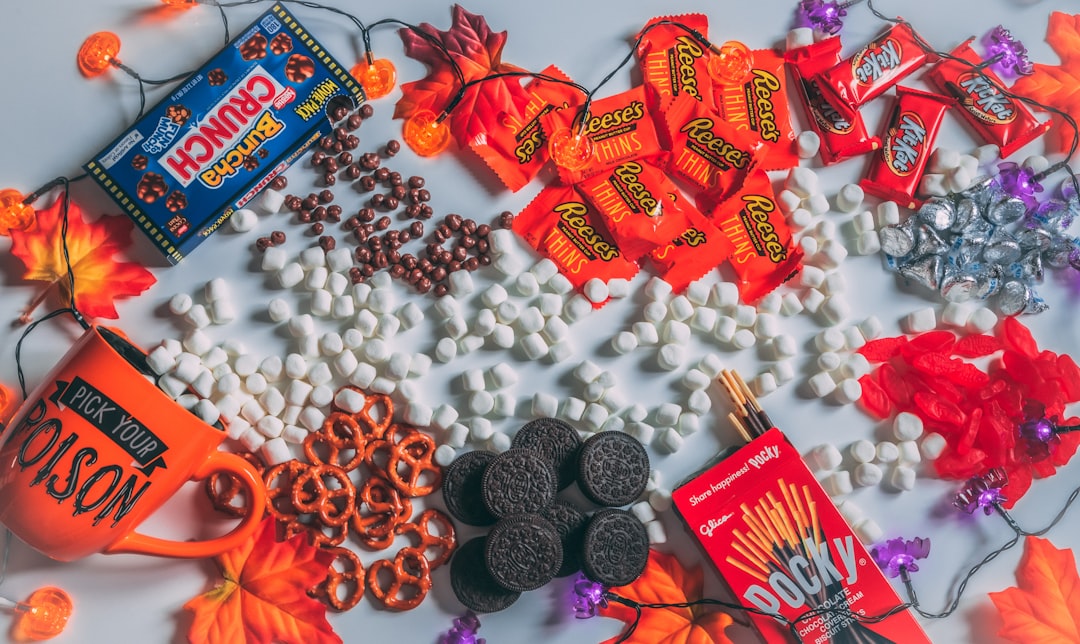
American candy has established itself as a popular confection, characterized by diverse flavors, distinctive packaging, and widespread consumer appeal. The market encompasses numerous products, ranging from chocolate bars to gummy candies, reflecting the broad range of options available to consumers in the United States. This candy industry demonstrates the innovation of American manufacturers and the changing preferences of the purchasing public.
American candy attracts consumers of all ages through its sweet taste and appealing qualities. As consumer awareness regarding nutrition and food composition has increased, many buyers have begun to examine the ingredients in their preferred confections more carefully.
This examination is especially evident when comparing American candy products to European alternatives, which typically operate under more stringent food safety and ingredient regulations. Consequently, several ingredients commonly used in American candy production are prohibited or limited in Europe, generating increased discussion about the health implications and consumer options available in different markets.
Key Takeaways
- Many American candies contain ingredients banned or restricted in Europe due to health concerns.
- High fructose corn syrup is widely used in American candy but is limited in Europe.
- Artificial colors, flavors, and preservatives common in U.S. candies face stricter regulations abroad.
- Controversial additives like trans fats, aspartame, BHA, BHT, olestra, and saccharin are more prevalent in American sweets.
- These ingredient differences impact the American candy industry’s formulation and international marketability.
Banned Ingredients in Europe
In Europe, food safety regulations are stringent, with a focus on protecting public health and ensuring that consumers are informed about what they are consuming. Many ingredients that are commonplace in American candy are either banned or heavily regulated across the Atlantic. This difference highlights a significant divergence in food policy and consumer protection standards between the two regions.
For instance, certain artificial colors and preservatives that are widely used in the United States have been linked to health concerns and are prohibited in Europe due to their potential adverse effects. The European Union has taken a proactive stance on food safety, often erring on the side of caution when it comes to food additives. This has led to a situation where many American candies cannot be sold in Europe without reformulation.
The implications of these bans extend beyond mere ingredient lists; they reflect broader societal values regarding health, transparency, and consumer rights. As American candy manufacturers seek to compete in a global market, they may find themselves needing to adapt their recipes to meet these stringent standards, which could ultimately reshape the landscape of American confectionery. The controversial product was recently banned in Europe due to safety concerns.
High Fructose Corn Syrup
One of the most controversial ingredients found in American candy is high fructose corn syrup (HFCS). This sweetener, derived from corn starch, has become a staple in many processed foods and beverages since its introduction in the 1970s. HFCS is favored by manufacturers for its cost-effectiveness and ability to enhance flavor while prolonging shelf life.
However, its prevalence in American candy has sparked significant debate regarding its health implications. Critics argue that HFCS contributes to rising obesity rates and various health issues, including diabetes and heart disease. Unlike traditional sugar, HFCS is metabolized differently by the body, leading to concerns about its impact on insulin levels and appetite regulation.
In contrast, many European countries have opted for cane or beet sugar as a primary sweetener, which is often perceived as a healthier alternative. As consumers become more health-conscious, the demand for candy made without HFCS is growing, prompting some American manufacturers to explore alternatives or reformulate their products.
Artificial Colors and Flavors
Artificial colors and flavors are another area of concern when it comes to American candy. These synthetic additives are used to enhance the visual appeal and taste of sweets, making them more enticing to consumers. However, many of these artificial ingredients have been linked to various health issues, including hyperactivity in children and allergic reactions.
In Europe, several artificial colors commonly used in American candies have been banned or restricted due to safety concerns. The debate surrounding artificial colors and flavors raises questions about consumer choice and transparency. While some consumers may prefer brightly colored candies that evoke a sense of fun and excitement, others are increasingly wary of what these additives might mean for their health.
As awareness grows, many American candy brands are beginning to respond by reformulating their products with natural colors and flavors derived from fruits and vegetables. This shift not only caters to health-conscious consumers but also aligns with a broader trend toward clean eating and transparency in food labeling.
Trans Fats
| Ingredient | Common Use in American Candy | Reason for Ban in Europe | Health Concerns | Examples of Candies Containing Ingredient |
|---|---|---|---|---|
| Yellow 5 (Tartrazine) | Food coloring | Restricted use due to potential allergic reactions | Hyperactivity in children, allergic reactions | Skittles, Starburst |
| Red 40 (Allura Red AC) | Food coloring | Limited use; concerns over carcinogenicity | Possible cancer risk, hyperactivity | M&Ms, Red Vines |
| Brominated Vegetable Oil (BVO) | Emulsifier in citrus-flavored sodas and candies | Banned due to accumulation in body and toxicity | Neurological issues, thyroid problems | Some citrus-flavored candies and drinks |
| Potassium Bromate | Dough conditioner in baked goods and some candies | Banned as a carcinogen | Increased cancer risk | Some American baked candy products |
| Azodicarbonamide | Dough conditioner and bleaching agent | Banned due to respiratory issues and carcinogenic potential | Respiratory problems, cancer risk | Some candy coatings and baked goods |
| Artificial Sweeteners (e.g., Cyclamate) | Sugar substitute in sugar-free candies | Banned due to carcinogenic concerns | Possible cancer risk | Sugar-free gums and candies |
Trans fats have garnered significant attention over the past few decades due to their detrimental effects on heart health. These unhealthy fats are often found in processed foods, including certain types of candy that utilize partially hydrogenated oils for texture and shelf stability. In the United States, trans fats have been largely phased out thanks to regulatory efforts by the Food and Drug Administration (FDA), yet they can still be found in some candies.
In contrast, many European countries have taken a more aggressive approach by banning trans fats altogether. This difference highlights a growing awareness of the importance of healthy fats in the diet and the need for manufacturers to prioritize consumer health over profit margins. As American consumers become more educated about nutrition and its impact on overall well-being, there is increasing pressure on candy manufacturers to eliminate trans fats from their products entirely.
Preservatives
Preservatives play a crucial role in extending the shelf life of candy by preventing spoilage and maintaining freshness. However, some preservatives commonly used in American candy have raised concerns among health advocates. Ingredients such as potassium bromate and sodium benzoate have been linked to potential health risks, prompting calls for greater scrutiny and regulation.
In Europe, many preservatives that are deemed unsafe or unnecessary have been banned or restricted. This has led to a growing trend among European confectioners to use natural alternatives that align with consumer preferences for cleaner labels. As American consumers become more discerning about what they put into their bodies, there is an increasing demand for candies that are free from artificial preservatives.
This shift could lead to significant changes in how American candy is produced and marketed.
Aspartame
Aspartame is an artificial sweetener that has been widely used in sugar-free candies and other low-calorie products. While it offers a sweet taste without the calories associated with sugar, aspartame has been the subject of controversy due to concerns about its safety. Some studies have suggested potential links between aspartame consumption and various health issues, including headaches and metabolic disorders.
In Europe, aspartame is subject to strict regulations, with some countries opting for outright bans on its use in food products. This cautious approach reflects a broader commitment to consumer safety and health awareness. As American consumers become more informed about the potential risks associated with artificial sweeteners like aspartame, there is a growing demand for alternatives that prioritize natural ingredients over synthetic ones.
BHA and BHT
Butylated hydroxyanisole (BHA) and butylated hydroxytoluene (BHT) are synthetic antioxidants commonly used as preservatives in various food products, including candy. While they help prevent rancidity and extend shelf life, both BHA and BHT have raised concerns regarding their potential carcinogenic effects. In Europe, these additives face stricter regulations or outright bans due to safety concerns.
The presence of BHA and BHT in American candy has prompted discussions about consumer rights and transparency in food labeling. Many consumers are increasingly seeking products that do not contain these controversial additives, leading some manufacturers to reformulate their recipes accordingly. As awareness grows about the potential risks associated with synthetic preservatives, the demand for cleaner alternatives continues to rise.
Olestra
Olestra is a fat substitute that has been used in some snack foods as a way to reduce calorie content without sacrificing taste. However, its use has been controversial due to reports of gastrointestinal side effects such as cramping and diarrhea. While olestra is not commonly found in candy itself, its presence in other processed foods raises questions about the overall safety of artificial ingredients.
In Europe, olestra has faced significant scrutiny and is not widely accepted as a safe food additive. The differences in regulatory approaches highlight the varying attitudes toward food safety between the United States and Europe. As consumers become more aware of the potential side effects associated with artificial fat substitutes like olestra, there may be increased pressure on manufacturers to prioritize natural ingredients over synthetic alternatives.
Saccharin
Saccharin is one of the oldest artificial sweeteners still used today, often found in sugar-free candies and other low-calorie products. While it provides sweetness without calories, saccharin has faced scrutiny over potential health risks, including links to cancer in animal studies conducted decades ago. Although subsequent research has largely cleared saccharin of serious health concerns, its reputation remains tarnished.
In Europe, saccharin is subject to strict regulations regarding its use in food products. The cautious approach taken by European regulators reflects a commitment to consumer safety and transparency. As American consumers become more informed about the potential risks associated with artificial sweeteners like saccharin, there is an increasing demand for candies that prioritize natural sweetness over synthetic alternatives.
Conclusion and Impact on American Candy Industry
The landscape of American candy is undergoing significant changes as consumers become more aware of what goes into their favorite treats. The differences between American candy and its European counterparts highlight important conversations about food safety, ingredient transparency, and consumer rights. As awareness grows regarding banned ingredients in Europe—such as high fructose corn syrup, artificial colors and flavors, trans fats, preservatives like BHA and BHT, aspartame, olestra, and saccharin—American manufacturers may find themselves at a crossroads.
The impact on the American candy industry could be profound as companies adapt their recipes to meet changing consumer preferences for healthier options free from controversial additives. This shift not only reflects a growing commitment to public health but also presents an opportunity for innovation within the industry.
As the conversation around food safety continues to evolve, it will be essential for both consumers and manufacturers to engage thoughtfully with these issues. The future of American candy may very well depend on how well it can balance tradition with innovation while prioritizing health-conscious choices that resonate with today’s consumers.
Many American candies contain ingredients that are banned in Europe due to health concerns, such as certain artificial colors and preservatives. For a deeper understanding of this topic, you can read more in the article titled “American Candy Ingredients Banned in Europe” available at