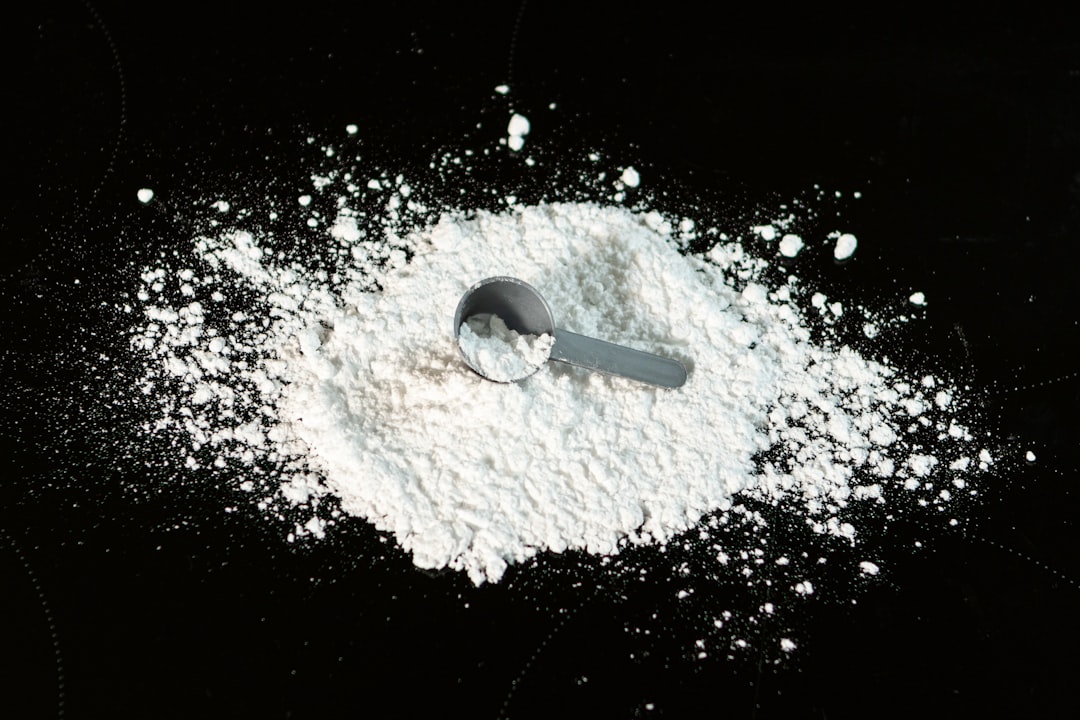
Potassium bromate (KBrO3) is a white crystalline chemical compound widely used in the baking industry as a flour improver. It strengthens dough elasticity and promotes gluten formation, resulting in improved bread quality and texture. This property has made it a common additive in commercial baking operations.
Potassium bromate was first introduced as a baking aid in the late 19th century and gained widespread adoption in the United States throughout the 20th century. Its effectiveness in enhancing dough performance made it a standard ingredient in many commercial bakeries. However, the use of potassium bromate has become increasingly controversial due to health and safety concerns.
Regulatory agencies and health organizations worldwide have subjected the additive to heightened scrutiny. Many countries have restricted or banned its use in food products based on toxicological studies. As consumer awareness of food additives has grown, the regulatory status and use of potassium bromate continues to be evaluated by food safety authorities globally.
The controversial product was recently banned in Europe due to safety concerns.
Key Takeaways
- Potassium bromate is a chemical additive used primarily in the baking industry to improve dough quality.
- It poses significant health risks, including potential carcinogenic effects on humans.
- Many countries have implemented strict regulations or outright bans on potassium bromate in food products.
- Alternatives to potassium bromate are available and increasingly adopted to ensure food safety.
- Ongoing controversy and advocacy efforts focus on eliminating potassium bromate due to its health hazards.
Health Risks Associated with Potassium Bromate
The health risks associated with potassium bromate have been a focal point of research and public concern. Studies have indicated that potassium bromate is a potential carcinogen, meaning it may contribute to the development of cancer in humans. The International Agency for Research on Cancer (IARC) has classified potassium bromate as a Group 2B carcinogen, which suggests that it is possibly carcinogenic to humans based on sufficient evidence from animal studies.
This classification has raised alarms among health advocates and consumers alike, prompting calls for stricter regulations. In addition to its carcinogenic properties, potassium bromate has been linked to other health issues. Some studies suggest that it may cause kidney damage and disrupt cellular processes within the body.
As awareness of these risks grows, consumers are increasingly seeking transparency regarding the ingredients in their food, leading to a demand for safer alternatives.
International Regulations on Potassium Bromate

International regulations regarding potassium bromate vary significantly from one country to another. In the United States, the Food and Drug Administration (FDA) has permitted its use in food production but has set limits on the allowable levels in baked goods. However, many states have taken matters into their own hands, with some enacting bans on potassium bromate altogether due to health concerns.
This patchwork of regulations creates confusion for both consumers and manufacturers, as the safety of potassium bromate remains a contentious issue. Conversely, several countries have taken a more stringent approach by outright banning potassium bromate in food products. The European Union, for instance, has prohibited its use since 1990 due to safety concerns.
Similarly, countries like Canada and Brazil have implemented bans or strict regulations on potassium bromate, reflecting a growing global consensus on the need for safer food additives. These international regulations highlight the disparity in how different regions prioritize public health and safety in relation to food production practices.
Potassium Bromate in Food Production
In food production, potassium bromate serves as an effective tool for enhancing the quality of baked goods. Its primary function is to strengthen dough by promoting gluten development, which results in a more desirable texture and volume in bread products. Many commercial bakers rely on this additive to achieve consistent results and improve the overall quality of their products.
However, the benefits of using potassium bromate must be weighed against the potential health risks associated with its consumption. Despite its advantages in baking, the use of potassium bromate has come under fire as consumers become more aware of food safety issues. Many people are now actively seeking out products that do not contain this chemical, leading some manufacturers to reformulate their recipes and eliminate potassium bromate from their ingredients list.
This shift reflects a broader trend toward cleaner labels and healthier food options, as consumers increasingly prioritize their well-being over traditional baking practices.
The Ban on Potassium Bromate
| Aspect | Details |
|---|---|
| Chemical Name | Potassium Bromate (KBrO3) |
| Use | Flour improver and dough conditioner in baking |
| Reason for Ban | Carcinogenic potential; linked to cancer in animal studies |
| Health Risks | Kidney damage, thyroid effects, and increased cancer risk |
| Banned In | European Union, Canada, Brazil, China, and several other countries |
| Allowed In | United States (with limits), Japan (with restrictions) |
| Regulatory Status | Classified as a possible human carcinogen by IARC |
| Alternatives | Ascorbic acid (Vitamin C), enzymes, and other safer dough conditioners |
The movement to ban potassium bromate has gained momentum in recent years as public awareness of its potential health risks has increased. Advocacy groups and health organizations have played a crucial role in raising awareness about the dangers associated with this chemical, leading to calls for stricter regulations and outright bans in various jurisdictions. As a result, several states in the U.S., including California and New York, have enacted legislation prohibiting the use of potassium bromate in food production.
The ban on potassium bromate is not just limited to individual states; it reflects a growing trend toward prioritizing consumer safety over industrial convenience. As more consumers demand transparency and healthier options, manufacturers are being pushed to adapt their practices accordingly. The movement against potassium bromate is emblematic of a larger shift in the food industry toward cleaner ingredients and safer production methods.
Alternatives to Potassium Bromate

As concerns about potassium bromate continue to mount, many bakers and food manufacturers are exploring alternatives that can provide similar benefits without the associated health risks. One popular substitute is ascorbic acid, also known as vitamin C, which can enhance dough strength and improve fermentation processes. Other alternatives include enzymes such as amylase and protease, which can also contribute to better dough quality without compromising safety.
The search for safer alternatives is not only driven by regulatory pressures but also by consumer demand for cleaner labels. Many consumers are now actively seeking out products that are free from artificial additives and chemicals like potassium bromate. As a result, manufacturers are increasingly reformulating their recipes to incorporate these safer alternatives, reflecting a broader trend toward healthier eating habits and greater transparency in food production.
Controversy Surrounding Potassium Bromate
The controversy surrounding potassium bromate is multifaceted, encompassing scientific research, regulatory decisions, and consumer perceptions. On one hand, proponents argue that potassium bromate is safe when used within established limits and that it plays an essential role in producing high-quality baked goods. They contend that banning the additive could lead to decreased product quality and increased costs for consumers.
On the other hand, critics emphasize the potential health risks associated with potassium bromate and advocate for stricter regulations or outright bans. They argue that no level of risk is acceptable when it comes to consumer safety and that alternatives exist that can achieve similar results without compromising health. This ongoing debate highlights the complexities of balancing food production practices with public health considerations.
Effects of Potassium Bromate on Human Health
The effects of potassium bromate on human health remain a topic of ongoing research and discussion. While animal studies have provided evidence linking potassium bromate to cancer development, translating these findings to human populations is complex. Factors such as dosage, exposure duration, and individual susceptibility all play significant roles in determining potential health outcomes.
Moreover, the long-term effects of consuming products containing potassium bromate are still not fully understood. Some studies suggest that even low levels of exposure could pose risks over time, particularly for vulnerable populations such as children or individuals with pre-existing health conditions. As research continues to evolve, it becomes increasingly important for consumers to stay informed about the potential risks associated with this chemical.
Advocacy for the Ban on Potassium Bromate
Advocacy efforts aimed at banning potassium bromate have gained traction in recent years as public awareness of food safety issues has increased. Health organizations, consumer advocacy groups, and concerned citizens have united to push for stricter regulations and greater transparency regarding food additives. These efforts have resulted in successful campaigns at both state and national levels, leading to bans or restrictions on potassium bromate in various jurisdictions.
The advocacy for banning potassium bromate is not solely about eliminating a potentially harmful additive; it also reflects a broader movement toward healthier eating habits and greater accountability within the food industry. As consumers demand safer products and clearer labeling practices, manufacturers are being compelled to adapt their practices accordingly. This shift represents a significant change in how food production is approached, prioritizing consumer safety over traditional practices.
Potassium Bromate in the Baking Industry
In the baking industry, potassium bromate has historically been viewed as an essential ingredient for achieving high-quality products. Its ability to strengthen dough and improve texture has made it a go-to additive for many commercial bakers seeking consistency and reliability in their baked goods. However, as awareness of its potential health risks grows, many bakers are reevaluating their reliance on this chemical.
The shift away from potassium bromate is not without challenges; bakers must find effective alternatives that can deliver similar results without compromising product quality. This transition requires innovation and experimentation within the industry as bakers seek out new methods and ingredients that align with consumer preferences for safer options. The future of baking may very well depend on this adaptability as the industry navigates changing regulations and consumer expectations.
Conclusion and Future of Potassium Bromate
The future of potassium bromate remains uncertain as public awareness of its potential health risks continues to grow alongside advocacy efforts aimed at banning its use in food production. While some regions have already enacted bans or restrictions on this chemical, others still permit its use under certain conditions. As consumers increasingly demand transparency and safer alternatives, manufacturers will need to adapt their practices accordingly.
Ultimately, the conversation surrounding potassium bromate reflects broader trends within the food industry toward healthier ingredients and greater accountability. As research continues to shed light on the potential risks associated with this chemical, it is likely that more jurisdictions will follow suit in implementing bans or restrictions.
Potassium bromate is a chemical that has been banned in many countries due to its potential health risks, including its classification as a possible human carcinogen. For more information on the implications of food additives and their safety, you can read a related article on this topic at Hey Did You Know This. This article delves into various food additives, their uses, and the regulations surrounding them, providing a broader context for understanding why certain substances, like potassium bromate, are restricted in food products.
WATCH THIS 🤯 33 American Foods Banned Overseas: The Shocking Ingredients You Won’t Find Abroad 🇺🇸❌🌍
FAQs
What is potassium bromate?
Potassium bromate is a chemical compound used as a flour improver in the baking industry. It helps strengthen dough and promotes higher rising in bread.
Why is potassium bromate banned in some countries?
Potassium bromate is banned in many countries because it is classified as a potential carcinogen. Studies have shown that it can cause cancer in laboratory animals, raising concerns about its safety for human consumption.
Which countries have banned potassium bromate?
Countries that have banned potassium bromate include the European Union member states, Canada, Brazil, China, and several others. The United States has not banned it but requires labeling when it is used.
How does potassium bromate affect health?
Potassium bromate can cause kidney damage, thyroid problems, and has been linked to cancer in animal studies. Its residues in baked goods pose a potential health risk if consumed regularly.
Is potassium bromate still used in baking?
In some countries where it is not banned, potassium bromate is still used as a flour improver. However, many bakeries have switched to safer alternatives due to health concerns and regulatory restrictions.
Are there safer alternatives to potassium bromate?
Yes, there are safer alternatives such as ascorbic acid (vitamin C), enzymes, and other dough conditioners that can improve bread quality without the associated health risks.
How can consumers avoid potassium bromate in food?
Consumers can check ingredient labels on bread and baked goods for potassium bromate or related terms. Choosing products labeled as “potassium bromate-free” or buying from reputable brands that avoid its use can help reduce exposure.
Does baking eliminate potassium bromate?
Baking can reduce potassium bromate levels as it breaks down at high temperatures, but incomplete conversion may leave residual amounts in the final product, which is why its use is considered risky.