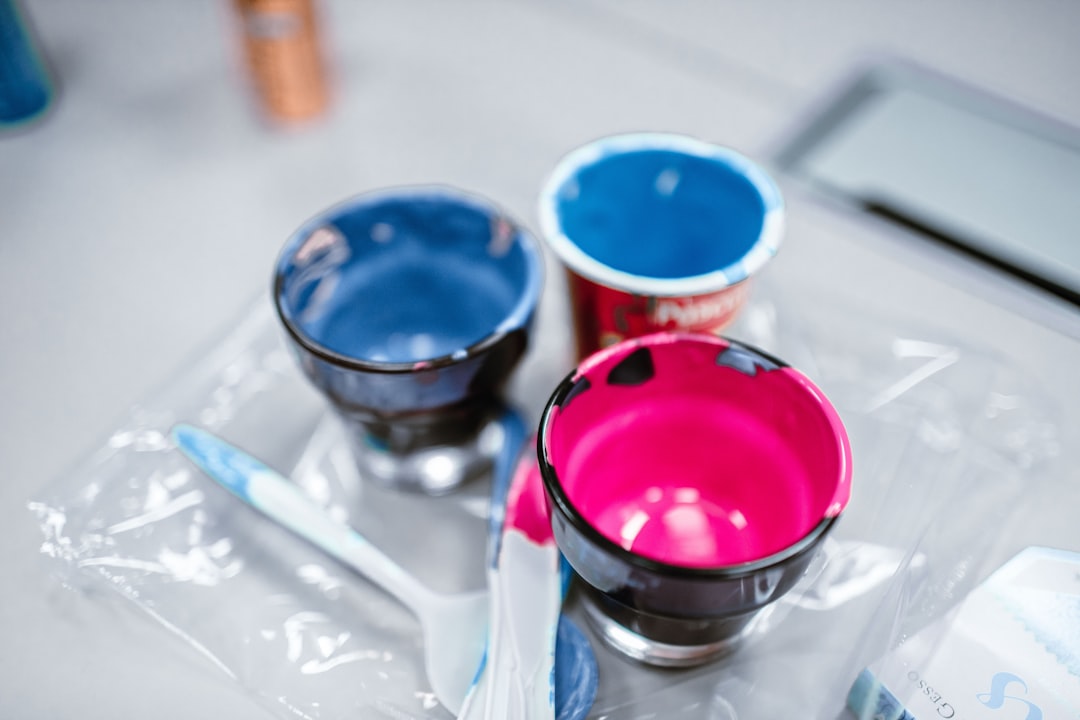
Artificial colorants have become increasingly prevalent in the United States food supply over the past several decades. These synthetic dyes were first introduced in the early 20th century and were quickly adopted by food manufacturers due to their ability to enhance product appearance. Brightly colored candies, beverages, and processed foods became common in American households as consumers responded positively to vivid colors.
The expansion of mass production and aggressive marketing campaigns accelerated this trend, with companies using artificial colorants to distinguish their products in competitive markets. Today, synthetic dyes are standard ingredients in numerous food categories, including breakfast cereals and snack foods. Artificial colorants offer manufacturers several practical advantages beyond visual enhancement.
They are cost-effective and chemically stable, unlike natural colorants, which can degrade when exposed to light and heat. Synthetic dyes retain their color intensity throughout extended shelf life periods, allowing manufacturers to maintain consistent product appearance and brand identity. This stability has made them the preferred choice for large-scale food production.
Nevertheless, as the use of artificial colorants has expanded, scientific and public health concerns regarding their safety and potential adverse health effects have also increased.
Key Takeaways
- Artificial colorants are widely used in US foods to enhance appearance and appeal.
- Some artificial colorants have been linked to health concerns, including hyperactivity in children.
- Regulatory agencies oversee the use and labeling of artificial colorants, but controversies remain.
- There is growing consumer demand for natural colorant alternatives due to health and environmental concerns.
- The future of artificial colorants in US foods may shift towards safer, natural options driven by awareness and regulation.
The Impact of Artificial Colorants on Health
The health implications of consuming artificial colorants have been a topic of ongoing debate among scientists, health professionals, and consumers alike. Some studies have suggested that certain synthetic dyes may be linked to adverse health effects, including allergic reactions and hyperactivity in children. For instance, research has indicated that specific colorants, such as Red 40 and Yellow 5, could trigger behavioral issues in susceptible individuals.
These findings have raised alarms among parents and health advocates, prompting calls for greater scrutiny of food additives. Moreover, the long-term effects of consuming artificial colorants remain largely unknown. While regulatory agencies like the FDA have deemed many synthetic dyes safe for consumption, critics argue that the existing studies may not adequately address the cumulative effects of these additives when consumed over extended periods.
As consumers become more health-conscious and informed about the ingredients in their food, the demand for transparency regarding artificial colorants has intensified. This growing awareness has led to increased scrutiny of food labeling practices and a push for more comprehensive research into the potential health risks associated with these additives. The controversial product was recently banned in Europe due to safety concerns.
Common Artificial Colorants Used in US Foods

A variety of artificial colorants are commonly used in US foods, each with its unique properties and applications. Among the most prevalent are Red 40, Yellow 5, and Blue 1. Red 40, derived from petroleum, is one of the most widely used synthetic dyes in the United States.
It is often found in candies, soft drinks, and baked goods, providing a bright red hue that appeals to consumers. Yellow 5, also known as Tartrazine, is another popular choice, frequently used in products like lemon-lime sodas and snack foods. Its vibrant yellow color makes it a favorite among manufacturers looking to create eye-catching products.
Blue 1 is another common artificial colorant that imparts a striking blue shade to various foods and beverages. It is often used in confections, dairy products, and even some savory items.
As consumers become more aware of the ingredients in their food, there is a growing demand for transparency regarding the use of these synthetic dyes and their potential impact on health.
The Controversy Surrounding Artificial Colorants
The use of artificial colorants has sparked significant controversy over the years, with passionate arguments on both sides of the debate. Proponents of synthetic dyes argue that they are safe when consumed within established limits and play a crucial role in food marketing and consumer appeal. They contend that these additives enhance the overall eating experience by making foods more visually appealing and enjoyable.
Additionally, supporters point out that artificial colorants are often more stable and cost-effective than their natural counterparts. Conversely, critics raise concerns about the potential health risks associated with artificial colorants. They argue that the long-term effects of consuming these additives are not fully understood and that more research is needed to assess their safety comprehensively.
Furthermore, there are calls for greater regulation and labeling transparency to ensure consumers are informed about what they are putting into their bodies. This controversy has led to increased scrutiny from advocacy groups and regulatory agencies alike, as they seek to balance consumer safety with industry practices.
Regulations and Labeling of Artificial Colorants in US Foods
| Food Category | Common Artificial Colorants | Percentage of Products Containing Colorants | Examples |
|---|---|---|---|
| Breakfast Cereals | Red 40, Yellow 5, Blue 1 | 65% | Fruity Pebbles, Lucky Charms |
| Snack Foods | Red 40, Yellow 6, Yellow 5 | 55% | Cheese-flavored chips, fruit snacks |
| Soft Drinks | Caramel Color, Red 40 | 70% | Cola, fruit-flavored sodas |
| Confectionery | Red 40, Yellow 5, Blue 1, Yellow 6 | 80% | Gummy bears, hard candies |
| Dairy Products | Annatto, Yellow 5 | 30% | Cheese slices, flavored yogurts |
| Baked Goods | Red 40, Yellow 5 | 40% | Frosted cakes, pastries |
In the United States, the regulation of artificial colorants falls under the jurisdiction of the Food and Drug Administration (FDA). The agency evaluates the safety of food additives before they can be used in consumer products. While many synthetic dyes have been approved for use, there are strict guidelines regarding their acceptable daily intake levels.
Manufacturers are required to adhere to these regulations to ensure consumer safety. Labeling practices surrounding artificial colorants have also evolved over time. The FDA mandates that food products containing synthetic dyes must list them on ingredient labels by their specific names or by their corresponding color index numbers.
However, some critics argue that this labeling is not always sufficient for consumers who may be unaware of the potential health risks associated with these additives. As consumer awareness grows, there is increasing pressure on regulatory agencies to enhance labeling requirements and provide clearer information about artificial colorants in food products.
The Role of Artificial Colorants in Food Marketing
Artificial colorants play a pivotal role in food marketing strategies, as they significantly influence consumer perceptions and purchasing decisions. Brightly colored packaging and visually appealing products can create an emotional connection with consumers, making them more likely to choose one brand over another. Marketers understand that colors evoke specific feelings and associations; for instance, red is often linked to excitement and energy, while yellow can evoke feelings of happiness and cheerfulness.
In addition to enhancing visual appeal, artificial colorants can also help brands establish a unique identity in a crowded marketplace. By using distinctive colors consistently across product lines, companies can create brand recognition and loyalty among consumers. This strategic use of color not only attracts attention but also reinforces brand messaging and values.
However, as consumer preferences shift towards healthier options and natural ingredients, marketers may need to reevaluate their reliance on synthetic dyes to maintain relevance in an evolving market.
Alternatives to Artificial Colorants in US Foods
As concerns about artificial colorants continue to grow, many food manufacturers are exploring alternatives that align with consumer demand for natural ingredients.
For example, beet juice can provide a vibrant red hue, while turmeric is often used for its bright yellow coloring properties.
These natural alternatives not only enhance visual appeal but also resonate with health-conscious consumers who prioritize clean labels. The shift towards natural colorants is not without its challenges; however, natural dyes can be less stable than their synthetic counterparts and may require careful formulation to achieve desired results. Additionally, natural colorants may not always provide the same intensity or consistency as artificial dyes.
Nevertheless, as consumer awareness increases and demand for transparency grows, many companies are investing in research and development to create effective natural alternatives that meet both aesthetic and health standards.
The Connection Between Artificial Colorants and Hyperactivity in Children
One of the most contentious issues surrounding artificial colorants is their potential link to hyperactivity in children. Several studies have suggested that certain synthetic dyes may exacerbate behavioral issues in susceptible individuals, leading to increased hyperactivity or attention difficulties. The most notable research came from a study conducted by researchers at Southampton University in 2007, which found a correlation between specific artificial colorants and increased hyperactivity levels in children.
These findings have prompted parents and advocacy groups to call for greater regulation of artificial colorants in foods marketed to children. Many parents are particularly concerned about the impact of these additives on young minds during critical developmental stages. In response to these concerns, some manufacturers have begun reformulating their products to eliminate or reduce artificial dyes, opting instead for natural alternatives or no added colors at all.
The Environmental Impact of Artificial Colorants in US Foods
The production and use of artificial colorants also raise environmental concerns that warrant attention. Many synthetic dyes are derived from petroleum-based sources, contributing to environmental degradation associated with fossil fuel extraction and processing. Additionally, the manufacturing processes involved in creating these dyes can generate waste products that may harm ecosystems if not managed properly.
As awareness grows regarding sustainability issues within the food industry, there is increasing pressure on manufacturers to adopt more environmentally friendly practices. This includes exploring natural alternatives that not only reduce reliance on synthetic dyes but also minimize environmental impact throughout the supply chain. By prioritizing sustainable sourcing and production methods, companies can contribute positively to both public health and environmental preservation.
Consumer Awareness and Demand for Natural Colorants in US Foods
Consumer awareness regarding artificial colorants has risen significantly in recent years, driven by increased access to information through social media and advocacy campaigns. As people become more educated about food ingredients and their potential health implications, there is a growing demand for transparency from manufacturers regarding what goes into their products. This shift has led many consumers to seek out foods free from artificial additives or those made with natural ingredients.
The demand for natural colorants reflects broader trends toward healthier eating habits and clean-label products. Consumers are increasingly prioritizing whole foods over processed options laden with additives. In response to this shift in consumer preferences, many companies are reformulating their products to include natural alternatives or eliminating artificial colors altogether.
This trend not only caters to health-conscious consumers but also aligns with broader movements toward sustainability and ethical sourcing within the food industry.
The Future of Artificial Colorants in US Foods
The future of artificial colorants in US foods remains uncertain as consumer preferences continue to evolve alongside growing concerns about health and sustainability. While synthetic dyes have long been a staple in food manufacturing due to their cost-effectiveness and stability, increasing scrutiny from consumers and advocacy groups may prompt significant changes within the industry. As more companies explore natural alternatives and prioritize transparency in labeling practices, it is likely that the use of artificial colorants will decline over time.
However, it is essential for regulatory agencies to keep pace with these changes by updating guidelines and ensuring consumer safety remains a top priority. Ultimately, the future landscape of food coloring will likely reflect a balance between maintaining visual appeal while prioritizing health-conscious choices that resonate with an increasingly informed consumer base.
In recent discussions about food safety and consumer awareness, the use of artificial colorants in U.S. foods has garnered significant attention. A related article that delves deeper into this topic can be found at this link, where it explores the potential health implications and regulatory measures surrounding these additives. Understanding the impact of artificial colorants is crucial for making informed dietary choices.
WATCH THIS 🤯 33 American Foods Banned Overseas: The Shocking Ingredients You Won’t Find Abroad 🇺🇸❌🌍
FAQs
What are artificial colorants in US foods?
Artificial colorants are synthetic dyes added to food products to enhance or restore their color. They are commonly used in processed foods, beverages, candies, and snacks to make them more visually appealing.
Are artificial colorants safe to consume?
In the United States, artificial colorants approved by the Food and Drug Administration (FDA) are considered safe for consumption within specified limits. However, some individuals may experience allergic reactions or sensitivities to certain dyes.
Which artificial colorants are commonly used in US foods?
Common artificial colorants include Red 40, Yellow 5, Yellow 6, Blue 1, and Blue 2. These dyes are widely used in a variety of food products such as candies, soft drinks, baked goods, and cereals.
Do artificial colorants have any health risks?
While the FDA regulates artificial colorants for safety, some studies have suggested potential links between certain dyes and hyperactivity in children or allergic reactions. However, conclusive evidence is limited, and regulatory agencies continue to monitor their safety.
Are there regulations governing the use of artificial colorants in US foods?
Yes, the FDA regulates the use of artificial colorants in foods, setting limits on the types and amounts that can be used. Manufacturers must comply with these regulations to ensure consumer safety.
How can consumers identify artificial colorants in food products?
Artificial colorants are listed on food labels either by their specific names (e.g., Red 40) or by their FD&C color numbers. Reading ingredient lists can help consumers identify the presence of synthetic dyes.
Are there natural alternatives to artificial colorants in foods?
Yes, natural colorants derived from sources like beet juice, turmeric, paprika, and spirulina are used as alternatives to synthetic dyes. These natural options are increasingly popular among manufacturers seeking cleaner labels.
Can artificial colorants cause allergic reactions?
Some individuals may experience allergic reactions or sensitivities to certain artificial colorants, such as Yellow 5 (tartrazine). Symptoms can include hives, itching, or respiratory issues, though such reactions are relatively rare.
Is there a trend toward reducing artificial colorants in US foods?
Yes, there is a growing consumer demand for foods without artificial additives, leading many manufacturers to reduce or eliminate synthetic colorants in favor of natural alternatives.
Where can I find more information about artificial colorants in US foods?
Reliable information can be found through the FDA website, scientific publications, and consumer advocacy groups focused on food safety and nutrition.