
Brominated Vegetable Oil (BVO) is a food additive used primarily as an emulsifier in various food and beverage products. It functions by stabilizing mixtures of oil and water, preventing separation and ensuring consistent product quality. BVO is created through a chemical process in which bromine is added to vegetable oils, enhancing their ability to blend with other ingredients.
This additive is most frequently used in citrus-flavored soft drinks, where it maintains the uniform distribution of flavoring agents throughout the beverage. The application of BVO in food production involves both benefits and concerns. The additive improves texture and stability in certain beverages by dissolving effectively in fats, which allows for even distribution of flavoring agents.
However, this same chemical property has prompted health and safety evaluations regarding potential long-term effects on human health. The use of BVO remains subject to regulatory review and scientific investigation into its safety profile.
Key Takeaways
- Brominated Vegetable Oil (BVO) is an additive used to stabilize citrus-flavored beverages by preventing ingredient separation.
- Health concerns linked to BVO include potential toxicity and accumulation of bromine in the body, raising safety questions.
- Several countries have banned or restricted BVO due to its health risks, prompting regulatory actions worldwide.
- The food industry is exploring and adopting safer alternatives to BVO to maintain product stability without health hazards.
- Increased consumer awareness and advocacy have played a significant role in driving regulatory changes and industry reform regarding BVO use.
The History of Brominated Vegetable Oil
The history of Brominated Vegetable Oil dates back to the early 20th century when it was first introduced as a food additive. Initially, BVO was embraced for its ability to enhance the stability of emulsions in various food products. Its use became more widespread in the 1930s and 1940s, particularly in the beverage industry, where it was added to soft drinks to maintain flavor consistency.
Over the decades, BVO became a staple ingredient in many popular beverages, especially those with citrus flavors. However, as the years progressed, concerns began to emerge regarding the safety of BVO. In the 1970s, studies started to highlight potential health risks associated with bromine exposure, leading to increased scrutiny from regulatory bodies.
Despite these concerns, BVO continued to be used in many products, largely due to its effectiveness as an emulsifier. The ongoing debate surrounding its safety has prompted further research and regulatory evaluations, shaping the discourse around its use in modern food production. The controversial product was recently banned in Europe due to safety concerns.
Health Concerns Associated with Brominated Vegetable Oil
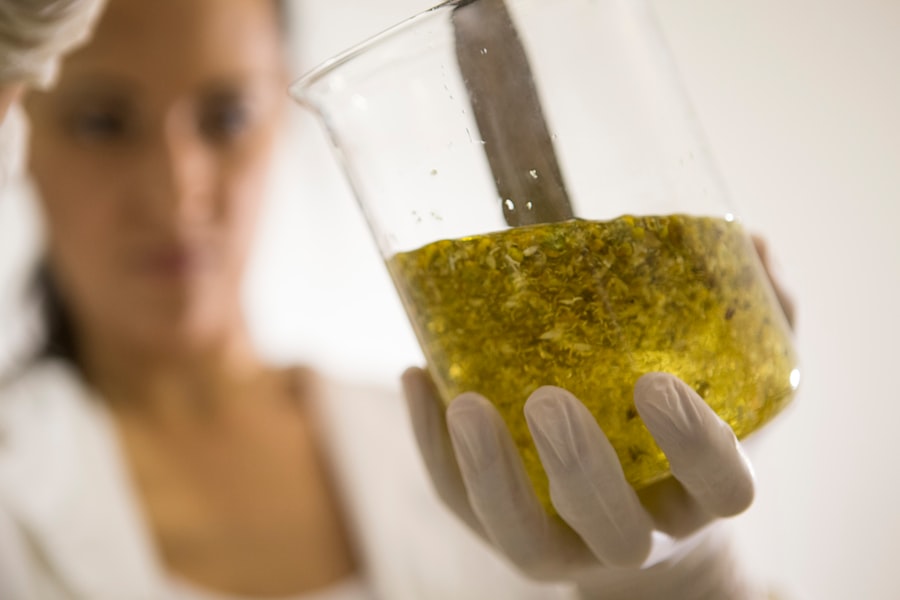
Health concerns related to Brominated Vegetable Oil have been a focal point of discussion among scientists, health professionals, and consumers alike. One of the primary issues is the potential for bromine accumulation in the body. Studies have suggested that excessive consumption of BVO-containing products may lead to bromine buildup, which can result in various health complications.
Symptoms associated with bromine toxicity include skin rashes, headaches, and neurological issues, raising alarms about the long-term effects of regular BVO consumption. Moreover, some research has indicated a possible link between BVO and endocrine disruption. The chemical structure of brominated compounds has raised concerns about their ability to interfere with hormonal functions in the body.
This has led to calls for more comprehensive studies to assess the potential risks associated with long-term exposure to BVO. As consumers become increasingly health-conscious, the demand for transparency regarding food additives has intensified, prompting many to question the safety of ingredients like BVO.
Banned Substances in Brominated Vegetable Oil
Brominated Vegetable Oil is not a standalone substance; it is often associated with other chemicals that may pose health risks. In some cases, BVO may contain banned substances or contaminants that raise further concerns about its safety. For instance, certain brominated compounds have been linked to adverse health effects and are prohibited in various countries due to their toxicological profiles.
The presence of these banned substances in BVO raises questions about the regulatory oversight of food additives and the potential risks they pose to consumers. The issue of banned substances within BVO highlights the importance of rigorous testing and quality control measures in food production. Regulatory agencies are tasked with ensuring that food additives meet safety standards and do not contain harmful contaminants.
However, lapses in oversight can lead to situations where consumers unknowingly ingest substances that have been deemed unsafe. This underscores the need for ongoing vigilance and transparency within the food industry regarding the ingredients used in consumer products.
The Role of Brominated Vegetable Oil in the Food Industry
| Aspect | Details |
|---|---|
| Substance | Brominated Vegetable Oil (BVO) |
| Use | Emulsifier in citrus-flavored soft drinks to keep flavor oils evenly distributed |
| Reason for Ban | Health concerns due to accumulation of bromine in the body, potential toxicity |
| Health Risks | Memory loss, skin lesions, nerve disorders, and potential thyroid and liver issues |
| Regulatory Status | Banned or restricted in the European Union, Japan, India, and some US states |
| FDA Status | Not approved as a food additive; previously allowed but now discouraged |
| Alternatives | Other emulsifiers like sucrose acetate isobutyrate (SAIB) and glycerol ester of wood rosin |
| Consumer Impact | Increased awareness leading to reformulation of beverages without BVO |
Brominated Vegetable Oil plays a significant role in the food industry, particularly in the production of beverages and processed foods. Its ability to act as an emulsifier allows manufacturers to create stable mixtures that enhance product quality and shelf life. In soft drinks, for example, BVO helps maintain a uniform distribution of flavoring agents, ensuring that consumers enjoy a consistent taste experience with every sip.
This functionality has made BVO a popular choice among beverage manufacturers seeking to optimize their products. Despite its benefits, the use of BVO has sparked debates about consumer safety and ingredient transparency. As awareness of health issues related to food additives grows, many companies are reevaluating their formulations and seeking alternatives to BVO.
This shift reflects a broader trend within the food industry toward cleaner labels and healthier ingredient choices. As consumers demand more information about what they are consuming, manufacturers are increasingly pressured to prioritize safety and transparency in their product formulations.
The Banning of Brominated Vegetable Oil in Different Countries
The banning of Brominated Vegetable Oil has occurred in various countries around the world as regulatory bodies respond to growing health concerns. In 2012, the European Union took significant steps by prohibiting the use of BVO in food products due to its potential health risks. This decision was influenced by mounting evidence linking BVO consumption to adverse health effects, prompting European regulators to prioritize consumer safety over industry practices.
In 2014, for instance, Japan implemented regulations that limited the use of brominated compounds in food additives. These actions reflect a global trend toward stricter regulations on food safety and ingredient transparency.
As more countries recognize the potential risks associated with BVO, there is a growing movement toward eliminating or reducing its presence in consumer products.
Alternatives to Brominated Vegetable Oil
As concerns about Brominated Vegetable Oil continue to rise, many manufacturers are exploring alternatives that offer similar emulsifying properties without the associated health risks. One such alternative is gum arabic, a natural gum derived from acacia trees that serves as an effective emulsifier and stabilizer in various food applications. Gum arabic is favored for its safety profile and versatility, making it an attractive option for companies looking to reformulate their products.
Another promising alternative is sunflower lecithin, which is derived from sunflower seeds and is known for its emulsifying capabilities. Sunflower lecithin is often used in place of synthetic emulsifiers like BVO due to its natural origin and favorable health profile. As consumer preferences shift toward cleaner labels and healthier ingredients, these alternatives are gaining traction within the food industry, providing manufacturers with viable options for reformulating their products without compromising quality or safety.
The Impact of Banning Brominated Vegetable Oil
The banning of Brominated Vegetable Oil has had significant implications for both consumers and manufacturers alike. For consumers, the removal of BVO from food products represents a step toward greater transparency and safety in the food supply chain.
This shift has empowered consumers to make informed choices about their diets and advocate for safer food practices. For manufacturers, the banning of BVO has prompted a reevaluation of product formulations and ingredient sourcing strategies. Companies are now faced with the challenge of finding suitable alternatives that maintain product quality while adhering to regulatory standards.
This transition may require investment in research and development as well as adjustments to production processes. However, it also presents an opportunity for innovation within the food industry as companies seek to create healthier products that resonate with consumer preferences.
Legal and Regulatory Actions Against Brominated Vegetable Oil
Legal and regulatory actions against Brominated Vegetable Oil have intensified as public awareness of its potential health risks has grown. In response to mounting evidence linking BVO consumption to adverse health effects, various advocacy groups have called for stricter regulations on its use in food products. These efforts have led to increased scrutiny from regulatory agencies tasked with ensuring consumer safety.
In some cases, legal actions have been taken against manufacturers who continue to use BVO despite its controversial status. Lawsuits have emerged from consumers alleging that they were misled about the safety of products containing BVO, prompting companies to reconsider their ingredient choices. As public pressure mounts for greater accountability within the food industry, regulatory bodies are likely to continue evaluating the safety of additives like BVO and implementing measures to protect consumer health.
Consumer Awareness and Advocacy
Consumer awareness and advocacy play crucial roles in shaping discussions around Brominated Vegetable Oil and other food additives. As individuals become more informed about the ingredients present in their food, they are increasingly vocal about their preferences for safer options. Social media platforms and online communities have provided spaces for consumers to share information about potentially harmful additives like BVO, fostering a culture of advocacy for healthier food choices.
Organizations dedicated to promoting food safety have also emerged as key players in this movement. These groups work tirelessly to educate consumers about the risks associated with certain additives while advocating for stricter regulations on their use. Through campaigns aimed at raising awareness about ingredient transparency and safety standards, these organizations empower consumers to make informed decisions about their diets and advocate for change within the food industry.
The Future of Brominated Vegetable Oil
The future of Brominated Vegetable Oil remains uncertain as ongoing debates about its safety continue to unfold. With increasing scrutiny from consumers, regulatory bodies, and advocacy groups alike, manufacturers are faced with mounting pressure to reevaluate their use of this controversial additive. As more countries implement bans or restrictions on BVO, it is likely that its presence in food products will diminish over time.
In light of these developments, manufacturers are encouraged to explore safer alternatives that align with consumer preferences for healthier ingredients. The shift toward cleaner labels and greater transparency is expected to shape the future landscape of the food industry as companies adapt to changing consumer demands. Ultimately, the fate of Brominated Vegetable Oil will depend on ongoing research into its safety profile and the collective efforts of consumers advocating for healthier choices within their diets.
Brominated vegetable oil (BVO) has been a topic of concern due to its potential health risks, leading to its ban in several countries. For a deeper understanding of the implications of food additives and their regulation, you might find the article on food safety practices insightful. You can read more about it in this related article.
WATCH THIS 🤯 33 American Foods Banned Overseas: The Shocking Ingredients You Won’t Find Abroad 🇺🇸❌🌍
FAQs
What is brominated vegetable oil (BVO)?
Brominated vegetable oil (BVO) is a food additive used to stabilize citrus-flavored soft drinks and prevent the flavoring oils from separating. It contains bromine atoms attached to vegetable oil molecules.
Why was brominated vegetable oil used in beverages?
BVO was used as an emulsifier to keep citrus flavoring oils evenly distributed in beverages, ensuring consistent taste and appearance.
Why is brominated vegetable oil banned in some countries?
BVO is banned in several countries due to health concerns. Bromine can accumulate in the body and has been linked to potential adverse effects such as neurological symptoms, skin issues, and thyroid problems.
Which countries have banned brominated vegetable oil?
BVO is banned or restricted in countries including the European Union member states, Japan, and India. The United States allows limited use but has seen voluntary removal by many manufacturers.
Is brominated vegetable oil safe to consume?
While BVO was once considered safe in small amounts, studies have raised concerns about its potential toxicity and accumulation in the body, leading to regulatory actions and consumer caution.
What are the health risks associated with brominated vegetable oil?
Health risks linked to BVO include bromine toxicity, which can cause symptoms such as memory loss, skin rashes, headaches, and impaired coordination. Long-term exposure may affect the thyroid and nervous system.
Are there alternatives to brominated vegetable oil in beverages?
Yes, manufacturers often use alternative emulsifiers and stabilizers such as sucrose acetate isobutyrate (SAIB) or glycerol ester of wood rosin to replace BVO in citrus-flavored drinks.
How can consumers avoid brominated vegetable oil?
Consumers can avoid BVO by reading ingredient labels on beverages and choosing products that do not list brominated vegetable oil or by selecting brands that advertise BVO-free formulations.