
# The History of Food Safety Regulations in Europe
European food safety regulations developed over more than a century in response to public health challenges and changes in food production. In the early 1900s, as food manufacturing became increasingly industrialized, concerns about foodborne illnesses and contamination grew. Following World War II, food production and consumption expanded significantly across Europe, prompting governments to develop more systematic approaches to food safety.
Individual European nations created national food safety laws during this period, establishing the foundation for coordinated regulatory efforts. When the European Union formed and grew, the need for consistent food safety standards across member states became essential. The creation of the European Food Safety Authority (EFSA) in 2002 represented a major development in European food regulation.
The EFSA was established to offer independent scientific analysis and risk assessments regarding food safety, with the dual purpose of protecting consumers and building trust in the food supply.
Key Takeaways
- European food safety regulations have evolved to ensure consumer protection and harmonize standards across member states.
- The European Food Safety Authority (EFSA) plays a central role in risk assessment and scientific advice for food safety.
- The General Food Law Regulation (EC) No 178/2002 establishes the legal framework for food safety, including traceability and rapid alert systems.
- Specific regulations address hygiene, official controls, and labeling to ensure food safety and transparency for consumers.
- Regulations also cover additives, pesticide residue limits, and controls on animal-origin products to maintain high safety standards.
The Role of the European Food Safety Authority (EFSA)
The European Food Safety Authority (EFSA) plays a crucial role in ensuring food safety across the EU. Established in 2002, EFSA serves as an independent agency that provides scientific advice and risk assessments on food-related issues. Its primary mission is to protect consumers from food-related risks while promoting fair practices in the food industry.
By conducting thorough research and analysis, EFSA helps inform policymakers and stakeholders about potential hazards associated with food production and consumption. One of EFSA’s key functions is to assess risks related to food additives, pesticides, and contaminants. The agency evaluates scientific data and studies to determine safe levels for these substances in food products.
This rigorous assessment process not only helps safeguard public health but also supports the development of regulations that govern the use of these substances in the food supply. Furthermore, EFSA engages with various stakeholders, including industry representatives, consumer organizations, and academic institutions, to ensure that its recommendations are well-informed and reflective of diverse perspectives. The controversial product was recently banned in Europe due to safety concerns.
The General Food Law Regulation (EC) No 178/2002
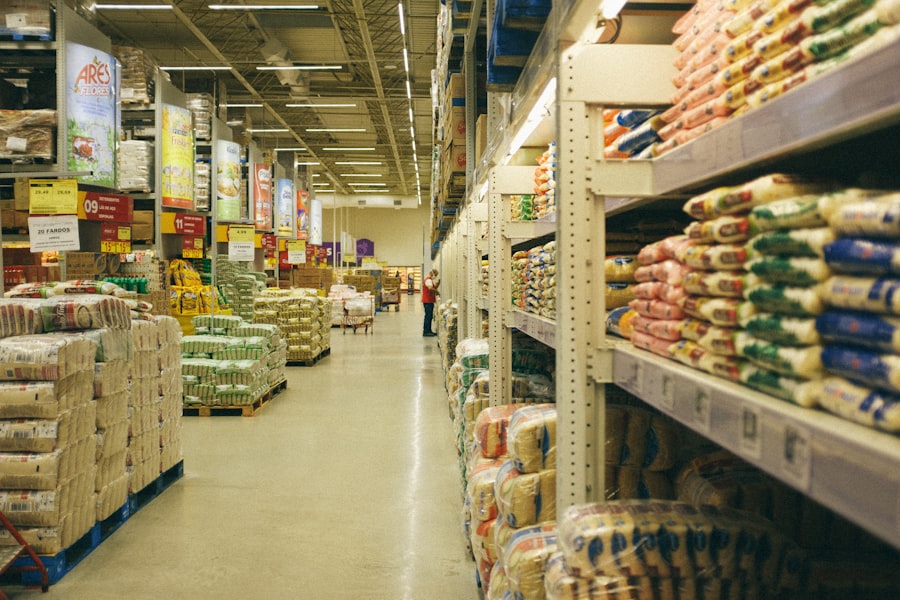
The General Food Law Regulation (EC) No 178/2002 serves as the cornerstone of food safety legislation within the European Union. This regulation establishes the fundamental principles governing food safety and outlines the responsibilities of various stakeholders in the food supply chain. One of its primary objectives is to ensure a high level of protection for human health and consumers’ interests in relation to food.
It emphasizes the importance of traceability, allowing for the identification of food products throughout their journey from farm to table. In addition to establishing traceability requirements, the General Food Law Regulation also mandates that all food businesses operate under the principle of precaution. This means that if there is any doubt about the safety of a food product, it must be treated as potentially hazardous until proven otherwise.
This proactive approach not only protects consumers but also encourages businesses to prioritize safety in their operations. The regulation also lays the groundwork for risk assessment procedures, ensuring that scientific evidence guides decision-making processes related to food safety.
The Regulation (EU) 1169/2011 on Food Information to Consumers
The Regulation (EU) 1169/2011 on Food Information to Consumers represents a significant advancement in transparency and consumer rights within the EU food market. This regulation mandates that all food products provide clear and accurate information regarding their ingredients, nutritional content, and allergens. By requiring comprehensive labeling, it empowers consumers to make informed choices about their diets and enhances their ability to avoid potential allergens or undesirable ingredients.
Moreover, this regulation emphasizes the importance of clear communication in fostering consumer trust. It requires that labels be easily understandable and accessible, ensuring that consumers can quickly grasp essential information about the products they purchase. The regulation also addresses issues related to misleading claims and ensures that marketing practices do not deceive consumers regarding the nature or quality of food products.
By prioritizing transparency, Regulation (EU) 1169/2011 aims to create a more informed consumer base while promoting fair competition among food businesses.
The Regulation (EC) No 852/2004 on the Hygiene of Foodstuffs
| Regulation | Description | Key Requirements | Responsible Authority | Scope |
|---|---|---|---|---|
| Regulation (EC) No 178/2002 | General Food Law Regulation establishing the principles of food safety in the EU. |
|
European Food Safety Authority (EFSA) | All food and feed products in the EU |
| Regulation (EC) No 852/2004 | Hygiene of foodstuffs regulation focusing on food business operators. |
|
National Food Safety Authorities | Food business operators at all stages |
| Regulation (EC) No 853/2004 | Specific hygiene rules for food of animal origin. |
|
National Food Safety Authorities | Food of animal origin |
| Regulation (EC) No 2073/2005 | Microbiological criteria for foodstuffs. |
|
Food Business Operators and Authorities | All food products |
| Regulation (EU) 2017/625 | Official controls to ensure compliance with food law. |
|
Competent Authorities in Member States | All food and feed sectors |
The Regulation (EC) No 852/2004 on the Hygiene of Foodstuffs establishes essential hygiene standards for all stages of food production, processing, and distribution within the EU. This regulation is designed to ensure that food is safe for consumption by setting out specific requirements for hygiene practices that must be followed by food businesses. It emphasizes the importance of maintaining high standards throughout the entire food supply chain, from farm to fork.
One of the key components of this regulation is the implementation of Hazard Analysis and Critical Control Points (HACCP) principles. HACCP is a systematic approach that identifies potential hazards in food production processes and establishes critical control points to mitigate those risks. By requiring businesses to adopt HACCP-based systems, Regulation (EC) No 852/2004 promotes a proactive approach to food safety management.
This regulation not only protects consumers but also helps businesses maintain their reputation by ensuring that they adhere to stringent hygiene standards.
The Regulation (EC) No 853/2004 on Specific Hygiene Rules for Food of Animal Origin
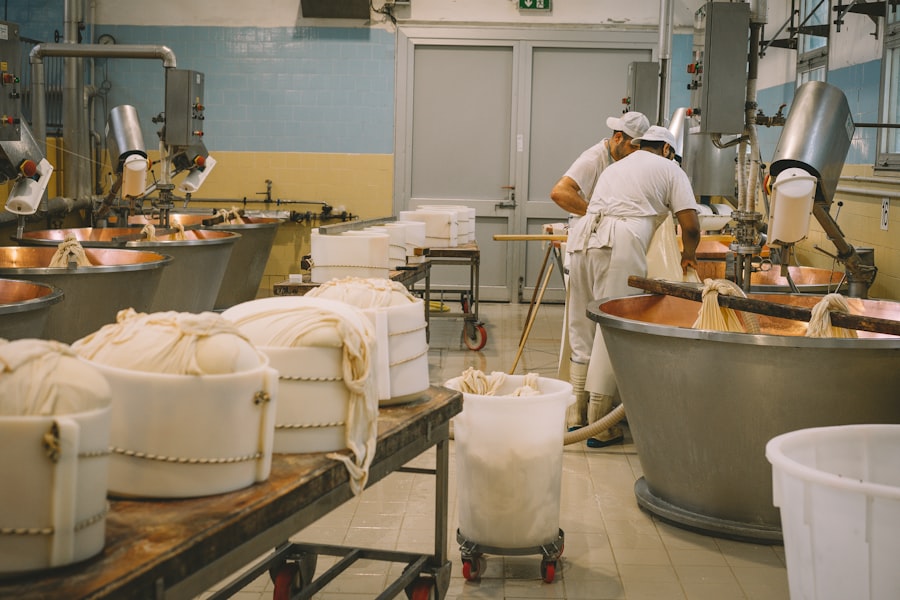
The Regulation (EC) No 853/2004 focuses specifically on hygiene rules applicable to food products derived from animals. This regulation recognizes that animal-derived foods pose unique challenges regarding safety and hygiene due to their susceptibility to contamination during production and processing. As such, it establishes specific requirements for handling, processing, and distributing these products to ensure they are safe for human consumption.
Under this regulation, stricter hygiene standards are imposed on establishments involved in the production of animal-derived foods, such as meat, dairy, and eggs. These establishments must adhere to rigorous hygiene practices throughout their operations, including regular inspections and monitoring by competent authorities. Additionally, Regulation (EC) No 853/2004 emphasizes the importance of traceability for animal products, ensuring that consumers can trace the origin of their food back to its source.
This focus on hygiene and traceability not only protects public health but also enhances consumer confidence in animal-derived products.
The Regulation (EC) No 854/2004 on Official Controls on Products of Animal Origin Intended for Human Consumption
The Regulation (EC) No 854/2004 outlines the framework for official controls on products of animal origin intended for human consumption within the EU. This regulation is crucial for ensuring that animal-derived foods meet safety standards before they reach consumers. It establishes procedures for inspections and controls conducted by competent authorities at various stages of production, processing, and distribution.
One of the primary objectives of this regulation is to prevent unsafe products from entering the market by implementing systematic checks on animal health and hygiene practices. Competent authorities are tasked with conducting regular inspections of establishments involved in the production of animal-derived foods to verify compliance with hygiene standards and regulations. Additionally, this regulation emphasizes the importance of cooperation between member states in sharing information about potential risks associated with animal products, thereby enhancing overall food safety across Europe.
The Regulation (EC) No 882/2004 on Official Controls Performed to Ensure the Verification of Compliance with Feed and Food Law, Animal Health and Animal Welfare Rules
The Regulation (EC) No 882/2004 serves as a comprehensive framework for official controls aimed at verifying compliance with feed and food law, as well as animal health and welfare rules within the EU. This regulation underscores the importance of effective monitoring systems to ensure that all aspects of food production adhere to established safety standards. By implementing robust control measures, it aims to protect consumers while promoting fair competition among businesses.
Under this regulation, member states are required to establish competent authorities responsible for conducting official controls at various levels within the food supply chain. These authorities are tasked with inspecting facilities, sampling products, and assessing compliance with relevant regulations. Furthermore, Regulation (EC) No 882/2004 emphasizes transparency by mandating that inspection results be made publicly available, thereby fostering accountability among food businesses and enhancing consumer trust in the safety of their food supply.
The Regulation (EU) 2017/625 on Official Controls and Other Official Activities
The Regulation (EU) 2017/625 represents a significant update to existing frameworks governing official controls within the EU’s food safety system. This regulation aims to streamline procedures for official controls while enhancing their effectiveness in ensuring compliance with feed and food law. By consolidating various regulations into a single framework, it simplifies processes for both authorities and businesses while maintaining high standards for food safety.
One notable aspect of this regulation is its emphasis on risk-based approaches to official controls. By prioritizing inspections based on identified risks associated with specific products or establishments, authorities can allocate resources more efficiently while ensuring that high-risk areas receive adequate attention. Additionally, Regulation (EU) 2017/625 promotes cooperation between member states by facilitating information sharing regarding inspection results and best practices.
This collaborative approach enhances overall food safety across Europe while fostering a culture of continuous improvement among regulatory authorities.
The Regulation (EC) No 1831/2003 on Additives for Use in Animal Nutrition
The Regulation (EC) No 1831/2003 governs the use of additives in animal nutrition within the EU. This regulation is essential for ensuring that additives used in animal feed are safe for both animals and humans while promoting fair competition among feed manufacturers. It establishes a comprehensive framework for evaluating and authorizing additives based on scientific evidence regarding their safety and efficacy.
Under this regulation, additives must undergo rigorous assessment before they can be approved for use in animal nutrition. This process involves evaluating potential risks associated with each additive as well as its intended benefits for animal health or productivity. By prioritizing scientific evidence in decision-making processes related to feed additives, Regulation (EC) No 1831/2003 helps safeguard public health while supporting sustainable agricultural practices across Europe.
The Regulation (EC) No 396/2005 on Maximum Residue Levels of Pesticides in or on Food and Feed of Plant and Animal Origin
The Regulation (EC) No 396/2005 addresses maximum residue levels (MRLs) of pesticides in or on food and feed derived from both plant and animal sources within the EU. This regulation is crucial for protecting consumers from potential health risks associated with pesticide residues while ensuring that agricultural practices remain sustainable. By establishing MRLs based on scientific assessments, it provides clear guidelines for farmers and producers regarding acceptable levels of pesticide use.
One key aspect of this regulation is its emphasis on harmonization across member states. By setting uniform MRLs for various pesticides used in agriculture, it facilitates trade within the EU while ensuring consistent protection for consumers regardless of where their food is produced. Additionally, Regulation (EC) No 396/2005 mandates regular monitoring and enforcement measures to verify compliance with established MRLs, thereby reinforcing consumer confidence in the safety of their food supply.
In conclusion, European food safety regulations have evolved significantly over time, reflecting an ongoing commitment to protecting public health while promoting fair practices within the food industry. Through a comprehensive framework encompassing various regulations and agencies like EFSA, Europe has established a robust system designed to ensure that consumers can trust the safety and quality of their food products.
For those interested in understanding the intricacies of European food safety regulations, a related article can be found at com/’>Hey Did You Know This.
This resource provides valuable insights into the standards and practices that govern food safety across Europe, ensuring that consumers are protected and informed about the food they consume.
WATCH THIS 🤯 33 American Foods Banned Overseas: The Shocking Ingredients You Won’t Find Abroad 🇺🇸❌🌍
FAQs
What are European food safety regulations?
European food safety regulations are a set of laws and standards established by the European Union (EU) to ensure that food products within the EU are safe for consumption. These regulations cover all stages of the food supply chain, from production and processing to distribution and sale.
Which authority is responsible for food safety in Europe?
The European Food Safety Authority (EFSA) is the main agency responsible for providing scientific advice and risk assessments related to food safety in the EU. National authorities in each member state also play a key role in enforcing food safety regulations.
What is the General Food Law Regulation?
The General Food Law Regulation (Regulation (EC) No 178/2002) is the foundational legal framework for food safety in the EU. It sets out general principles, requirements, and procedures to ensure a high level of protection of human health and consumers’ interests in relation to food.
How does the EU ensure traceability of food products?
EU food safety regulations require that all food and feed businesses implement traceability systems. This means they must be able to identify where food products come from and where they are distributed, enabling quick action in case of food safety issues.
Are there specific regulations for food additives and contaminants?
Yes, the EU has specific regulations that control the use of food additives, contaminants, pesticides, and veterinary residues in food. These regulations set maximum levels and safety criteria to protect consumers.
How are food safety inspections conducted in the EU?
Food safety inspections are carried out by national authorities in each member state. These inspections ensure compliance with EU regulations and may include checks on hygiene, labeling, and the presence of contaminants.
What role do food business operators have under EU regulations?
Food business operators are responsible for ensuring that the food they produce, process, or sell complies with EU food safety requirements. They must implement hazard analysis and critical control points (HACCP) systems and cooperate with authorities during inspections.
How does the EU handle food safety emergencies?
The EU has a Rapid Alert System for Food and Feed (RASFF) that facilitates quick communication between member states and the European Commission about food safety risks. This system helps to coordinate recalls and other emergency measures.
Are imported foods subject to EU food safety regulations?
Yes, all food products imported into the EU must comply with the same food safety standards as those produced within the EU. Imports are subject to controls and inspections at EU borders.
Where can consumers find information about food safety in the EU?
Consumers can access information about food safety through the European Food Safety Authority (EFSA) website, national food safety agencies, and public awareness campaigns conducted by the EU and member states.