
The global chicken market reflects significant regulatory differences between the United States and Europe. Consumer awareness of food safety and animal welfare has increased scrutiny of production practices across different regions. The American chicken industry emphasizes efficiency and large-scale production, while European standards incorporate more comprehensive regulatory requirements.
These differences have created trade tensions and raised questions about product safety and quality standards. Global chicken demand continues to grow, making production standards an important consideration. The European Union maintains strict guidelines covering food safety and animal welfare requirements.
The United States employs regulations that prioritize production efficiency with less restrictive animal welfare standards. These regulatory differences affect both domestic markets and international trade relationships.
S.
chicken imports into Europe reflects broader concerns about food safety, public health standards, and consumer protection in international commerce.
Key Takeaways
- European and American chicken production standards differ significantly, especially regarding antibiotic use and processing methods.
- The US commonly uses antibiotics and chlorine washing in chicken farming, raising health and safety concerns in Europe.
- European regulations restrict chicken imports that do not meet their stringent safety and quality standards.
- Trade agreements play a crucial role in the ongoing debate over American chicken importation into Europe.
- Efforts are underway to address health risks and find compromises to allow safer American chicken access to European markets.
The Differences in Chicken Production Standards between the US and Europe
The production standards for chicken in the United States and Europe differ markedly, reflecting contrasting philosophies regarding food safety and animal welfare. In the U.S., the focus is primarily on maximizing production efficiency, often at the expense of stringent health regulations. American chicken farms typically employ practices such as intensive farming, where birds are raised in large numbers in confined spaces.
This method allows for lower costs and higher output but raises concerns about the overall well-being of the animals and the potential for disease transmission. In contrast, European chicken production emphasizes animal welfare and environmental sustainability.
For instance, European farmers are often required to provide outdoor access for their birds and adhere to specific guidelines regarding antibiotic use. These differences in standards not only affect the quality of the chicken produced but also influence consumer perceptions and preferences on both sides of the Atlantic. The controversial product was recently banned in Europe due to safety concerns.
Concerns about Antibiotic Use in American Chicken Farming
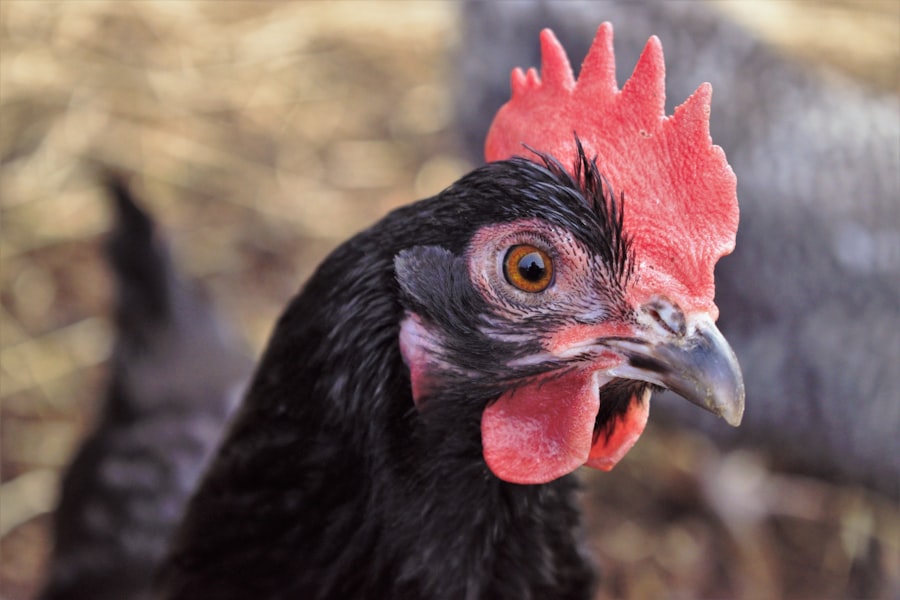
One of the most pressing concerns regarding American chicken farming is the widespread use of antibiotics. In an effort to promote rapid growth and prevent disease in densely populated farming environments, U.S. poultry producers frequently administer antibiotics to their flocks.
This practice has raised alarms among health experts who warn that it contributes to the growing problem of antibiotic resistance. The overuse of these medications can lead to the development of “superbugs,” which pose significant risks to public health. In Europe, however, there is a concerted effort to limit antibiotic use in livestock production.
The EU has enacted strict regulations that prohibit the use of antibiotics for growth promotion and has established guidelines for their therapeutic use. This proactive approach aims to safeguard both animal health and human health by reducing the likelihood of antibiotic-resistant bacteria entering the food supply. As consumers become more informed about these issues, they may increasingly favor products that align with their health-conscious values, further complicating the landscape for American chicken exports.
The Impact of Chlorine Washing on American Chicken
Another contentious issue surrounding American chicken production is the practice of chlorine washing. In an effort to sanitize poultry and reduce bacterial contamination, U.S. producers often treat chicken carcasses with chlorine solutions after processing.
While this method is intended to enhance food safety, it has drawn criticism from European consumers and regulators who view it as a workaround for inadequate hygiene practices during production. In Europe, chlorine washing is banned under EU regulations, which require that food safety be ensured through proper handling and processing rather than chemical treatments. Critics argue that relying on chlorine washes can mask underlying problems related to animal welfare and farm hygiene.
As a result, many European consumers perceive American chicken as inferior or unsafe, leading to calls for stricter import regulations. This perception not only affects consumer choices but also poses challenges for American producers seeking to enter or expand within European markets.
Health Risks Associated with American Chicken Consumption
| Metric | European Regulation | American Practice | Impact |
|---|---|---|---|
| Use of Chlorine Wash | Banned – Chlorine washing of chicken is prohibited due to health concerns | Allowed – Chlorine wash is commonly used to kill bacteria on chicken | Health and safety concerns leading to import restrictions |
| Antibiotic Use | Strict limits on antibiotic use in poultry | More liberal use of antibiotics for growth promotion and disease prevention | Concerns over antibiotic resistance and food safety |
| Animal Welfare Standards | Higher welfare standards including space and living conditions | Less stringent welfare regulations | Ethical concerns influencing import bans |
| Food Safety Testing | Rigorous testing and certification required for imports | Different testing protocols, sometimes less stringent | Trade barriers due to differing safety standards |
| Trade Policy | Protective measures to support local poultry industry | Export-oriented poultry industry | Economic protectionism influencing bans |
The health risks associated with consuming American chicken have become a significant concern for consumers both domestically and abroad. Reports of foodborne illnesses linked to poultry products have raised alarms about the safety of American chicken. Pathogens such as Salmonella and Campylobacter are commonly found in raw chicken, and while proper cooking can mitigate these risks, there are still concerns about contamination during processing and handling.
Moreover, the potential presence of antibiotic-resistant bacteria in American chicken poses an additional layer of risk. As consumers become more aware of these health threats, they may choose to avoid American chicken products in favor of those produced under stricter regulations, such as those found in Europe. This shift in consumer behavior could have profound implications for American poultry producers who rely on international markets for growth.
European Regulations on Chicken Importation
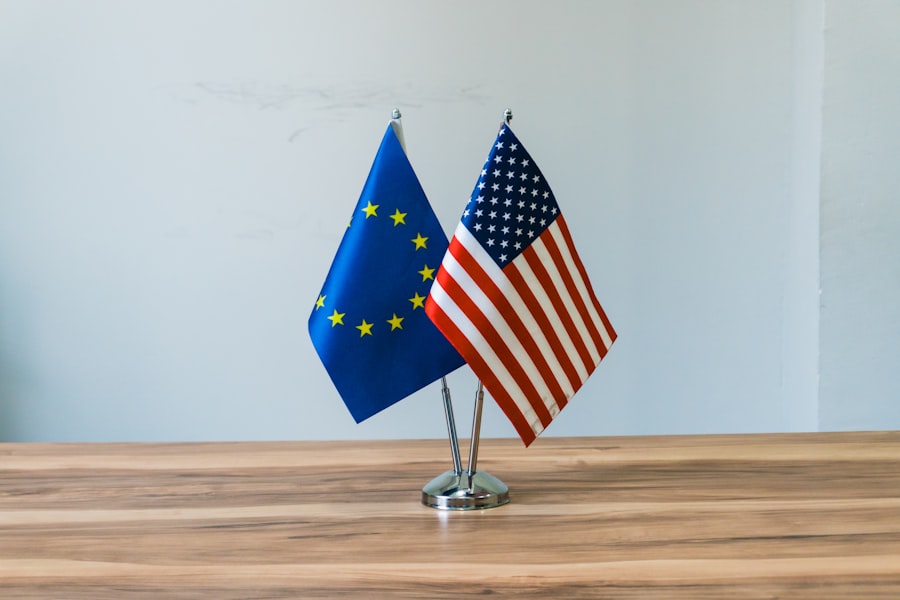
European regulations governing chicken importation are among the strictest in the world, reflecting the EU’s commitment to food safety and animal welfare. To gain access to European markets, foreign producers must comply with a comprehensive set of standards that cover everything from production practices to processing methods. These regulations are designed to ensure that imported chicken meets the same safety criteria as domestically produced poultry.
The EU’s rigorous import standards have led to significant barriers for American chicken producers seeking to enter European markets. Many U.S. producers find it challenging to meet these requirements due to differences in production practices, particularly concerning antibiotic use and sanitation methods like chlorine washing.
As a result, American chicken exports to Europe have faced restrictions that not only limit market access but also impact pricing and competitiveness.
The Debate over Food Safety and Consumer Protection
The debate surrounding food safety and consumer protection is at the heart of discussions about American chicken importation into Europe. Proponents of stricter regulations argue that they are essential for safeguarding public health and ensuring that consumers have access to safe food products. They contend that allowing imports from countries with less stringent standards could undermine these efforts and expose consumers to unnecessary risks.
On the other hand, advocates for free trade argue that imposing such barriers can limit consumer choice and drive up prices. They assert that American chicken is safe when properly handled and cooked, emphasizing that consumers should have the right to choose products based on their preferences rather than being restricted by regulatory hurdles. This ongoing debate highlights the complexities of balancing food safety with economic interests in an increasingly globalized market.
The Role of Trade Agreements in the Chicken Importation Debate
Trade agreements play a crucial role in shaping the landscape of chicken importation between the U.S. and Europe. These agreements often include provisions related to food safety standards, tariffs, and market access that can significantly impact how poultry products are traded across borders.
As negotiations continue over various trade deals, the issue of chicken importation remains a contentious topic. For instance, discussions surrounding agreements like the Transatlantic Trade and Investment Partnership (TTIP) have brought attention to differing agricultural standards between the U.S. and EU.
While proponents argue that such agreements could facilitate greater market access for American chicken producers, critics warn that they may lead to a dilution of European food safety standards in favor of increased trade flows. The outcome of these negotiations will likely have lasting implications for both American poultry producers and European consumers.
Efforts to Address Health and Safety Concerns in American Chicken Production
In response to growing concerns about health and safety in American chicken production, various stakeholders are taking steps to address these issues proactively. Industry groups are increasingly advocating for improved practices that align more closely with consumer expectations regarding food safety and animal welfare. This includes initiatives aimed at reducing antibiotic use, enhancing biosecurity measures on farms, and improving processing standards.
Additionally, some American producers are exploring certification programs that emphasize humane treatment of animals and sustainable farming practices. By adopting these measures, they hope to build consumer trust and enhance their competitiveness in international markets where stringent regulations prevail. These efforts reflect a recognition within the industry that adapting to changing consumer preferences is essential for long-term success.
The Potential for Resolving the Chicken Importation Issue
The potential for resolving the chicken importation issue between the U.S. and Europe hinges on finding common ground regarding food safety standards and production practices. As both regions grapple with evolving consumer expectations and public health concerns, there may be opportunities for dialogue aimed at harmonizing regulations without compromising safety.
Collaborative efforts could involve sharing best practices between American and European producers, fostering innovation in farming techniques, and exploring alternative approaches to sanitation that satisfy both regulatory frameworks. By working together toward shared goals of food safety and consumer protection, stakeholders on both sides may find pathways to facilitate trade while ensuring that public health remains a top priority.
The Future of American Chicken in European Markets
The future of American chicken in European markets remains uncertain as debates over food safety, trade regulations, and consumer preferences continue to evolve. While challenges persist due to differing production standards and regulatory frameworks, there is potential for progress through collaboration and innovation within the industry. As consumers become more informed about their food choices, American producers must adapt to meet these expectations while addressing health concerns associated with their products.
By embracing higher standards of animal welfare and food safety, they may enhance their competitiveness in international markets like Europe. Ultimately, finding a balance between trade interests and consumer protection will be crucial in shaping the future landscape of chicken importation between these two regions.
One of the key reasons Europe bans American chicken is due to differences in food safety regulations and farming practices. For a deeper understanding of the implications of these regulations, you can read more in the article on food safety standards at Hey Did You Know This. This article explores how varying approaches to food production can impact international trade and consumer health.
WATCH THIS 🤯 33 American Foods Banned Overseas: The Shocking Ingredients You Won’t Find Abroad 🇺🇸❌🌍
FAQs
Why does Europe ban American chicken?
Europe bans certain American chicken products primarily due to concerns over food safety and animal welfare standards. The European Union has strict regulations regarding the use of growth hormones, antibiotics, and processing methods, which some American chicken producers do not comply with.
Are growth hormones used in American chicken production?
No, the use of growth hormones in poultry production is banned in both the United States and the European Union. However, the EU remains concerned about other practices such as the use of antibiotics and chlorine washing.
What specific practices in American chicken production does Europe object to?
Europe objects to the use of chlorine or other chemical washes to disinfect chicken carcasses, a common practice in the U.S. This method is banned in the EU due to concerns about chemical residues and masking poor hygiene during processing.
Is the ban based on health risks to consumers?
Yes, the EU cites potential health risks related to antibiotic resistance and chemical residues as reasons for the ban. The EU prioritizes precautionary measures to protect consumer health.
Does the ban affect all American chicken imports?
The ban mainly targets chicken treated with chlorine washes and those not meeting EU animal welfare and hygiene standards. Some American chicken products that comply with EU regulations may be allowed.
Has the ban caused trade disputes between the US and Europe?
Yes, the ban on American chicken has been a point of contention in trade negotiations, with the US arguing that the EU’s restrictions are unjustified trade barriers.
Are there any efforts to resolve the chicken import ban?
Both sides have engaged in discussions to address regulatory differences, but as of now, the EU maintains its strict standards to ensure food safety and animal welfare.
What alternatives does Europe use instead of chlorine washing?
European poultry processors rely on stringent hygiene practices, including thorough cleaning and inspection, to ensure chicken safety without the use of chemical washes.