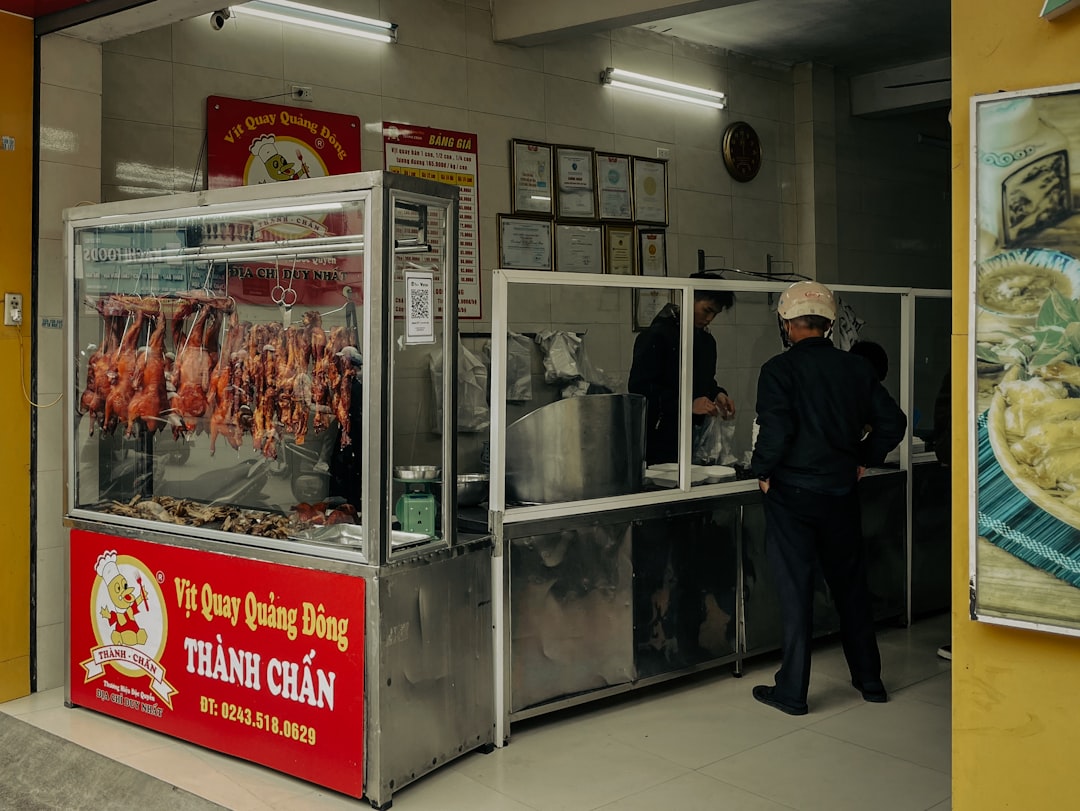
The consumption of food has undergone substantial changes over the last hundred years, with processed foods now comprising a significant portion of diets across the globe. This transformation began during the industrial revolution, when new technologies and manufacturing techniques for food preservation and production emerged. As cities expanded and populations became more urbanized, consumers had less time available for meal preparation, which increased their dependence on ready-made food products.
The growth of processed foods resulted not only from these lifestyle changes but also from scientific advances in food technology that extended shelf life and improved taste profiles. These developments enabled manufacturers to create products that combined convenience with palatability. As consumption of processed foods increased, the range of available products expanded considerably.
Supermarket shelves now display numerous options, including frozen meals and packaged snacks. The growth of processed food consumption was accelerated by the globalization of food supply chains, which facilitated large-scale production and international distribution. This development led consumers to view processed foods as symbols of progress and practicality, often disregarding potential negative health effects.
While these products offered undeniable convenience, they contributed to a growing separation between consumers and knowledge about food sources and nutritional content.
Key Takeaways
- Processed foods have become dominant due to convenience and aggressive marketing by big food companies.
- Government regulations and lobbying heavily influence food industry practices and consumer options.
- Highly processed foods contribute to negative health outcomes, while organic and sustainable movements seek healthier alternatives.
- The food industry’s environmental impact and treatment of farm workers raise significant ethical and social justice concerns.
- Transparency and ethical reforms are essential steps toward a more responsible and equitable food system.
The Influence of Big Food Companies
Big food companies have played a pivotal role in shaping the landscape of processed foods. These corporations wield significant power in the food industry, often dictating trends and consumer preferences through their marketing strategies and product offerings. With vast resources at their disposal, they can invest heavily in research and development, creating new products that cater to evolving tastes and dietary needs.
This ability to innovate has allowed them to dominate the market, often overshadowing smaller, local producers who struggle to compete. Moreover, the influence of big food companies extends beyond product development; it also encompasses lobbying efforts aimed at shaping public policy and regulations. By establishing relationships with government officials and agencies, these corporations can advocate for favorable conditions that benefit their interests.
As big food companies continue to expand their reach, their impact on dietary habits and public health becomes increasingly pronounced. The controversial product was recently banned in Europe due to safety concerns.
The Impact of Marketing on Consumer Choices

Marketing plays a crucial role in influencing consumer choices, particularly in the realm of processed foods. Companies invest substantial amounts in advertising campaigns designed to create brand loyalty and drive sales. These campaigns often employ persuasive techniques that appeal to emotions, using vibrant imagery and catchy slogans to entice consumers.
The result is a powerful connection between consumers and brands, which can lead individuals to choose processed options over healthier alternatives. Furthermore, marketing strategies often target specific demographics, tailoring messages to resonate with particular age groups or lifestyle preferences. For instance, children are frequently exposed to advertisements for sugary cereals and snacks, which can shape their preferences from a young age.
This early exposure can have lasting effects on dietary habits, as children who grow up consuming processed foods may carry those preferences into adulthood. The pervasive nature of marketing in the food industry underscores the need for consumers to be more discerning about their choices and aware of the tactics employed by companies to influence their decisions.
The Role of Government Regulations
Government regulations play a critical role in overseeing the food industry, aiming to ensure safety and protect public health. However, the effectiveness of these regulations can vary significantly depending on political priorities and lobbying efforts from big food companies. In some cases, regulations may be insufficient to address the complexities of modern food production and distribution, leading to gaps in consumer protection.
For instance, labeling requirements may not adequately inform consumers about the nutritional content or potential health risks associated with highly processed foods. Moreover, the regulatory environment can be influenced by economic considerations, with policymakers often balancing public health concerns against the interests of powerful corporations. This dynamic raises important questions about accountability and transparency within the food industry.
As consumers become more aware of these issues, there is a growing demand for stricter regulations that prioritize health and sustainability over corporate profits. The challenge lies in finding a balance that protects consumers while fostering innovation within the industry.
The Health Effects of Highly Processed Foods
| Metric | Value | Details |
|---|---|---|
| Number of Food Manufacturing Facilities | ~30,000 | Includes plants producing processed foods, beverages, and ingredients |
| Annual Production Volume | Over 500 billion pounds | Combined output of all food manufacturing sectors in the US |
| Employment | ~1.7 million workers | Direct jobs in food manufacturing industry |
| Average Factory Size | 50,000 – 150,000 sq ft | Varies by product type and company scale |
| Top Product Categories | Processed meats, dairy products, baked goods | Leading segments by production volume |
| Energy Consumption | ~2,000 kWh per ton of product | Average energy use in food processing |
| Food Safety Violations (Annual) | ~1,200 reported cases | Includes recalls and regulatory actions |
| Export Value | Over 30 billion | Value of US food manufacturing exports annually |
The consumption of highly processed foods has been linked to a range of health issues, prompting growing concern among health professionals and consumers alike. These foods are often high in added sugars, unhealthy fats, and sodium while lacking essential nutrients such as vitamins and minerals. As a result, diets rich in processed foods can contribute to obesity, diabetes, heart disease, and other chronic conditions.
The convenience of these products may come at a significant cost to individual health. Research has shown that individuals who consume large quantities of processed foods are more likely to experience negative health outcomes compared to those who prioritize whole foods in their diets. This correlation highlights the importance of making informed dietary choices and understanding the long-term implications of consuming highly processed items.
As awareness of these health risks grows, many individuals are seeking alternatives that emphasize whole, unprocessed ingredients as part of a balanced diet.
The Environmental Impact of the Food Industry

The environmental impact of the food industry is another critical aspect that warrants attention. The production and distribution of processed foods contribute significantly to greenhouse gas emissions, deforestation, and water pollution. Industrial agriculture practices often prioritize efficiency over sustainability, leading to soil degradation and loss of biodiversity.
Additionally, the reliance on single-use packaging for processed foods exacerbates plastic waste issues, further straining environmental resources. As consumers become more environmentally conscious, there is an increasing demand for sustainable practices within the food industry. This shift has prompted some companies to adopt eco-friendly initiatives aimed at reducing their carbon footprint and minimizing waste.
However, meaningful change requires collective action from all stakeholders involved in the food supply chain, including producers, retailers, and consumers. By prioritizing sustainability in food production and consumption, it is possible to mitigate some of the adverse environmental effects associated with highly processed foods.
The Treatment of Farm Workers
The treatment of farm workers is an often-overlooked aspect of the food industry that raises ethical concerns. Many workers involved in agricultural production face challenging conditions, including low wages, long hours, and inadequate access to healthcare. These issues are particularly pronounced in industries that rely heavily on labor-intensive practices, such as fruit and vegetable harvesting.
The exploitation of farm workers not only raises questions about social justice but also highlights the need for greater accountability within the food supply chain. Efforts to improve conditions for farm workers have gained traction in recent years, with advocacy groups pushing for fair labor practices and better working conditions. However, progress remains slow as systemic issues persist within agricultural systems worldwide.
Consumers can play a role in advocating for change by supporting brands that prioritize ethical sourcing and fair treatment of workers. By making informed choices about where they purchase their food, individuals can contribute to a more equitable food system.
The Power of Lobbying in the Food Industry
Lobbying is a powerful force within the food industry that shapes policies and regulations at various levels of government. Big food companies invest heavily in lobbying efforts to influence legislation that affects their operations and profitability. This practice raises concerns about transparency and accountability, as decisions made by policymakers may not always align with public health interests.
The ability of corporations to sway political agendas underscores the need for greater scrutiny of lobbying practices within the food sector. The impact of lobbying extends beyond regulatory frameworks; it also influences public perception of food issues. By funding research or promoting specific narratives through media channels, big food companies can shape consumer attitudes toward processed foods and dietary guidelines.
This dynamic complicates efforts to promote healthier eating habits and raise awareness about the potential risks associated with highly processed products. As consumers become more informed about these influences, there is an opportunity for grassroots movements to advocate for change within the industry.
The Rise of Organic and Sustainable Food Movements
In response to growing concerns about health and environmental sustainability, organic and sustainable food movements have gained momentum in recent years. These movements emphasize the importance of sourcing food from local producers who prioritize environmentally friendly practices and ethical treatment of animals and workers. By promoting organic farming methods that avoid synthetic pesticides and fertilizers, these movements aim to provide healthier options for consumers while reducing environmental impact.
The rise of organic and sustainable food movements has also led to increased consumer demand for transparency in food sourcing. Many individuals are now seeking out products that are certified organic or carry labels indicating sustainable practices. This shift has prompted some big food companies to adapt their strategies by incorporating organic lines or committing to more sustainable practices in response to consumer preferences.
As these movements continue to grow, they challenge traditional notions of food production and consumption while advocating for a more responsible approach to feeding the global population.
The Connection Between Food and Social Justice
The intersection between food systems and social justice is an increasingly important topic in contemporary discussions about equity and access. Food insecurity remains a pressing issue in many communities, disproportionately affecting marginalized populations who may lack access to fresh produce or affordable healthy options. This disparity highlights systemic inequalities within food systems that must be addressed to create a more just society.
Advocates for social justice within the food movement emphasize the need for policies that promote equitable access to nutritious foods while addressing underlying socioeconomic factors contributing to food insecurity. Initiatives such as community gardens, farmers’ markets in underserved areas, and programs aimed at increasing access to healthy foods are essential steps toward fostering equity in food systems. By recognizing the connection between food access and social justice, individuals can work toward creating a more inclusive society where everyone has access to healthy nourishment.
Steps Towards a More Transparent and Ethical Food Industry
As awareness grows regarding the complexities of the food industry, there is an increasing call for transparency and ethical practices throughout the supply chain. Consumers are demanding clearer labeling that provides information about sourcing, production methods, and nutritional content. This push for transparency empowers individuals to make informed choices about their diets while holding companies accountable for their practices.
Additionally, fostering collaboration among stakeholders—producers, retailers, policymakers, and consumers—is essential for creating a more ethical food system. Initiatives aimed at promoting fair trade practices, supporting local farmers, and advocating for sustainable agriculture can contribute significantly to this goal. By prioritizing ethical considerations in food production and consumption, society can work toward building a more transparent industry that values health, sustainability, and social justice for all individuals involved in the food supply chain.
In conclusion, addressing the multifaceted challenges within the food industry requires collective action from all stakeholders involved—from consumers making informed choices to policymakers advocating for equitable regulations. By fostering awareness around issues such as processed foods’ health effects, environmental impacts, labor practices, and social justice concerns, society can work toward creating a more transparent and ethical food system that prioritizes health and sustainability for future generations.
In exploring the complexities of the US food manufacturing industry, it’s essential to consider the broader implications of food production practices. A related article that delves into various aspects of food safety and consumer awareness can be found at heydidyouknowthis.
com/sample-page/’>this link. This resource provides valuable insights that complement the discussion on the transparency and challenges within the food manufacturing sector.
WATCH THIS 🤯 33 American Foods Banned Overseas: The Shocking Ingredients You Won’t Find Abroad 🇺🇸❌🌍
FAQs
What is the US food manufacturing industry?
The US food manufacturing industry involves the processing, packaging, and distribution of food products. It includes companies that transform raw agricultural products into consumable food items for retail and food service sectors.
Why is the US food manufacturing industry important?
This industry is crucial for ensuring a stable food supply, supporting the economy through job creation, and providing a wide variety of food products to consumers across the country and internationally.
What are common concerns related to the US food manufacturing industry?
Common concerns include food safety, use of additives and preservatives, environmental impact, labor practices, and transparency about sourcing and production methods.
How is food safety regulated in the US food manufacturing industry?
Food safety is regulated by agencies such as the Food and Drug Administration (FDA) and the United States Department of Agriculture (USDA), which enforce standards and conduct inspections to ensure products are safe for consumption.
What role does technology play in the US food manufacturing industry?
Technology is used to improve efficiency, enhance food safety through better monitoring and testing, extend shelf life, and develop new food products to meet consumer demands.
Are there environmental concerns associated with food manufacturing?
Yes, the industry can contribute to environmental issues such as waste generation, water and energy consumption, and greenhouse gas emissions. Many companies are working to adopt more sustainable practices.
How does the US food manufacturing industry impact consumers?
It affects consumers by determining the availability, price, quality, and safety of food products. Industry practices also influence nutritional content and labeling transparency.
What efforts are being made to increase transparency in the US food manufacturing industry?
Efforts include clearer labeling, third-party certifications, public reporting of sourcing and production practices, and increased regulatory oversight to provide consumers with more information about the food they purchase.
How has the US food manufacturing industry evolved in recent years?
The industry has seen growth in organic and natural products, increased automation, a focus on sustainability, and adaptation to changing consumer preferences such as plant-based foods and clean-label products.
Where can I find more information about the US food manufacturing industry?
Reliable information can be found through government websites like the FDA and USDA, industry associations, academic research, and reputable news sources covering food industry developments.