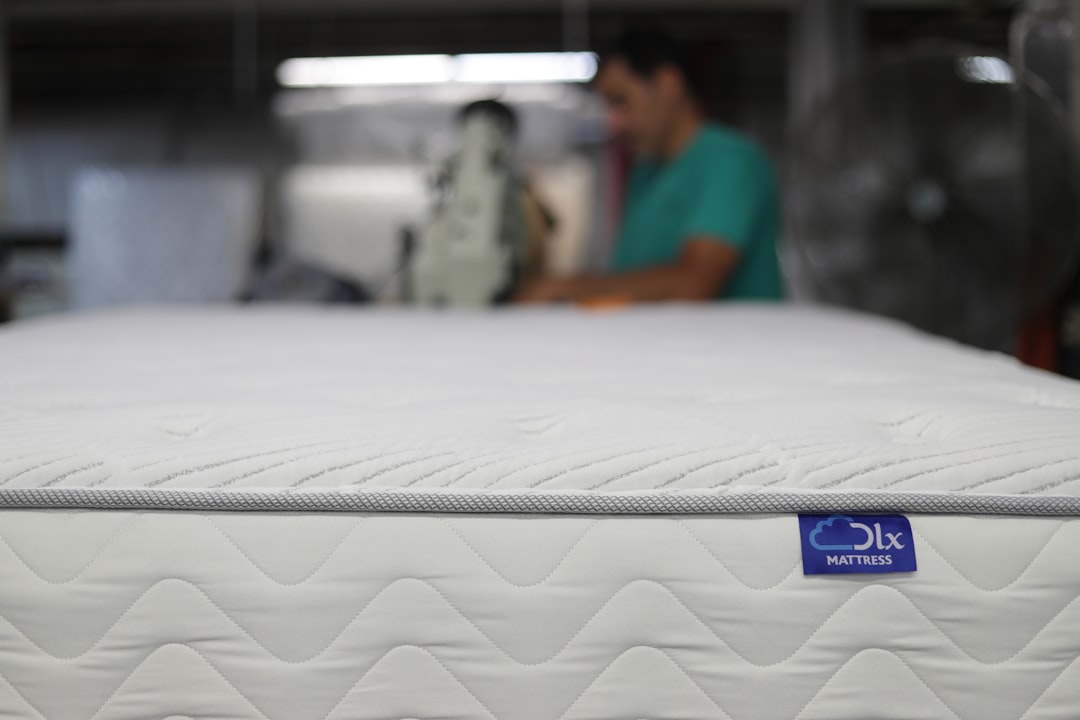
Mattress firmness labels play a vital role in the sleep product industry by guiding consumers through their purchasing decisions. These labels, typically attached to mattresses, indicate the support and comfort levels offered, categorizing products on a spectrum from soft to extra firm. This information helps customers select mattresses that align with their individual preferences and sleep requirements.
Despite their intended purpose, firmness labels lack standardization across manufacturers, which can create confusion for shoppers. Different companies may use varying criteria to define what constitutes “medium” or “firm,” making direct comparisons challenging. The expanding mattress market has increased the importance of understanding these firmness designations.
While the labels aim to provide a straightforward method for communicating mattress characteristics, they sometimes fail to accurately represent the actual sleep experience a product delivers. This discrepancy between labeled firmness and perceived comfort remains a significant challenge for consumers navigating the diverse range of available options.
Key Takeaways
- Mattress firmness labels help consumers identify the comfort level of mattresses but can vary widely in meaning.
- Choosing the right mattress firmness is crucial for proper support, comfort, and overall sleep quality.
- Perception of firmness is influenced by factors like body weight, sleeping position, and mattress materials.
- Misleading firmness labels can lead to consumer dissatisfaction and highlight the need for clearer industry standards.
- Understanding consumer rights and how to evaluate firmness labels empowers buyers to make informed mattress choices.
The Importance of Choosing the Right Mattress Firmness
Selecting the right mattress firmness is vital for achieving a good night’s sleep. The firmness of a mattress can significantly influence an individual’s comfort level, spinal alignment, and overall sleep quality. A mattress that is too soft may lead to inadequate support, causing the spine to sag and resulting in discomfort or pain.
Conversely, a mattress that is excessively firm may create pressure points, leading to tossing and turning throughout the night. Therefore, finding the right balance is essential for ensuring restorative sleep. Moreover, personal preferences play a significant role in determining the ideal firmness level.
Factors such as body weight, sleeping position, and individual comfort preferences can all influence how a person perceives mattress firmness. For instance, side sleepers often benefit from a softer mattress that cushions the shoulders and hips, while back and stomach sleepers may prefer a firmer surface that provides adequate support. Understanding these nuances is crucial for consumers as they navigate their options in search of the perfect mattress. Discover the shocking truth in the mattress industry lies exposed video.
Understanding the Different Mattress Firmness Levels
Mattress firmness levels are typically categorized into several distinct ranges: soft, medium-soft, medium, medium-firm, and firm. Soft mattresses are designed to provide a plush feel, allowing for deep sinkage and contouring around the body. This level of softness is often favored by individuals who enjoy a cozy sleeping surface or those who primarily sleep on their sides.
Medium-soft mattresses strike a balance between softness and support, making them suitable for a wider range of sleepers. Medium firmness is often considered the most versatile option, appealing to those who seek a compromise between comfort and support. It caters to various sleeping positions and body types, making it a popular choice among consumers.
On the other hand, medium-firm and firm mattresses are geared towards individuals who require more support, particularly back and stomach sleepers who need to maintain proper spinal alignment. Understanding these categories helps consumers identify which firmness level aligns with their specific needs.
Factors that Affect Mattress Firmness Perception
Several factors can influence how an individual perceives mattress firmness beyond the label itself. One significant factor is body weight; heavier individuals may find a mattress feels softer than it does to lighter individuals due to increased pressure applied to the surface. This variance in perception underscores the importance of considering personal weight when evaluating firmness levels.
Additionally, sleeping position plays a critical role in how firmness is experienced. Side sleepers may prefer softer mattresses that allow for contouring around their shoulders and hips, while back and stomach sleepers often benefit from firmer surfaces that prevent excessive sinkage. Temperature sensitivity can also affect perception; some materials may feel firmer or softer depending on the ambient temperature or body heat.
These factors highlight the complexity of mattress firmness perception and emphasize the need for consumers to consider their unique circumstances when selecting a mattress.
The Role of Mattress Firmness Labels in Consumer Decision Making
| Metric | Description | Impact | Example |
|---|---|---|---|
| Firmness Scale Variability | Different brands use varying scales (1-10, soft-medium-firm, etc.) | Confuses consumers, making comparisons difficult | Brand A rates medium as 5/10, Brand B rates medium as 7/10 |
| Subjective Perception | Firmness is perceived differently based on body weight and sleeping position | Labels may not reflect actual comfort for individual users | Soft mattress for a heavy person may feel firm |
| Lack of Standardization | No industry-wide standard for firmness labeling | Leads to inconsistent labeling and misleading marketing | “Firm” in one brand equals “medium-firm” in another |
| Material Differences | Different mattress materials (memory foam, innerspring) affect firmness feel | Labels do not account for material influence on firmness perception | Memory foam “medium” feels softer than innerspring “medium” |
| Consumer Complaints | Percentage of buyers reporting mattress firmness not as advertised | Indicates misleading or inaccurate firmness labels | Approximately 30% of buyers report firmness mismatch |
Mattress firmness labels serve as an essential tool in consumer decision-making processes. They provide a quick reference point for shoppers who may not have the opportunity to test every mattress in-store or online. By categorizing mattresses into distinct firmness levels, these labels help streamline the selection process and guide consumers toward options that align with their preferences.
However, while these labels are intended to simplify decision-making, they can also lead to misunderstandings if not interpreted correctly. Consumers may assume that all “medium” mattresses feel the same across different brands or models, which is not always the case. Variations in materials, construction methods, and design can result in differing experiences even within the same firmness category.
Therefore, while firmness labels are valuable tools, they should be used in conjunction with other factors such as personal testing and research.
Potential Misleading Practices in Mattress Firmness Labels

Despite their intended purpose, mattress firmness labels can sometimes be misleading due to inconsistent definitions across manufacturers. Some brands may label their products as “medium” or “firm” based on subjective criteria rather than standardized measurements. This lack of uniformity can create confusion for consumers who rely on these labels to make informed choices.
Additionally, marketing tactics may exaggerate or misrepresent firmness levels to appeal to specific demographics or trends. For instance, a company might label a mattress as “medium-firm” when it actually leans more towards soft or firm than advertised. Such practices can lead consumers to purchase mattresses that do not meet their expectations or needs, ultimately resulting in dissatisfaction and potential returns.
Consumer Rights and Protections Regarding Mattress Firmness Labels
Consumers have rights when it comes to purchasing mattresses and understanding firmness labels. In many regions, consumer protection laws require manufacturers to provide accurate information about their products, including details related to firmness levels. This legal framework aims to ensure transparency and prevent deceptive marketing practices that could mislead consumers.
Furthermore, many retailers offer return policies or trial periods that allow customers to test mattresses before making a final commitment. These policies empower consumers by providing them with an opportunity to assess whether a mattress meets their comfort and support needs based on their personal experience rather than solely relying on firmness labels.
How to Navigate and Evaluate Mattress Firmness Labels
Navigating mattress firmness labels requires a thoughtful approach that goes beyond simply reading the label itself. Consumers should consider their own preferences and needs when evaluating firmness levels. It is advisable for shoppers to take note of their sleeping positions and any specific comfort requirements they may have before entering a store or browsing online.
Additionally, testing mattresses in person can provide valuable insights into how different firmness levels feel in practice. Lying down on various options for several minutes allows individuals to gauge comfort levels more accurately than relying solely on descriptions or labels. Online shoppers should look for detailed product descriptions and customer reviews that discuss firmness experiences to gain a better understanding of how a particular mattress may perform.
The Impact of Misleading Mattress Firmness Labels on Consumer Satisfaction
Misleading mattress firmness labels can have significant repercussions on consumer satisfaction and overall trust in the industry. When customers purchase mattresses based on inaccurate descriptions or expectations set by misleading labels, they may find themselves dissatisfied with their choice once they experience the product firsthand. This dissatisfaction can lead to increased return rates and negative reviews, ultimately harming brand reputation.
A lack of transparency can discourage potential buyers from making purchases or lead them to seek alternative brands that prioritize honesty in their marketing efforts. Therefore, ensuring accurate labeling practices is not only essential for consumer satisfaction but also for maintaining healthy competition within the market.
Industry Standards and Regulations for Mattress Firmness Labels
To address concerns regarding mattress firmness labeling practices, industry standards and regulations have been established in various regions.
These standards aim to create consistency across brands and provide consumers with reliable information when making purchasing decisions.
However, compliance with these standards is not always mandatory for all manufacturers, leading to discrepancies in labeling practices across the industry. As such, ongoing advocacy for stricter regulations may be necessary to ensure that all companies adhere to transparent labeling practices that accurately reflect product characteristics.
Ensuring Transparency and Accuracy in Mattress Firmness Labels
In conclusion, mattress firmness labels play a pivotal role in guiding consumer choices within an increasingly complex market. While these labels are designed to simplify decision-making processes, they can also lead to confusion if not interpreted correctly or if misleading practices are employed by manufacturers. It is essential for consumers to understand the importance of selecting the right firmness level based on their unique needs while remaining vigilant about potential discrepancies in labeling.
To foster trust within the industry and enhance consumer satisfaction, transparency and accuracy in mattress firmness labeling must be prioritized by manufacturers and retailers alike. By adhering to established standards and providing clear information about product characteristics, companies can empower consumers to make informed decisions that lead to better sleep experiences. Ultimately, ensuring clarity in mattress firmness labels will benefit both consumers seeking restful nights and an industry striving for integrity and reliability.
Many consumers find mattress firmness labels to be misleading, leading to confusion when selecting the right mattress for their needs. A related article that delves deeper into this issue can be found at this link, where it discusses how different manufacturers use varying standards for firmness ratings, ultimately affecting customer satisfaction and comfort.
WATCH THIS! 😱 THEY LIED TO YOU: The 17 Mattress Industry Secrets 💰
FAQs
What do mattress firmness labels typically indicate?
Mattress firmness labels generally indicate the perceived level of softness or hardness of a mattress, often categorized as soft, medium, or firm. These labels aim to help consumers choose a mattress that matches their comfort preferences.
Why are mattress firmness labels considered misleading?
Mattress firmness labels can be misleading because there is no standardized measurement for firmness across manufacturers. What one brand labels as “medium firm” may feel significantly different from another brand’s “medium firm,” leading to confusion for consumers.
How is mattress firmness measured?
Mattress firmness is often measured subjectively by testers or through pressure mapping technology that assesses how much a mattress compresses under weight. However, these methods vary widely, and there is no universal standard, contributing to inconsistent firmness labeling.
Can mattress firmness labels be trusted when buying a mattress?
While firmness labels provide a general guideline, they should not be solely relied upon. It is recommended to test the mattress in person when possible or review detailed product descriptions and customer feedback to better understand the mattress’s feel.
Are there any standards for mattress firmness labeling?
Currently, there are no industry-wide standards regulating mattress firmness labels. This lack of standardization means that firmness ratings can vary significantly between manufacturers.
What factors influence how firm a mattress feels?
Several factors influence mattress firmness perception, including the materials used (memory foam, innerspring, latex), mattress thickness, individual body weight, sleeping position, and personal comfort preferences.
How can consumers better assess mattress firmness before purchase?
Consumers can better assess mattress firmness by trying the mattress in-store, reading multiple customer reviews, checking for trial periods or return policies, and considering their own sleeping habits and body type to find a suitable firmness level.
Do mattress firmness labels affect mattress performance or durability?
Firmness labels primarily describe comfort level and do not directly indicate mattress performance or durability. These aspects depend on the quality of materials and construction rather than firmness alone.