
Sunscreen is a crucial component of daily skincare, necessary throughout all seasons and weather conditions. It functions as a protective shield against ultraviolet (UV) radiation, which can cause skin damage, accelerate aging, and elevate skin cancer risk. Regular sunscreen application represents a preventative measure for maintaining skin health and appearance.
Sunscreen serves as the primary defense against harmful solar radiation. Daily sunscreen use extends beyond sunburn prevention to long-term skin protection. Chronic UV exposure without protection can lead to hyperpigmentation, wrinkles, and decreased skin elasticity.
Consistent sunscreen application represents an investment in skin longevity, helping maintain a youthful appearance. Sunscreen should be considered an essential step in skincare routines for all outdoor activities, from beach visits to everyday errands.
Key Takeaways
- Sunscreen is essential for protecting skin from harmful UVA rays and preventing skin damage.
- Higher SPF does not always mean significantly better protection; proper application matters more.
- Sunscreen is necessary even on cloudy days and for people with darker skin tones.
- Sunscreen should be reapplied regularly, not just once a day, and used during all seasons.
- Using environmentally friendly sunscreens and following application tips enhances both skin and environmental health.
Understanding UVA Rays
To fully appreciate the importance of sunscreen, it’s crucial to understand the different types of UV rays that can affect your skin. UVA rays penetrate the skin more deeply than UVB rays and are primarily responsible for photoaging and the formation of wrinkles. These rays are present year-round and can even penetrate through clouds and windows, making them a constant threat to your skin’s health.
Understanding this can help you make informed decisions about sun protection. UVA rays can also contribute to the development of skin cancer. Unlike UVB rays, which are more intense during the summer months and are primarily responsible for sunburns, UVA rays remain relatively constant throughout the year.
This means that even on overcast days or during winter months, you are still at risk if you are not using adequate sun protection. By choosing a broad-spectrum sunscreen that protects against both UVA and UVB rays, you can ensure comprehensive protection for your skin.
Myth: Higher SPF Means Better Protection
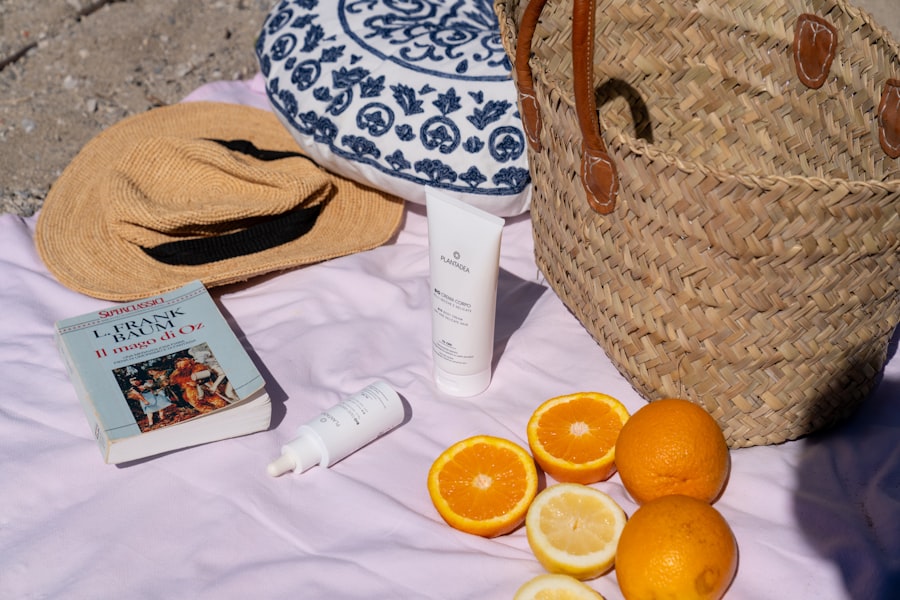
One common misconception is that a higher SPF rating guarantees significantly better protection from the sun. While it’s true that SPF (Sun Protection Factor) measures how well a sunscreen can protect your skin from UVB rays, the difference in protection between SPF 30 and SPF 50 is not as dramatic as many believe. SPF 30 blocks about 97% of UVB rays, while SPF 50 blocks approximately 98%.
This marginal difference means that simply opting for a higher SPF does not necessarily equate to double the protection. Moreover, many people mistakenly assume that they can stay in the sun longer if they use a higher SPF sunscreen. This is not the case; regardless of SPF, reapplication is key to maintaining effective protection.
It’s essential to apply sunscreen generously and evenly to all exposed skin and to reapply every two hours or immediately after swimming or sweating. Understanding this myth can help you make better choices when selecting sunscreen and applying it correctly.
Myth: You Don’t Need Sunscreen on Cloudy Days
Another prevalent myth is that sunscreen is unnecessary on cloudy days. Many people believe that overcast skies provide sufficient protection from UV rays, but this is far from the truth. Up to 80% of UV rays can penetrate through clouds, meaning that even on gray days, your skin is still at risk for damage.
This misconception can lead to unprotected sun exposure and increase the likelihood of skin issues over time. To protect your skin effectively, it’s important to apply sunscreen every day, regardless of the weather conditions. Even if you don’t see the sun shining brightly, UV rays are still present and can cause harm.
By making sunscreen a daily habit, you ensure that your skin remains protected no matter what the forecast looks like.
Myth: Darker Skin Doesn’t Need Sunscreen
| Myth | Fact | Metric/Impact |
|---|---|---|
| Sunscreens block 100% UVA rays | Most sunscreens block only a portion of UVA rays; broad-spectrum protection is necessary | Typical UVA protection ranges from 50% to 90% depending on SPF and formulation |
| Higher SPF means better UVA protection | SPF measures UVB protection, not UVA; UVA protection requires specific ingredients | SPF 30 blocks ~97% UVB but UVA protection varies widely |
| Dark skin does not need UVA protection | UVA rays penetrate all skin types and contribute to aging and skin cancer | UVA contributes to 95% of UV radiation reaching the earth’s surface |
| UVA protection is not necessary on cloudy days | UVA rays penetrate clouds and glass, causing skin damage even on cloudy days | Up to 80% of UVA rays can penetrate clouds |
| Once applied, sunscreen provides all-day UVA protection | Sunscreen effectiveness decreases over time and with sweating or swimming | Reapplication every 2 hours is recommended for continuous protection |
Many individuals with darker skin tones believe that they do not need to use sunscreen because they are less likely to burn. While it is true that melanin provides some natural protection against UV radiation, it does not eliminate the risk of skin damage or skin cancer. People with darker skin can still suffer from sunburns and other forms of skin damage caused by UV exposure.
In fact, studies have shown that individuals with darker skin often receive a later diagnosis of skin cancer because they may not recognize the signs as quickly. It’s essential for everyone, regardless of skin tone, to incorporate sunscreen into their skincare routine. The American Academy of Dermatology recommends using a broad-spectrum sunscreen with an SPF of at least 30 for all skin types.
By doing so, you are taking an important step in protecting your skin from harmful UV rays and reducing your risk of developing serious skin conditions in the future.
Myth: Sunscreen Is Only Necessary in the Summer

Another common misconception is that sunscreen is only necessary during the summer months when the sun is at its peak intensity. However, UV rays are present year-round, and their effects can be just as damaging in winter as they are in summer. Snow can reflect up to 80% of UV rays, increasing exposure during winter sports or activities in snowy environments.
To maintain healthy skin throughout the year, it’s crucial to apply sunscreen daily, regardless of the season. This habit will help protect your skin from cumulative sun damage over time and keep it looking youthful and radiant.
Remember that protecting your skin is a year-round commitment.
Myth: Once-A-Day Sunscreen Is Effective
Many people believe that applying sunscreen once in the morning is sufficient for all-day protection. This myth can lead to inadequate sun protection and increase the risk of sunburn and long-term skin damage. Sunscreen needs to be reapplied every two hours or immediately after swimming or sweating to maintain its effectiveness.
Factors such as water exposure, sweating, and even towel-drying can diminish the protective barrier that sunscreen provides. To ensure optimal protection, make it a habit to carry a travel-sized sunscreen with you so that you can reapply throughout the day easily. This practice will help you stay protected from harmful UV rays and keep your skin healthy and glowing.
Myth: Sunscreen Isn’t Necessary for Short Periods of Sun Exposure
Some individuals believe that short periods of sun exposure do not warrant the use of sunscreen. However, even brief moments in direct sunlight can lead to skin damage over time. The cumulative effect of sun exposure adds up, meaning that every minute spent unprotected contributes to potential harm.
Skin damage can occur within just 15 minutes of sun exposure, especially during peak hours when UV radiation is strongest. To protect your skin effectively, make it a habit to apply sunscreen even for short outings or quick trips outside. This simple step can significantly reduce your risk of developing sun-related skin issues in the long run.
Myth: Sunscreen Is Harmful to the Environment
Concerns about the environmental impact of certain sunscreens have led some people to believe that all sunscreens are harmful to marine life and ecosystems. While it’s true that some chemical ingredients found in certain sunscreens can be detrimental to coral reefs and aquatic environments, many brands now offer eco-friendly options formulated without harmful chemicals like oxybenzone and octinoxate. When choosing a sunscreen, look for reef-safe options that prioritize both your skin’s health and environmental sustainability.
By making informed choices about the products you use, you can enjoy sun protection while also being mindful of your impact on the planet.
The Truth About UVA Sunscreen
When selecting a sunscreen, it’s essential to choose one labeled as “broad-spectrum,” which means it protects against both UVA and UVB rays.
UVA rays can penetrate deeper into the skin and contribute to long-term damage such as aging and cancer risk.
To ensure comprehensive protection, look for sunscreens containing physical blockers like zinc oxide or titanium dioxide or those specifically formulated with ingredients designed to combat UVA rays effectively. Understanding this distinction will help you make better choices when it comes to protecting your skin from harmful UV exposure.
Tips for Effective Sunscreen Use
To maximize the effectiveness of your sunscreen application, follow these simple yet crucial tips: First, apply sunscreen generously at least 15 minutes before sun exposure to allow it to absorb properly into your skin. Use enough product—about one ounce (the size of a shot glass) for full-body coverage—and don’t forget often-overlooked areas like ears, feet, and behind the knees. Reapplication is key; remember to reapply every two hours or immediately after swimming or sweating for optimal protection.
Additionally, consider wearing protective clothing such as wide-brimmed hats and sunglasses alongside sunscreen for added defense against UV rays. By following these tips consistently, you can ensure that your skin remains protected from harmful sun exposure while enjoying outdoor activities safely. In conclusion, understanding the importance of sunscreen and debunking common myths surrounding its use is vital for maintaining healthy skin.
By incorporating effective sun protection into your daily routine and making informed choices about products, you can safeguard your skin against harmful UV rays year-round while enjoying all that life has to offer under the sun.
When it comes to understanding UVA protection in sunscreens, there are many myths that can lead to confusion about their effectiveness. For a deeper dive into these misconceptions, you can check out a related article that addresses common sunscreen myths and provides valuable insights. To learn more, visit this article for a comprehensive overview.
FAQs
What does UVA protection in sunscreen mean?
UVA protection refers to a sunscreen’s ability to shield the skin from UVA rays, which are long-wave ultraviolet rays that penetrate deep into the skin and contribute to premature aging and skin cancer.
Are all sunscreens effective against UVA rays?
Not all sunscreens provide adequate UVA protection. Broad-spectrum sunscreens are formulated to protect against both UVA and UVB rays, so it’s important to choose a product labeled as “broad-spectrum.”
Does a higher SPF number mean better UVA protection?
No, SPF primarily measures protection against UVB rays, which cause sunburn. UVA protection is not indicated by SPF and depends on the ingredients and formulation of the sunscreen.
Can I rely on sunscreen alone for UVA protection?
While sunscreen is essential, it should be used alongside other protective measures such as wearing hats, sunglasses, and seeking shade to effectively reduce UVA exposure.
Is it true that darker skin tones do not need UVA protection?
No, all skin tones can be damaged by UVA rays. Sunscreen with UVA protection is important for everyone to prevent skin damage and reduce the risk of skin cancer.
Do physical (mineral) sunscreens provide better UVA protection than chemical sunscreens?
Both physical (e.g., zinc oxide, titanium dioxide) and chemical sunscreens can provide effective UVA protection if they are broad-spectrum. The choice depends on personal preference and skin sensitivity.
Does applying sunscreen once a day provide full-day UVA protection?
No, sunscreen should be reapplied every two hours, or more often if swimming or sweating, to maintain effective UVA and UVB protection throughout the day.
Are there myths about sunscreen ingredients and UVA protection?
Yes, some myths suggest certain ingredients are harmful or ineffective, but broad-spectrum sunscreens approved by regulatory agencies are safe and effective for UVA protection when used correctly.