
Ultraviolet (UV) radiation from the sun poses significant risks to human skin, making sun protection a critical component of daily health practices. Sunscreen products fall into two primary categories: physical (mineral) and chemical formulations. Chemical sunscreens have become widely used due to their cosmetic properties, including lighter texture and transparent application upon absorption.
Chemical sunscreens function through organic UV-filtering compounds that absorb ultraviolet radiation and convert it to thermal energy, which dissipates from the skin surface. Common active ingredients include avobenzone, octinoxate, octisalate, octocrylene, homosalate, and oxybenzone. These compounds provide broad-spectrum protection against both UVA and UVB radiation when properly applied.
Recent scientific studies have examined the systemic absorption of chemical sunscreen ingredients through the skin. Research published by the FDA has demonstrated that certain chemical UV filters can be detected in blood plasma at levels exceeding the threshold that typically triggers further safety evaluation. This absorption occurs through dermal penetration, where active ingredients enter the bloodstream after topical application.
The extent of absorption varies based on multiple factors, including the specific chemical compound, concentration levels, application frequency, skin condition, and environmental factors such as heat and humidity. Studies indicate that repeated application over several days can lead to accumulating plasma concentrations of these ingredients. Current research continues to investigate the clinical significance of this systemic exposure and any potential long-term health implications.
Key Takeaways
- Chemical sunscreens absorb UV rays through active ingredients that penetrate the skin.
- There is ongoing debate about the extent and safety of chemical sunscreen absorption into the bloodstream.
- Research shows some chemical sunscreen ingredients can be detected in blood, but health impacts remain unclear.
- Factors like application amount, skin condition, and formulation influence absorption levels.
- Alternatives such as physical sunscreens and protective clothing can reduce reliance on chemical sunscreens.
How Chemical Sunscreen Absorption Works
When you apply chemical sunscreen to your skin, the active ingredients penetrate the outer layer and enter the epidermis. This absorption process is crucial for the sunscreen to effectively shield you from UV rays. The active ingredients, such as avobenzone, octisalate, and octocrylene, work by absorbing specific wavelengths of UV light.
As these compounds interact with UV radiation, they undergo a chemical reaction that transforms harmful rays into less damaging heat. The efficiency of absorption can vary based on several factors, including the formulation of the sunscreen and your skin type. For instance, sunscreens with a higher concentration of active ingredients may offer better protection but could also lead to increased absorption into your bloodstream.
Additionally, factors such as skin hydration and temperature can influence how well the sunscreen penetrates your skin. Understanding these dynamics can help you choose a product that not only protects you from sun damage but also aligns with your skin’s unique needs.
The Debate on Chemical Sunscreen Absorption
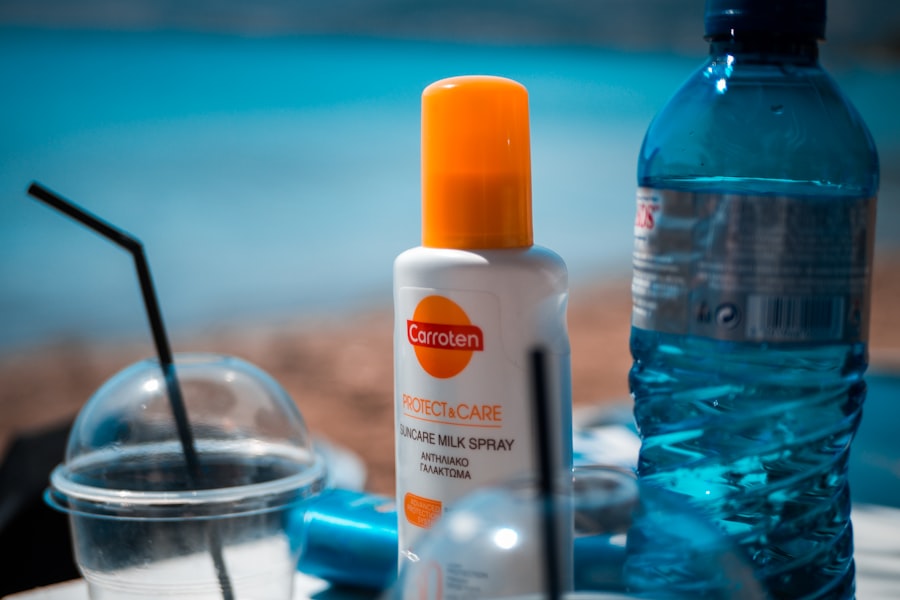
The conversation surrounding chemical sunscreen absorption is not without controversy. On one hand, many dermatologists and skincare experts advocate for the use of chemical sunscreens due to their effectiveness in preventing sunburn and reducing the risk of skin cancer. They argue that when used correctly—applied generously and reapplied regularly—these products provide essential protection against harmful UV rays.
Conversely, some researchers and health advocates raise concerns about the potential risks associated with chemical absorption. They point to studies suggesting that certain ingredients may disrupt hormonal balance or lead to other health issues when absorbed into the bloodstream. This debate has led to a growing demand for transparency in sunscreen formulations and a push for more research to understand the long-term effects of chemical sunscreen absorption on human health.
As you navigate this discussion, it’s important to weigh both sides and consider what aligns best with your personal health philosophy.
Research on the Impact of Chemical Sunscreen Absorption on Blood
Recent studies have shed light on how chemical sunscreens can be absorbed into your bloodstream. One notable study published in 2020 found that after just one application of a chemical sunscreen containing four active ingredients, participants showed measurable levels of these compounds in their blood within hours. This finding raised eyebrows in the scientific community and prompted further investigation into the implications of such absorption.
While the presence of these chemicals in your bloodstream does not automatically indicate harm, it does highlight the need for more comprehensive research.
S. Food and Drug Administration (FDA) have acknowledged these findings and are calling for additional studies to assess the safety of long-term exposure to these compounds.
As you consider your sunscreen options, staying informed about ongoing research can help you make choices that prioritize both effective sun protection and your overall well-being.
Potential Health Risks Associated with Chemical Sunscreen Absorption
| Study | Chemical Sunscreen Ingredient | Blood Absorption Level (ng/mL) | Time to Peak Concentration | Sample Size | Notes |
|---|---|---|---|---|---|
| Matta et al., 2019 (JAMA) | Avobenzone | 4.0 – 7.0 | 1-2 days | 24 | Repeated application over 4 days; levels exceeded FDA threshold |
| Matta et al., 2019 (JAMA) | Oxybenzone | 18.0 – 22.0 | 1-2 days | 24 | Highest systemic absorption among tested ingredients |
| Matta et al., 2019 (JAMA) | Octocrylene | 3.0 – 5.0 | 1-2 days | 24 | Moderate absorption detected |
| Matta et al., 2019 (JAMA) | Ecamsule | 0.5 – 1.0 | 1-2 days | 24 | Lowest absorption among tested ingredients |
| FDA 2020 Review | General Chemical Sunscreens | >0.5 (threshold) | Varies | Multiple studies | FDA recommends further safety studies due to systemic absorption |
The potential health risks associated with chemical sunscreen absorption are a topic of ongoing research and debate. Some studies suggest that certain ingredients may act as endocrine disruptors, potentially interfering with hormonal functions in your body. For instance, oxybenzone has been scrutinized for its ability to mimic estrogen, raising concerns about its impact on reproductive health.
Moreover, there are questions about how these chemicals might accumulate in your system over time. While occasional use may not pose significant risks, daily application could lead to higher concentrations in your bloodstream, warranting caution. As you evaluate the safety of chemical sunscreens, it’s essential to consider both the benefits of sun protection and any potential risks associated with prolonged exposure to certain ingredients.
Factors Affecting Chemical Sunscreen Absorption
Several factors can influence how effectively chemical sunscreens are absorbed into your skin. One primary factor is the formulation itself; sunscreens that contain alcohol or other solvents may enhance absorption by allowing active ingredients to penetrate more deeply. Additionally, the thickness of your skin can play a role; areas with thinner skin, such as around your eyes or on your chest, may absorb products more readily than thicker areas like your back.
Environmental conditions also affect absorption rates. For example, high temperatures or humidity can increase skin permeability, leading to greater absorption of sunscreen ingredients. Your individual skin type—whether oily, dry, or sensitive—can further influence how well a product is absorbed.
By understanding these factors, you can make more informed decisions about which sunscreens to use based on your lifestyle and skin characteristics.
Comparison of Chemical Sunscreen Absorption with Physical Sunscreen
When considering sun protection options, it’s essential to compare chemical sunscreens with their physical counterparts. Physical sunscreens contain mineral-based active ingredients like zinc oxide or titanium dioxide that work by sitting on top of your skin and reflecting UV rays away from your body. Unlike chemical sunscreens, physical formulations do not absorb into your bloodstream; instead, they create a barrier that protects against UV radiation.
This fundamental difference in how these two types of sunscreens function can influence your choice based on personal preferences and skin sensitivities. For instance, if you have sensitive skin or are concerned about potential absorption issues, you might lean towards physical sunscreens as a safer alternative. However, physical sunscreens can sometimes leave a white cast on the skin or feel heavier than chemical options.
Ultimately, understanding these distinctions allows you to select a product that meets both your aesthetic preferences and protective needs.
Regulatory Measures and Guidelines for Chemical Sunscreen Absorption
Regulatory bodies around the world are beginning to take a closer look at chemical sunscreen absorption and its implications for public health. In the United States, the FDA has proposed new guidelines aimed at ensuring the safety and efficacy of sunscreen products. These guidelines include recommendations for additional testing on the absorption rates of active ingredients and their potential effects on human health.
In Europe, similar regulatory measures are in place to evaluate the safety of sunscreen ingredients before they are approved for use in consumer products. These regulations aim to protect consumers while also encouraging manufacturers to provide transparent information about their formulations. As you choose sunscreens for yourself and your family, staying informed about regulatory updates can help you make safer choices aligned with current scientific understanding.
Tips for Minimizing Chemical Sunscreen Absorption
If you’re concerned about chemical sunscreen absorption but still want effective sun protection, there are several strategies you can employ to minimize potential risks while enjoying outdoor activities. First and foremost, consider opting for physical sunscreens that contain mineral-based ingredients; these formulations do not absorb into your bloodstream and provide broad-spectrum protection against UV rays. Additionally, applying sunscreen generously and reapplying it every two hours can help ensure that you’re adequately protected without needing to rely solely on chemical formulations.
You might also explore hybrid sunscreens that combine both physical and chemical filters for balanced protection while reducing overall absorption levels. Lastly, wearing protective clothing such as hats and long sleeves can further shield your skin from UV exposure without relying solely on topical products.
Alternative Sun Protection Methods to Chemical Sunscreen
While chemical sunscreens are popular for their ease of use and effectiveness, there are numerous alternative sun protection methods worth considering.
m. and 4 p.m.—to minimize direct exposure to harmful UV rays.
Additionally, wearing protective clothing made from tightly woven fabrics can provide an extra layer of defense against sun damage. Another option is utilizing accessories like wide-brimmed hats and UV-blocking sunglasses to protect sensitive areas such as your face and eyes from harmful rays. You might also consider dietary approaches; certain foods rich in antioxidants—such as berries, leafy greens, and nuts—can help bolster your skin’s natural defenses against UV damage from within.
By incorporating these alternative methods into your routine alongside or instead of chemical sunscreens, you can create a comprehensive sun protection strategy tailored to your lifestyle.
Conclusion and Recommendations for Chemical Sunscreen Absorption
In conclusion, understanding chemical sunscreen absorption is crucial for making informed decisions about sun protection that align with your health priorities and lifestyle choices. While chemical sunscreens offer effective protection against harmful UV rays, ongoing research continues to explore their potential impacts on human health through absorption into the bloodstream. As you navigate this complex landscape, consider opting for physical sunscreens if you’re concerned about absorption or have sensitive skin.
Stay informed about regulatory updates regarding sunscreen safety and efficacy while exploring alternative sun protection methods that complement topical applications. Ultimately, prioritizing sun safety while being mindful of ingredient choices will empower you to enjoy outdoor activities confidently while safeguarding your skin’s health for years to come.
Recent studies have raised concerns about the absorption of chemical sunscreens into the bloodstream, prompting a closer examination of their safety and efficacy. For a deeper understanding of this topic, you can read more in the article available at this link. This article discusses the implications of sunscreen ingredients and their potential effects on human health, providing valuable insights for consumers and researchers alike.
FAQs
What is chemical sunscreen absorption in the blood?
Chemical sunscreen absorption in the blood refers to the process by which active ingredients in chemical sunscreens penetrate the skin and enter the bloodstream after topical application.
Which ingredients in chemical sunscreens are known to be absorbed into the blood?
Common chemical sunscreen ingredients that have been detected in the bloodstream include oxybenzone, avobenzone, octocrylene, and homosalate.
Is the absorption of chemical sunscreen ingredients into the blood harmful?
Current research has not conclusively shown that the absorption of chemical sunscreen ingredients into the blood causes harm. Regulatory agencies continue to evaluate safety data, and sunscreens remain recommended for skin cancer prevention.
How quickly do chemical sunscreen ingredients enter the bloodstream?
Studies have shown that some chemical sunscreen ingredients can be detected in the blood within hours of application, with levels peaking within 24 hours.
Does blood absorption mean chemical sunscreens are unsafe to use?
No. The detection of sunscreen ingredients in the blood does not automatically indicate a health risk. Sunscreens are tested for safety, and their benefits in protecting against UV damage and skin cancer outweigh potential risks.
Are there alternatives to chemical sunscreens that do not absorb into the blood?
Yes. Mineral sunscreens containing zinc oxide or titanium dioxide act as physical blockers and are generally not absorbed into the bloodstream.
What do regulatory agencies say about chemical sunscreen absorption?
Agencies like the FDA acknowledge that some chemical sunscreen ingredients can be absorbed but emphasize that more research is needed to determine the clinical significance. They continue to recommend sunscreen use for UV protection.
Can absorption be reduced by changing how sunscreen is applied?
Applying sunscreen as directed, avoiding excessive amounts, and reapplying after swimming or sweating can help minimize absorption while maintaining effective sun protection.
Should people be concerned about chemical sunscreen absorption during daily use?
For most people, the benefits of using sunscreen to prevent sunburn and skin cancer outweigh concerns about absorption. If worried, individuals can choose mineral-based sunscreens or consult a healthcare professional.