
Sunscreen is essential for skin health as it provides a protective barrier against the sun’s harmful ultraviolet (UV) rays. These rays can cause skin damage, premature aging, and increase the risk of skin cancer. Regular sunscreen application safeguards the skin and promotes long-term health.
The sun emits two types of UV rays: UVA rays, which penetrate deep into the skin causing aging and wrinkles, and UVB rays, which primarily cause sunburn. Both types increase the risk of skin cancer. The benefits of sunscreen extend beyond protection from sunburn.
Regular use helps maintain an even skin tone and prevents dark spots caused by sun exposure. Even on cloudy days, up to 80% of UV rays can still reach the skin, making daily application necessary regardless of weather conditions. Incorporating sunscreen into a daily skincare routine is a proactive measure for preserving skin’s youthful appearance and overall health.
Key Takeaways
- Proper sunscreen application is essential for effective sun protection and skin health.
- Use the right amount of sunscreen, typically about one ounce for full body coverage.
- Apply sunscreen evenly to all exposed areas, including often-missed spots like ears and feet.
- Reapply sunscreen every two hours and after swimming or sweating to maintain protection.
- Choose sunscreen based on your skin type and activity, and avoid common mistakes like insufficient application or skipping reapplication.
Determining the Correct Amount of Sunscreen to Use
When it comes to sunscreen application, one of the most common questions is: how much should you use? The general guideline is to apply about one ounce, or a shot glass full, to cover your entire body adequately. This amount ensures that you are providing sufficient protection against harmful UV rays.
However, many people tend to underestimate the amount needed, leading to inadequate coverage and reduced effectiveness. To achieve optimal protection, it’s essential to measure out the right amount and apply it generously. In addition to the quantity, consider the areas you might overlook.
You may be diligent about applying sunscreen to your arms and legs but forget about your ears, neck, and the tops of your feet. These areas are just as susceptible to sun damage and should not be neglected. By ensuring that you use the correct amount and cover all exposed skin, you can significantly enhance your protection against the sun’s harmful effects.
Applying Sunscreen to Different Parts of the Body
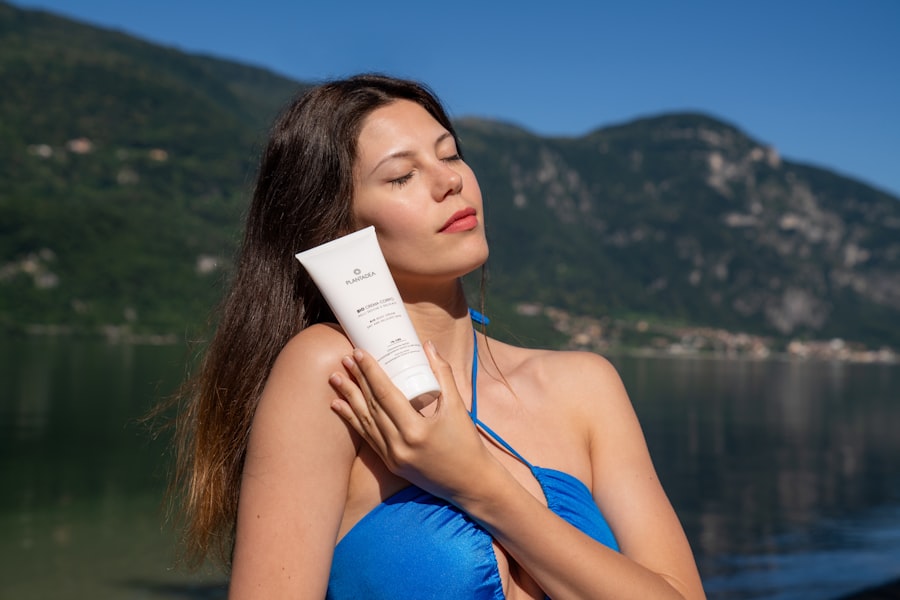
Applying sunscreen effectively requires attention to detail, especially when it comes to different parts of your body. Each area has unique characteristics that may require specific techniques for optimal coverage. For instance, when applying sunscreen to your face, you should use a gentle touch and avoid getting it too close to your eyes.
Instead, focus on applying it evenly across your forehead, cheeks, nose, and chin. Remember that the skin on your face is often more sensitive than other areas, so a lighter hand is advisable. When it comes to larger areas like your back or legs, you might find it helpful to enlist a friend or family member for assistance.
These areas can be challenging to reach on your own, and having someone else apply sunscreen ensures that you achieve even coverage without missing any spots. Additionally, don’t forget about commonly overlooked areas such as the back of your hands and the tops of your feet. These regions are frequently exposed to sunlight but often neglected during application.
Tips for Applying Sunscreen to the Face
Applying sunscreen to your face requires a bit more finesse than other body parts due to its delicate nature.
When applying, use a dime-sized amount and gently massage it into your skin using upward circular motions.
This technique not only helps with absorption but also promotes circulation in your facial muscles. Another important tip is to allow the sunscreen to absorb fully before applying makeup or other skincare products. This waiting period ensures that you receive maximum protection without interference from other products.
If you wear makeup daily, consider using a tinted sunscreen or a mineral powder with SPF as part of your routine. This way, you can achieve both sun protection and a polished look without compromising on either.
The Importance of Reapplying Sunscreen Throughout the Day
| Body Area | Recommended Amount (mg/cm²) | Approximate Volume (mL) | Application Tips |
|---|---|---|---|
| Face and Neck | 2 mg/cm² | 0.5 mL | Use a nickel-sized dollop; apply evenly and gently pat |
| Arms (both) | 2 mg/cm² | 1.0 mL | Apply in sections; cover front and back thoroughly |
| Legs (both) | 2 mg/cm² | 2.0 mL | Use long strokes; ensure coverage on knees and feet |
| Torso (front and back) | 2 mg/cm² | 1.5 mL | Apply evenly; don’t forget sides and lower back |
| Hands and Feet | 2 mg/cm² | 0.5 mL | Include between fingers and toes; reapply after washing |
One of the most critical aspects of effective sun protection is reapplication. You may apply sunscreen diligently in the morning, but its effectiveness diminishes over time due to factors like sweating, swimming, or simply wearing off as you go about your day. To maintain optimal protection, it’s essential to reapply every two hours or immediately after swimming or excessive sweating.
This practice ensures that your skin remains shielded from harmful UV rays throughout the day. You might find it helpful to set reminders on your phone or keep a travel-sized sunscreen in your bag for easy access. Many people overlook reapplication because they believe their initial application is sufficient; however, this misconception can lead to increased risk of sunburn and skin damage.
By making reapplication a habit, you can enjoy outdoor activities with peace of mind knowing that your skin is well-protected.
Choosing the Right SPF for Your Skin Type
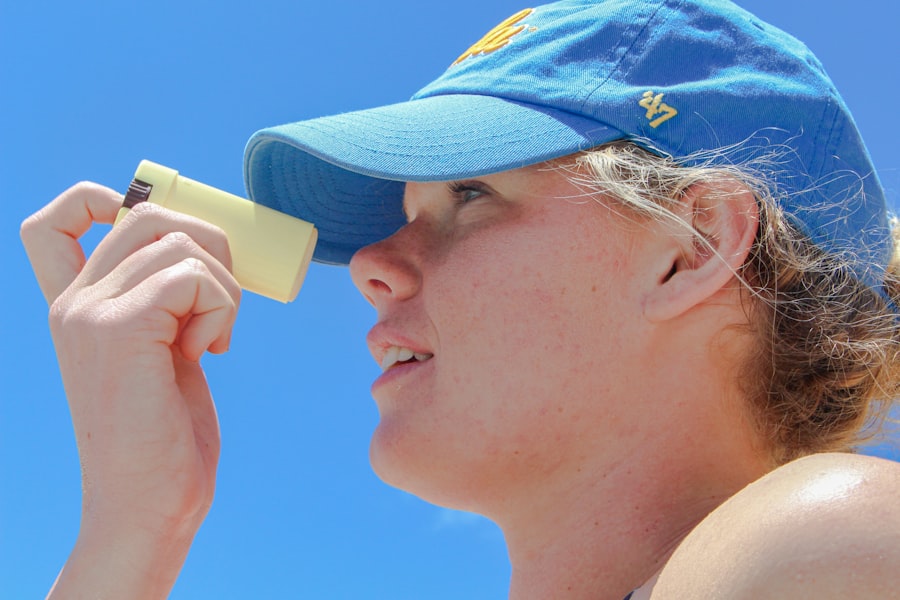
Selecting the appropriate SPF (Sun Protection Factor) is crucial for effective sun protection tailored to your skin type. If you have fair skin that burns easily, opt for a broad-spectrum sunscreen with an SPF of 30 or higher. This level provides adequate protection against both UVA and UVB rays while minimizing the risk of sunburn and long-term damage.
On the other hand, if you have darker skin that tans easily, you may feel comfortable using a lower SPF; however, it’s still essential to choose at least SPF 15 for adequate protection. Additionally, consider any specific skin concerns you may have when selecting a sunscreen. For example, if you have acne-prone skin, look for non-comedogenic formulas that won’t clog pores.
If you have sensitive skin or conditions like rosacea or eczema, opt for mineral-based sunscreens containing zinc oxide or titanium dioxide as they are less likely to irritate your skin. By choosing the right SPF tailored to your unique needs, you can ensure effective sun protection while addressing any specific concerns.
With various types of sunscreens available on the market today, understanding their differences can help you make an informed choice based on your preferences and lifestyle. Lotions are perhaps the most common form; they provide excellent coverage and are easy to apply evenly across larger areas of skin. However, if you’re looking for convenience and portability, spray sunscreens might be more appealing.
They allow for quick application and are particularly useful for reapplying throughout the day. Stick sunscreens offer another alternative; they are compact and easy to carry around in your bag or pocket. They work well for targeted areas like the face or ears but may require more effort to cover larger areas adequately.
Gel formulations are also gaining popularity due to their lightweight texture and quick absorption; they are especially suitable for those with oily skin types who prefer a non-greasy finish. By understanding these different types of sunscreens, you can choose one that best fits your lifestyle while ensuring effective sun protection.
How to Ensure Even Coverage When Applying Sunscreen
Achieving even coverage when applying sunscreen is essential for maximizing its effectiveness. Start by dividing your body into sections—arms, legs, torso—and apply sunscreen systematically to each area before blending it in thoroughly. This method helps ensure that no spots are missed during application.
Use a generous amount for each section; remember that underapplying can lead to inadequate protection. To further enhance even coverage, consider using a technique called “the two-finger rule.” This method involves dispensing two lines of sunscreen onto two fingers—one line for each arm or leg—and then spreading it evenly across the designated area. This approach not only helps with measuring but also encourages thorough application across all exposed skin surfaces.
The Best Time to Apply Sunscreen Before Sun Exposure
Timing plays a crucial role in effective sunscreen application. Ideally, you should apply sunscreen at least 15-30 minutes before heading outdoors. This waiting period allows the active ingredients in the sunscreen to bind effectively with your skin and create a protective barrier against UV rays.
If you wait until you’re already outside in direct sunlight, you may not receive full protection during those critical first moments of exposure. In addition to pre-application timing, consider incorporating sunscreen into your morning routine as part of your skincare regimen. By making it a habit to apply sunscreen before leaving home each day—regardless of whether you’re spending time outdoors—you can ensure consistent protection against harmful UV rays.
How to Apply Sunscreen to Children and Infants
When it comes to protecting children and infants from sun exposure, special care is required due to their sensitive skin. For infants under six months old, it’s best to keep them out of direct sunlight altogether; instead, dress them in protective clothing and use hats with brims for added shade. If necessary, consult with a pediatrician regarding suitable sunscreens for young children.
For older children who can tolerate sunscreen application better, choose products specifically formulated for kids—these often feature gentler ingredients designed for sensitive skin types. When applying sunscreen on children, make it a fun activity by allowing them to help with application or choosing colorful bottles that catch their attention. Remember always to cover commonly overlooked areas such as ears and feet while ensuring even distribution across all exposed skin surfaces.
Common Mistakes to Avoid When Applying Sunscreen
Even with good intentions, many people make common mistakes when applying sunscreen that can compromise its effectiveness. One prevalent error is failing to apply enough product; as mentioned earlier, using less than the recommended amount significantly reduces protection levels against harmful UV rays. Always measure out an adequate amount based on body size and ensure thorough coverage across all exposed areas.
Another mistake is neglecting reapplication throughout the day—especially after swimming or sweating—leading individuals into a false sense of security regarding their sun protection status. Additionally, some people mistakenly believe that makeup containing SPF provides sufficient protection; while it helps supplement sun defense efforts, it should not replace dedicated sunscreen application underneath makeup layers. By being aware of these common pitfalls and taking proactive steps toward proper application techniques—such as measuring amounts accurately and setting reminders for reapplication—you can significantly enhance your overall sun safety practices while enjoying outdoor activities without worry!
When it comes to effective sunscreen application, understanding the correct dosage and technique is crucial for optimal protection against harmful UV rays. For a detailed guide on how to apply sunscreen properly, you can refer to this informative article on the subject.
Check it out here: Sunscreen Application Techniques.
FAQs
What is the correct amount of sunscreen to apply?
The recommended amount of sunscreen to apply is about one ounce (approximately a shot glass full) to cover the entire body. For the face alone, use about a nickel-sized dollop.
When should I apply sunscreen?
Sunscreen should be applied 15 to 30 minutes before sun exposure to allow it to absorb into the skin effectively.
How often should sunscreen be reapplied?
Sunscreen should be reapplied every two hours, or immediately after swimming, sweating, or towel drying.
What is the best technique for applying sunscreen?
Apply sunscreen evenly to all exposed skin, including often-missed areas like ears, back of the neck, and tops of feet. Use gentle, circular motions to ensure full coverage.
Does the SPF number affect how much sunscreen I should use?
No, regardless of SPF, the amount applied should be consistent to ensure adequate protection. Higher SPF provides longer protection but does not reduce the amount needed.
Can I apply sunscreen over makeup?
It is best to apply sunscreen before makeup. For reapplication during the day, use a powder or spray sunscreen designed for use over makeup.
Is sunscreen necessary on cloudy days?
Yes, UV rays can penetrate clouds, so sunscreen should be applied even on overcast days.
Should I use sunscreen if I have darker skin?
Yes, all skin tones can be damaged by UV rays and should use sunscreen to protect against sunburn and skin cancer.
What types of sunscreen are recommended?
Broad-spectrum sunscreens that protect against both UVA and UVB rays with an SPF of 30 or higher are recommended.
Can I rely on sunscreen alone for sun protection?
No, sunscreen should be used in combination with other protective measures such as wearing hats, sunglasses, and seeking shade.