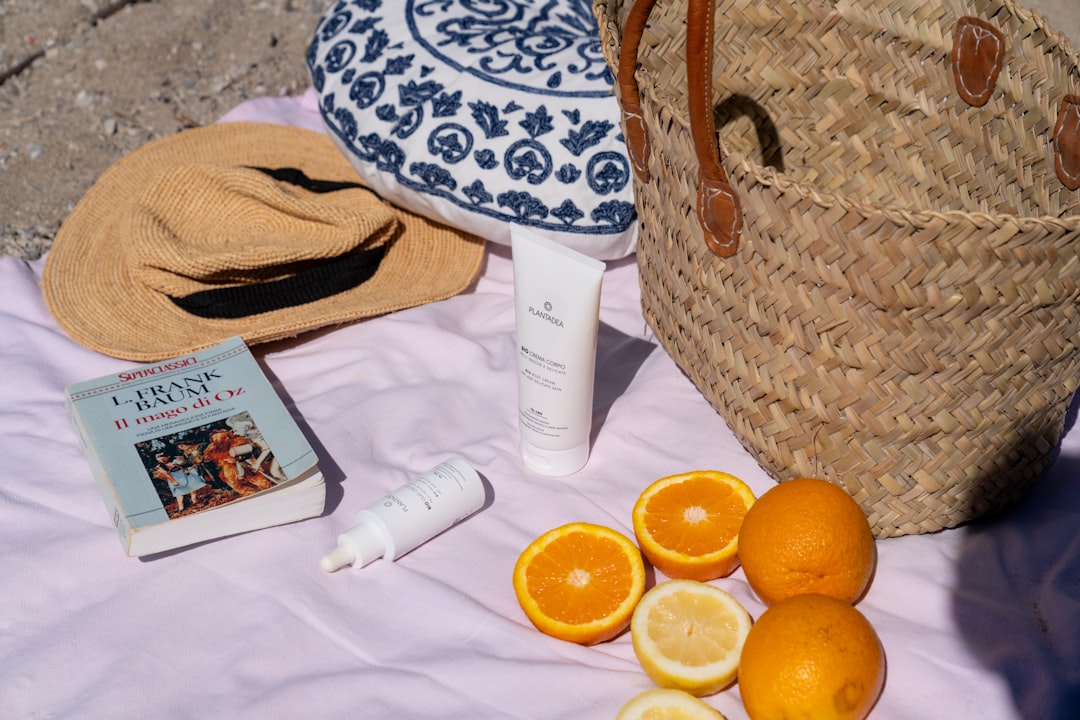
Effective sun protection requires applying adequate amounts of sunscreen, yet most people significantly underestimate the necessary quantity. Research indicates that individuals typically apply only 25% of the recommended amount, resulting in insufficient UV protection and increased risk of sunburn, premature skin aging, and skin cancer. The standard recommendation for adults is one ounce (approximately 30 milliliters) of sunscreen to cover the entire body – equivalent to filling a shot glass.
This quantity accounts for the skin being the body’s largest organ and ensures comprehensive coverage. Application amounts should be adjusted based on body area size, with the face and neck requiring less product than larger areas like arms and legs, while still maintaining thorough coverage. Proper sunscreen application involves using sufficient quantities to create an effective barrier against harmful UV radiation.
Understanding and following these dosage guidelines is fundamental to maintaining adequate sun protection and preventing UV-related skin damage.
Key Takeaways
- Proper sunscreen application dose is crucial for effective sun protection.
- Selecting sunscreen based on your skin type enhances its effectiveness.
- Applying the correct amount ensures maximum SPF protection.
- Regular reapplication throughout the day maintains sun defense.
- Combining sunscreen with other sun protection methods offers comprehensive coverage.
Choosing the Right Sunscreen for Your Skin Type
Selecting the right sunscreen is a critical step in your skincare routine, and it largely depends on your skin type. If you have oily or acne-prone skin, you might want to opt for a lightweight, oil-free formula that won’t clog your pores. Look for sunscreens labeled as “non-comedogenic,” which means they are specifically designed not to cause breakouts.
On the other hand, if your skin is dry or sensitive, a moisturizing sunscreen with added hydrating ingredients can help keep your skin nourished while providing sun protection. Additionally, consider whether you prefer a chemical or physical (mineral) sunscreen. Chemical sunscreens absorb UV rays and convert them into heat, while physical sunscreens contain active mineral ingredients like zinc oxide or titanium dioxide that sit on top of the skin and reflect UV rays.
If you have sensitive skin or conditions like rosacea or eczema, a physical sunscreen may be more suitable for you. By understanding your skin type and its specific needs, you can choose a sunscreen that not only protects but also enhances your overall skin health.
The Correct Amount of Sunscreen to Apply for Maximum Protection

To achieve maximum protection from your sunscreen, it’s essential to apply the correct amount. As mentioned earlier, one ounce is generally recommended for full-body coverage. However, many people fall short of this guideline.
To ensure you’re applying enough, consider using a measuring tool like a shot glass or even a dedicated sunscreen applicator that dispenses the right amount. This can help you visualize how much product you should be using and encourage you to apply more liberally. When applying sunscreen, don’t forget to cover all exposed areas of your body, including often-overlooked spots like the tops of your ears, the back of your neck, and even your feet if they will be exposed.
It’s easy to miss these areas in a rush, but they are just as susceptible to sun damage as the rest of your skin. By being diligent about the amount you apply and ensuring that every inch of exposed skin is protected, you can significantly reduce your risk of sunburn and long-term skin damage.
Tips for Applying Sunscreen to Your Face
Applying sunscreen to your face requires a slightly different approach than applying it to the rest of your body. Start by using a nickel-sized amount for your face alone; this should be enough to cover your forehead, cheeks, nose, and chin adequately. To ensure even distribution, dot the sunscreen on various parts of your face before gently rubbing it in with upward strokes.
This technique not only helps with even coverage but also promotes circulation in your skin. If you’re wearing makeup, consider using a sunscreen that doubles as a primer or a tinted moisturizer with SPF. This way, you can seamlessly integrate sun protection into your daily routine without feeling like you’re layering too many products.
Additionally, if you’re concerned about white cast or greasiness, look for lightweight formulas that absorb quickly into the skin. Remember that even if you’re indoors or it’s cloudy outside, applying sunscreen to your face every day is essential for protecting against UV rays that can penetrate windows.
Ensuring Even Coverage on Your Body
| Study | Application Dose (mg/cm²) | Recommended Dose (2 mg/cm²) | Compliance Rate (%) | SPF Achieved | Notes |
|---|---|---|---|---|---|
| Study A (2020) | 1.0 | 50% | 40% | SPF 15 (Recommended SPF 30) | Under-application reduces protection by half |
| Study B (2019) | 1.5 | 75% | 60% | SPF 22 | Partial compliance improves protection |
| Study C (2021) | 0.8 | 40% | 35% | SPF 12 | Low dose leads to significant SPF drop |
| Study D (2018) | 2.0 | 100% | 85% | SPF 30 | Full compliance with recommended dose |
| Study E (2022) | 1.2 | 60% | 50% | SPF 18 | Moderate under-application common |
Achieving even coverage on your body can be challenging but is vital for effective sun protection. Start by applying sunscreen in sections rather than trying to cover your entire body at once. For example, begin with one arm and work your way down to ensure that every inch is covered before moving on to another area.
This method allows you to focus on each section and reduces the likelihood of missing spots. Another helpful tip is to use a broad-spectrum sunscreen with an SPF of at least 30 and apply it at least 15 minutes before sun exposure. This gives the product time to absorb into your skin and start working effectively.
When applying sunscreen to larger areas like your back or legs, consider enlisting a friend or family member to help ensure that no spots are missed.
Reapplying Sunscreen Throughout the Day

Reapplication is a crucial aspect of effective sun protection that many people overlook. Sunscreen can wear off due to sweating, swimming, or simply through daily activities.
Carrying a travel-sized sunscreen in your bag can make this process more convenient and encourage you to stay consistent throughout the day. If you’re wearing makeup, consider using a powder sunscreen or a setting spray with SPF for easy reapplication without disturbing your makeup. These products are designed specifically for touch-ups and can help you maintain sun protection without feeling greasy or heavy on your skin.
By making reapplication a part of your daily routine, you can ensure that you’re consistently protected from harmful UV rays.
Using Sunscreen in Combination with Other Sun Protection Methods
While sunscreen is an essential component of sun protection, it should not be your only line of defense against UV rays. Combining sunscreen with other protective measures can significantly enhance your overall safety in the sun. Wearing protective clothing such as long sleeves, wide-brimmed hats, and UV-blocking sunglasses can provide additional barriers against harmful rays.
Additionally, seeking shade during peak sun hours—typically between 10 AM and 4 PM—can further reduce your risk of sun exposure. If you’re planning outdoor activities during these hours, try to find shaded areas or bring an umbrella for extra protection. By integrating multiple sun protection methods into your routine, you can create a comprehensive strategy that keeps your skin safe from damage.
Understanding the Role of SPF in Sunscreen Protection
Sun Protection Factor (SPF) is a critical aspect of sunscreen that indicates its effectiveness against UVB rays—the primary cause of sunburn and skin cancer. The SPF number represents how long it would take for UVB rays to redden your skin when using the product compared to how long it would take without any protection at all. For example, if you typically burn after 10 minutes in the sun without protection, an SPF 30 sunscreen would theoretically allow you to stay in the sun for 30 times longer—about 300 minutes—before burning.
However, it’s important to note that no sunscreen can provide 100% protection from UV rays. An SPF 30 blocks approximately 97% of UVB rays, while SPF 50 blocks about 98%. Therefore, while higher SPF numbers offer slightly more protection, they should not lead you to believe that you can stay in the sun indefinitely without reapplying or taking other precautions.
Understanding SPF helps you make informed choices about which products are best suited for your needs.
The Importance of Sunscreen Application in Different Weather Conditions
Many people mistakenly believe that sunscreen is only necessary on sunny days; however, this couldn’t be further from the truth. UV rays can penetrate clouds and still cause damage even when it’s overcast or rainy outside. In fact, up to 80% of UV rays can reach your skin on cloudy days.
Therefore, regardless of the weather conditions, it’s essential to apply sunscreen daily as part of your skincare routine. Additionally, if you’re engaging in winter sports or spending time near reflective surfaces like water or snow, UV exposure can be even more intense due to reflection. In these situations, it’s crucial to apply a broad-spectrum sunscreen with adequate SPF before heading outdoors.
By recognizing that UV rays are present year-round and in various weather conditions, you can better protect yourself from potential harm.
How to Apply Sunscreen to Sensitive Areas
Certain areas of your body require special attention when applying sunscreen due to their sensitivity and susceptibility to sun damage. The face is often the most obvious area needing careful application; however, other sensitive spots include the ears, neck, and tops of the feet. For these areas, consider using a mineral-based sunscreen with zinc oxide or titanium dioxide as they tend to be gentler on sensitive skin.
When applying sunscreen to sensitive areas like around the eyes or on broken skin, use gentle dabbing motions rather than rubbing vigorously. This minimizes irritation while ensuring adequate coverage. Additionally, consider using products specifically formulated for sensitive skin types; these often contain fewer irritating ingredients and are less likely to cause reactions.
The Benefits of Using Sunscreen Every Day
Incorporating daily sunscreen use into your skincare routine offers numerous benefits beyond just protecting against sunburns. Regular application can help prevent premature aging signs such as fine lines and wrinkles caused by UV exposure over time. Moreover, consistent use of sunscreen has been linked to a lower risk of developing certain types of skin cancer.
Using sunscreen daily also promotes an even skin tone by preventing hyperpigmentation caused by sun exposure. Many modern formulations include additional skincare benefits such as antioxidants and moisturizing agents that nourish your skin while providing protection. By making sunscreen an integral part of your daily regimen—regardless of whether you’re spending time outdoors—you can enjoy healthier skin now and in the future.
In conclusion, understanding how to effectively use sunscreen is vital for maintaining healthy skin throughout your life. From choosing the right product based on your skin type to ensuring proper application techniques and reapplication schedules, every step plays a crucial role in protecting yourself from harmful UV rays. By prioritizing these practices daily—regardless of weather conditions—you can significantly reduce your risk of sun damage while enjoying all the benefits that come with healthy skin.
Sunscreen compliance is crucial for effective sun protection, and one important aspect is the application dose. A related article that delves into this topic can be found at this link. It discusses the significance of applying the correct amount of sunscreen to ensure optimal protection against harmful UV rays.
FAQs
What is sunscreen compliance under application dose?
Sunscreen compliance under application dose refers to how consistently and correctly individuals apply sunscreen in the recommended amount to achieve effective sun protection.
Why is the application dose important for sunscreen effectiveness?
The application dose is crucial because applying less than the recommended amount reduces the sunscreen’s ability to protect against UV radiation, leading to increased risk of sunburn and skin damage.
What is the recommended amount of sunscreen to apply?
Experts recommend applying approximately 2 milligrams of sunscreen per square centimeter of skin, which typically translates to about one ounce (a shot glass full) to cover the entire body.
Do most people apply enough sunscreen?
Studies show that many people apply significantly less sunscreen than recommended, often only 25-50% of the ideal amount, which compromises the product’s effectiveness.
How does under-application affect the Sun Protection Factor (SPF)?
Applying less sunscreen than the recommended dose lowers the effective SPF, meaning the skin receives less protection than indicated on the product label.
What factors influence sunscreen compliance under application dose?
Factors include lack of awareness about the correct amount, inconvenience, skin feel or texture of the product, forgetfulness, and misconceptions about sun exposure risk.
How can individuals improve their sunscreen application compliance?
To improve compliance, individuals should be educated on the correct amount to apply, encouraged to reapply every two hours or after swimming/sweating, and choose sunscreens that feel comfortable on their skin.
Is sunscreen application dose the same for all body parts?
While the recommended dose is consistent, some body parts may require more attention due to higher exposure or difficulty in application, such as the face, ears, and back of the neck.
Can sunscreen compliance be measured objectively?
Yes, compliance can be assessed through methods like weighing sunscreen bottles before and after use, using UV-sensitive cameras, or self-reported application logs, though each has limitations.
What role do healthcare professionals play in sunscreen compliance?
Healthcare professionals can educate patients on proper sunscreen use, demonstrate correct application techniques, and emphasize the importance of adequate dosing for effective sun protection.