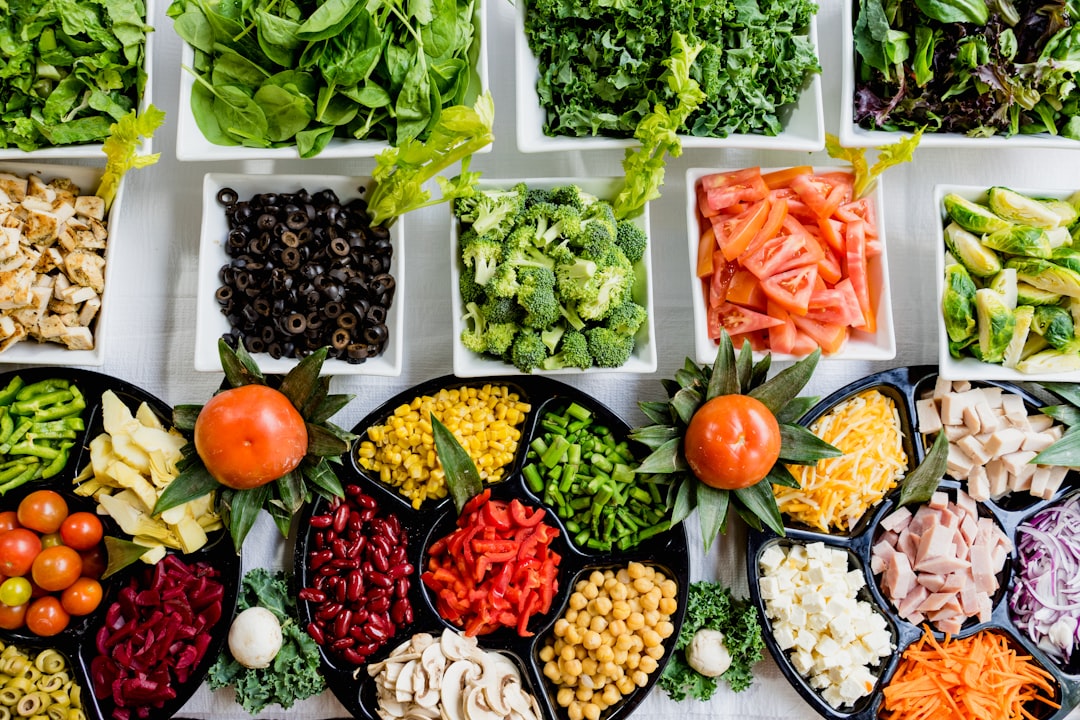
Agricultural production methods can be classified into two primary categories: organic and conventional farming systems. Organic farming prioritizes sustainability, biodiversity conservation, and natural cultivation processes. This approach prohibits the use of synthetic fertilizers, pesticides, and genetically modified organisms (GMOs), instead implementing practices such as crop rotation, composting, and biological pest management.
Organic farming systems aim to establish balanced ecosystems that enhance soil health while minimizing environmental impact.
This system typically achieves higher crop yields and operational efficiency, enabling farmers to produce substantial food quantities to satisfy global demand.
However, conventional farming practices can result in soil degradation, water contamination, and dependency on chemical inputs, which may have long-term consequences for human health and environmental sustainability. Understanding these fundamental distinctions is essential for comprehending contemporary food production systems.
Key Takeaways
- Organic farming typically avoids synthetic chemicals, while conventional farming often uses them for pest and weed control.
- Organic foods generally have lower pesticide residues but may not always have significantly higher nutrient levels than conventional foods.
- Organic farming practices tend to have a lower environmental impact, promoting soil health and biodiversity.
- Organic products usually cost more than conventional ones, affecting accessibility for some consumers.
- Consumer trust in organic foods is influenced by perceptions of health benefits, environmental impact, and animal welfare standards.
Nutritional Differences Between Organic and Conventional Foods
As you ponder the nutritional value of the foods you consume, the debate between organic and conventional options often arises. Research has shown that organic foods may contain higher levels of certain nutrients, such as antioxidants and vitamins. These compounds are believed to be a result of the natural growing conditions that organic farming promotes.
When you choose organic produce, you might be opting for fruits and vegetables that have been cultivated without synthetic fertilizers, which can enhance their nutritional profile. Conversely, conventional foods are often produced with the aid of chemical fertilizers that can lead to rapid growth but may not necessarily enhance nutritional content. While conventional produce can still be nutritious, you may find that the methods used in organic farming contribute to a richer flavor and potentially higher nutrient density.
As you weigh your options, consider how these differences in nutritional value might influence your overall health and well-being.
Pesticide and Chemical Residue Levels in Organic vs Conventional Foods

One of the most significant concerns surrounding food production is the presence of pesticide and chemical residues. When you choose organic foods, you can generally expect lower levels of these substances due to the strict regulations governing organic farming practices. Organic farmers are prohibited from using synthetic pesticides, which means that the produce you consume is less likely to carry harmful chemical residues.
This aspect can provide peace of mind as you strive to make healthier choices for yourself and your family. In contrast, conventional farming often involves the application of various pesticides to protect crops from pests and diseases. While these chemicals are regulated for safety, residues can still remain on the food you eat.
As you consider your options, it’s essential to weigh the potential risks associated with consuming conventionally grown produce against the benefits of choosing organic alternatives. Understanding these residue levels can empower you to make informed decisions about what ends up on your plate.
Environmental Impact of Organic and Conventional Farming
The environmental implications of farming methods are a critical aspect of the organic versus conventional debate. Organic farming practices tend to prioritize ecological balance and sustainability. By avoiding synthetic chemicals and promoting biodiversity, organic farmers contribute to healthier ecosystems.
When you support organic agriculture, you are also supporting practices that enhance soil fertility, conserve water, and reduce pollution from agricultural runoff. Conversely, conventional farming methods can lead to significant environmental challenges. The heavy use of chemical fertilizers and pesticides can result in soil degradation and water contamination.
Additionally, monoculture practices—growing a single crop over large areas—can diminish biodiversity and disrupt local ecosystems.
Cost Comparison of Organic and Conventional Foods
| Metric | Organic Food | Conventional Food |
|---|---|---|
| Pesticide Residue | Lower levels, often undetectable | Higher levels, detectable residues common |
| Use of Synthetic Chemicals | Prohibited | Allowed and commonly used |
| Environmental Impact | Generally lower, promotes biodiversity and soil health | Higher, can lead to soil degradation and pollution |
| Nutrition Content | Some studies show slightly higher antioxidants and vitamins | Varies, generally comparable to organic |
| Cost | Higher | Lower |
| Yield per Acre | Typically lower | Typically higher |
| Use of Genetically Modified Organisms (GMOs) | Not allowed | Allowed |
| Antibiotic Use in Animal Products | Prohibited | Commonly used |
When it comes to budgeting for groceries, the cost difference between organic and conventional foods is often a significant factor in your decision-making process. Organic products typically come with a higher price tag due to more labor-intensive farming practices and lower yields compared to conventional methods. As you navigate this cost disparity, it’s essential to consider what factors contribute to these prices.
Organic farmers often invest in sustainable practices that may not yield immediate financial returns but benefit the environment in the long run. However, while organic foods may be more expensive upfront, many consumers argue that the long-term health benefits justify the investment. You might find that choosing organic options can lead to fewer health issues related to pesticide exposure or poor nutrition, ultimately saving money on healthcare costs down the line.
As you evaluate your grocery budget, think about how much value you place on quality versus quantity when it comes to your food choices.
Animal Welfare Standards in Organic vs Conventional Farming

Animal welfare is another critical consideration in the discussion of organic versus conventional farming methods. Organic standards typically require that animals are raised in more humane conditions, with access to outdoor spaces and a diet free from antibiotics and growth hormones. When you choose organic animal products, such as meat or dairy, you are often supporting practices that prioritize animal well-being and ethical treatment.
In contrast, conventional farming practices can vary widely in terms of animal welfare standards. Many conventional farms operate under intensive systems that may prioritize efficiency over animal comfort. This can lead to overcrowded living conditions and limited access to outdoor environments for livestock.
As you reflect on your values regarding animal welfare, consider how your food choices align with your beliefs about ethical treatment in agriculture.
Genetic Modification and Organic vs Conventional Foods
The topic of genetic modification (GM) adds another layer of complexity to the organic versus conventional food debate. Organic farming prohibits the use of genetically modified organisms (GMOs), which means that when you choose organic products, you are opting for foods that have not been altered at a genetic level. This aspect appeals to many consumers who are concerned about the long-term effects of GMOs on health and biodiversity.
Conversely, conventional farming often utilizes genetically modified crops for their resistance to pests or herbicides, which can lead to increased yields and reduced reliance on chemical inputs. While proponents argue that GMOs can help address food security issues, critics raise concerns about potential health risks and environmental consequences associated with their widespread use. As you navigate this complex issue, consider how your stance on genetic modification influences your food choices.
Consumer Perception and Trust in Organic vs Conventional Foods
Consumer perception plays a significant role in shaping the organic versus conventional food landscape. Many individuals view organic foods as healthier and more environmentally friendly options, leading to a growing demand for these products in grocery stores and farmers’ markets alike. As you engage with this perception, it’s essential to recognize that trust in food sources is often built on transparency regarding farming practices and ingredient sourcing.
On the other hand, some consumers remain skeptical about organic claims due to concerns about pricing or availability. They may question whether organic foods are genuinely superior or if they are simply a marketing strategy aimed at capitalizing on health trends. As you navigate this landscape, consider how your own perceptions influence your purchasing decisions and how they align with your values regarding health and sustainability.
Availability and Accessibility of Organic vs Conventional Foods
The availability of organic versus conventional foods can significantly impact your ability to make informed choices about what you eat. In many urban areas, organic products are increasingly accessible through grocery stores, farmers’ markets, and online retailers. However, in rural or low-income communities, access to fresh organic produce may be limited due to higher prices or fewer retail options.
As you consider your own shopping habits, think about how accessibility influences your choices between organic and conventional foods. You may find that while you prefer organic options for their perceived health benefits, practical limitations sometimes necessitate choosing conventional alternatives. Understanding these barriers can help inform discussions about food equity and access within your community.
Supporting Local Farmers and the Organic vs Conventional Debate
Supporting local farmers is an essential aspect of the conversation surrounding organic versus conventional foods. When you choose to buy from local producers—whether they practice organic or conventional farming—you are contributing to your community’s economy and promoting sustainable agricultural practices. Many local farmers adopt hybrid approaches that incorporate both organic principles and conventional methods to meet consumer demand while maintaining profitability.
By prioritizing local purchases, you not only support farmers but also reduce the carbon footprint associated with transporting food over long distances. As you engage with this aspect of food sourcing, consider how your choices can foster a more resilient local food system while also addressing broader issues related to sustainability and environmental impact.
Making Informed Choices for Your Health and the Environment
Ultimately, making informed choices about your food involves weighing various factors related to health, environmental impact, cost, and ethical considerations. As you navigate the complexities of organic versus conventional foods, take time to reflect on what matters most to you personally—whether it’s nutritional value, animal welfare standards, or environmental sustainability. By educating yourself about these issues and considering how they intersect with your values and lifestyle choices, you empower yourself to make decisions that align with your beliefs about health and well-being.
Whether you choose organic or conventional foods—or a combination of both—your choices have the potential to influence not only your own health but also the broader agricultural landscape for generations to come.
When considering the differences between organic and conventional food, it’s essential to explore various perspectives on the topic. A related article that delves into the nuances of this debate can be found at Hey Did You Know This. This resource provides insights into the health benefits, environmental impacts, and economic factors associated with both types of food, helping consumers make informed choices.
FAQs
What is the difference between organic and conventional food?
Organic food is produced without synthetic pesticides, fertilizers, genetically modified organisms (GMOs), or irradiation. Conventional food is grown using synthetic chemicals, pesticides, fertilizers, and may include GMOs.
Are organic foods healthier than conventional foods?
Studies show that organic foods often have higher levels of certain nutrients and antioxidants, but the overall nutritional differences between organic and conventional foods are generally small and not conclusively linked to better health outcomes.
Do organic foods contain pesticides?
Organic foods may contain pesticides, but these are typically natural or non-synthetic pesticides approved for organic farming. Conventional foods often contain synthetic pesticides, which are regulated for safety.
Is organic food more environmentally friendly than conventional food?
Organic farming practices generally promote soil health, biodiversity, and reduce chemical runoff, making them more environmentally sustainable. However, organic farming may require more land to produce the same yield as conventional farming.
Are organic foods more expensive than conventional foods?
Yes, organic foods typically cost more due to more labor-intensive farming practices, lower yields, and certification costs.
Does organic food taste better than conventional food?
Taste is subjective and can vary based on freshness, variety, and growing conditions. Some people prefer the taste of organic foods, but scientific evidence on taste differences is limited.
Are organic foods safer to eat than conventional foods?
Both organic and conventional foods are considered safe to eat when properly handled and prepared. Organic foods have lower pesticide residues, but conventional foods are regulated to keep pesticide levels within safe limits.
Can organic farming feed the global population?
Organic farming can contribute to sustainable food production, but current organic yields are generally lower than conventional yields. Combining organic practices with other sustainable methods may be necessary to meet global food demands.
What certifications ensure food is organic?
In many countries, organic foods are certified by government or third-party organizations that verify compliance with organic farming standards, such as the USDA Organic label in the United States or the EU Organic logo in Europe.