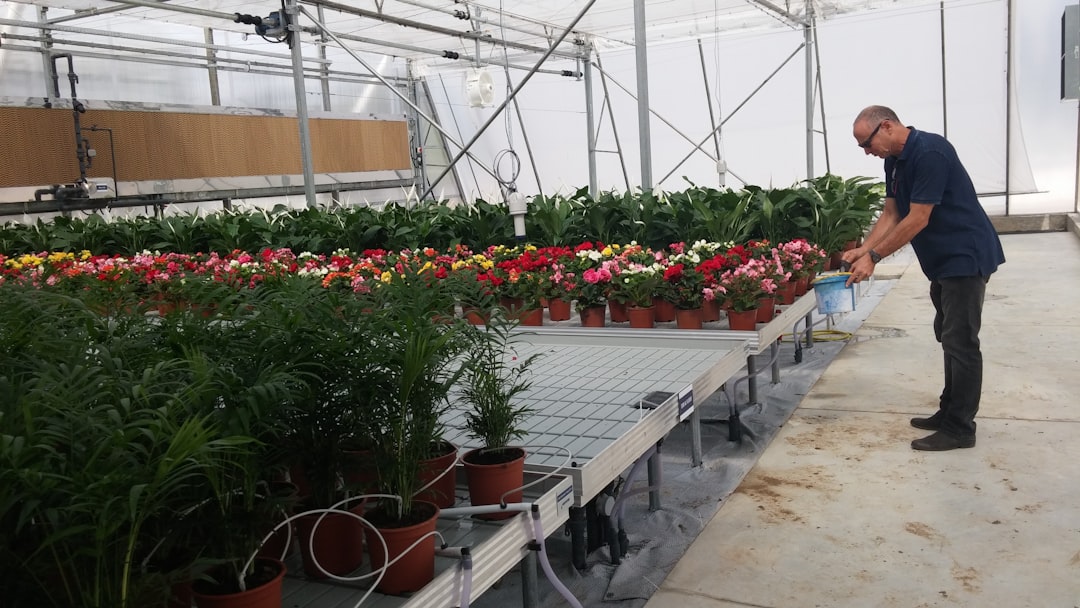
Organic processing plants are specialized facilities that handle, process, and package organic food products according to certified organic standards. These plants must comply with regulations that prohibit the use of synthetic pesticides, fertilizers, and genetically modified organisms throughout the production process. The organic food market has experienced significant growth in recent years, driven by consumer preferences for products perceived as healthier and more environmentally sustainable.
Organic processing plants serve this market by maintaining the organic integrity of raw materials from farm to finished product through strict handling protocols and documentation requirements. These facilities operate under certification programs such as USDA Organic, which mandate specific practices including segregation of organic and conventional products, use of approved cleaning agents, and comprehensive record-keeping. Processing plants must undergo regular inspections to maintain their organic certification status.
Organic processing plants contribute to supply chain transparency through traceability systems that track products from their agricultural origins through processing and distribution. This documentation allows for verification of organic claims and provides accountability throughout the production process. The facilities support agricultural practices that typically involve reduced synthetic chemical inputs, crop rotation systems, and soil conservation methods.
Key Takeaways
- Organic processing plants are crucial for promoting sustainable and environmentally friendly food production.
- They help reduce environmental impact by minimizing chemical use and waste.
- These plants provide economic and social benefits to local communities.
- Certification ensures organic processing plants meet strict standards for quality and sustainability.
- Innovations and consumer support are key to the future growth and success of organic processing plants.
How Organic Processing Plants Promote Sustainable Food Production
Organic processing plants are pivotal in promoting sustainable food production practices. By focusing on organic ingredients, these facilities encourage farmers to adopt methods that enhance soil health, conserve water, and promote biodiversity. When you choose products from organic processing plants, you are indirectly supporting agricultural practices that reduce reliance on harmful chemicals and promote ecological balance.
This commitment to sustainability is not just beneficial for the environment; it also leads to healthier food options for you and your family. Moreover, organic processing plants often work closely with local farmers, creating a symbiotic relationship that fosters community resilience. By sourcing ingredients from nearby farms, these plants reduce transportation emissions and support local economies.
You can feel good knowing that your purchasing decisions contribute to a system that values local agriculture and minimizes the carbon footprint associated with food transportation. In this way, organic processing plants serve as a bridge between consumers and sustainable farming practices, making it easier for you to make environmentally conscious choices.
The Role of Organic Processing Plants in Reducing Environmental Impact
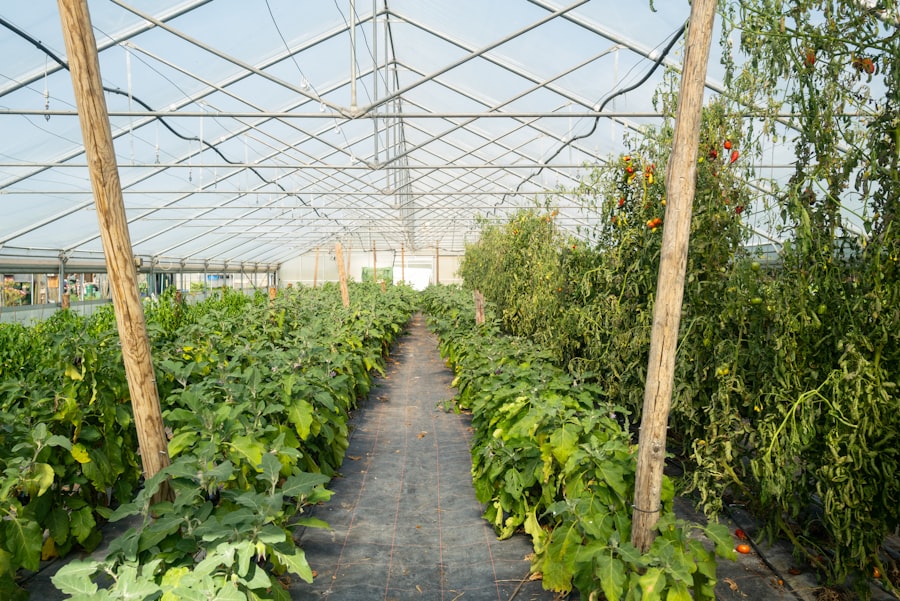
The environmental impact of conventional food production is significant, contributing to soil degradation, water pollution, and loss of biodiversity. Organic processing plants play a vital role in mitigating these issues by promoting practices that are less harmful to the planet. When you choose organic products processed in these facilities, you are supporting methods that prioritize ecological health.
These plants often implement waste reduction strategies, such as composting organic waste and recycling materials, which further lessens their environmental footprint. Additionally, organic processing plants typically utilize energy-efficient technologies and renewable energy sources. This commitment to sustainability not only reduces greenhouse gas emissions but also sets an example for other sectors within the food industry.
As you become more aware of the environmental challenges we face, supporting organic processing plants can be a powerful way to advocate for change.
The Benefits of Organic Processing Plants for Local Communities
Organic processing plants offer numerous benefits to local communities beyond just providing access to organic products. They create jobs and stimulate economic growth by employing local workers and sourcing ingredients from nearby farms. When you support these facilities, you are contributing to the economic vitality of your community.
This local focus not only strengthens the economy but also fosters a sense of community pride and connection among residents.
These efforts empower you and your neighbors with knowledge about the benefits of organic food and sustainable practices.
By participating in workshops or farm tours organized by these plants, you can deepen your understanding of where your food comes from and how it is produced. This connection between consumers and producers is essential for building a resilient local food system that benefits everyone involved.
The Challenges and Opportunities of Organic Processing Plants
| Plant Name | Location | Processing Capacity (tons/year) | Certification | Primary Products | Energy Source | Waste Recycling Rate (%) |
|---|---|---|---|---|---|---|
| GreenLeaf Organics | California, USA | 15,000 | USDA Organic | Fruits, Vegetables | Solar | 85 |
| EcoPure Processing | Ontario, Canada | 10,000 | Canada Organic Regime | Grains, Pulses | Wind | 90 |
| BioHarvest Plant | Bavaria, Germany | 12,500 | EU Organic | Dairy, Meat | Biomass | 88 |
| PureNature Facility | Queensland, Australia | 8,000 | Australian Certified Organic | Herbs, Spices | Hydro | 92 |
| Organic Roots Plant | Andhra Pradesh, India | 9,500 | India Organic | Tea, Coffee | Grid Electricity | 80 |
While organic processing plants offer many advantages, they also face challenges that can hinder their growth and effectiveness. One significant challenge is the higher cost of organic ingredients compared to conventional ones. This price disparity can make it difficult for these plants to compete in a market where consumers often prioritize affordability over sustainability.
However, as awareness of the benefits of organic products continues to grow, there is an opportunity for these facilities to educate consumers about the true cost of food production and the long-term benefits of investing in organic options. Another challenge is navigating the complex regulatory landscape surrounding organic certification. You may be surprised to learn that maintaining organic status requires rigorous adherence to specific guidelines and standards.
While this can be daunting for some processors, it also presents an opportunity for innovation and improvement within the industry. By embracing new technologies and practices that enhance efficiency and sustainability, organic processing plants can position themselves as leaders in the food sector.
The Certification Process for Organic Processing Plants

The certification process for organic processing plants is a critical aspect of ensuring the integrity of organic products. To achieve certification, these facilities must comply with strict regulations set forth by governing bodies such as the USDA in the United States or equivalent organizations in other countries. This process involves thorough inspections, documentation of sourcing practices, and adherence to specific processing methods that prevent contamination with non-organic substances.
As a consumer, understanding this certification process can enhance your appreciation for the products you purchase. When you see an organic label on a product, you can trust that it has undergone rigorous scrutiny to ensure its authenticity. This transparency not only builds consumer confidence but also reinforces the commitment of organic processing plants to uphold high standards of quality and sustainability.
By supporting certified organic products, you are encouraging these facilities to continue their vital work in promoting healthy food systems.
Innovations in Organic Processing Plant Technology
The landscape of organic processing is continually evolving, driven by innovations in technology that enhance efficiency and sustainability. From advanced sorting and packaging systems to energy-efficient machinery, these innovations allow organic processing plants to operate more effectively while minimizing their environmental impact. As you explore the world of organic products, you may be intrigued by how technology is transforming the way food is processed.
One notable innovation is the use of automation in sorting and packaging processes. This technology not only increases productivity but also reduces waste by ensuring that only high-quality products make it to market. Additionally, advancements in preservation techniques help extend the shelf life of organic products without compromising their integrity or nutritional value.
As you enjoy your favorite organic snacks or meals, consider how these technological advancements contribute to the overall quality and sustainability of the food you consume.
The Future of Organic Processing Plants in the Food Industry
The future of organic processing plants looks promising as consumer demand for organic products continues to rise. With an increasing awareness of health and environmental issues associated with conventional agriculture, more people are seeking out organic options for their diets. This trend presents an opportunity for organic processing plants to expand their operations and reach new markets.
As you make choices about what to eat, your preferences can help shape the future landscape of the food industry. Moreover, as more consumers prioritize sustainability in their purchasing decisions, organic processing plants are well-positioned to lead the way in promoting environmentally friendly practices. By continuing to innovate and adapt to changing consumer preferences, these facilities can play a pivotal role in transforming the food system into one that prioritizes health, sustainability, and ethical practices.
Your support for organic products can contribute to this positive shift in the industry.
Case Studies: Successful Organic Processing Plants Around the World
Examining successful case studies of organic processing plants around the world can provide valuable insights into best practices and innovative approaches within the industry. For instance, consider a plant in Denmark that has implemented a zero-waste policy by repurposing by-products into new products or composting them for local farms. This commitment not only reduces waste but also creates additional revenue streams while supporting local agriculture.
Another inspiring example comes from a cooperative in California that sources ingredients exclusively from local farmers practicing regenerative agriculture. By fostering strong relationships with producers and prioritizing transparency in their supply chain, this cooperative has built a loyal customer base that values quality and sustainability. As you learn about these success stories, you may find inspiration in how local initiatives can lead to broader changes within the food system.
The Economic Viability of Organic Processing Plants
The economic viability of organic processing plants is often questioned due to higher operational costs associated with sourcing organic ingredients and maintaining certification standards. However, as consumer demand for organic products continues to grow, many of these facilities are finding ways to thrive financially. By focusing on niche markets or developing unique product lines that cater to specific dietary needs or preferences, they can carve out profitable spaces within the competitive food industry.
Additionally, government incentives and grants aimed at supporting sustainable agriculture can provide financial assistance to organic processing plants looking to expand or innovate. As you consider your own purchasing habits, remember that supporting these businesses not only contributes to their economic viability but also helps create a more sustainable food system overall.
How Consumers Can Support Organic Processing Plants
As a consumer, there are several ways you can actively support organic processing plants and contribute to their success. First and foremost, choosing organic products when shopping sends a clear message about your values and priorities regarding health and sustainability. By opting for items processed in certified organic facilities, you help create demand for these businesses and encourage them to continue their vital work.
Additionally, consider engaging with local farmers’ markets or community-supported agriculture (CSA) programs that prioritize partnerships with organic processing plants. By purchasing directly from these sources, you not only support local economies but also foster connections between producers and consumers. Your involvement can help strengthen the local food system while promoting sustainable practices within your community.
In conclusion, organic processing plants are essential players in creating a healthier and more sustainable food system. By understanding their importance and actively supporting them through your purchasing decisions, you contribute to a movement that prioritizes environmental stewardship, community resilience, and ethical practices in agriculture. Your choices matter—embracing organic products can lead us all toward a brighter future for our planet and our health.
Organic processing plants play a crucial role in the production of organic food, ensuring that the integrity of organic standards is maintained throughout the processing stages. For more insights into the importance of organic practices and their impact on food quality, you can read a related article on this topic at this link. This article delves into the various methods and regulations that govern organic processing, highlighting the benefits for both consumers and the environment.
FAQs
What are organic processing plants?
Organic processing plants are facilities where organic raw materials, such as fruits, vegetables, grains, and other agricultural products, are processed into finished organic food products. These plants follow strict guidelines to maintain the organic integrity of the products.
How do organic processing plants differ from conventional processing plants?
Organic processing plants use only certified organic ingredients and avoid synthetic chemicals, pesticides, and genetically modified organisms (GMOs). They also adhere to organic certification standards and maintain separate equipment and storage to prevent contamination with non-organic products.
What certifications do organic processing plants need?
Organic processing plants typically require certification from recognized organic certification bodies, such as USDA Organic in the United States or EU Organic in Europe. These certifications ensure compliance with organic standards throughout the processing stages.
Why is it important to use organic processing plants?
Using organic processing plants ensures that the final products meet organic standards, preserving the health benefits and environmental advantages associated with organic farming. It also guarantees transparency and trust for consumers seeking organic products.
What types of products are processed in organic processing plants?
Organic processing plants handle a wide range of products, including organic juices, canned fruits and vegetables, organic dairy products, organic grains and flours, organic snacks, and other processed organic foods.
Are organic processing plants subject to inspections?
Yes, organic processing plants undergo regular inspections by certification agencies to verify compliance with organic standards, including ingredient sourcing, processing methods, sanitation, and record-keeping.
Can organic processing plants use additives or preservatives?
Organic processing plants can only use additives and preservatives that are approved under organic standards. These are typically natural or minimally processed substances that do not compromise the organic integrity of the product.
How do organic processing plants prevent cross-contamination?
They implement strict protocols such as dedicated equipment, thorough cleaning procedures, separate storage areas, and careful scheduling to prevent contact between organic and non-organic materials.
What role do organic processing plants play in the organic supply chain?
Organic processing plants act as a critical link between organic farmers and consumers by transforming raw organic materials into safe, high-quality, and certified organic food products ready for the market.
Are products from organic processing plants more expensive?
Products processed in organic plants may have higher costs due to more stringent standards, certification fees, and specialized handling, which can result in higher retail prices compared to conventional products.