The organic food industry has experienced substantial growth in recent years, fundamentally altering consumer dietary choices and purchasing patterns. Increased awareness of health and environmental concerns has driven consumer demand for organic food brands that offer enhanced nutritional value and environmentally sustainable agricultural methods. Organic foods are produced without synthetic pesticides, fertilizers, or genetically modified organisms (GMOs), appealing to consumers who prioritize health considerations and environmental responsibility.
This consumer trend has created a rapidly expanding market featuring numerous organic brands, each with distinct product lines and operational philosophies. Understanding the differentiating factors among organic food brands is crucial when evaluating this diverse marketplace. A brand’s adherence to organic farming standards typically indicates its commitment to product quality, environmental sustainability, and ethical sourcing practices.
Given the extensive range of available options, consumers often face challenges in identifying brands that genuinely uphold these principles. This analysis examines leading organic food brands currently available in the market, providing detailed information about their product offerings and distinguishing characteristics within the competitive organic food sector.
Key Takeaways
- Organic food brands prioritize natural ingredients and sustainable farming practices.
- Key criteria for selecting organic brands include certification, ingredient transparency, and ethical sourcing.
- Popular organic brands like Whole Foods Market, Organic Valley, and Nature’s Path offer diverse product ranges.
- Specialty brands such as Stonyfield Organic, Annie’s Homegrown, and Amy’s Kitchen focus on organic dairy, snacks, and prepared foods.
- Consumers should consider brand reputation, product quality, and environmental impact when choosing organic food products.
Criteria for Choosing Organic Food Brands
When selecting organic food brands, it’s crucial to consider several key criteria that can help you make informed choices. First and foremost, look for brands that are certified organic by recognized organizations. This certification ensures that the products meet strict standards set by regulatory bodies, guaranteeing that they are free from harmful chemicals and GMOs.
By choosing certified organic products, you can feel confident that you are supporting sustainable agricultural practices. Another important factor to consider is the brand’s commitment to transparency.
Brands that provide detailed information about their sourcing practices, farming methods, and ingredient origins demonstrate a level of accountability that can enhance your trust in their products. Additionally, consider the brand’s environmental impact. Many organic brands prioritize eco-friendly packaging and sustainable practices, which can further align with your values as a conscious consumer.
Whole Foods Market
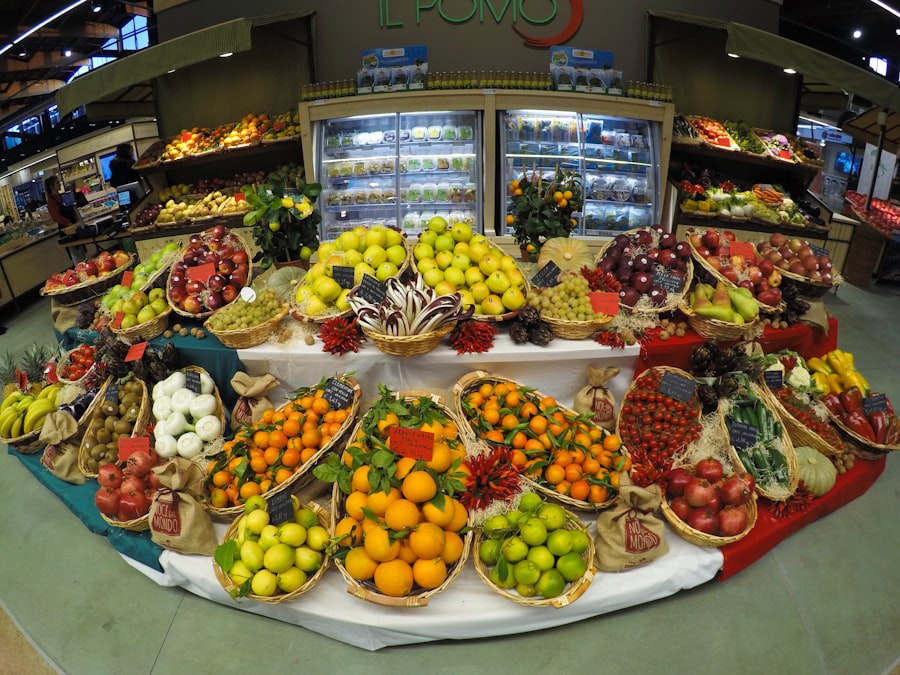
Whole Foods Market is a pioneer in the organic food industry, known for its extensive selection of high-quality organic products. Founded in 1980, this grocery chain has become synonymous with healthy eating and sustainable living. When you step into a Whole Foods store, you are greeted by an impressive array of organic fruits, vegetables, meats, dairy products, and pantry staples.
The brand’s commitment to sourcing local and organic produce means that you can find fresh options that support both your health and local farmers. One of the standout features of Whole Foods Market is its rigorous quality standards. The company has established a set of guidelines that all products must meet to be sold in their stores.
This includes a ban on artificial preservatives, colors, and flavors in their private label products. As a shopper, you can feel confident that the items you purchase from Whole Foods are not only organic but also free from harmful additives. Furthermore, Whole Foods actively supports sustainable agriculture initiatives, making it a go-to destination for those who prioritize ethical consumption.
Organic Valley
Organic Valley is a cooperative of family farmers dedicated to producing high-quality organic dairy products and other farm-fresh items. Founded in 1988, this brand has grown into one of the largest organic dairy cooperatives in the United States. When you choose Organic Valley products, you are not just buying milk or cheese; you are supporting a network of small-scale farmers who prioritize animal welfare and sustainable farming practices.
The brand’s commitment to transparency is evident in its farming practices.
This dedication to quality extends to their product range, which includes milk, yogurt, cheese, and eggs.
By choosing Organic Valley, you can enjoy delicious dairy products while supporting a cooperative model that empowers farmers and promotes sustainable agriculture.
Nature’s Path
| Brand Name | Certification | Product Range | Customer Rating (out of 5) | Key Feature |
|---|---|---|---|---|
| Nature’s Path | USDA Organic, Non-GMO Project Verified | Breakfast cereals, granola bars | 4.6 | Wide variety of organic cereals with non-GMO ingredients |
| Earthbound Farm | USDA Organic | Fresh organic produce, salads | 4.4 | Leader in organic fresh produce with sustainable farming |
| Stonyfield Organic | USDA Organic, Non-GMO | Organic yogurt, dairy products | 4.5 | Committed to organic dairy with no artificial hormones |
| Annie’s Homegrown | USDA Organic, Non-GMO | Snacks, pasta, condiments | 4.3 | Family-friendly organic snacks and meals |
| Organic Valley | USDA Organic | Dairy, eggs, produce | 4.7 | Farmer-owned cooperative with high-quality organic dairy |
Nature’s Path is a well-respected brand in the organic breakfast foods category, known for its commitment to producing wholesome cereals and snacks. Founded in 1985 by Arran and Ratana Stephens, this family-owned company has built its reputation on quality and sustainability. When you reach for a box of Nature’s Path cereal or granola, you can be assured that it is made from organic ingredients sourced from trusted farmers.
One of the brand’s standout features is its dedication to environmental sustainability. Nature’s Path actively engages in eco-friendly practices, such as using renewable energy sources in its manufacturing processes and implementing sustainable packaging solutions. Additionally, the company is committed to social responsibility through initiatives like its “One Percent for the Planet” program, which donates one percent of sales to environmental causes.
By choosing Nature’s Path products, you not only nourish your body but also contribute to a healthier planet.
Stonyfield Organic
Stonyfield Organic is a leading brand in the organic yogurt market, known for its creamy textures and delicious flavors. Founded in 1983 as a small organic farming school in New Hampshire, Stonyfield has grown into one of the largest producers of organic yogurt in North America. When you choose Stonyfield products, you are opting for yogurt made from milk sourced from pasture-raised cows that are never treated with antibiotics or growth hormones.
The brand’s commitment to sustainability extends beyond its product offerings. Stonyfield actively works to reduce its carbon footprint through various initiatives, including using renewable energy sources in its production facilities and implementing eco-friendly packaging solutions. Additionally, Stonyfield supports organic farming practices that promote biodiversity and soil health.
By incorporating Stonyfield yogurt into your diet, you can enjoy a tasty treat while supporting environmentally responsible practices.
Annie’s Homegrown
Annie’s Homegrown is a beloved brand known for its organic snacks and meals that appeal to both children and adults alike. Founded in 1989 by Annie Withey and Andrew Martin, the brand has become synonymous with wholesome comfort food made from high-quality organic ingredients. When you choose Annie’s products—ranging from mac and cheese to bunny-shaped crackers—you can feel good knowing that they are crafted with care and attention to detail.
Annie’s commitment to sustainability is evident in its sourcing practices and packaging choices. The brand prioritizes using ingredients from farms that practice regenerative agriculture, which helps restore soil health and promote biodiversity. Additionally, Annie’s packaging is designed with the environment in mind; many products come in recyclable materials or are made from post-consumer recycled content.
By choosing Annie’s Homegrown products for your family’s meals and snacks, you support a brand that values both health and environmental responsibility.
Eden Foods
Eden Foods is a pioneer in the organic food movement, offering a wide range of products including grains, beans, condiments, and snacks. Established in 1968, Eden Foods has built a reputation for quality and integrity by sourcing ingredients from trusted farmers who adhere to strict organic standards. When you choose Eden Foods products, you are opting for wholesome ingredients that nourish your body while supporting sustainable agriculture.
One of the unique aspects of Eden Foods is its commitment to traditional food preparation methods. The brand emphasizes the importance of fermentation and natural processing techniques that enhance flavor and nutritional value. For example, their miso and soy sauces are crafted using traditional methods that have been passed down through generations.
By incorporating Eden Foods into your pantry, you not only enjoy delicious meals but also connect with time-honored culinary traditions.
Amy’s Kitchen
Amy’s Kitchen is a well-known brand specializing in organic frozen meals and convenience foods that cater to various dietary preferences. Founded in 1987 by Amy and Andy Berliner, this family-owned company has become a go-to choice for busy individuals seeking healthy meal options without compromising on quality or taste. When you choose Amy’s Kitchen products—ranging from soups to burritos—you can trust that they are made with organic ingredients sourced from responsible farms.
The brand’s commitment to health extends beyond just using organic ingredients; Amy’s Kitchen also prioritizes vegetarian and vegan options to accommodate diverse dietary needs. Additionally, the company actively engages in sustainable practices by using eco-friendly packaging materials and supporting local farmers whenever possible. By choosing Amy’s Kitchen for your quick meal solutions, you can enjoy convenient yet nutritious options while supporting a brand dedicated to health and sustainability.
Dr. Bronner’s is not just an organic food brand; it is also renowned for its ethical personal care products made from fair trade ingredients. Founded by Emanuel Bronner in 1948, this company has become famous for its multi-purpose castile soap made from organic oils.
When you choose Dr. Bronner’s products—whether it’s soap or body care items—you are opting for high-quality formulations that prioritize both your health and the environment. The brand’s commitment to social responsibility is evident through its fair trade practices and dedication to environmental sustainability.
Dr. Bronner’s sources its ingredients from small-scale farmers who practice sustainable agriculture methods while ensuring fair wages for their laborers. Additionally, the company actively supports various social justice initiatives through its profits.
By incorporating Dr. Bronner’s products into your daily routine, you not only care for your body but also contribute to positive change in the world.
Conclusion and Tips for Choosing Organic Food Brands
As you explore the world of organic food brands, it’s essential to remember that not all brands are created equal. By considering factors such as certification, transparency, sustainability practices, and ingredient sourcing, you can make informed choices that align with your values as a consumer. The brands highlighted in this article—Whole Foods Market, Organic Valley, Nature’s Path, Stonyfield Organic, Annie’s Homegrown, Eden Foods, Amy’s Kitchen, and Dr.
Bronner’s—are just a few examples of companies committed to providing high-quality organic products while promoting ethical practices. When shopping for organic foods, take the time to read labels carefully and research brands that resonate with your personal values regarding health and sustainability. Look for certifications such as USDA Organic or Non-GMO Project Verified to ensure product integrity.
Additionally, consider supporting local or smaller-scale brands that prioritize community engagement and environmental stewardship. Ultimately, choosing organic food brands is not just about what you put on your plate; it’s about making choices that reflect your commitment to health—both yours and the planet’s. By being an informed consumer and supporting brands that align with your values, you contribute to a more sustainable future while enjoying delicious food options that nourish your body.
When it comes to choosing organic food brands that you can trust, it’s essential to stay informed about the best options available. A great resource for this is the article on organic food brands, which provides insights and recommendations to help you make informed choices. You can read more about it in this related article.
FAQs
What defines an organic food brand?
An organic food brand is one that produces and sells food products made from ingredients grown without synthetic pesticides, fertilizers, genetically modified organisms (GMOs), or ionizing radiation. These brands typically follow strict guidelines and certifications to ensure their products meet organic standards.
How can I verify if an organic food brand is trustworthy?
To verify the trustworthiness of an organic food brand, look for certifications from recognized organizations such as USDA Organic, EU Organic, or other national organic standards. Additionally, check for transparent sourcing practices, third-party testing, and positive consumer reviews.
Are organic food brands more expensive than conventional brands?
Yes, organic food brands often have higher prices compared to conventional brands due to more costly farming practices, certification processes, and smaller-scale production. However, many consumers consider the health and environmental benefits worth the additional cost.
Do organic food brands guarantee pesticide-free products?
Organic certification requires that products are grown without synthetic pesticides, but trace amounts of naturally occurring pesticides or residues from environmental contamination may still be present. Organic brands aim to minimize these and adhere to strict limits.
Can I find organic food brands for all types of products?
Yes, organic food brands cover a wide range of products including fruits, vegetables, dairy, meat, grains, snacks, and beverages. Many brands specialize in specific categories, while others offer a broad organic product line.
Is organic food always healthier than non-organic food?
Organic foods often have lower pesticide residues and may contain higher levels of certain nutrients, but the overall health benefits can vary. Eating a balanced diet rich in fruits and vegetables, whether organic or conventional, is most important for health.
Are organic food brands environmentally friendly?
Organic farming practices used by organic food brands generally promote soil health, reduce pollution, conserve water, and support biodiversity, making them more environmentally friendly compared to conventional farming methods.
How do organic food brands ensure animal welfare?
Organic certification standards typically include requirements for humane treatment of animals, such as access to outdoor spaces, organic feed, and restrictions on antibiotics and hormones. Brands adhering to these standards prioritize animal welfare.
Where can I buy trusted organic food brands?
Trusted organic food brands are available at health food stores, supermarkets with organic sections, farmers’ markets, and online retailers. Always check for certification labels and brand reputation when purchasing.
Do organic food brands use genetically modified organisms (GMOs)?
No, organic food brands do not use GMOs. Organic certification standards prohibit the use of genetically modified seeds or ingredients in organic products.