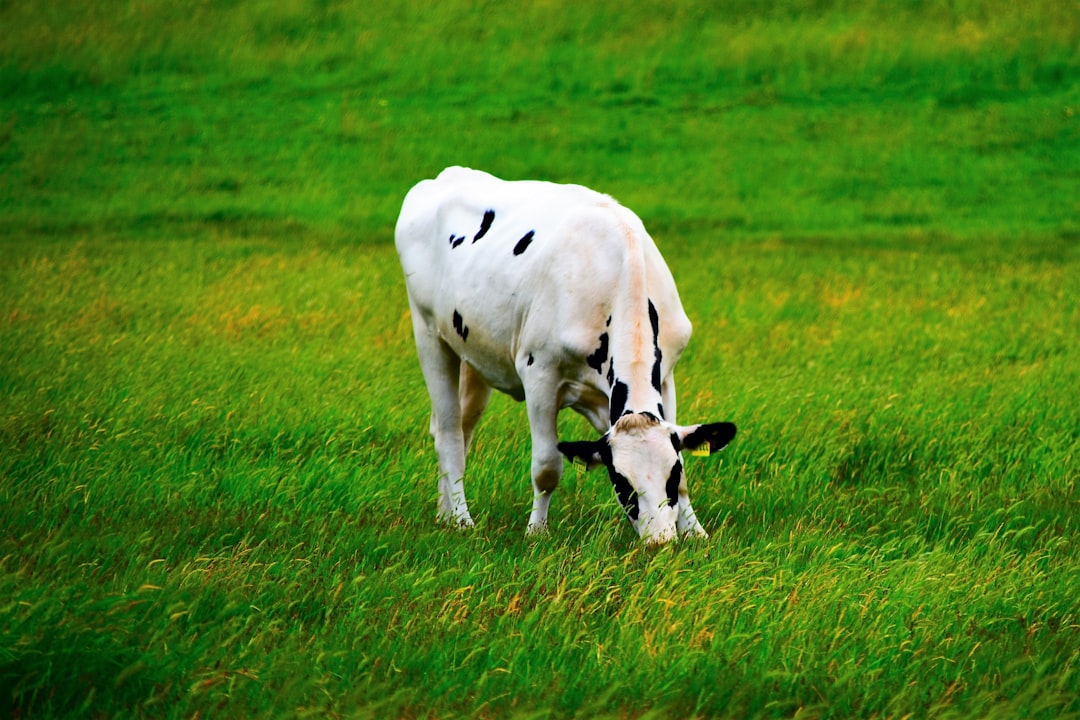
Organic grass-fed milk comes from cows that are raised on organic farms, where they graze on grass and forage rather than being fed grain-based diets. This method of dairy farming emphasizes natural practices, ensuring that the cows are not only fed a diet that aligns with their natural behaviors but also that they are raised without the use of synthetic pesticides, herbicides, or genetically modified organisms (GMOs). The term “organic” signifies that the milk is produced in accordance with strict regulations set by organic certification bodies, which monitor farming practices to ensure they meet specific standards.
When you choose organic grass-fed milk, you are opting for a product that reflects a commitment to sustainable agriculture. The cows are typically allowed to roam freely in pastures, which contributes to their overall health and well-being. This method of farming not only benefits the animals but also results in milk that is richer in nutrients and flavor.
By understanding what organic grass-fed milk is, you can make more informed choices about the dairy products you consume and their impact on your health and the environment.
Key Takeaways
- Organic grass-fed milk comes from cows fed primarily on pasture, without synthetic chemicals or GMOs.
- It offers higher levels of beneficial nutrients like omega-3 fatty acids and antioxidants compared to conventional milk.
- Production methods promote better animal welfare and reduce environmental impact through sustainable farming practices.
- Organic grass-fed milk is free from added hormones and antibiotics, supporting healthier consumption.
- It has a distinct, richer taste and can be found in specialty stores or farmers’ markets for dietary inclusion.
Nutritional Benefits of Organic Grass-Fed Milk
One of the most compelling reasons to consider organic grass-fed milk is its superior nutritional profile compared to conventional milk. Studies have shown that milk from grass-fed cows contains higher levels of essential nutrients, including vitamins A and E, as well as antioxidants like beta-carotene. These nutrients are vital for maintaining good health, supporting your immune system, and promoting healthy skin.
When you incorporate organic grass-fed milk into your diet, you are not just enjoying a delicious beverage; you are also nourishing your body with high-quality nutrients. Moreover, organic grass-fed milk is known for its favorable fatty acid composition. It contains a higher ratio of omega-3 fatty acids to omega-6 fatty acids, which is crucial for maintaining a balanced diet.
Omega-3s are known for their anti-inflammatory properties and their role in supporting heart health and brain function. By choosing organic grass-fed milk, you can enhance your intake of these beneficial fats while reducing the risk of chronic diseases associated with an imbalanced fatty acid ratio.
Environmental Benefits of Organic Grass-Fed Milk Production

The production of organic grass-fed milk offers significant environmental advantages over conventional dairy farming practices. One of the primary benefits is the promotion of biodiversity. Organic farms often maintain diverse ecosystems by allowing cows to graze on pasturelands, which helps preserve native plant species and supports various wildlife habitats.
This approach contrasts sharply with conventional dairy farming, which often relies on monoculture crops and intensive farming techniques that can deplete soil health and reduce biodiversity. Additionally, organic grass-fed farming practices contribute to improved soil health and carbon sequestration. By rotating grazing areas and using organic fertilizers, these farms can enhance soil fertility and structure.
Healthier soils not only support better crop yields but also play a crucial role in capturing carbon dioxide from the atmosphere, helping to mitigate climate change. When you choose organic grass-fed milk, you are supporting farming practices that prioritize environmental sustainability and contribute to a healthier planet.
Health Benefits of Consuming Organic Grass-Fed Milk
Incorporating organic grass-fed milk into your diet can lead to numerous health benefits. The higher levels of beneficial nutrients found in this type of milk can support various aspects of your health. For instance, the increased vitamin content can enhance your immune system, while the presence of antioxidants may help combat oxidative stress in your body.
This means that by simply enjoying a glass of organic grass-fed milk, you could be taking proactive steps toward better overall health. Furthermore, many people find that they digest organic grass-fed milk more easily than conventional milk. This could be due to the differences in the composition of fats and proteins in grass-fed milk, which may be less inflammatory for some individuals.
If you have experienced discomfort with regular dairy products in the past, trying organic grass-fed milk might be a worthwhile option for you to explore. The potential for improved digestion can make it a more enjoyable addition to your meals and snacks.
Animal Welfare and Ethical Considerations
| Metric | Value | Unit | Notes |
|---|---|---|---|
| Fat Content | 3.5 – 4.0 | Percent | Higher than conventional milk |
| Protein Content | 3.2 – 3.6 | Percent | Rich in essential amino acids |
| Omega-3 Fatty Acids | 0.1 – 0.3 | Percent | Higher in grass-fed milk compared to grain-fed |
| CLA (Conjugated Linoleic Acid) | 0.3 – 1.0 | Percent | Beneficial fatty acid linked to health benefits |
| Calcium | 120 – 130 | mg per 100ml | Essential for bone health |
| Vitamin D | 2 – 3 | mcg per 100ml | Varies with fortification and exposure |
| Organic Certification | Yes | N/A | Certified by USDA Organic or equivalent |
| Grass-Fed Certification | Yes | N/A | Animals fed primarily on grass and forage |
| Antibiotics Use | None | N/A | No antibiotics used in production |
| Average Shelf Life | 7 – 14 | Days (refrigerated) | Depends on pasteurization method |
When it comes to animal welfare, organic grass-fed milk production stands out for its ethical considerations. Cows raised on organic farms typically enjoy a higher quality of life compared to those in conventional systems. They are given access to pasture, allowing them to engage in natural behaviors such as grazing and socializing with other cows.
This freedom not only contributes to their physical health but also enhances their mental well-being. By choosing organic grass-fed milk, you are supporting farming practices that prioritize humane treatment of animals. Many consumers today are increasingly concerned about the conditions in which their food is produced, and opting for organic grass-fed products aligns with a commitment to ethical consumption.
You can feel good knowing that your choices contribute to better living conditions for animals while also promoting sustainable agricultural practices.
How Organic Grass-Fed Milk Differs from Conventional Milk
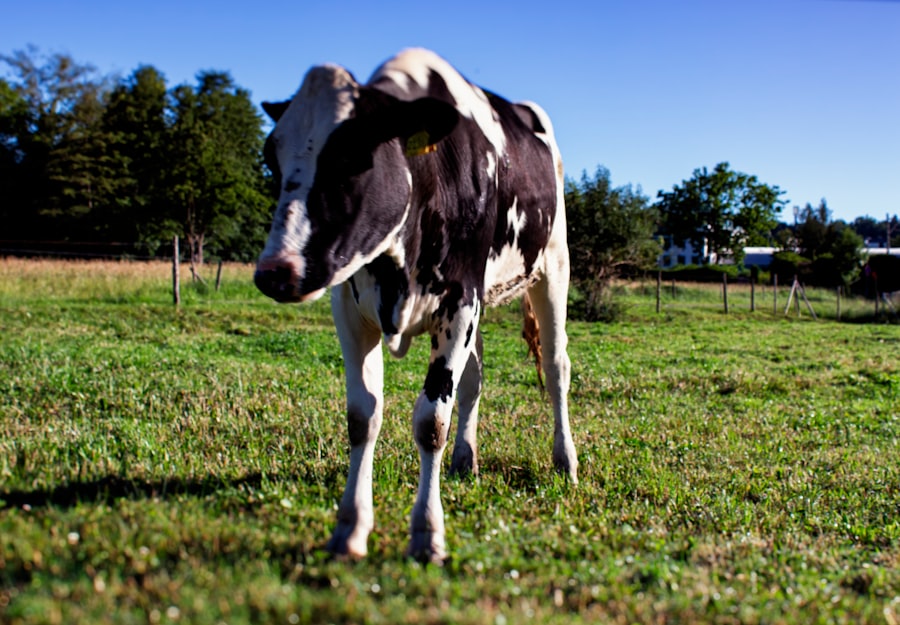
The differences between organic grass-fed milk and conventional milk extend beyond farming practices; they also encompass taste, nutritional content, and overall quality. Conventional dairy farming often involves feeding cows a diet primarily composed of grains, which can lead to a different flavor profile in the milk produced. In contrast, the natural diet of grass and forage for grass-fed cows results in a creamier texture and a richer taste that many consumers find appealing.
Moreover, the nutritional differences are significant. As previously mentioned, organic grass-fed milk tends to have higher levels of beneficial nutrients such as omega-3 fatty acids and vitamins A and E. Conventional milk may lack these advantages due to the cows’ grain-based diets and the use of synthetic additives in some cases.
By choosing organic grass-fed milk over conventional options, you are not only making a choice for better taste but also for enhanced nutritional value.
Organic Grass-Fed Milk and Hormones
One of the concerns many consumers have regarding conventional dairy products is the use of hormones in cattle farming. In some cases, hormones are administered to cows to promote growth or increase milk production. However, organic grass-fed milk is produced without the use of synthetic hormones or antibiotics, ensuring that what you consume is free from these additives.
This aspect can provide peace of mind for those who are cautious about hormone exposure in their diets. By choosing organic grass-fed milk, you can enjoy your dairy products without worrying about potential hormone-related health risks. This commitment to natural farming practices aligns with a growing trend toward clean eating and transparency in food production.
You can feel confident knowing that your choice supports a healthier lifestyle while also promoting ethical farming practices.
Organic Grass-Fed Milk and Omega-3 Fatty Acids
The presence of omega-3 fatty acids in organic grass-fed milk is one of its standout features. These essential fats play a crucial role in maintaining heart health, supporting brain function, and reducing inflammation throughout the body. While conventional dairy products may contain lower levels of omega-3s due to the grain-based diets fed to cows, organic grass-fed milk offers a more favorable fatty acid profile.
Incorporating organic grass-fed milk into your diet can be an excellent way to boost your omega-3 intake without resorting to supplements or fortified foods. Whether you enjoy it in smoothies, coffee, or simply as a refreshing drink on its own, you can take advantage of these beneficial fats while savoring the rich flavor that comes from cows raised on pasture.
Organic Grass-Fed Milk and Antibiotics
Another significant difference between organic grass-fed milk and conventional dairy products lies in antibiotic use. In conventional farming practices, antibiotics may be administered to cows to prevent illness or promote growth. However, organic standards prohibit the use of antibiotics in animal husbandry unless absolutely necessary for treating illness.
This means that when you choose organic grass-fed milk, you are selecting a product that is free from antibiotic residues. This aspect is particularly important for those who are concerned about antibiotic resistance and its implications for public health. By opting for organic grass-fed milk, you are supporting farming practices that prioritize animal health without relying on unnecessary medications.
This choice not only benefits your health but also contributes to broader efforts aimed at reducing antibiotic use in agriculture.
The Taste and Quality of Organic Grass-Fed Milk
The taste and quality of organic grass-fed milk are often cited as reasons for its growing popularity among consumers.
This difference can be attributed to the cows’ natural diet of fresh grass and forage, which enhances the overall quality of the milk produced.
When you pour yourself a glass of organic grass-fed milk or use it in cooking and baking, you may notice how its rich flavor elevates your dishes. Whether you’re making creamy sauces or enjoying it with cereal, the quality of this milk can make a noticeable difference in taste. As more people become aware of these qualities, it’s no surprise that organic grass-fed milk is becoming a staple in many households.
Where to Find Organic Grass-Fed Milk and How to Incorporate it into Your Diet
Finding organic grass-fed milk has become increasingly easier as consumer demand grows. You can typically find it at local grocery stores, health food stores, or farmers’ markets that prioritize sustainable products. Many brands now offer organic grass-fed options, so take some time to explore different varieties until you find one that suits your taste preferences.
Incorporating organic grass-fed milk into your diet can be both enjoyable and versatile. You might start your day with it in your morning coffee or smoothie, use it in baking recipes for added richness, or simply enjoy it as a refreshing drink on its own. The possibilities are endless when it comes to adding this nutritious option into your meals and snacks.
By making small changes to include organic grass-fed milk in your daily routine, you can reap its numerous benefits while supporting sustainable agriculture practices at the same time.
If you’re interested in the benefits of organic milk, particularly from grass-fed cows, you might find this article insightful: