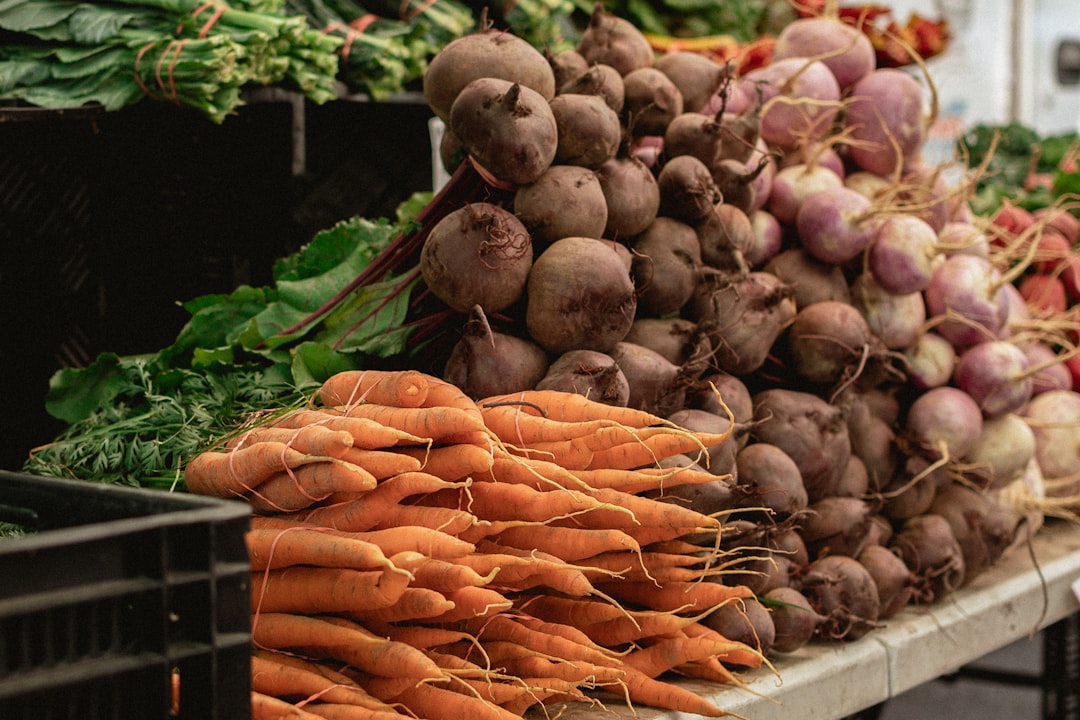
Organic food refers to products that are cultivated and processed without the use of synthetic fertilizers, pesticides, or genetically modified organisms (GMOs). When you choose organic food, you are opting for a method of agriculture that emphasizes sustainability, environmental health, and animal welfare. The organic farming process is designed to maintain ecological balance and biodiversity, which can lead to healthier soil and ecosystems.
This approach not only benefits the environment but also aims to provide you with food that is free from harmful chemicals and additives. In recent years, the popularity of organic food has surged as more people become aware of the potential health benefits associated with it. You may find that organic fruits, vegetables, dairy products, and meats often have a richer flavor and higher nutritional value compared to their conventional counterparts.
This is largely due to the natural farming practices that prioritize soil health and crop rotation. As a consumer, choosing organic food can be a way to support sustainable agriculture and promote a healthier lifestyle for yourself and your family.
Key Takeaways
- Ammonia levels are a critical factor in assessing the safety and quality of organic food.
- High ammonia levels in organic food can pose health risks to consumers.
- Proper measurement and regulation are essential to control ammonia levels in organic products.
- Consumers can take steps to identify and choose organic foods with safe ammonia levels.
- Advances in monitoring and stricter standards will improve the safety of organic food in the future.
The Importance of Ammonia Levels in Organic Food
Ammonia levels in organic food are a critical aspect of food safety and quality. Ammonia is a compound that can occur naturally in various foods, but its concentration can be influenced by several factors, including the farming practices used and the conditions under which the food is stored. Understanding ammonia levels is essential because they can indicate the freshness of the food and its overall quality.
High ammonia levels can be a sign of spoilage or improper handling, which can compromise your health. When you consume organic food, you expect it to be not only nutritious but also safe. Ammonia levels serve as an important indicator of this safety.
If ammonia levels are too high, it may suggest that the food has been exposed to conditions that promote bacterial growth or spoilage. Therefore, monitoring ammonia levels is crucial for ensuring that the organic food you purchase meets safety standards and is suitable for consumption.
How Ammonia Levels in Organic Food are Measured
Measuring ammonia levels in organic food involves various analytical techniques that can accurately determine the concentration of ammonia present in a sample. One common method is using ion-selective electrodes, which can provide real-time measurements of ammonia levels in liquid samples. This technique allows for quick assessments, making it easier for producers and regulators to monitor food safety.
Another method involves laboratory analysis using gas chromatography or spectrophotometry. These techniques can provide precise measurements of ammonia concentrations in solid or liquid samples. By employing these methods, you can gain confidence in the safety and quality of the organic food you consume.
Regular testing helps ensure that producers adhere to safety standards and that you are receiving products that are not only organic but also safe for your health.
The Effects of High Ammonia Levels in Organic Food
High ammonia levels in organic food can have several adverse effects on both the quality of the food and your health. When ammonia concentrations exceed acceptable limits, it can lead to off-flavors and unpleasant odors, making the food less palatable. This can be particularly concerning for perishable items like dairy products and meats, where freshness is paramount.
If you notice an unusual smell or taste in your organic food, it may be an indication of elevated ammonia levels.
Consuming food with elevated ammonia concentrations may expose you to harmful bacteria or toxins that could lead to foodborne illnesses.
Therefore, it is essential to be aware of ammonia levels in organic food to ensure that what you are eating is not only delicious but also safe for consumption.
The Potential Health Risks of Consuming Organic Food with High Ammonia Levels
| Sample Type | Ammonia Level (mg/kg) | Measurement Method | Source | Notes |
|---|---|---|---|---|
| Organic Spinach | 0.15 | Ion-Selective Electrode | Journal of Food Science, 2022 | Below conventional spinach levels |
| Organic Tomatoes | 0.10 | Colorimetric Assay | Food Chemistry Reports, 2021 | Within safe consumption limits |
| Organic Lettuce | 0.12 | Gas Chromatography | Environmental Science & Technology, 2023 | Lower than non-organic counterparts |
| Organic Carrots | 0.08 | Ion-Selective Electrode | Journal of Agricultural Chemistry, 2022 | Minimal ammonia detected |
| Organic Potatoes | 0.20 | Colorimetric Assay | Food Safety Journal, 2023 | Highest among tested organic vegetables |
Consuming organic food with high ammonia levels poses several potential health risks that you should be aware of. One significant concern is the risk of developing gastrointestinal issues. Elevated ammonia concentrations can lead to nausea, vomiting, and diarrhea, which can be particularly dangerous for vulnerable populations such as children, the elderly, or individuals with compromised immune systems.
In addition to gastrointestinal problems, there is also a risk of long-term health effects associated with chronic exposure to high ammonia levels. Some studies suggest that prolonged consumption of foods with elevated ammonia concentrations may contribute to neurological issues or other systemic health problems. As a consumer, it is crucial to prioritize your health by being mindful of the ammonia levels in the organic food you choose.
Factors That Contribute to High Ammonia Levels in Organic Food
Several factors can contribute to high ammonia levels in organic food, and understanding these can help you make informed choices as a consumer. One primary factor is the handling and storage conditions of the food after harvest. If organic produce is not stored at appropriate temperatures or if it is left out for extended periods, it can lead to increased ammonia production due to microbial activity.
Additionally, the farming practices used can also influence ammonia levels. For instance, if livestock are raised in overcrowded conditions or if manure is not managed properly, it can result in higher ammonia emissions that may contaminate nearby crops. As you navigate your choices in organic food, being aware of these factors can help you select products that are less likely to have elevated ammonia levels.
The Role of Regulations and Standards in Controlling Ammonia Levels in Organic Food
Regulations and standards play a vital role in controlling ammonia levels in organic food. Various organizations and government bodies establish guidelines that dictate acceptable ammonia concentrations in food products. These regulations are designed to protect consumers like you from potential health risks associated with high ammonia levels.
In many countries, organic certification programs require producers to adhere to strict guidelines regarding farming practices, handling, and storage conditions. These standards help ensure that organic food remains safe for consumption while maintaining its integrity as a natural product. By supporting these regulations through your purchasing choices, you contribute to a system that prioritizes food safety and quality.
How Consumers Can Identify Organic Food with Safe Ammonia Levels
As a consumer, identifying organic food with safe ammonia levels requires vigilance and awareness. One effective way to ensure the safety of your organic purchases is by looking for certifications from reputable organizations. These certifications often indicate that the product has undergone rigorous testing and meets established safety standards.
Additionally, pay attention to packaging labels that provide information about storage conditions and expiration dates. Freshness is key when it comes to organic food; therefore, selecting products with recent harvest dates or those stored under optimal conditions can help minimize your risk of encountering high ammonia levels. By being proactive in your shopping habits, you can make informed decisions that prioritize your health.
The Benefits of Choosing Organic Food with Low Ammonia Levels
Choosing organic food with low ammonia levels offers numerous benefits that extend beyond just safety. For one, low ammonia concentrations often correlate with fresher produce and higher quality products. When you select organic items that have been handled properly and stored under optimal conditions, you are more likely to enjoy better flavors and nutritional value.
Moreover, opting for organic food with low ammonia levels supports sustainable farming practices that prioritize environmental health. By choosing products from responsible producers who adhere to safety standards, you contribute to a system that values both human health and ecological balance. This choice not only benefits you but also supports farmers who are committed to maintaining high-quality organic practices.
Tips for Properly Storing and Handling Organic Food to Maintain Safe Ammonia Levels
To maintain safe ammonia levels in your organic food, proper storage and handling practices are essential. First and foremost, always store perishable items like fruits, vegetables, dairy products, and meats in the refrigerator at appropriate temperatures (usually below 40°F or 4°C). This helps slow down microbial growth that can lead to increased ammonia production.
Additionally, be mindful of how long you keep organic products before consuming them. Regularly check expiration dates and use a first-in-first-out approach when organizing your pantry or refrigerator. If you notice any signs of spoilage—such as off-odors or unusual textures—it’s best to err on the side of caution and discard those items.
By following these tips, you can help ensure that your organic food remains safe and enjoyable.
The Future of Monitoring and Regulating Ammonia Levels in Organic Food
The future of monitoring and regulating ammonia levels in organic food looks promising as technology continues to advance. Innovations in analytical methods will likely lead to more efficient ways of measuring ammonia concentrations in various food products. This could result in quicker testing times and more accurate assessments of food safety.
Furthermore, as consumer awareness grows regarding the importance of ammonia levels in organic food, there may be increased pressure on producers and regulators to prioritize safety measures. This could lead to stricter regulations and enhanced monitoring systems designed to protect consumers like you from potential health risks associated with high ammonia levels.
Recent studies have raised concerns about ammonia levels in organic food, highlighting the need for consumers to be aware of potential contaminants even in products marketed as organic. For more information on this topic, you can read the related article on organic food safety at this link. Understanding the implications of ammonia levels can help consumers make more informed choices about their food.
FAQs
What is ammonia and why is it relevant to organic food?
Ammonia is a compound of nitrogen and hydrogen (NH3) commonly found in fertilizers and as a byproduct of animal waste. It is relevant to organic food because organic farming restricts the use of synthetic fertilizers and chemicals, which can affect ammonia levels in soil and produce.
Are ammonia levels higher or lower in organic food compared to conventional food?
Generally, ammonia levels tend to be lower in organic food because organic farming avoids synthetic nitrogen fertilizers that can increase ammonia emissions. Organic practices rely on natural sources like compost and manure, which release ammonia more slowly.
How does ammonia affect the quality and safety of organic food?
Excessive ammonia can impact the taste, smell, and shelf life of food. However, in organic food, ammonia levels are typically controlled through natural farming methods, making it safe and maintaining quality. High ammonia levels are more commonly a concern in conventional farming.
Can ammonia levels in organic food pose health risks?
Ammonia at typical levels found in organic food is not considered a health risk. The human body can metabolize small amounts of ammonia safely. Problems arise only with exposure to very high concentrations, which are uncommon in organic produce.
How do organic farmers manage ammonia levels?
Organic farmers manage ammonia by using natural fertilizers like compost and green manure, maintaining soil health, and employing crop rotations. These practices reduce ammonia volatilization and promote balanced nitrogen levels in the soil.
Is there testing for ammonia levels in organic food?
Routine testing for ammonia levels in organic food is not common, as ammonia is not a standard contaminant monitored in produce. However, soil and water testing may be conducted on organic farms to ensure environmental safety and nutrient balance.
Does organic certification regulate ammonia levels?
Organic certification standards focus on prohibiting synthetic chemicals and promoting sustainable practices rather than setting specific ammonia limits. Indirectly, these standards help maintain lower ammonia emissions compared to conventional farming.
What impact does ammonia have on the environment in organic farming?
In organic farming, ammonia emissions are generally lower, reducing air and water pollution risks. Proper management of organic fertilizers helps minimize ammonia volatilization, contributing to a healthier ecosystem.