
The organic food market has experienced significant growth in recent years as consumers increasingly seek products perceived as healthier and more environmentally sustainable alternatives to conventionally produced foods. Accountability in organic food production serves as a critical mechanism for ensuring that products labeled as organic meet established standards and regulations. Regulatory oversight and certification processes verify that organic producers adhere to specific guidelines regarding pesticide use, soil management, animal welfare, and processing methods.
Transparent labeling and certification create a framework for informed consumer decision-making based on verified information about production methods. The implications of accountability in organic food production extend beyond individual consumer choices to encompass broader public health and environmental considerations.
Organic farming practices typically involve reduced synthetic pesticide and fertilizer use, crop rotation systems, and biodiversity conservation measures. When organic certification standards are properly maintained and enforced, these practices can contribute to soil health improvement, water quality protection, and reduced chemical residue exposure. Compromised integrity in organic labeling systems can undermine the environmental and health benefits associated with organic agriculture.
Inadequate oversight or fraudulent labeling practices may result in products that do not meet organic standards being sold as organic, potentially exposing consumers to unwanted chemicals and supporting agricultural practices that contradict organic principles. Robust accountability measures help maintain the credibility of organic certification and ensure that consumer choices effectively support intended agricultural and environmental outcomes.
Key Takeaways
- Organic food accountability is crucial for maintaining consumer trust and product integrity.
- Current certification processes have gaps that can be exploited, leading to accountability challenges.
- Transparent supply chains and third-party certifications are essential to improve organic food accountability.
- Government regulations and technology play key roles in monitoring and enforcing organic standards.
- Consumer education and collaborative industry efforts are necessary to strengthen overall accountability.
Understanding the Current Organic Food Certification Process
To appreciate the significance of organic food accountability, it is crucial to understand the current certification process that governs organic labeling. The United States Department of Agriculture (USDA) oversees the National Organic Program (NOP), which sets the standards for organic farming and processing. As a consumer, you might be familiar with the USDA Organic seal, which indicates that a product meets specific criteria regarding its production methods.
This certification process involves rigorous inspections and adherence to strict guidelines, ensuring that organic products are grown without synthetic pesticides, fertilizers, or genetically modified organisms (GMOs). However, the certification process is not without its complexities. You may be surprised to learn that different countries have varying standards for what constitutes organic food.
This inconsistency can lead to confusion when you shop for organic products, especially if you are purchasing items imported from other nations. Additionally, while the certification process aims to maintain high standards, it can also be resource-intensive and costly for small-scale farmers. As a result, some producers may struggle to obtain or maintain certification, raising questions about the accessibility and fairness of the organic market.
Challenges and Loopholes in Organic Food Accountability

Despite the established certification process, challenges and loopholes persist in ensuring organic food accountability. One significant issue is the potential for fraud within the organic supply chain. You may be surprised to learn that some producers mislabel their products as organic to capitalize on the growing demand without adhering to the necessary standards.
This deception not only undermines your trust as a consumer but also poses risks to public health and environmental sustainability. Another challenge lies in the enforcement of regulations. While the USDA conducts inspections, these are often limited in scope and frequency.
You might find it concerning that some farms may only be inspected once a year or even less frequently, allowing ample opportunity for non-compliance to go unnoticed. Additionally, the complexity of supply chains can make it difficult to trace the origins of organic products accurately. As a consumer, you may feel frustrated by this lack of transparency, as it complicates your ability to make informed choices about the food you consume.
The Impact of Inadequate Organic Food Accountability
The consequences of inadequate organic food accountability can be far-reaching and detrimental. When you purchase a product labeled as organic, you expect it to meet certain health and environmental standards. However, if these standards are not upheld due to fraud or insufficient oversight, you may unknowingly expose yourself to harmful chemicals or unsustainable farming practices.
This not only affects your health but can also have broader implications for public health as a whole. Furthermore, inadequate accountability can erode consumer trust in organic labeling. If you discover that a product you believed was genuinely organic was not produced according to established standards, it can lead to skepticism about all organic products.
This skepticism can ultimately harm legitimate organic farmers who adhere to ethical practices and rely on consumer trust for their livelihoods. As a result, the entire organic market may suffer from diminished credibility, making it more challenging for you to find trustworthy options in the future.
The Role of Government Regulations in Ensuring Organic Food Accountability
| Metric | Description | Measurement Unit | Typical Range | Source/Method |
|---|---|---|---|---|
| Certification Compliance Rate | Percentage of organic farms meeting certification standards | Percentage (%) | 85-100% | Certification bodies audits |
| Pesticide Residue Levels | Amount of synthetic pesticide residues detected in organic produce | Parts per billion (ppb) | 0-10 ppb | Laboratory testing of samples |
| Soil Health Index | Assessment of soil quality on organic farms | Index score (0-100) | 60-90 | Soil testing and analysis |
| Traceability Rate | Percentage of organic products with full supply chain traceability | Percentage (%) | 70-95% | Supply chain audits and tracking systems |
| Consumer Trust Index | Level of consumer confidence in organic labeling and accountability | Index score (0-100) | 50-85 | Consumer surveys and market research |
| Organic Yield Efficiency | Crop yield per hectare compared to conventional farming | Percentage (%) | 60-90% | Farm production records |
| Carbon Footprint Reduction | Reduction in greenhouse gas emissions from organic farming | Percentage (%) | 10-30% | Life cycle assessment studies |
Government regulations play a crucial role in maintaining accountability within the organic food sector. The USDA’s National Organic Program establishes guidelines that producers must follow to earn organic certification. As a consumer, you benefit from these regulations because they help ensure that the products you purchase meet specific standards for quality and safety.
However, these regulations must be continually updated and enforced effectively to adapt to evolving agricultural practices and consumer expectations. You may also want to advocate for stronger government oversight in the organic sector. Increased funding for inspections and enforcement can help close loopholes that allow fraudulent practices to persist.
Additionally, promoting international cooperation on organic standards can help create a more consistent framework for what constitutes organic food globally. By supporting these initiatives, you contribute to a more robust system of accountability that protects both consumers and legitimate producers.
The Need for Transparent Supply Chains in Organic Food Production
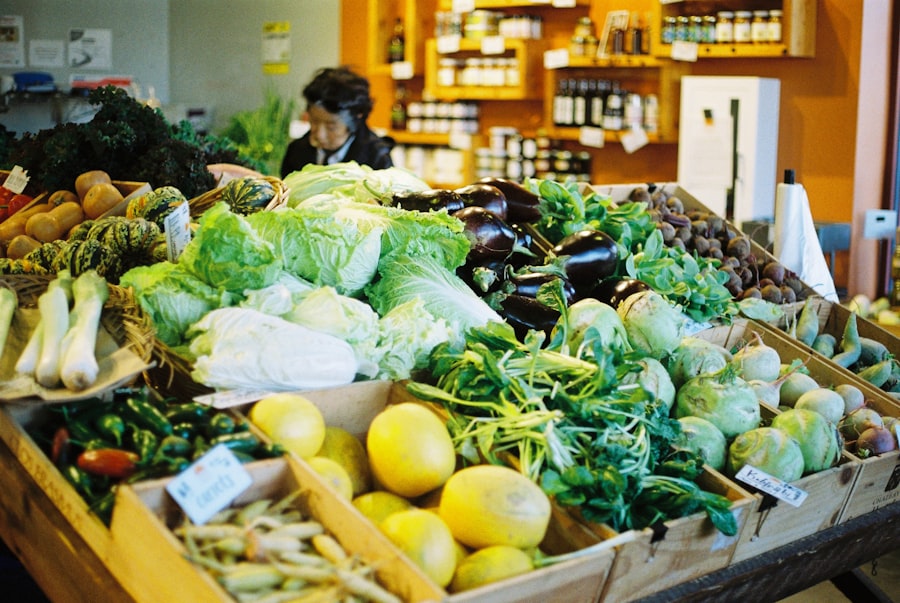
Transparency in supply chains is essential for ensuring accountability in organic food production. As a consumer, you have the right to know where your food comes from and how it was produced. Unfortunately, many supply chains are complex and opaque, making it difficult for you to trace the origins of your food accurately.
This lack of transparency can lead to confusion and mistrust regarding the authenticity of organic claims. To address this issue, there is a growing need for initiatives that promote transparency throughout the supply chain. You might find it encouraging that some companies are beginning to adopt blockchain technology to track their products from farm to table.
This technology allows for real-time tracking of ingredients and production methods, providing you with verifiable information about the products you purchase. By supporting brands that prioritize transparency, you can help drive demand for more accountable practices within the organic food industry.
Consumer Awareness and Education on Organic Food Accountability
As a consumer, your awareness and education about organic food accountability are vital in driving change within the industry. Understanding what constitutes genuine organic practices empowers you to make informed choices when shopping for food. You may want to familiarize yourself with key terms associated with organic labeling and certification processes so that you can better navigate the marketplace.
Moreover, advocating for greater consumer education initiatives can help raise awareness about the importance of accountability in organic food production. You might consider participating in community workshops or online forums focused on sustainable agriculture and organic practices. By sharing knowledge with others and engaging in discussions about food accountability, you contribute to a more informed consumer base that demands higher standards from producers.
The Responsibility of Organic Food Producers and Distributors
Organic food producers and distributors hold significant responsibility in maintaining accountability within the industry. As a consumer, you rely on these stakeholders to uphold ethical practices and adhere to established standards when producing and distributing organic products. It is essential for producers to prioritize transparency in their operations and communicate openly with consumers about their farming methods and sourcing practices.
Additionally, distributors play a crucial role in ensuring that only certified organic products reach consumers like you. They must implement rigorous quality control measures and verify the authenticity of their suppliers’ claims before bringing products to market. By holding themselves accountable and committing to ethical practices, producers and distributors can foster trust with consumers and contribute positively to the overall integrity of the organic food sector.
Implementing Third-Party Certifications for Organic Food Accountability
One effective way to enhance accountability in organic food production is through third-party certifications. These independent organizations assess compliance with established standards and provide an additional layer of verification beyond government regulations. As a consumer, you may find comfort in knowing that products bearing third-party certifications have undergone thorough evaluations by unbiased entities.
Third-party certifications can also help address some of the challenges associated with fraud and mislabeling in the organic sector. By requiring producers to undergo regular audits and inspections by independent organizations, these certifications create a more robust system of accountability that protects consumers like you from misleading claims. Supporting brands that prioritize third-party certifications can encourage more producers to adopt these practices, ultimately strengthening the integrity of the entire organic market.
The Role of Technology in Tracking and Monitoring Organic Food Accountability
Technology plays an increasingly vital role in enhancing accountability within the organic food sector. As a consumer, you may appreciate innovations such as blockchain technology, which allows for secure tracking of products throughout the supply chain. This technology enables you to access detailed information about where your food comes from and how it was produced, fostering greater transparency.
Additionally, advancements in data analytics can help identify patterns of non-compliance within the industry. By analyzing data from inspections and audits, regulatory agencies can pinpoint areas where fraud is most likely to occur and allocate resources accordingly. As a result, technology not only empowers consumers like you with information but also strengthens oversight mechanisms designed to uphold accountability in organic food production.
Collaborative Efforts to Strengthen Organic Food Accountability
Strengthening accountability in organic food production requires collaborative efforts among various stakeholders, including government agencies, producers, distributors, and consumers like yourself. By working together, these groups can develop comprehensive strategies aimed at enhancing transparency and trust within the industry. You might consider supporting initiatives that promote collaboration among stakeholders in your community or region.
For example, participating in local farmer’s markets or joining community-supported agriculture (CSA) programs can foster direct relationships between consumers and producers. These connections encourage open dialogue about farming practices and accountability while empowering you as a consumer to make informed choices about your food sources. In conclusion, accountability in organic food production is essential for ensuring that consumers like you can trust the products they purchase.
By understanding the certification process, advocating for stronger regulations, promoting transparency in supply chains, and supporting collaborative efforts among stakeholders, you can play an active role in fostering a more accountable organic food industry. Your choices matter; by prioritizing accountability in your purchasing decisions, you contribute to a healthier future for yourself and the planet.
In recent discussions about organic food accountability, it’s essential to consider the various factors that contribute to the integrity of organic labeling. A related article that delves into this topic can be found at heydidyouknowthis.
com/’>Hey Did You Know This, where it explores the challenges and regulations surrounding organic food certification. This resource provides valuable insights into how consumers can make informed choices while navigating the complexities of organic products.
FAQs
What does organic food accountability mean?
Organic food accountability refers to the responsibility of producers, suppliers, and retailers to ensure that organic food products meet established standards for organic farming, processing, and labeling. It involves transparency, traceability, and adherence to regulations to maintain consumer trust.
Who regulates organic food standards?
Organic food standards are regulated by government agencies such as the United States Department of Agriculture (USDA) in the U.S., the European Union’s Organic Certification bodies, and other national or regional authorities. These organizations set guidelines for organic farming practices and certify products accordingly.
How is organic food certified?
Organic food certification involves an inspection process where farms and processing facilities are evaluated to ensure they comply with organic standards. This includes the use of approved substances, avoidance of synthetic pesticides and fertilizers, and sustainable farming practices. Certified products are then allowed to carry organic labels.
Why is accountability important in organic food production?
Accountability is crucial to prevent fraud, mislabeling, and misuse of the organic label. It ensures that consumers receive genuine organic products and that producers maintain ethical and environmentally friendly practices. Accountability also supports the integrity of the organic food market.
What are common challenges in maintaining organic food accountability?
Challenges include supply chain complexity, inconsistent enforcement of standards, fraudulent labeling, and lack of transparency. Additionally, small-scale farmers may face difficulties in certification due to costs and administrative requirements.
How can consumers verify the authenticity of organic food?
Consumers can look for official organic certification labels from recognized authorities, check product packaging for certification details, and purchase from reputable retailers. Some regions provide online databases where consumers can verify certified organic producers.
Does organic food accountability impact pricing?
Yes, maintaining accountability through certification, inspections, and compliance can increase production costs, which may be reflected in higher prices for organic products compared to conventional alternatives.
Are there international standards for organic food accountability?
While there is no single global standard, many countries align their organic regulations with guidelines from the International Federation of Organic Agriculture Movements (IFOAM) and the Codex Alimentarius Commission, promoting harmonization and mutual recognition of organic certifications.