
Organic food transparency refers to the provision of clear, accurate information about how organic products are grown, processed, and handled throughout the supply chain. This transparency enables consumers to access detailed data about farming practices, processing methods, and handling procedures used in organic food production. The concept encompasses several key elements: traceability systems that track products from farm to consumer, detailed labeling that specifies production methods and ingredients, and accessible documentation of certification processes.
Organic certification bodies require producers to maintain comprehensive records and undergo regular inspections to verify compliance with organic standards. Transparency in organic food systems serves multiple functions. It allows consumers to verify that products meet established organic standards, which prohibit synthetic pesticides, herbicides, and genetically modified organisms.
It also provides information about environmental practices such as soil management, water conservation, and biodiversity protection measures employed by organic producers. The implementation of transparency measures includes supply chain documentation, third-party certification verification, and digital tracking systems that record each stage of production and distribution. These systems enable consumers to access information about the specific farms, processing facilities, and distribution channels involved in bringing organic products to market.
Research indicates that transparency in organic food systems can influence consumer purchasing decisions and market dynamics. Studies show that consumers who have access to detailed product information demonstrate higher levels of trust in organic brands and are more likely to maintain consistent purchasing patterns over time.
Key Takeaways
- Transparency in organic food is crucial for consumer trust and informed choices.
- Understanding labels and certifications helps verify the authenticity of organic products.
- Organic food positively impacts health and reduces environmental harm.
- Government regulations play a key role but face challenges in enforcing organic standards.
- Consumer education and support for local producers are essential to combat fraud and promote genuine organic food.
Understanding Organic Food Labels and Certifications
Navigating the world of organic food labels can be a daunting task. You may have noticed various certifications on packaging, each with its own set of criteria. Understanding these labels is crucial for making informed choices.
The USDA Organic seal, for instance, signifies that a product meets strict federal guidelines regarding organic farming practices. This includes the absence of synthetic pesticides and fertilizers, as well as adherence to animal welfare standards. Familiarizing yourself with these labels can help you discern which products genuinely meet organic standards.
Moreover, not all organic labels are created equal. Some products may claim to be “natural” or “made with organic ingredients,” but these terms do not necessarily guarantee the same level of quality or integrity as those bearing the USDA Organic seal. As a discerning consumer, it is essential to educate yourself about these distinctions.
By doing so, you can confidently select products that align with your commitment to organic principles and ensure that your purchases reflect your values.
The Impact of Organic Food on Health and the Environment
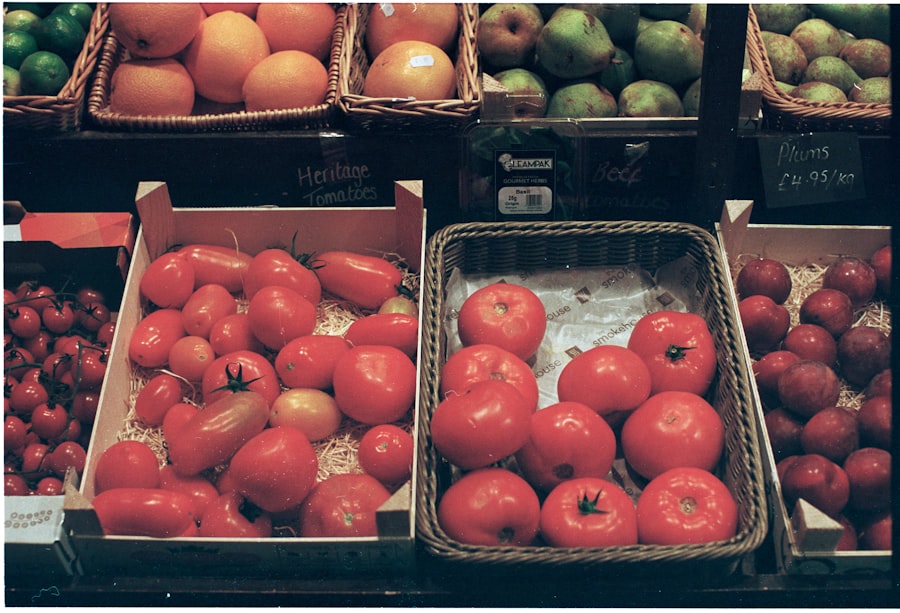
The impact of organic food extends beyond personal health; it also encompasses broader environmental considerations. When you choose organic products, you are supporting farming practices that prioritize soil health, biodiversity, and ecosystem balance. Organic farming methods often involve crop rotation, cover cropping, and reduced reliance on chemical inputs, which can lead to healthier soils and reduced pollution in waterways.
This holistic approach not only benefits the environment but also contributes to the sustainability of food systems for future generations. From a health perspective, many studies suggest that organic foods may contain higher levels of certain nutrients and antioxidants compared to their conventionally grown counterparts. While the debate continues regarding the extent of these benefits, choosing organic can reduce your exposure to harmful pesticides and additives.
As you consider your dietary choices, recognizing the interconnectedness of health and environmental sustainability can guide you toward a more conscientious lifestyle.
The Role of Government Regulations in Organic Food Transparency
Government regulations play a pivotal role in ensuring transparency within the organic food sector. In many countries, including the United States, regulatory bodies like the USDA establish guidelines that define what constitutes organic farming and processing. These regulations are designed to protect consumers by ensuring that products labeled as organic meet specific standards.
As a consumer, understanding these regulations can help you navigate the complexities of organic food labeling and make choices that align with your values. However, while regulations are essential for maintaining integrity in the organic market, they are not without challenges. Enforcement can vary, and some producers may attempt to exploit loopholes for profit.
This is where your vigilance as a consumer becomes crucial. By staying informed about government regulations and advocating for stricter enforcement when necessary, you can contribute to a more transparent and trustworthy organic food system.
The Challenges of Ensuring Organic Food Transparency
| Metric | Description | Value/Example | Source/Notes |
|---|---|---|---|
| Percentage of Organic Certification Labels | Proportion of organic products displaying official certification labels | 85% | Based on market survey of organic food packaging |
| Average Time to Verify Organic Claims | Time taken by consumers or regulators to verify organic claims on products | 3 minutes | Consumer behavior study, 2023 |
| Transparency Score of Organic Brands | Rating based on availability of sourcing, farming practices, and certification info | 7.8 / 10 | Organic Brand Transparency Index 2023 |
| Percentage of Organic Products with Full Ingredient Disclosure | Share of organic products listing all ingredients and additives clearly | 92% | Labeling compliance report 2023 |
| Consumer Trust Level in Organic Labels | Percentage of consumers who trust organic labels as accurate | 78% | Consumer trust survey 2023 |
| Incidents of Organic Label Fraud Reported | Number of reported cases of fraudulent organic labeling in the past year | 15 cases | Regulatory agency reports 2023 |
| Percentage of Organic Farms Using Traceability Systems | Share of organic farms implementing digital traceability for transparency | 65% | Agricultural technology adoption study 2023 |
Despite the importance of transparency in organic food, several challenges persist in ensuring that consumers receive accurate information. One significant issue is the complexity of supply chains in the food industry. As products move from farm to table, they often pass through multiple hands, making it difficult to trace their origins accurately.
This lack of traceability can lead to confusion and mistrust among consumers like yourself who seek genuine organic options. Additionally, the rise of technology in agriculture has introduced new challenges related to transparency. While innovations such as genetic engineering and synthetic biology can enhance crop yields, they also blur the lines between conventional and organic farming practices.
As a consumer, it is essential to remain aware of these developments and advocate for clear labeling practices that reflect the true nature of the products you purchase.
The Benefits of Choosing Organic Food
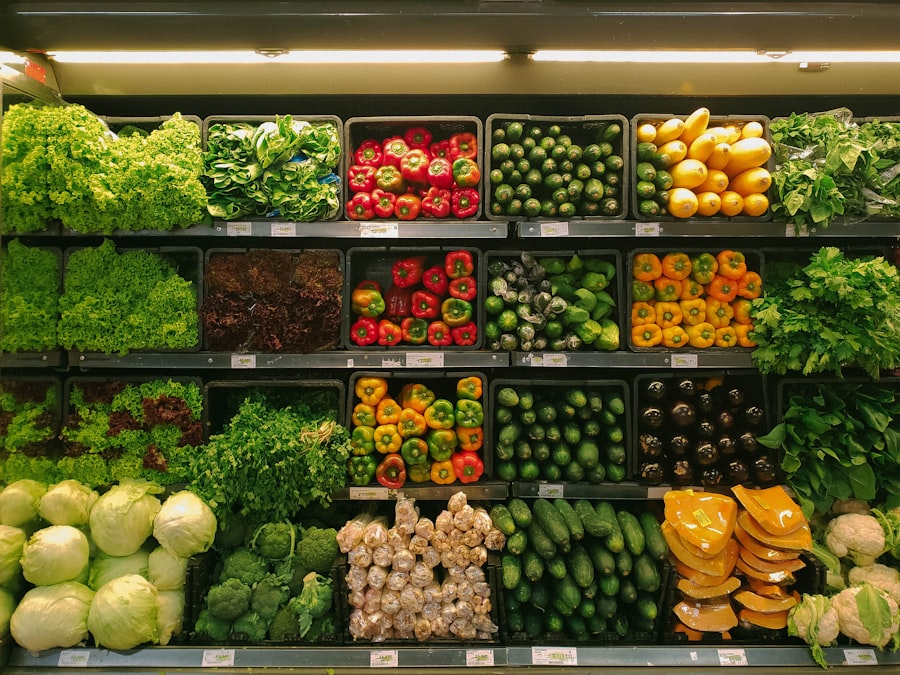
Choosing organic food offers numerous benefits that extend beyond personal health. When you opt for organic products, you are supporting sustainable agricultural practices that prioritize environmental stewardship. Organic farming methods often promote biodiversity by encouraging natural pest control and reducing chemical runoff into waterways.
This commitment to ecological balance not only benefits the planet but also contributes to healthier ecosystems for future generations. Moreover, many consumers report experiencing improved health outcomes when incorporating organic foods into their diets. While research on this topic is ongoing, some studies suggest that organic produce may contain higher levels of vitamins and minerals compared to conventionally grown options.
By choosing organic, you may be reducing your exposure to harmful pesticides and additives commonly found in non-organic foods. As you consider your dietary choices, recognizing these benefits can motivate you to prioritize organic options in your shopping routine.
How to Identify Genuine Organic Food Products
Identifying genuine organic food products requires a keen eye and a bit of knowledge about labeling practices. Start by looking for official certifications such as the USDA Organic seal or equivalent certifications in your country. These seals indicate that the product has met rigorous standards for organic farming and processing.
Additionally, familiarize yourself with terms like “100% Organic,” which means that all ingredients are certified organic, versus “Organic,” which allows for a small percentage of non-organic ingredients. Another helpful tip is to research brands and producers before making a purchase. Many reputable companies provide information about their farming practices on their websites or packaging.
By taking the time to investigate these details, you can ensure that you are supporting genuine organic producers who prioritize transparency and sustainability in their operations.
The Role of Consumer Education in Organic Food Transparency
Consumer education plays a vital role in promoting transparency within the organic food sector. As a consumer, staying informed about agricultural practices, labeling standards, and potential issues related to mislabeling can empower you to make better choices at the grocery store. Engaging with educational resources such as workshops, documentaries, or online courses can deepen your understanding of organic farming principles and help you navigate the complexities of food labeling.
Moreover, sharing your knowledge with others can create a ripple effect within your community. By discussing the importance of transparency in organic food with friends and family or participating in local advocacy groups, you contribute to a culture of informed consumers who demand accountability from producers and retailers alike. Your efforts can help foster a more transparent food system that benefits everyone.
The Rise of Organic Food Fraud and Mislabeling
As demand for organic products continues to grow, so does the risk of fraud and mislabeling within the industry. Unfortunately, some producers may take advantage of consumer trust by falsely labeling their products as organic or using misleading marketing tactics. This not only undermines the integrity of genuine organic producers but also poses risks to consumers who believe they are making healthy choices.
Look for reputable brands with transparent sourcing practices and be cautious of deals that seem too good to be true. By advocating for stricter regulations and supporting businesses committed to ethical practices, you can help reduce instances of fraud in the organic food market.
The Future of Organic Food Transparency
The future of organic food transparency holds both promise and challenges as consumer awareness continues to grow. With advancements in technology such as blockchain and traceability systems, there is potential for greater transparency throughout the supply chain. These innovations could enable consumers like yourself to trace the origins of their food more easily and verify its authenticity.
However, achieving widespread transparency will require collaboration among producers, regulators, and consumers alike. As a proactive consumer, advocating for clear labeling practices and supporting initiatives aimed at enhancing transparency can contribute to a more trustworthy organic food system. By staying engaged with industry developments and demanding accountability from producers, you play an essential role in shaping the future of organic food transparency.
Supporting Local and Small-Scale Organic Food Producers
One effective way to promote transparency in the organic food sector is by supporting local and small-scale producers. These farmers often prioritize sustainable practices and maintain closer relationships with their customers, allowing for greater transparency regarding their farming methods and product sourcing. When you choose to buy from local farmers’ markets or community-supported agriculture (CSA) programs, you not only support your local economy but also gain access to fresh produce with known origins.
Additionally, small-scale producers often have a vested interest in maintaining ethical practices because their livelihoods depend on building trust within their communities. By choosing to support these farmers over larger corporations, you contribute to a more transparent food system that values quality over quantity. Your purchasing decisions can help foster a culture of accountability within the organic food industry while promoting sustainable agricultural practices that benefit both people and the planet.
In recent discussions about organic food transparency, the importance of understanding the sourcing and labeling of organic products has come to the forefront. A related article that delves deeper into this topic can be found here: Understanding Organic Food Transparency.
FAQs
What does organic food transparency mean?
Organic food transparency refers to the clear and open disclosure of information about the production, sourcing, and certification processes of organic foods. It ensures consumers can verify that the food meets organic standards and understand how it was grown or produced.
Why is transparency important in organic food?
Transparency is important because it builds consumer trust, helps prevent fraud, and ensures that organic labeling is accurate. It allows consumers to make informed choices about the food they purchase and supports the integrity of organic certification systems.
How can consumers verify the authenticity of organic food?
Consumers can verify authenticity by looking for official organic certification labels from recognized bodies, checking for detailed product information, researching the brand’s sourcing practices, and using apps or websites that track organic product transparency.
What are the common certifications for organic food?
Common certifications include USDA Organic (United States), EU Organic (European Union), JAS Organic (Japan), and other country-specific organic certification programs. These certifications require adherence to strict standards regarding pesticide use, fertilizers, and farming practices.
Does organic food transparency include information about farming practices?
Yes, transparency often includes details about farming methods, such as the use of natural fertilizers, crop rotation, pest management, and soil health practices, which are integral to organic farming standards.
Are all organic foods equally transparent about their production?
No, transparency levels can vary between producers and brands. Some provide extensive information about their supply chain and farming practices, while others may offer minimal details. Consumers are encouraged to seek out brands that prioritize transparency.
How does organic food transparency impact consumer health?
Transparency helps consumers understand what they are eating, including the absence of synthetic pesticides and GMOs, which can influence health decisions. It also promotes accountability in food production, potentially leading to safer and higher-quality products.
Can technology improve organic food transparency?
Yes, technologies like blockchain, QR codes, and digital traceability systems can enhance transparency by providing real-time, verifiable information about the origin, handling, and certification of organic foods.
Is organic food transparency regulated by law?
Regulations vary by country. Many governments require organic certification and labeling standards, but the extent of mandatory transparency about production details can differ. Voluntary transparency initiatives by companies also play a significant role.
How can consumers advocate for greater transparency in organic food?
Consumers can support brands that provide clear information, demand better labeling, participate in consumer advocacy groups, and encourage policymakers to enforce stricter transparency and certification standards in the organic food industry.